Versatile Integration and Control Options
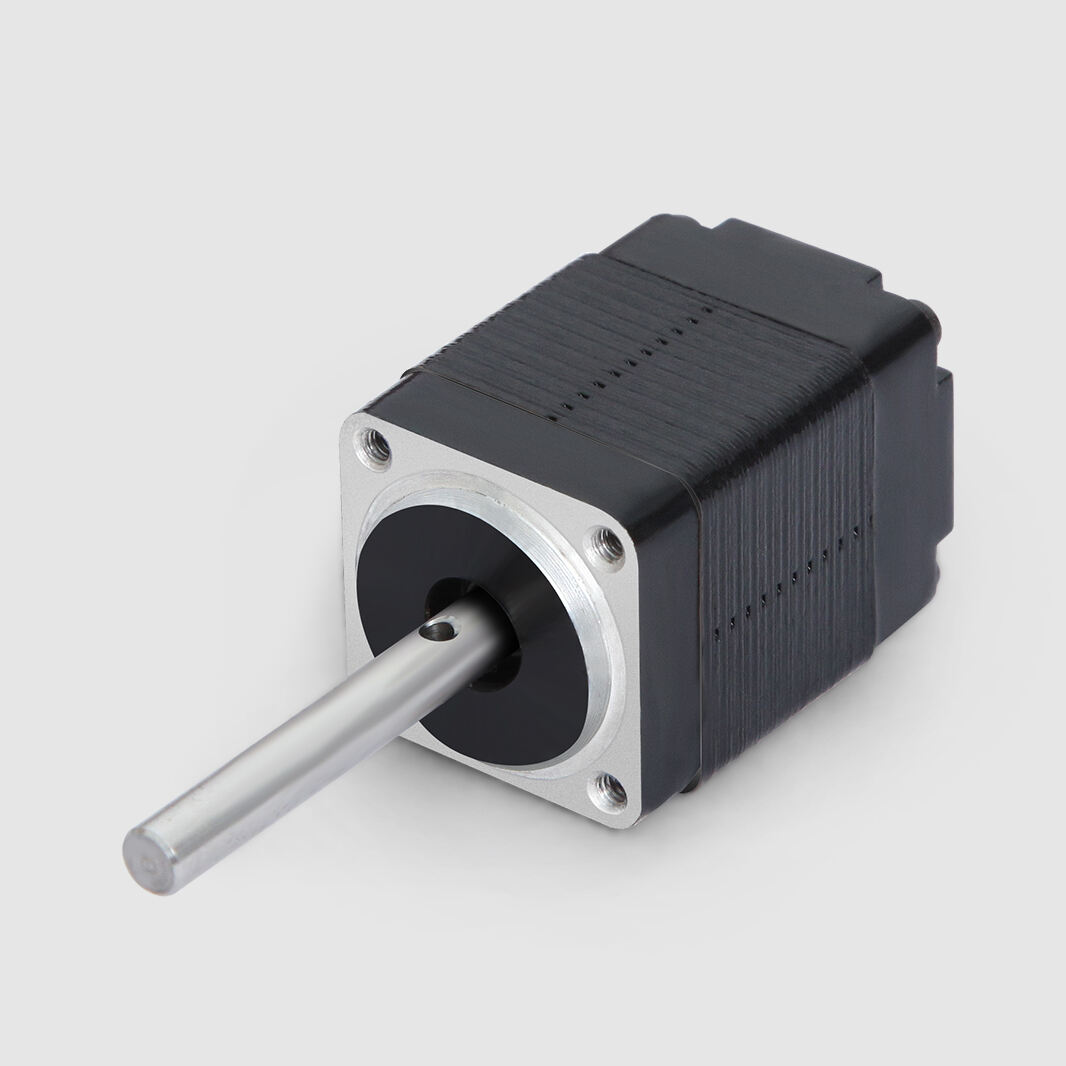
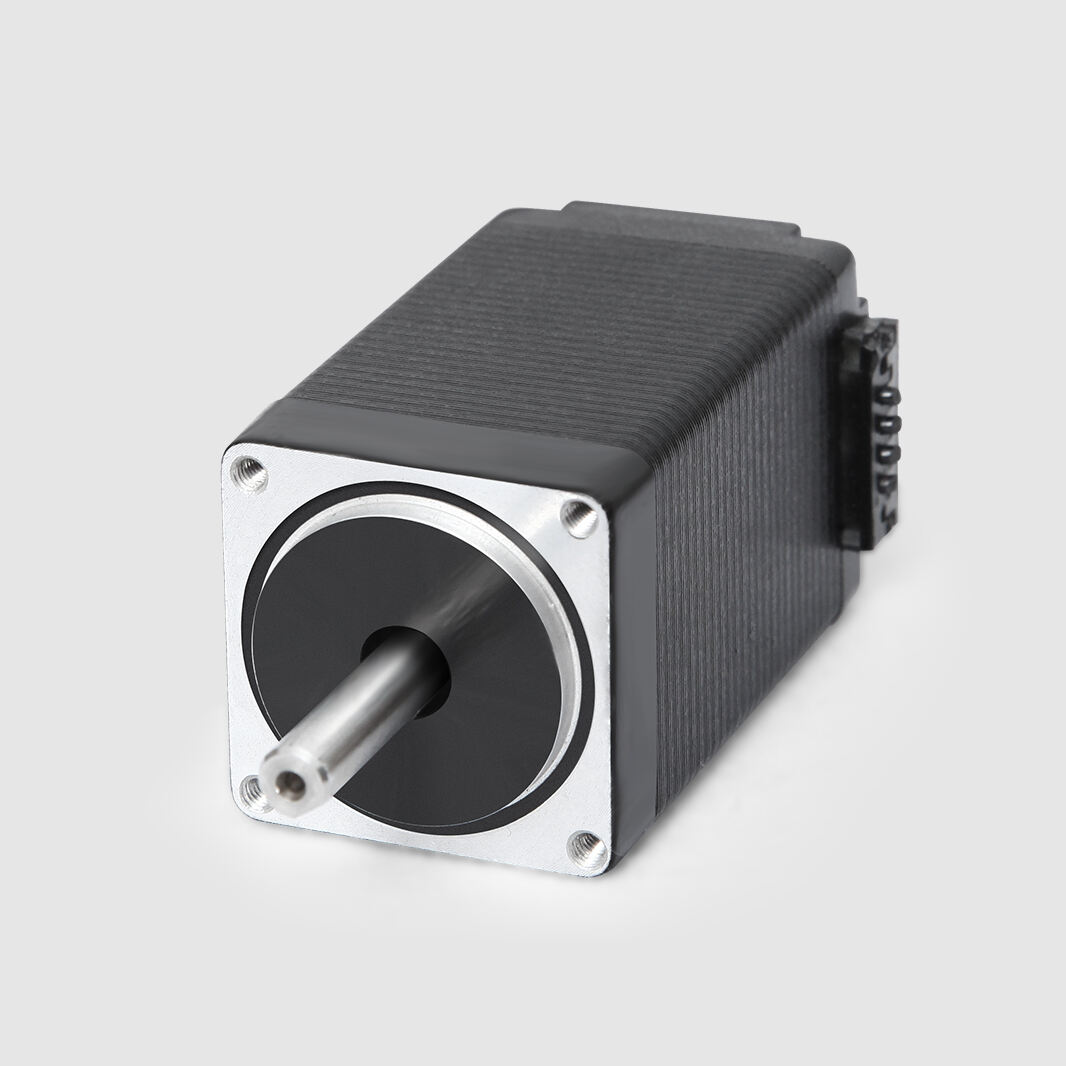
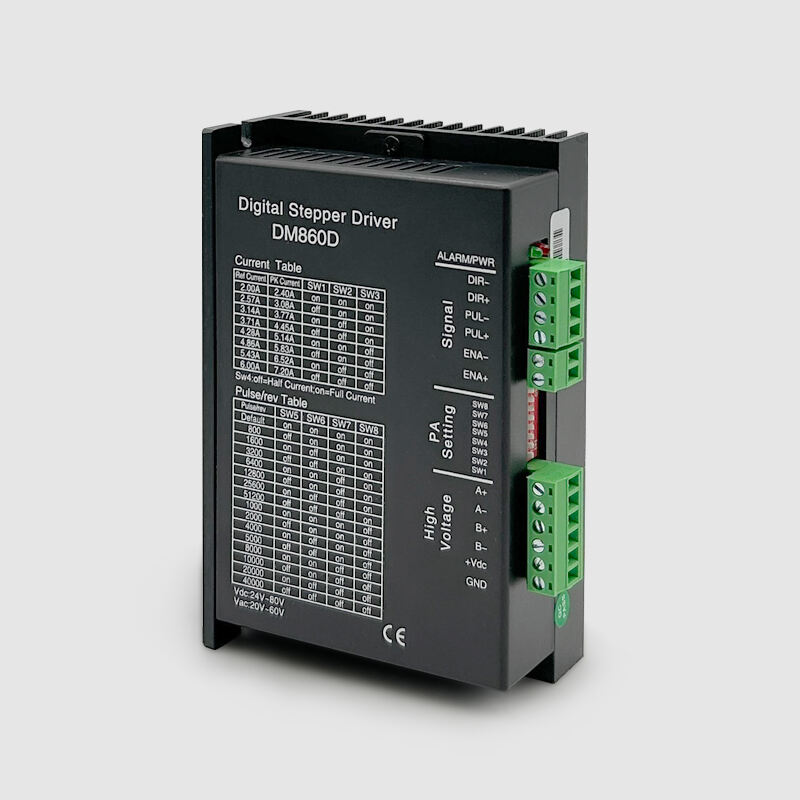
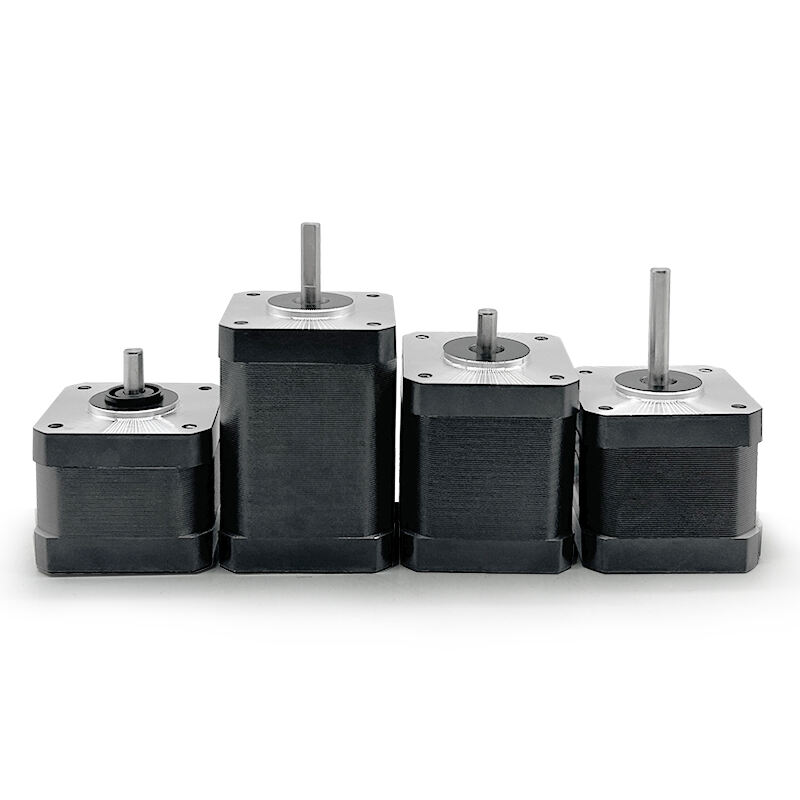
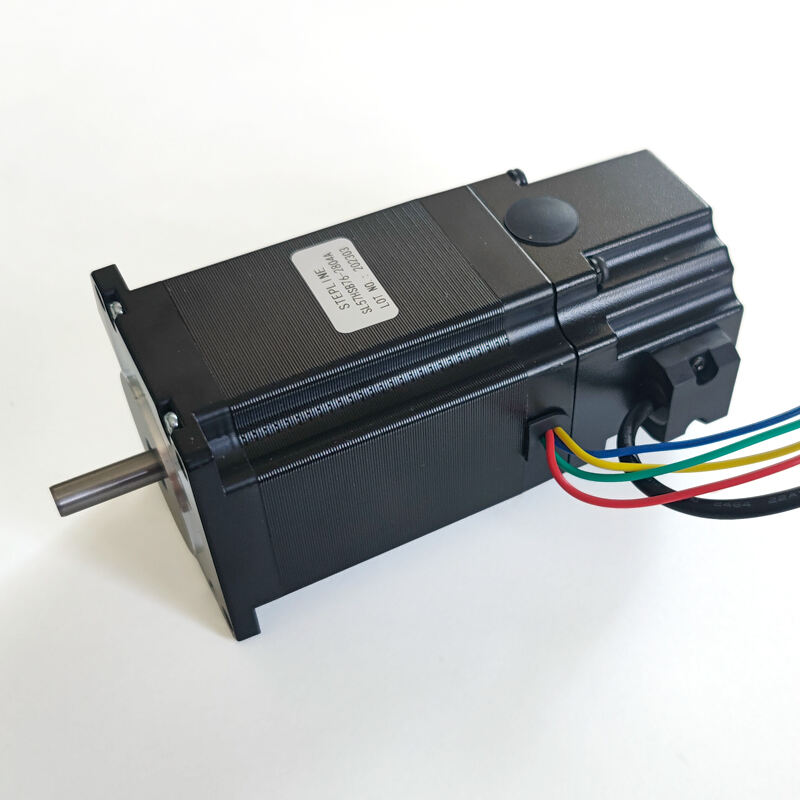
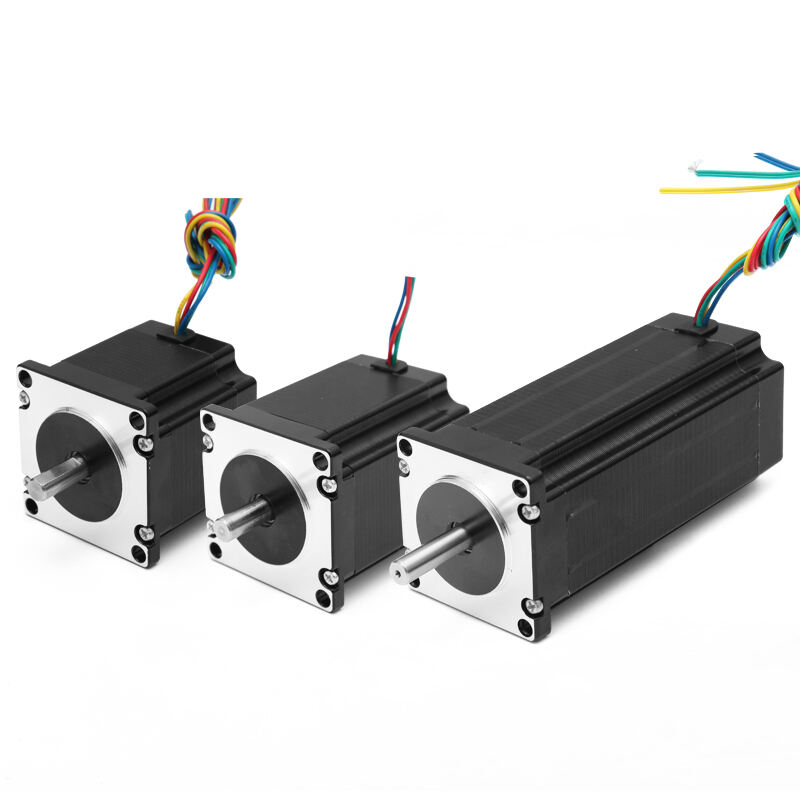
The 42 stepper motor offers remarkable versatility in integration and control methodologies, making it adaptable to virtually any automation requirement. The standardized NEMA 17 mounting configuration ensures mechanical compatibility with a vast ecosystem of mounting brackets, couplings, and mechanical accessories, simplifying system design and reducing procurement complexity. This standardization extends to electrical connections, where the 42 stepper motor typically features industry-standard connector types that interface seamlessly with commercial motor controllers and drives. The motor's electrical characteristics accommodate both bipolar and unipolar drive configurations, providing design engineers with flexibility in controller selection based on performance requirements and cost considerations. Modern 42 stepper motor variants support advanced control techniques including microstepping, which enables smooth motion profiles and reduced resonance effects at certain operating frequencies. The microstepping capability allows the motor to operate with step resolutions far exceeding the base step count, enabling applications requiring ultra-fine positioning control. Communication protocols supported by 42 stepper motor controllers span from simple step-and-direction inputs to sophisticated fieldbus networks including Modbus, CANopen, and Ethernet-based protocols. This communication flexibility enables the motor to integrate into existing automation networks without requiring protocol conversion hardware or software modifications. The control software ecosystem surrounding the 42 stepper motor includes comprehensive libraries for popular programming platforms including Arduino, Raspberry Pi, and industrial PLCs, reducing development time and enabling rapid prototyping. The 42 stepper motor's power requirements are compatible with standard industrial power supplies, typically operating on 12V, 24V, or 48V DC power systems. The current consumption characteristics allow multiple motors to operate from shared power supplies, simplifying system architecture and reducing component costs. Regenerative braking capabilities in some controller implementations can recover energy during deceleration phases, improving overall system efficiency. Diagnostic capabilities built into modern 42 stepper motor controllers provide real-time feedback on motor status, temperature, and performance parameters. These monitoring features enable predictive maintenance strategies and help identify potential issues before they result in system downtime. The controllers often include protection features such as overcurrent detection, thermal shutdown, and stall detection that protect both the motor and drive electronics from damage during fault conditions.