Revolutionary Space-Saving Design and Installation Efficiency
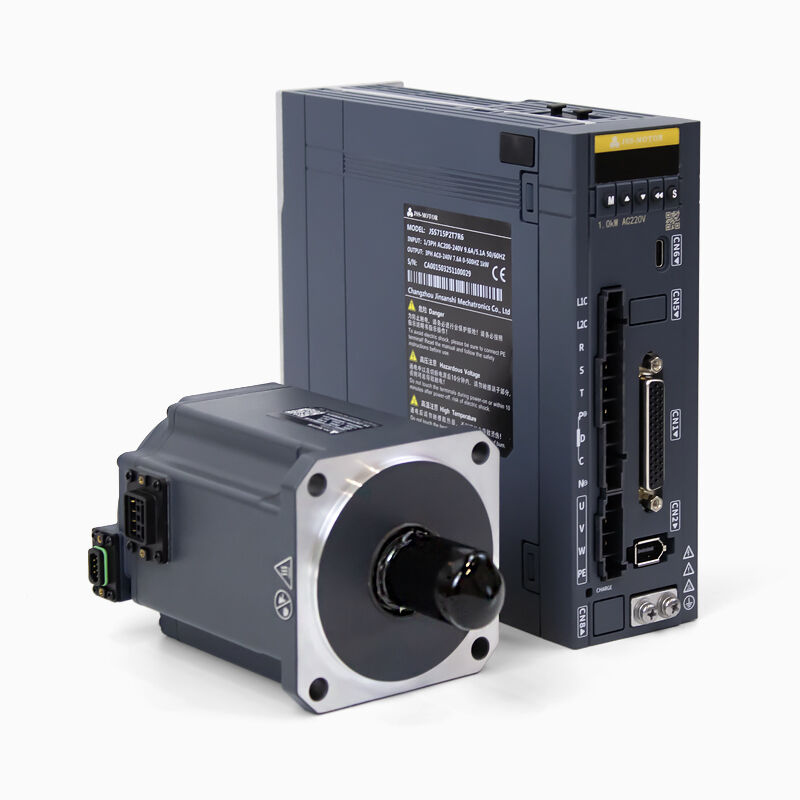
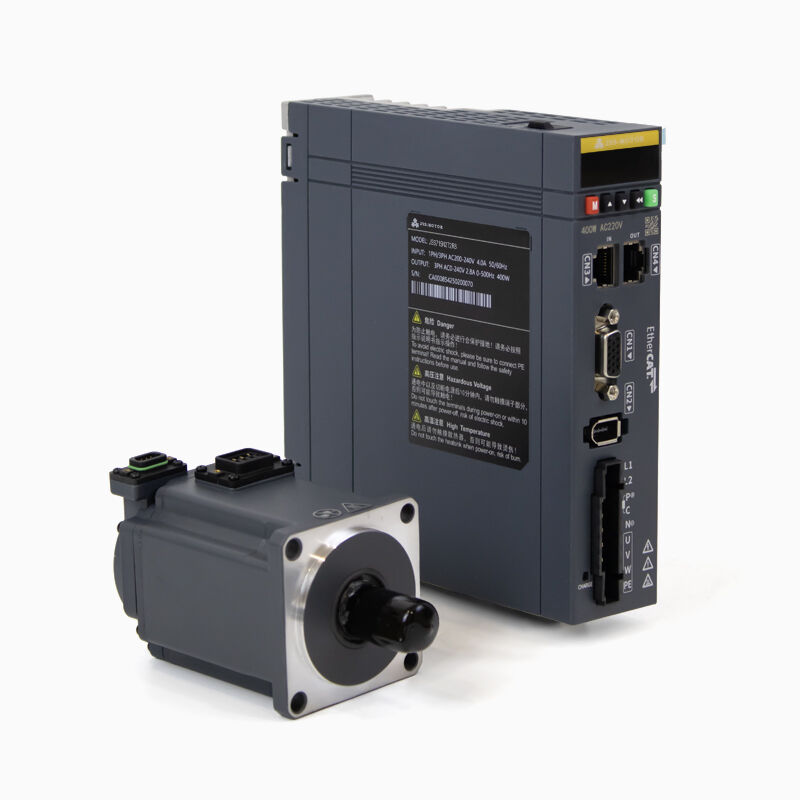
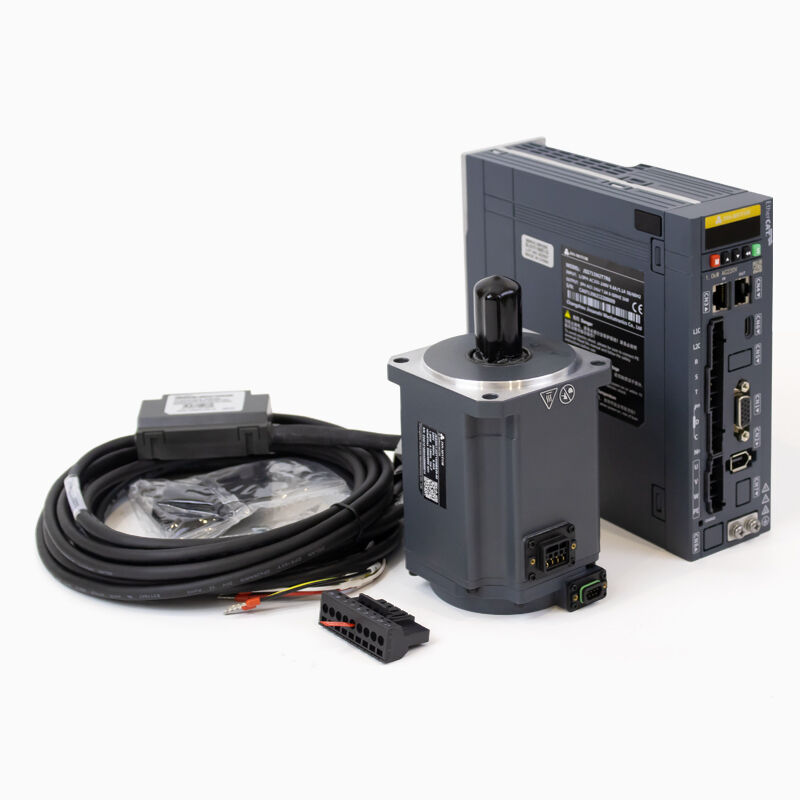
The integrated servo drive delivers exceptional space optimization that fundamentally transforms how manufacturers approach automation system design and implementation. Traditional servo systems require substantial cabinet space to accommodate separate motor drives, controllers, and associated wiring infrastructure, often creating cramped conditions that complicate maintenance and limit design flexibility. The integrated servo drive eliminates these constraints by incorporating all necessary control electronics directly within the motor housing, reducing total system footprint by up to 70 percent compared to conventional configurations. This dramatic space reduction enables manufacturers to design more compact machinery, optimize factory floor layouts, and accommodate additional production equipment within existing facilities. The installation efficiency gains are equally impressive, as the integrated design eliminates complex wiring harnesses between motor and drive components that traditionally require careful routing, protection, and maintenance access considerations. Technicians can complete installation tasks in significantly less time, reducing commissioning periods and enabling faster production line deployment. The simplified connection requirements mean fewer potential points of failure, enhanced system reliability, and reduced troubleshooting complexity when issues arise. Manufacturing facilities benefit from improved accessibility around machinery, as the reduced component count and elimination of separate drive cabinets creates cleaner, more organized production environments. The compact design also facilitates easier equipment relocation and reconfiguration, providing manufacturers with greater flexibility to adapt production lines to changing requirements. Additionally, the integrated approach supports modular machine design concepts, where individual servo axes can be easily added, removed, or repositioned without extensive rewiring or control cabinet modifications. This modularity is particularly valuable in industries requiring frequent product changeovers or seasonal production adjustments. The space savings translate into tangible cost benefits through reduced facility requirements, lower installation labor costs, and improved overall equipment effectiveness through better machinery accessibility and maintenance efficiency.