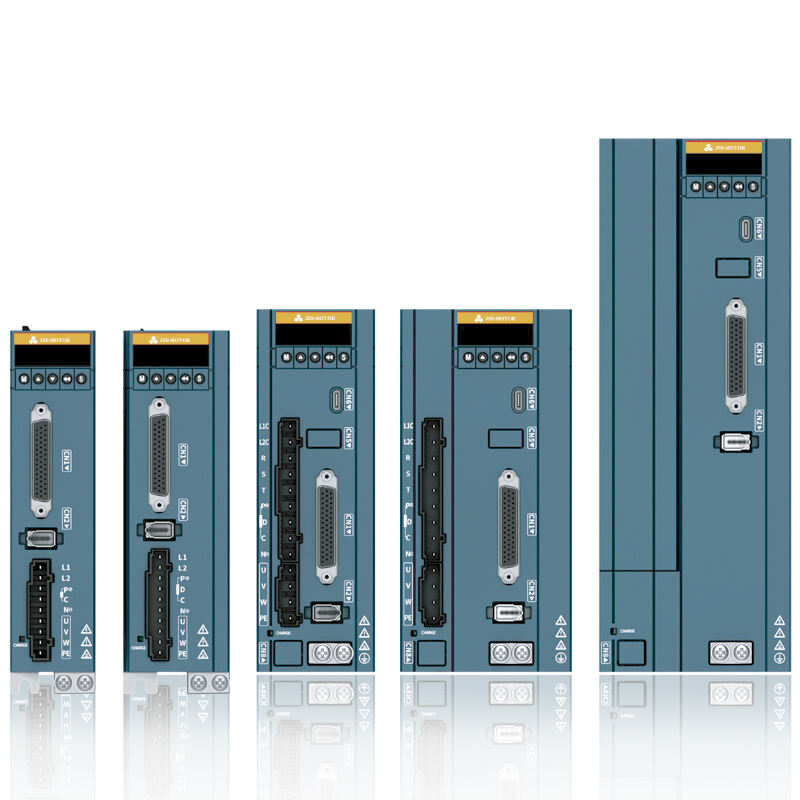
Advanced Servo Drive Systems - Precision Motion Control Solutions for Industrial Automation

Get a Free Quote

Our representative will contact you soon.
Email
Name
Company Name
WhatsApp
Mobile
Message
0/1000

servo drive

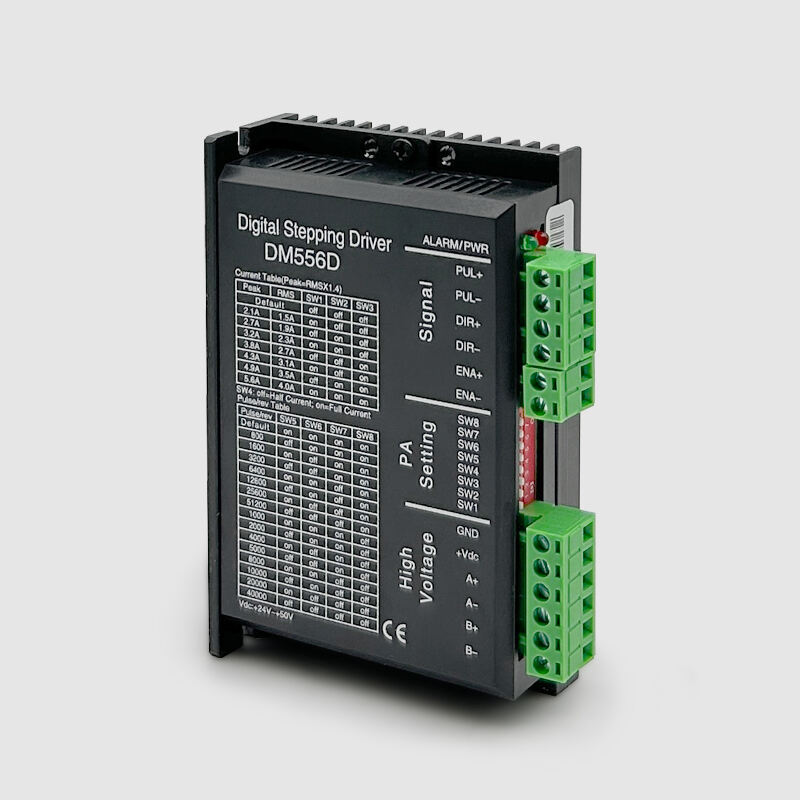
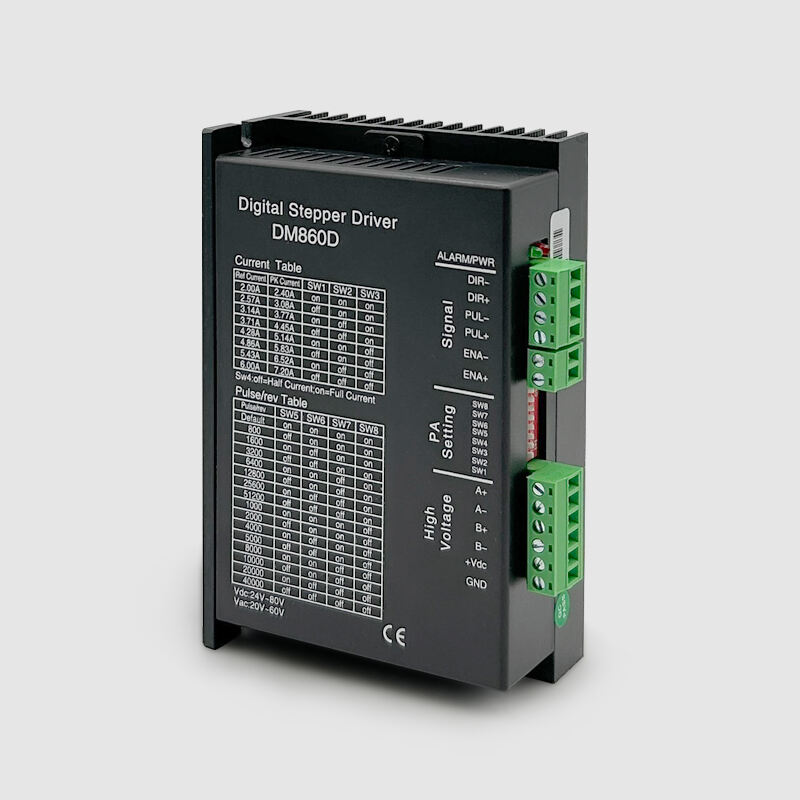
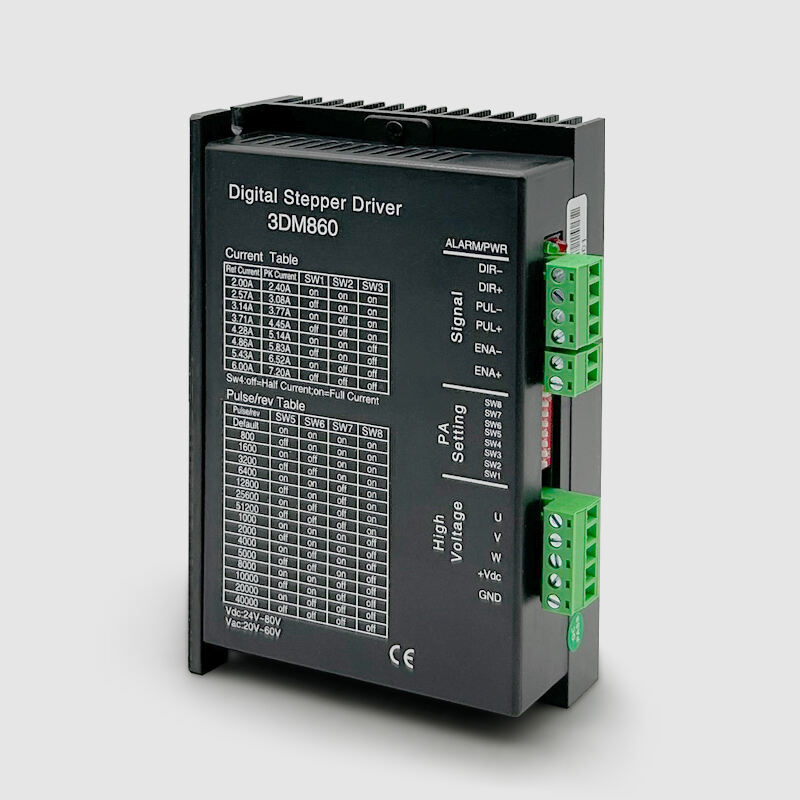
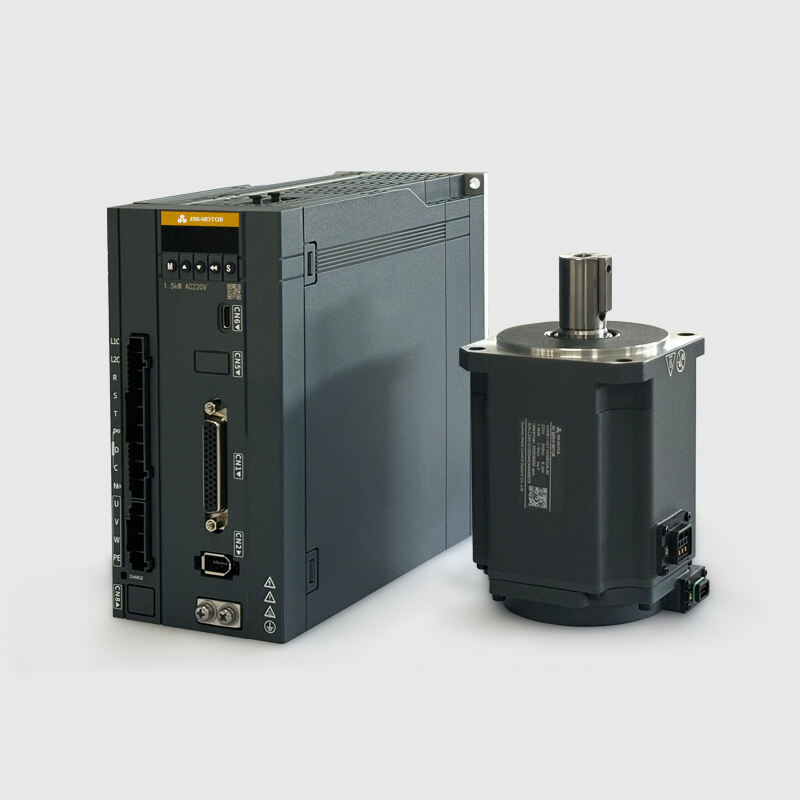
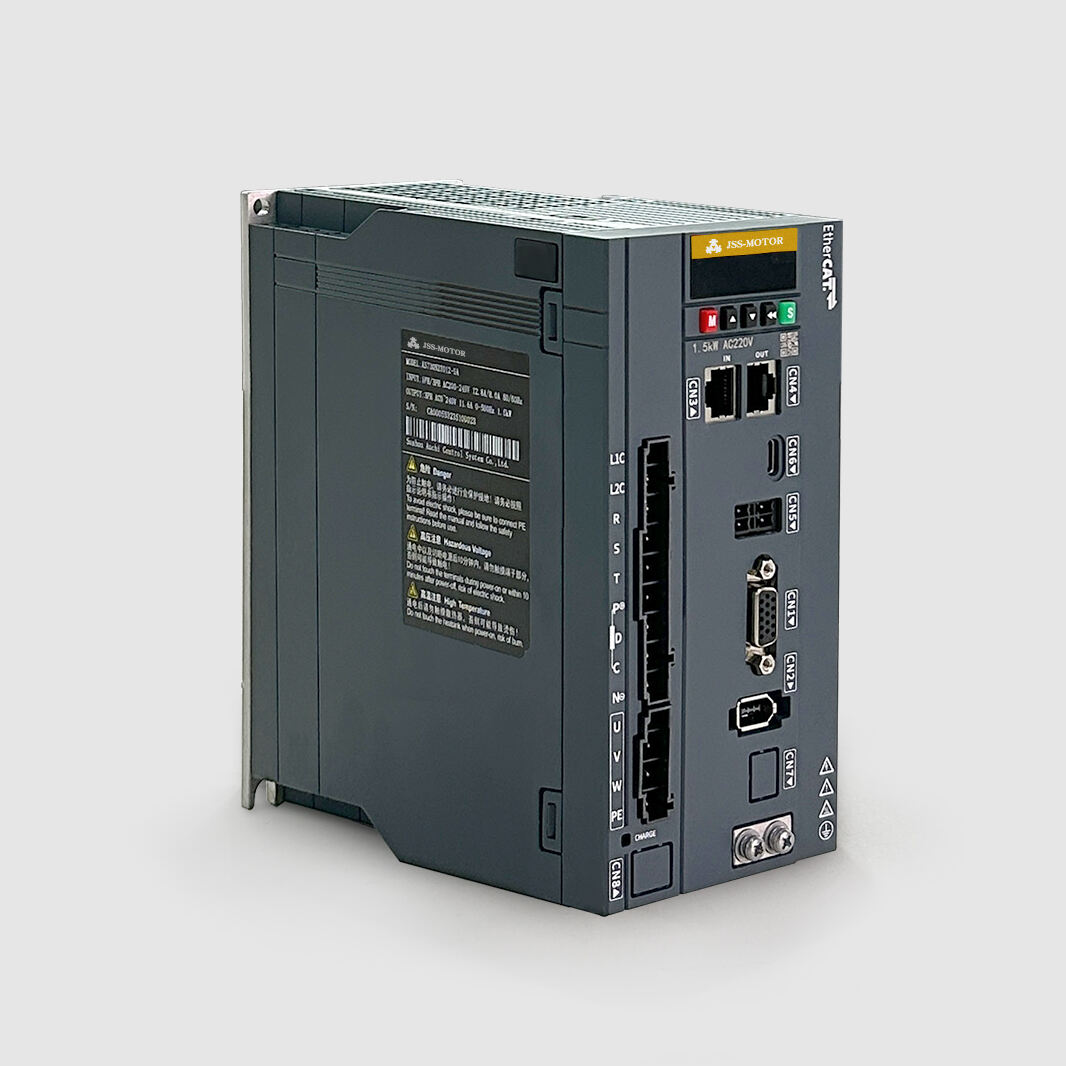
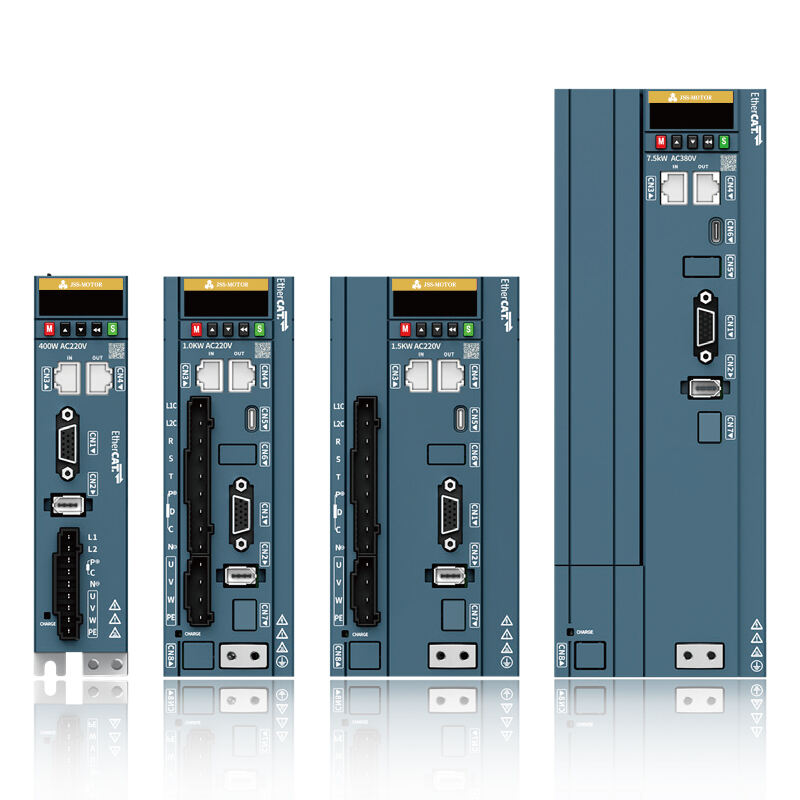
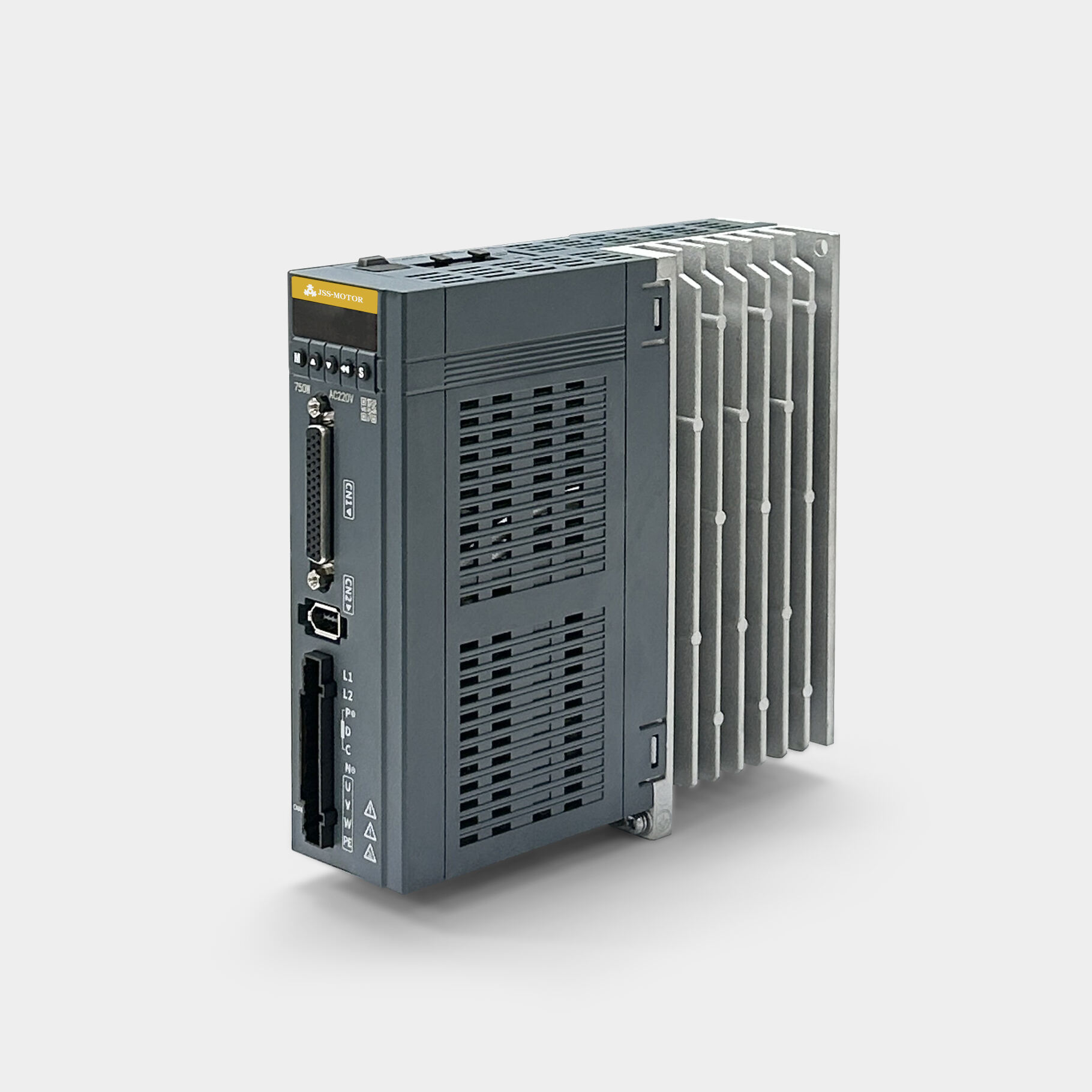
A servo drive represents a sophisticated electronic control system that precisely manages the speed, position, and torque of servo motors in automated machinery and industrial applications. This advanced technology serves as the critical interface between control systems and mechanical components, enabling manufacturers to achieve exceptional accuracy and reliability in their operations. The servo drive functions by receiving command signals from programmable logic controllers or computer numerical control systems, then converting these digital instructions into precise electrical outputs that control motor behavior. Modern servo drive systems incorporate cutting-edge digital signal processing capabilities, allowing them to execute complex motion profiles with remarkable precision. These devices feature advanced feedback mechanisms that continuously monitor motor performance, ensuring that actual movement matches commanded parameters within extremely tight tolerances. The technological architecture of contemporary servo drive units includes high-speed microprocessors, sophisticated algorithms for motion control, and robust power electronics designed to handle demanding industrial environments. Key functions encompass velocity regulation, positioning control, torque management, and dynamic response optimization. The servo drive also provides essential protective features such as overcurrent protection, thermal monitoring, and fault diagnostics to safeguard both the drive and connected equipment. Applications span across diverse industries including manufacturing automation, robotics, packaging machinery, textile equipment, printing systems, and precision machining centers. In automotive production lines, servo drive technology enables precise assembly operations, while in pharmaceutical manufacturing, it ensures accurate dosing and packaging processes. The versatility of servo drive systems makes them indispensable for applications requiring synchronized multi-axis motion, high-speed operations, and repeatable positioning accuracy. These systems excel in environments where traditional motor control methods fall short of meeting demanding performance requirements.
New Product Releases

Servo drive technology delivers substantial operational benefits that directly impact productivity and profitability for businesses across various industries. The primary advantage lies in exceptional precision control, where servo drive systems maintain positioning accuracy within micrometers, enabling manufacturers to produce high-quality products with consistent specifications. This precision eliminates waste from rejected parts and reduces rework costs significantly. Energy efficiency represents another major benefit, as modern servo drive units optimize power consumption by delivering exactly the required torque and speed for each application. Unlike conventional motor systems that operate at fixed speeds regardless of load requirements, servo drive technology adapts power output dynamically, resulting in energy savings of up to thirty percent in typical applications. The responsive nature of servo drive systems enables rapid acceleration and deceleration cycles, dramatically reducing cycle times in manufacturing processes. This increased throughput allows companies to meet higher production demands without investing in additional machinery. Maintenance costs decrease substantially with servo drive implementation, as these systems provide continuous monitoring and diagnostic capabilities that predict potential issues before failures occur. Operators receive early warnings about components requiring attention, enabling scheduled maintenance during planned downtime rather than costly emergency repairs. The flexibility offered by servo drive technology allows manufacturers to easily modify production parameters through software adjustments rather than mechanical changes. This adaptability proves invaluable when accommodating different product variants or implementing process improvements. Servo drive systems also enhance workplace safety by providing precise motion control that reduces the risk of accidents and equipment damage. The built-in safety features automatically stop operations when abnormal conditions are detected, protecting both personnel and machinery. Integration capabilities represent another significant advantage, as modern servo drive units communicate seamlessly with factory automation systems, enabling centralized control and real-time production monitoring. This connectivity facilitates Industry 4.0 initiatives and supports data-driven decision making for continuous improvement programs.

Practical Tips

AC Servo Motor Selection: Key Factors for Optimal Performance

20

Oct

AC Servo Motor Selection: Key Factors for Optimal Performance

Understanding the Fundamentals of Modern Motion Control Systems In the evolving landscape of industrial automation, ac servo motors have emerged as the cornerstone of precise motion control. These sophisticated devices combine advanced electromagneti...
View More
Servo Drive Basics: A Complete Beginner's Guide

27

Nov

Servo Drive Basics: A Complete Beginner's Guide

Understanding servo drives is essential for anyone working in industrial automation, robotics, or precision manufacturing. A servo drive acts as the brain behind precise motion control, converting electrical signals into mechanical movements with exc...
View More
Troubleshooting Common Servo Drive Problems

27

Nov

Troubleshooting Common Servo Drive Problems

Industrial automation systems rely heavily on the precise control and reliability of servo drives for optimal performance. A servo drive functions as the brain of motion control systems, converting command signals into precise motor movements. Unders...
View More
2025 BLDC Motor Guide: Types, Benefits & Applications

12

Dec

2025 BLDC Motor Guide: Types, Benefits & Applications

Brushless DC motors have revolutionized modern industrial applications with their superior efficiency, reliability, and precision control capabilities. As we advance into 2025, understanding the intricacies of BLDC motor technology becomes crucial fo...
View More

Get a Free Quote

Our representative will contact you soon.
Email
Name
Company Name
WhatsApp
Mobile
Message
0/1000

servo drive

Ultra-Precise Motion Control Technology

Ultra-Precise Motion Control Technology

The advanced motion control technology embedded within modern servo drive systems sets a new standard for industrial precision and reliability. This sophisticated technology employs high-resolution encoders and advanced feedback algorithms to achieve positioning accuracies measured in fractions of degrees or micrometers, depending on the application requirements. The servo drive continuously compares commanded positions with actual motor positions thousands of times per second, making instantaneous corrections to eliminate any deviation from the desired path. This closed-loop control system ensures that complex motion profiles are executed flawlessly, regardless of external disturbances or load variations. The technology incorporates predictive algorithms that anticipate system behavior and adjust control parameters proactively, resulting in smoother motion profiles and reduced settling times. For manufacturers, this translates to superior product quality, as components are positioned with exceptional consistency throughout production runs. The precision capabilities prove particularly valuable in applications such as semiconductor manufacturing, where minute positioning errors can result in significant yield losses. In packaging operations, the exact positioning ensures proper seal integrity and consistent package dimensions. The servo drive technology also supports complex interpolation functions, enabling synchronized multi-axis movements that create intricate patterns or follow precise trajectories. This capability is essential for applications like robotic welding, where torch positioning must follow exact paths to create high-quality joints. The advanced filtering capabilities within the servo drive system eliminate mechanical resonances and vibrations that could compromise positioning accuracy, ensuring stable operation even in challenging industrial environments. Quality control benefits significantly from this precision, as consistent positioning reduces variability in manufactured products and minimizes the need for post-production adjustments or corrections.
Intelligent Adaptive Performance Optimization

Intelligent Adaptive Performance Optimization

Servo drive systems incorporate intelligent adaptive algorithms that automatically optimize performance parameters based on real-time operating conditions and application requirements. This sophisticated feature continuously analyzes system behavior patterns and adjusts control parameters to maintain optimal performance throughout varying load conditions, temperature changes, and mechanical wear over time. The adaptive optimization technology monitors multiple performance indicators simultaneously, including response time, overshoot characteristics, settling time, and steady-state accuracy. When deviations from optimal performance are detected, the system automatically fine-tunes control parameters such as proportional, integral, and derivative gains to restore peak performance. This self-optimizing capability eliminates the need for manual tuning by technicians, reducing commissioning time and ensuring consistent performance throughout the equipment lifecycle. The intelligence built into modern servo drive systems extends to predictive maintenance capabilities, where algorithms analyze vibration patterns, current consumption trends, and temperature variations to predict component wear and potential failures before they occur. This proactive approach enables maintenance teams to schedule repairs during planned downtime, avoiding costly production interruptions. The adaptive performance optimization also accounts for mechanical changes in the system, such as belt stretching, bearing wear, or coupling degradation, automatically compensating for these variations to maintain precision and reliability. For end users, this means reduced maintenance costs, improved equipment availability, and consistent product quality over extended periods. The technology also includes load estimation functions that automatically adjust control parameters based on the actual load being moved, ensuring optimal performance whether handling light components or heavy assemblies. This adaptability proves particularly valuable in applications with varying payloads or processing different product sizes within the same production line.
Comprehensive Connectivity and Integration Capabilities

Comprehensive Connectivity and Integration Capabilities

Modern servo drive technology features extensive connectivity and integration capabilities that seamlessly interface with diverse automation systems and industrial communication protocols. This comprehensive connectivity enables servo drive units to participate fully in Industry 4.0 initiatives, supporting real-time data exchange, remote monitoring, and centralized control functions. The servo drive supports multiple communication protocols including EtherCAT, PROFINET, Modbus TCP, CANopen, and Ethernet/IP, ensuring compatibility with virtually any industrial automation platform. This protocol flexibility allows manufacturers to integrate servo drive systems into existing infrastructure without requiring costly system overhauls or communication gateway devices. The built-in web server functionality enables remote access and monitoring through standard web browsers, allowing maintenance personnel to diagnose issues and adjust parameters from any location with internet connectivity. Advanced diagnostic capabilities provide detailed system health information, performance metrics, and operational statistics that support data-driven maintenance decisions and continuous improvement initiatives. The servo drive technology includes sophisticated data logging functions that capture operational parameters, fault conditions, and performance trends for analysis and optimization purposes. This data proves invaluable for identifying production bottlenecks, optimizing process parameters, and validating equipment performance against specifications. Integration with Manufacturing Execution Systems and Enterprise Resource Planning platforms enables real-time production tracking, quality monitoring, and inventory management functions. The servo drive can communicate production counts, cycle times, and quality metrics directly to higher-level systems, eliminating manual data collection and reducing the risk of transcription errors. Safety integration capabilities include support for functional safety protocols such as SIL-rated safety functions, enabling servo drive systems to participate in comprehensive machine safety systems. This integration ensures that safety-critical functions operate reliably while maintaining productivity and system flexibility. The connectivity features also support remote software updates and parameter backups, reducing maintenance time and ensuring consistent configuration across multiple machines.
+86-13401517369
[email protected]

Get a Free Quote

Our representative will contact you soon.
Email
Name
Company Name
WhatsApp
Mobile
Message
0/1000

Copyright © 2026 Changzhou Jinsanshi Mechatronics Co., Ltd. All rights reserved.  -  Privacy policy