nema 23 stepper motor shaft diameter
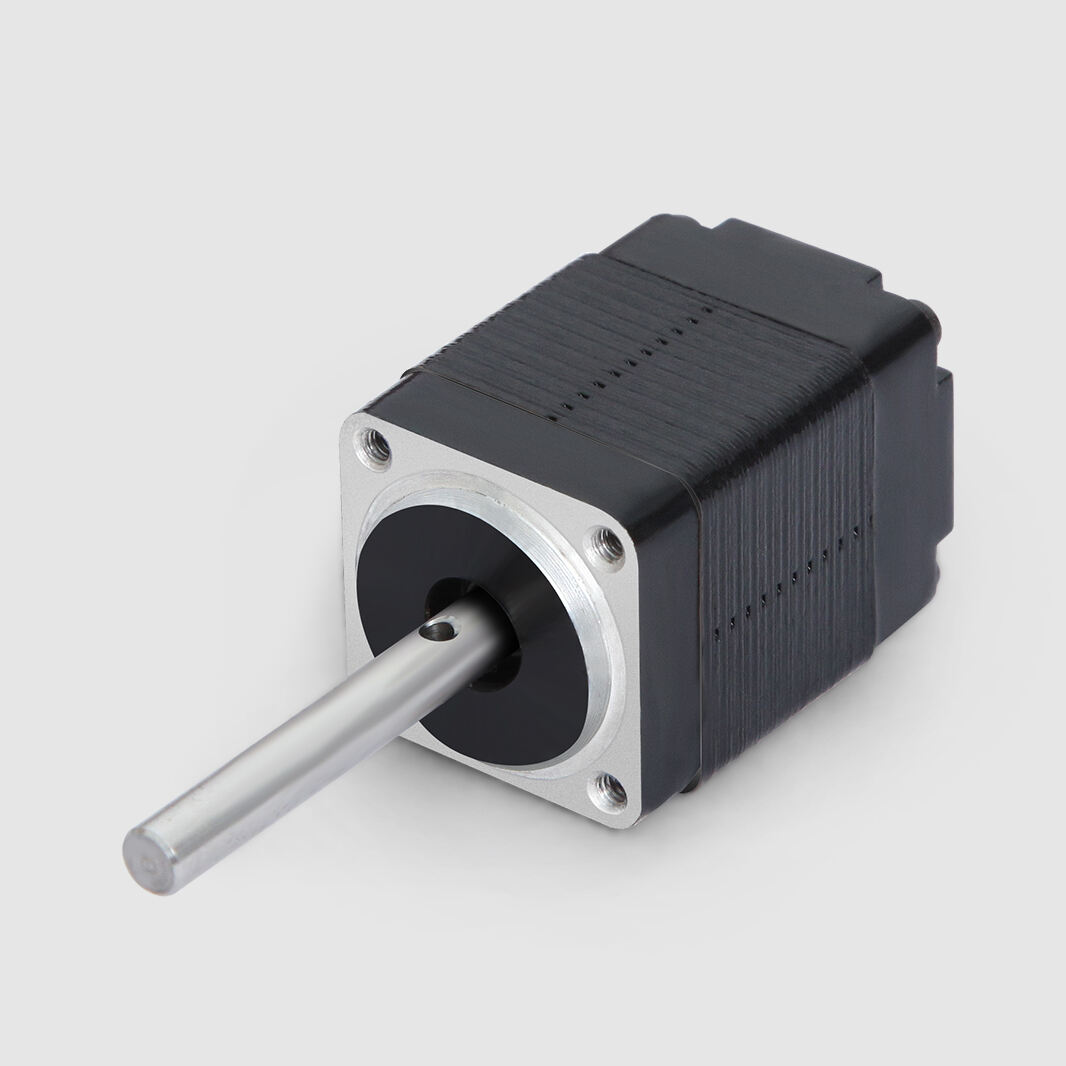
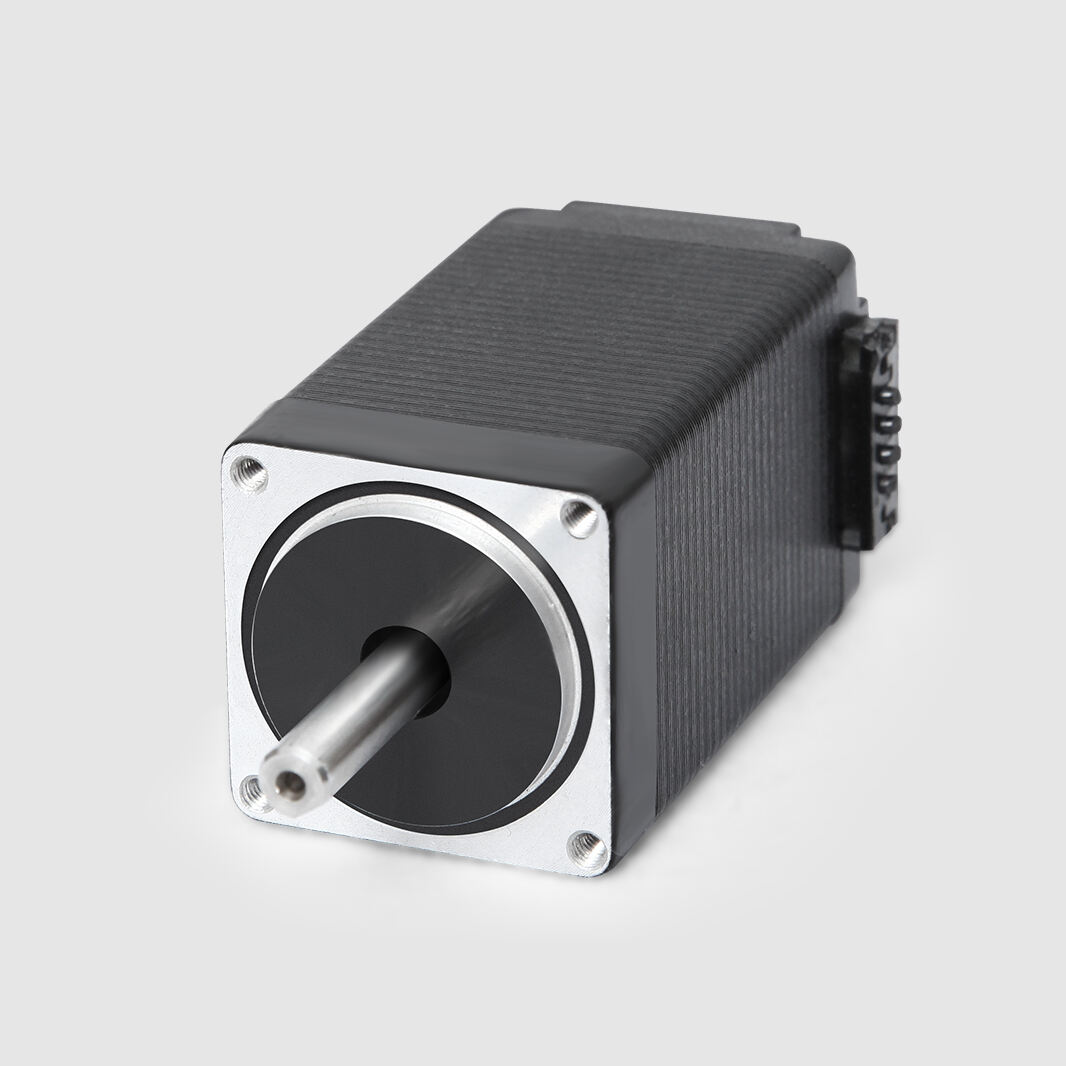
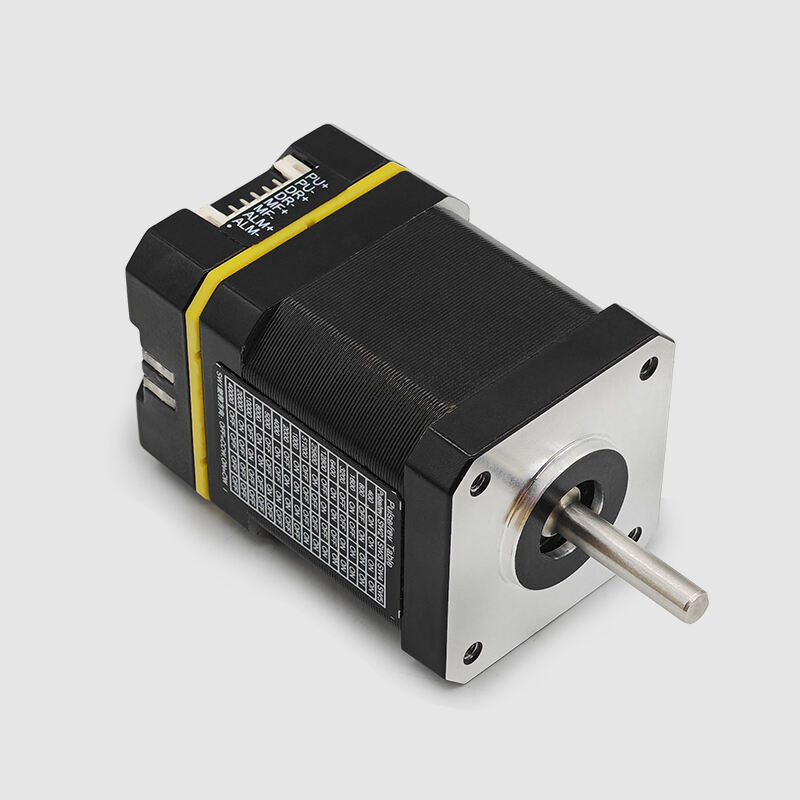
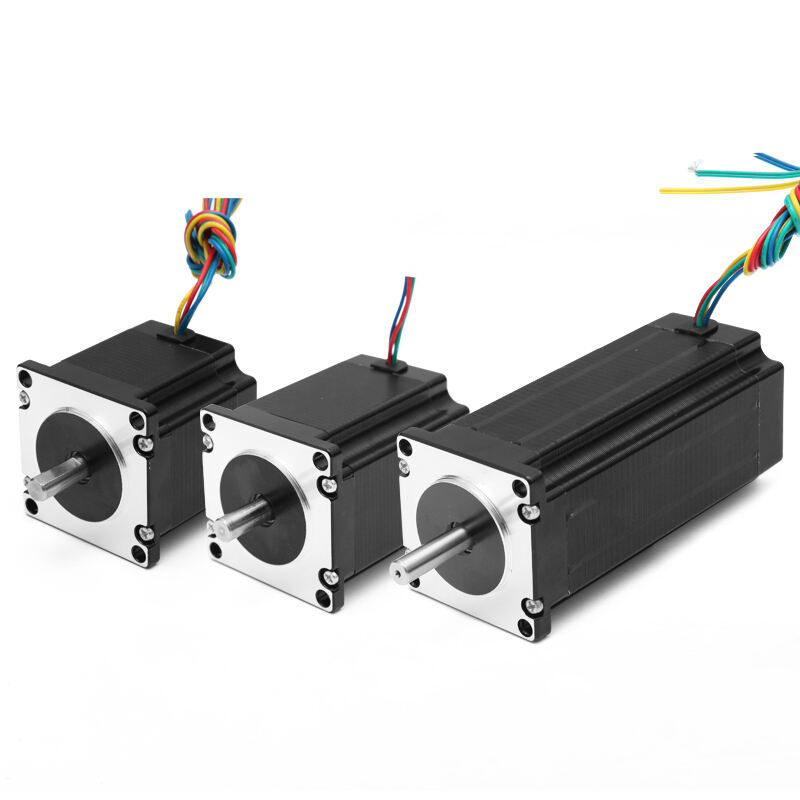
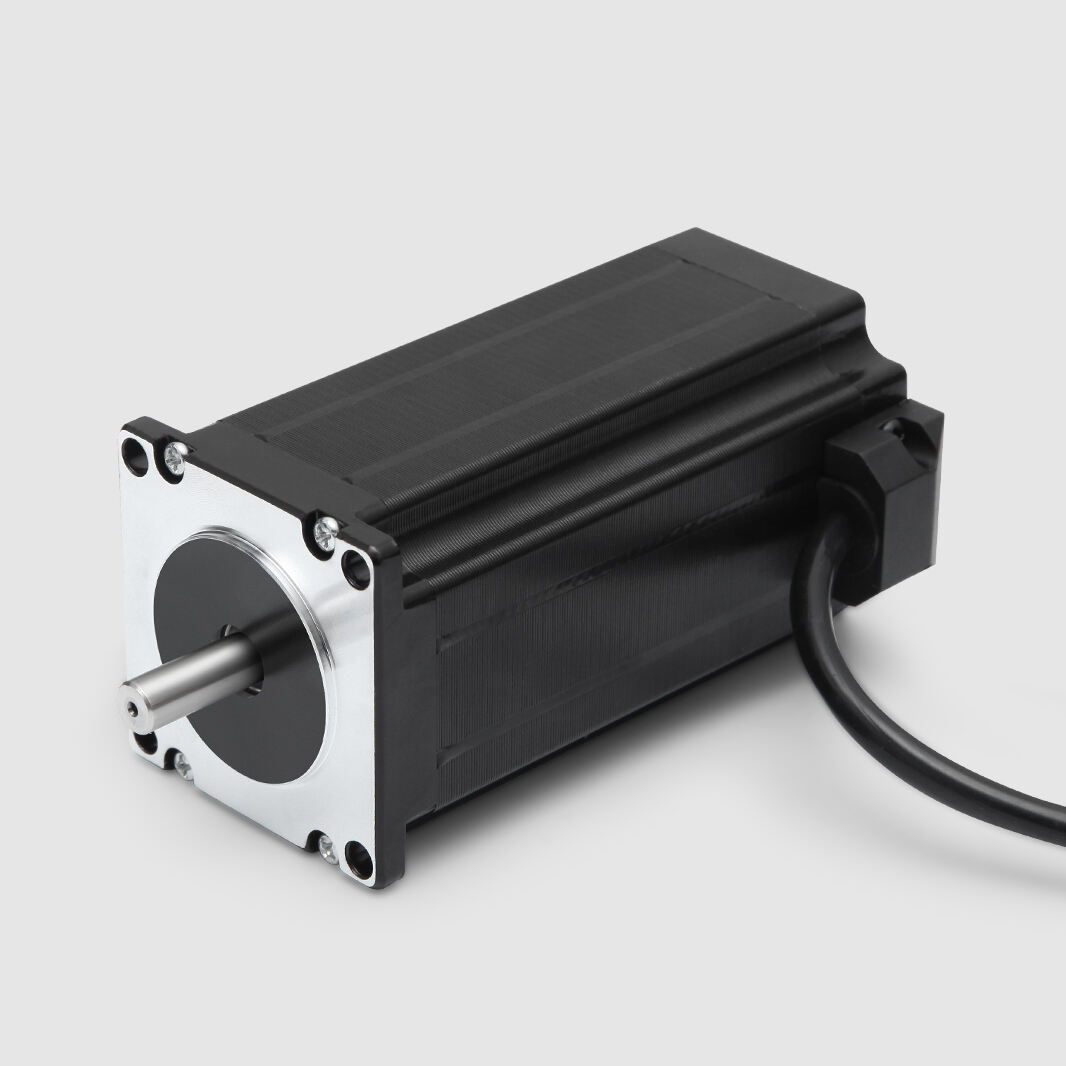
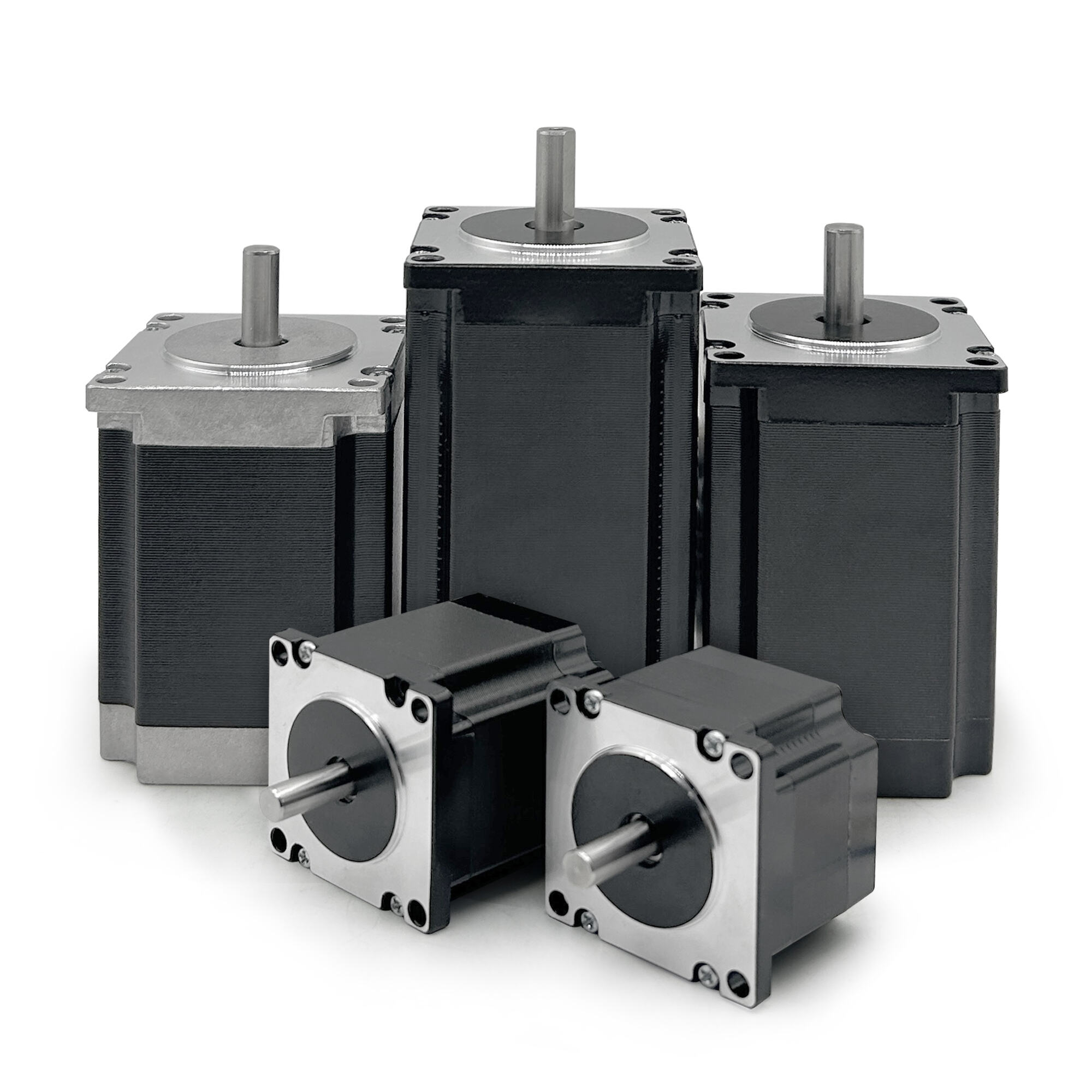
The nema 23 stepper motor shaft diameter represents a critical specification that determines the motor's mechanical interface and performance capabilities. This standardized measurement, typically ranging from 6.35mm to 8mm, serves as the foundation for connecting various mechanical components to the motor system. The shaft diameter directly influences torque transmission efficiency, rotational precision, and overall system reliability in automated applications. Understanding the nema 23 stepper motor shaft diameter is essential for engineers and designers who need to integrate these motors into their projects effectively. The shaft itself functions as the primary output component, transferring rotational motion from the motor's internal rotor assembly to external mechanical loads. This diameter specification ensures compatibility with standard couplers, pulleys, and other drive components commonly used in industrial automation. The technological features of the nema 23 stepper motor shaft diameter include precision machining tolerances that maintain concentricity within tight specifications, typically ±0.05mm or better. Surface finishing treatments often include hard chrome plating or specialized coatings that enhance wear resistance and reduce friction during operation. The shaft design incorporates geometric features such as flats or keyways that prevent slippage and ensure positive mechanical connection with driven components. Applications for nema 23 stepper motor shaft diameter span across numerous industries including 3D printing, CNC machinery, robotics, packaging equipment, and laboratory instrumentation. In 3D printing applications, the precise shaft diameter enables accurate positioning of extruder assemblies and build platform mechanisms. CNC applications benefit from the shaft's ability to maintain positional accuracy while transmitting substantial cutting forces. Robotics implementations leverage the standardized diameter for consistent joint articulation and end-effector positioning. The manufacturing process for these shafts involves precision turning operations followed by heat treatment procedures that enhance material properties and dimensional stability over extended operating periods.