Cost-Effective Performance and Long-Term Value
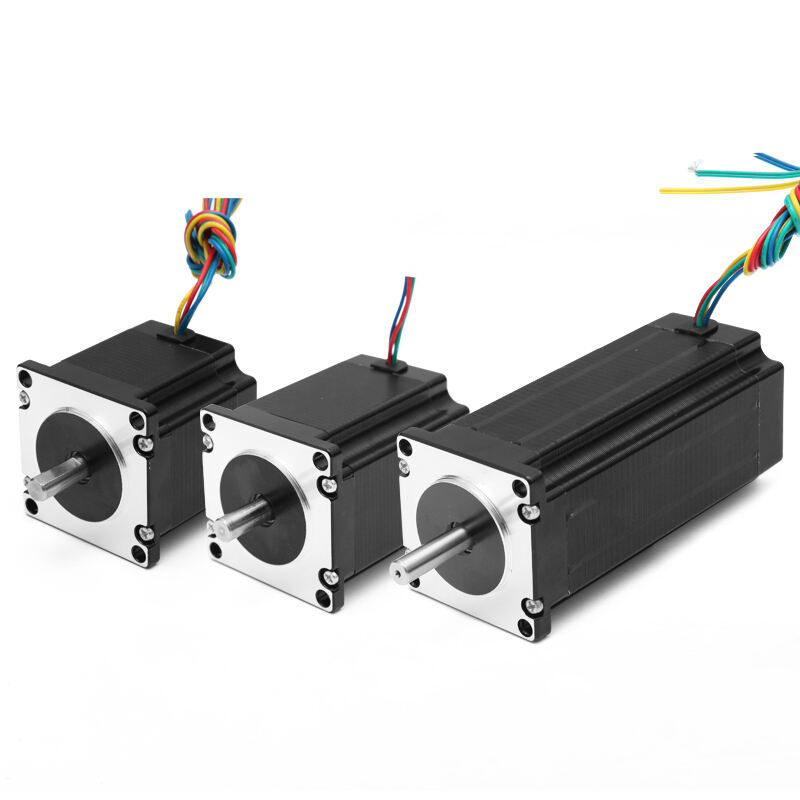
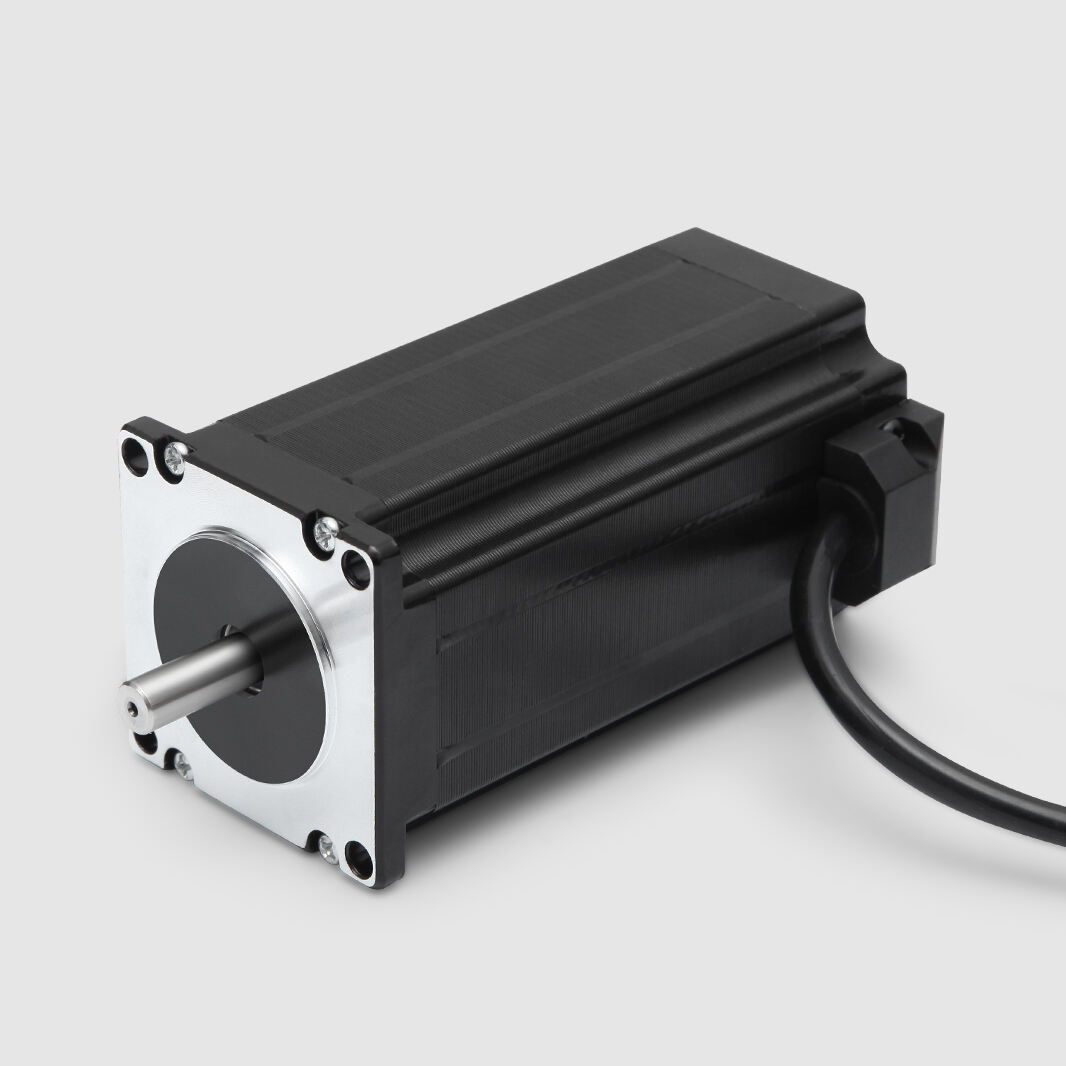
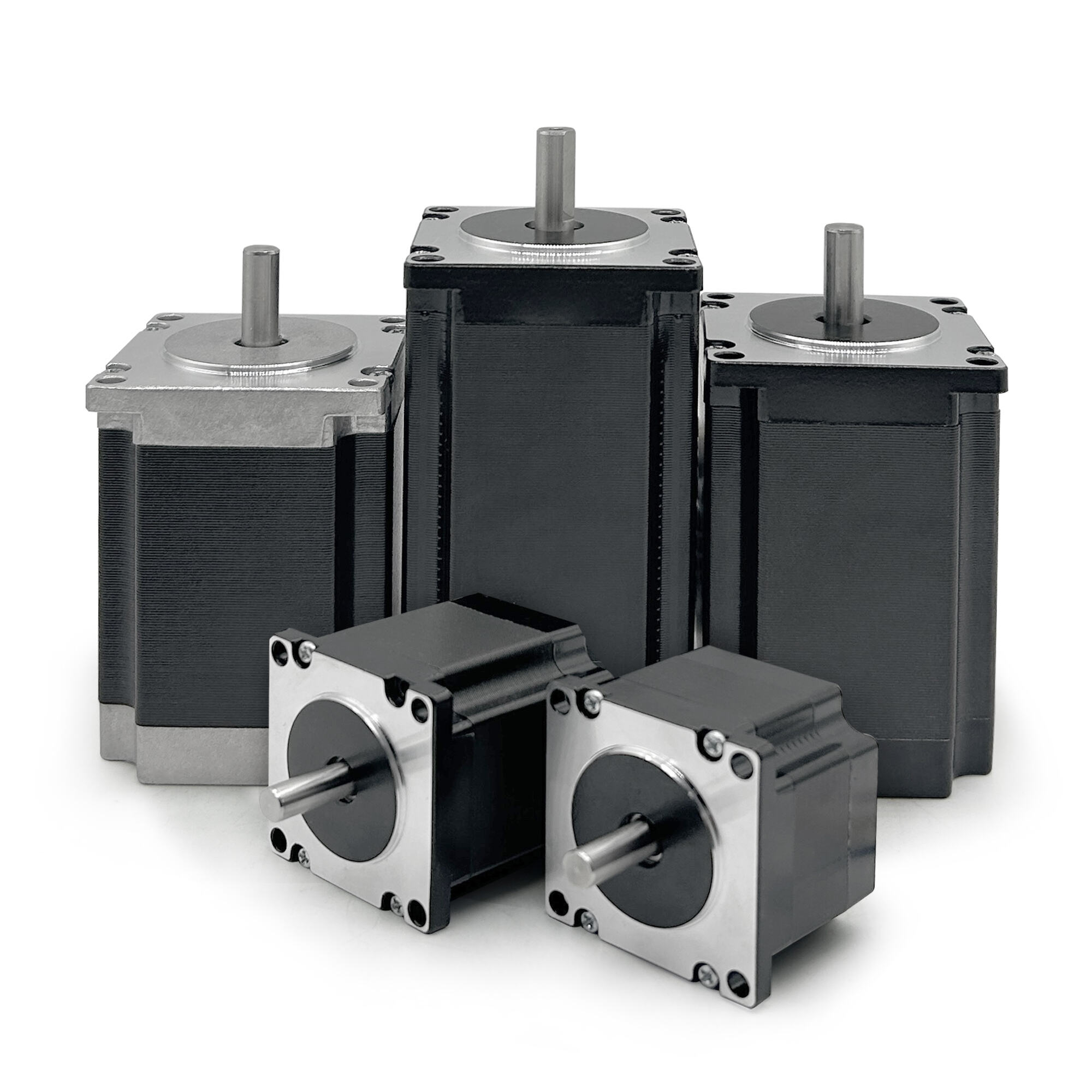
NEMA 23 specifications represent an exceptional balance of performance capabilities and economic value, delivering professional-grade automation solutions at costs that make advanced technology accessible across diverse market segments and application scales. The economic advantages begin with competitive initial pricing driven by widespread adoption, mature manufacturing processes, and healthy competition among multiple suppliers who produce NEMA 23 compliant motors. This market dynamic ensures that businesses can access high-quality stepper motor technology without premium pricing typically associated with specialized or proprietary solutions. The operational cost benefits compound over time through energy-efficient designs that minimize power consumption during both active operation and holding positions, reducing electrical costs and cooling requirements in installation environments. Maintenance cost advantages emerge from the robust construction standards mandated by NEMA 23 specifications, including sealed bearing systems, optimized magnetic circuits, and durable winding techniques that extend operational lifespan well beyond 10 million step cycles under normal operating conditions. The standardized nature of NEMA 23 specifications eliminates expensive custom engineering, specialized tooling, and unique installation procedures that inflate total project costs. Compatible accessories, including drivers, encoders, gearboxes, and mounting hardware, benefit from economies of scale and competitive pricing that further reduce total system costs. Inventory management becomes more efficient as standardized NEMA 23 motors can serve multiple applications, reducing stock complexity and carrying costs while improving parts availability. The reliability inherent in NEMA 23 specifications translates to reduced downtime costs, as proven designs minimize unexpected failures and associated production losses. Total cost of ownership calculations consistently favor NEMA 23 implementations due to combined advantages of reasonable acquisition costs, minimal maintenance requirements, energy efficiency, and extended service life. Return on investment accelerates through productivity improvements enabled by precise automation capabilities, consistent performance, and reduced manual intervention requirements. The resale value of equipment incorporating NEMA 23 specifications remains strong due to universal compatibility and continued industry acceptance. Future upgrade costs are minimized through evolutionary improvements within the NEMA 23 framework that maintain backward compatibility while enhancing performance capabilities. Training costs decrease as technicians familiar with NEMA 23 specifications can immediately work with any compliant system, reducing learning curves and improving operational efficiency across multiple installations.