NEMA 23 Stepper Motor Voltage: Complete Guide to Specifications, Benefits & Applications

Get a Free Quote

Our representative will contact you soon.
Email
Name
Company Name
WhatsApp
Mobile
Message
0/1000

nema 23 stepper motor voltage

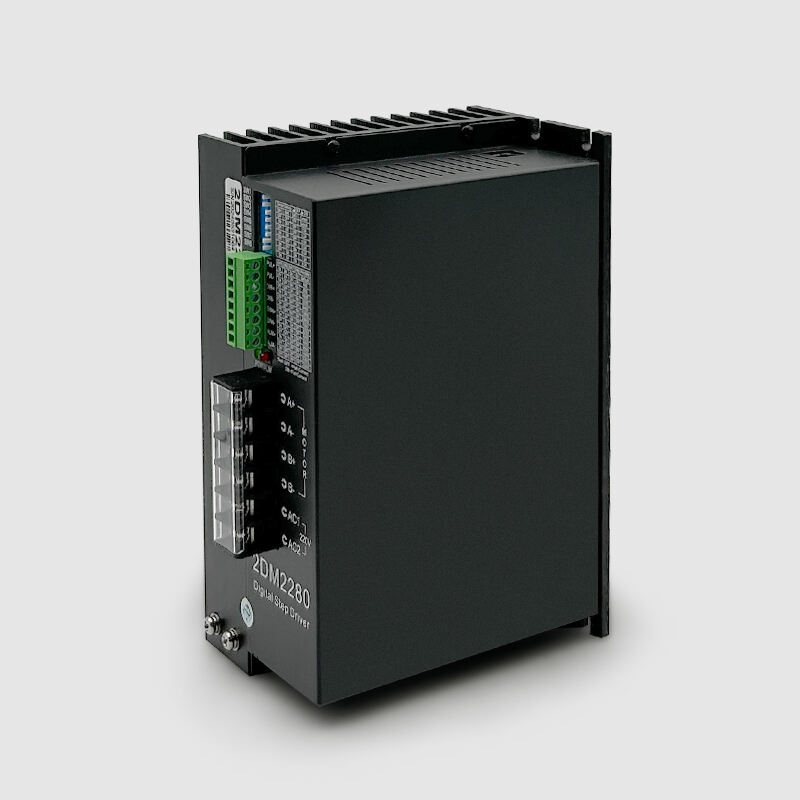
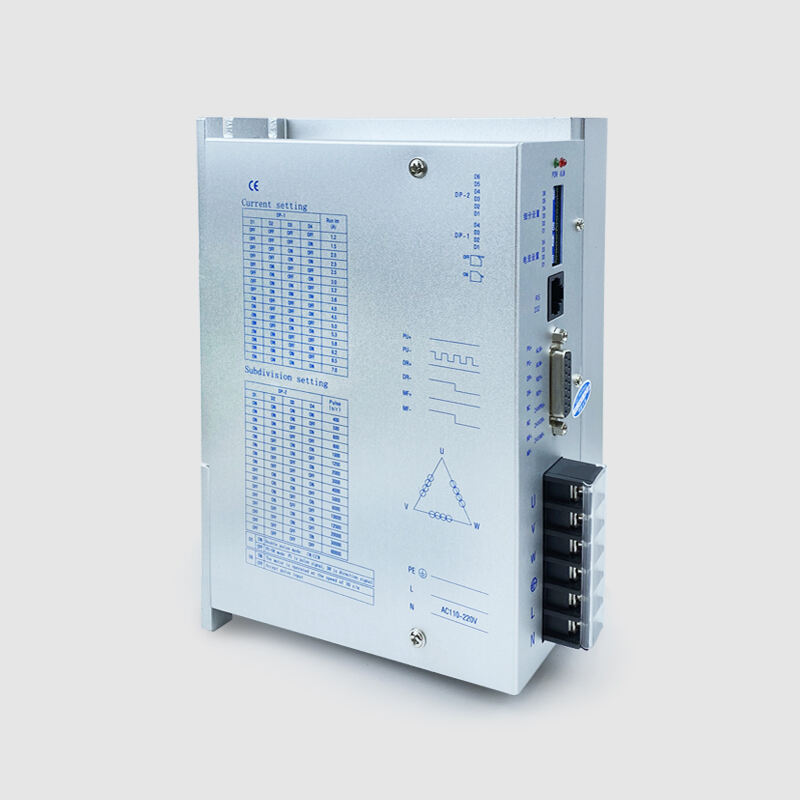
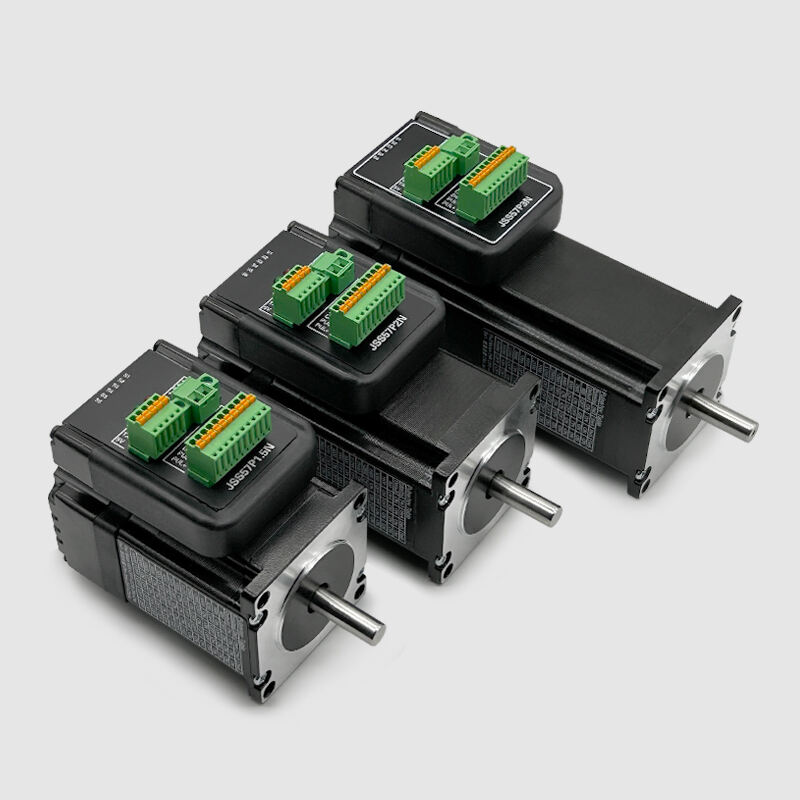
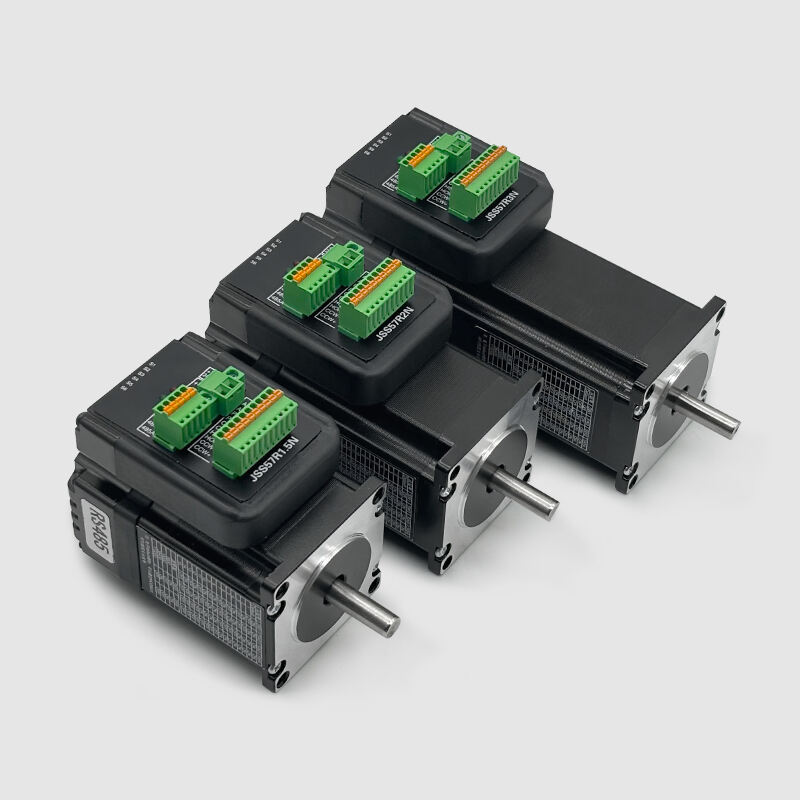
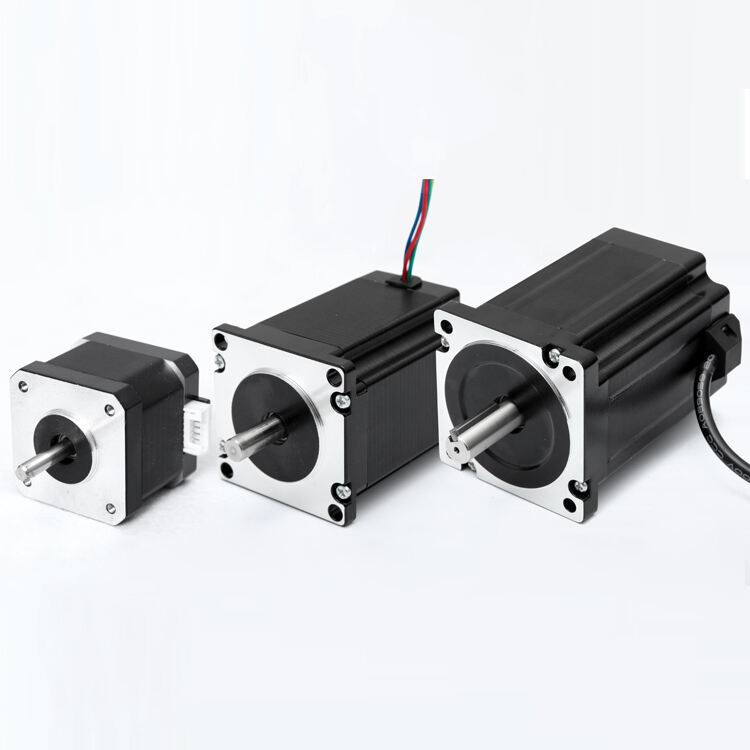
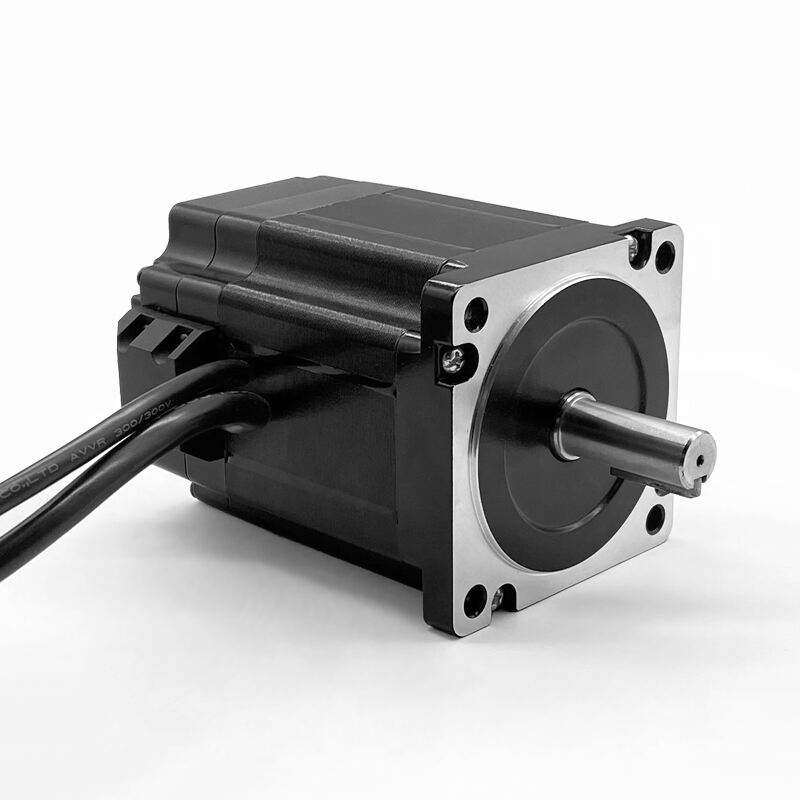
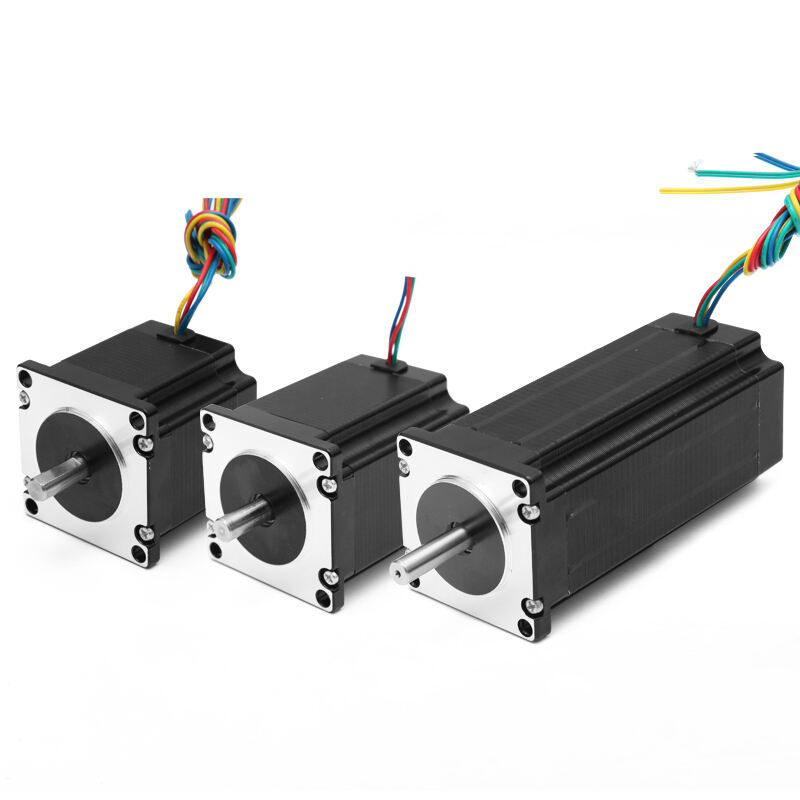
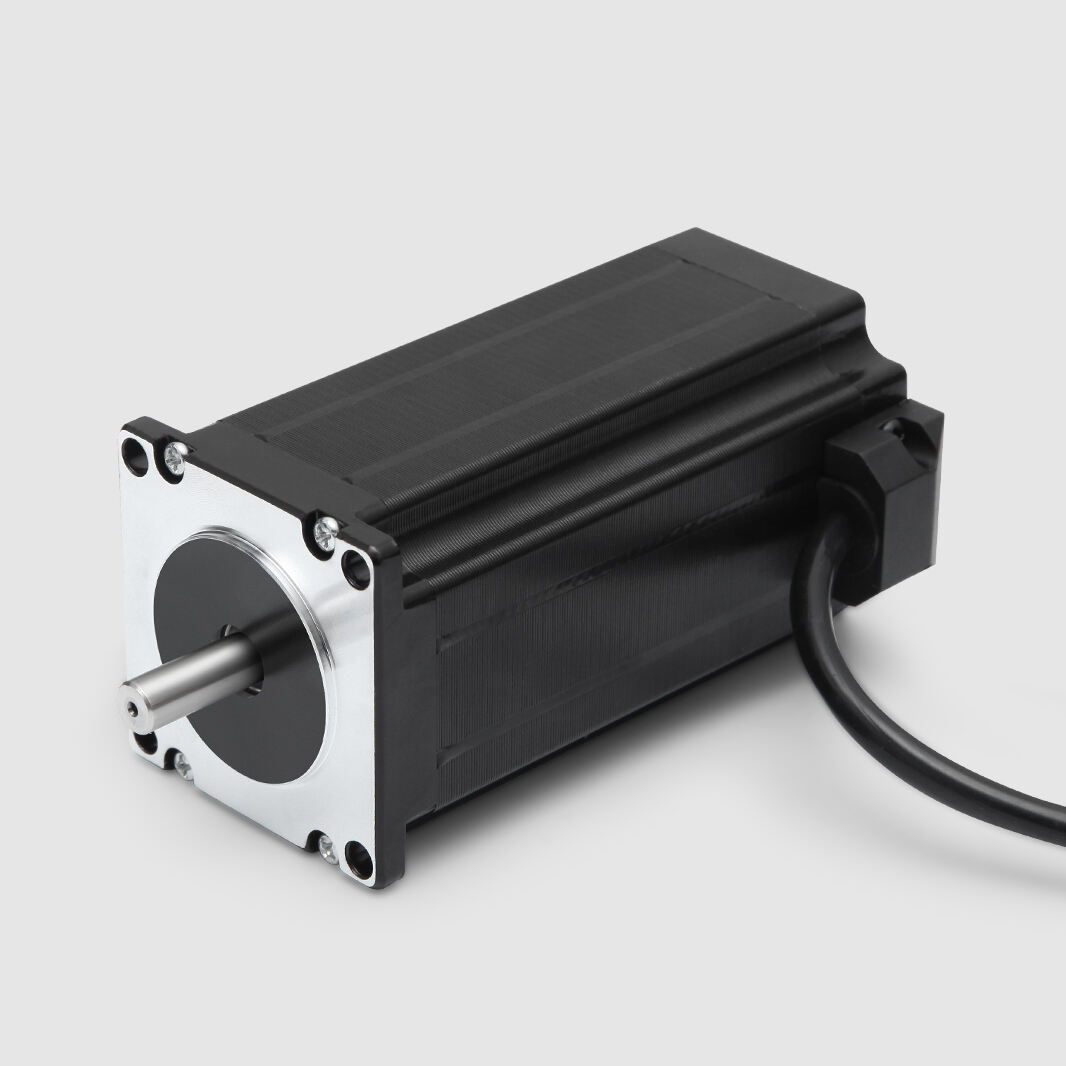
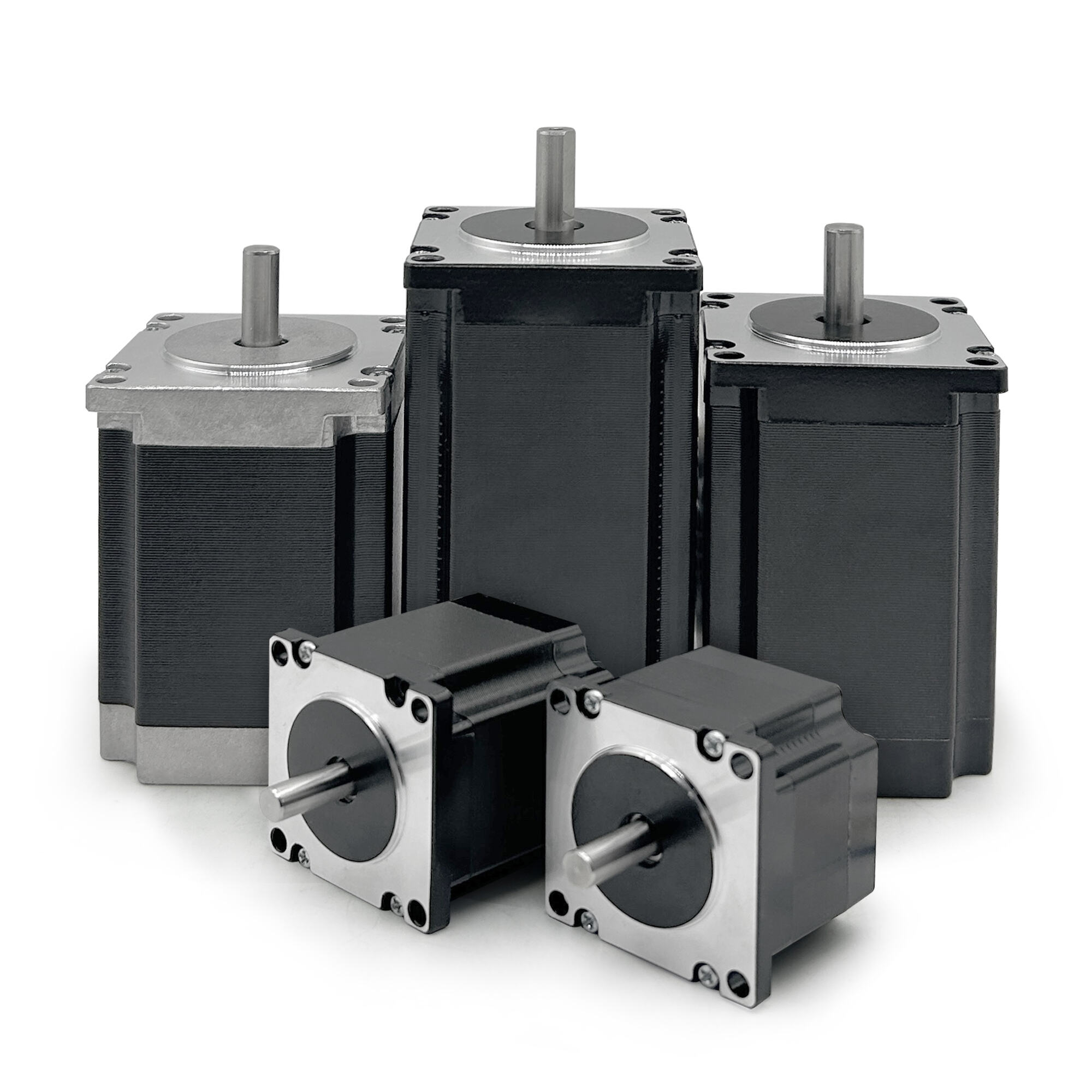
The nema 23 stepper motor voltage represents a critical specification that determines the operational characteristics and performance capabilities of these widely-used precision motors. NEMA 23 stepper motors typically operate within voltage ranges from 12V to 48V DC, with some specialized variants supporting higher voltages up to 75V. The voltage rating directly influences the motor's torque output, speed capabilities, and overall efficiency in various applications. Understanding the nema 23 stepper motor voltage requirements is essential for proper system integration and optimal performance. These motors feature a standardized 2.3-inch square faceplate design, making them compatible with numerous mounting configurations and mechanical systems. The voltage specification works in conjunction with the motor's current rating to determine power consumption and heat generation characteristics. Higher voltage ratings generally enable faster stepping rates and improved high-speed torque retention, while lower voltages may provide smoother operation at reduced speeds. The nema 23 stepper motor voltage compatibility extends across multiple driver types, including microstepping drivers, chopper drives, and constant current drivers. Each voltage level offers distinct advantages for specific applications, from precise positioning systems to robust industrial automation equipment. The motor's bipolar or unipolar winding configuration affects how the nema 23 stepper motor voltage is applied and distributed across the coils. Modern NEMA 23 stepper motors incorporate advanced magnetic materials and optimized winding designs to maximize efficiency at their rated voltage levels. The voltage selection impacts the motor's ability to overcome load inertia and maintain accurate positioning under varying operating conditions. Temperature compensation features in quality motors help maintain consistent performance across the specified nema 23 stepper motor voltage range, ensuring reliable operation in demanding environments.

New Product Recommendations

The nema 23 stepper motor voltage offers numerous practical benefits that make these motors exceptionally valuable for precision motion control applications. First, the standardized voltage ranges provide excellent compatibility with existing power supplies and control systems, reducing integration costs and complexity. Users can easily match their nema 23 stepper motor voltage requirements with readily available switching power supplies, eliminating the need for custom power solutions. The voltage flexibility allows engineers to optimize performance for specific applications by selecting appropriate voltage levels that balance speed, torque, and efficiency requirements. Higher voltage operations enable the nema 23 stepper motor voltage systems to achieve faster acceleration rates and maintain torque at elevated speeds, crucial for high-throughput manufacturing processes. The standardized voltage specifications ensure consistent performance characteristics across different manufacturers, providing design engineers with reliable performance predictions and simplified sourcing options. Lower voltage variants of nema 23 stepper motor voltage systems offer improved safety margins in portable or battery-powered applications while maintaining adequate torque for lighter loads. The voltage scalability supports both entry-level hobbyist projects and demanding industrial applications, making these motors versatile solutions for diverse market segments. Efficient voltage utilization in modern nema 23 stepper motor voltage designs results in reduced heat generation, extending motor lifespan and reducing cooling requirements. The ability to operate effectively across wide voltage ranges provides operational flexibility in applications with varying power supply conditions. Multiple voltage options allow cost optimization by selecting the most economical voltage level that meets performance requirements without over-engineering the system. The nema 23 stepper motor voltage compatibility with both linear and switching power supplies offers design flexibility and enables energy-efficient operation. Additionally, the standardized voltage ratings facilitate easy replacement and upgrades without requiring extensive system modifications, reducing maintenance costs and minimizing downtime in critical applications.

Latest News

Why monitor voltage ripple when selecting a stepper driver for 3D printers?

26

Sep

Why monitor voltage ripple when selecting a stepper driver for 3D printers?

Understanding Voltage Ripple Impact on 3D Printer Performance The success of any 3D printing project heavily depends on the precision and reliability of the printer's motion control system. At the heart of this system lies the stepper motor driver, w...
View More
AC Servo Motor Selection: Key Factors for Optimal Performance

20

Oct

AC Servo Motor Selection: Key Factors for Optimal Performance

Understanding the Fundamentals of Modern Motion Control Systems In the evolving landscape of industrial automation, ac servo motors have emerged as the cornerstone of precise motion control. These sophisticated devices combine advanced electromagneti...
View More
Servo Motor vs Stepper Motor: Key Differences Explained

27

Nov

Servo Motor vs Stepper Motor: Key Differences Explained

In the world of industrial automation and precision motion control, understanding the distinction between servo motors and stepper motors is crucial for engineers and system designers. A servo motor represents the pinnacle of precise motion control, ...
View More
10 Benefits of Brushless DC Motors in Modern Industry

12

Dec

10 Benefits of Brushless DC Motors in Modern Industry

Industrial automation continues to evolve at an unprecedented pace, driving demand for more efficient and reliable motor technologies. Among the most significant advancements in this field is the widespread adoption of brushless dc motor systems, whi...
View More

Get a Free Quote

Our representative will contact you soon.
Email
Name
Company Name
WhatsApp
Mobile
Message
0/1000

nema 23 stepper motor voltage

Precision Torque Control Across Multiple Voltage Levels

Precision Torque Control Across Multiple Voltage Levels

The nema 23 stepper motor voltage system delivers exceptional precision torque control that adapts seamlessly to various voltage inputs, providing engineers with unprecedented flexibility in motion control applications. This advanced voltage management capability ensures consistent torque output regardless of minor voltage fluctuations in the power supply, making it ideal for applications requiring precise positioning accuracy. The motor's sophisticated electromagnetic design optimizes the relationship between the nema 23 stepper motor voltage and torque generation, enabling users to fine-tune performance characteristics for specific load requirements. At lower voltage levels, the motor provides smooth, quiet operation with excellent low-speed torque characteristics, perfect for applications requiring delicate positioning or noise-sensitive environments. Higher voltage operations unlock the motor's full torque potential, delivering robust performance for demanding applications involving heavy loads or rapid acceleration requirements. The voltage-torque relationship in nema 23 stepper motor voltage systems is carefully engineered to maintain linear performance characteristics across the entire operating range, ensuring predictable behavior in closed-loop control systems. This precision extends to microstepping applications where the nema 23 stepper motor voltage control enables ultra-smooth motion with resolution improvements up to 256 microsteps per full step. The motor's ability to maintain holding torque at various voltage levels provides excellent positional stability, even when subjected to external disturbances or varying load conditions. Advanced thermal management integrated into the nema 23 stepper motor voltage design prevents performance degradation due to temperature variations, ensuring consistent torque delivery throughout extended operation periods. The voltage optimization features allow system designers to balance power consumption with performance requirements, achieving energy-efficient operation without compromising precision or reliability in critical positioning applications.
Universal Driver Compatibility and Integration Benefits

Universal Driver Compatibility and Integration Benefits

The nema 23 stepper motor voltage architecture provides exceptional compatibility with a vast array of stepper motor drivers and control systems, significantly simplifying integration processes and reducing development time for motion control projects. This universal compatibility stems from the motor's adherence to industry-standard voltage specifications and electrical characteristics, ensuring seamless operation with both basic and advanced driver technologies. The nema 23 stepper motor voltage system works efficiently with constant voltage drivers, constant current drivers, and sophisticated microstepping controllers, providing engineers with maximum flexibility in selecting control electronics based on performance requirements and budget considerations. The standardized voltage interface eliminates compatibility concerns when upgrading from basic full-step drivers to advanced microstepping controllers, allowing system evolution without motor replacement. Modern nema 23 stepper motor voltage designs incorporate built-in protection features that safeguard both the motor and driver electronics from voltage spikes, reverse polarity, and overcurrent conditions, enhancing system reliability and reducing maintenance requirements. The motor's voltage characteristics are optimized for both bipolar and unipolar driver configurations, providing design flexibility for various control topologies and enabling cost-effective solutions for different application requirements. Integration benefits extend to software compatibility, as the standardized nema 23 stepper motor voltage specifications ensure consistent behavior across different control platforms and programming environments. The motor's electrical characteristics support both open-loop and closed-loop control implementations, allowing designers to choose the most appropriate control strategy for their specific accuracy and feedback requirements. Communication protocols commonly used with nema 23 stepper motor voltage systems include step/direction, pulse train, and serial communication interfaces, ensuring compatibility with industrial automation systems, CNC controllers, and embedded computing platforms. The voltage standardization facilitates rapid prototyping and system scaling, as proven motor-driver combinations can be replicated across multiple projects with confidence in performance consistency and reliability.

Energy Efficiency and Thermal Performance Optimization

Energy Efficiency and Thermal Performance Optimization

The nema 23 stepper motor voltage system incorporates advanced energy efficiency technologies that significantly reduce power consumption while maintaining superior performance characteristics, delivering substantial cost savings and environmental benefits for continuous operation applications. The optimized voltage utilization in these motors minimizes resistive losses through carefully designed winding configurations and advanced magnetic materials that maximize flux density per unit of electrical input. This efficiency improvement in nema 23 stepper motor voltage systems translates directly to reduced heat generation, extending motor lifespan and eliminating the need for additional cooling systems in most applications. The motor's thermal management capabilities are enhanced by the efficient voltage conversion, allowing sustained operation at higher torque levels without exceeding critical temperature thresholds that could compromise performance or reliability. Advanced nema 23 stepper motor voltage designs incorporate temperature-compensated characteristics that maintain consistent performance across wide operating temperature ranges, ensuring reliable operation in challenging industrial environments. The energy efficiency benefits extend beyond the motor itself, as reduced power consumption decreases demands on power supplies and supporting electronics, enabling smaller, more cost-effective system designs. Intelligent voltage management features in modern nema 23 stepper motor voltage systems automatically adjust power consumption based on load requirements, further optimizing energy usage during variable duty cycle operations. The thermal performance optimization includes enhanced heat dissipation through improved housing designs and thermal interface materials that efficiently transfer heat away from critical components. Low-loss magnetic materials and precision manufacturing techniques minimize eddy current losses and hysteresis effects, contributing to the overall energy efficiency of the nema 23 stepper motor voltage system. The combination of efficient voltage utilization and superior thermal management enables these motors to operate reliably in enclosed spaces or high-ambient-temperature environments where conventional motors might require forced cooling. Environmental benefits include reduced carbon footprint through lower energy consumption and extended product lifespan, supporting sustainable manufacturing practices and reducing total cost of ownership for end users.
+86-13401517369
[email protected]

Get a Free Quote

Our representative will contact you soon.
Email
Name
Company Name
WhatsApp
Mobile
Message
0/1000

Copyright © 2026 Changzhou Jinsanshi Mechatronics Co., Ltd. All rights reserved.  -  Privacy policy