nema 23 stepper motor
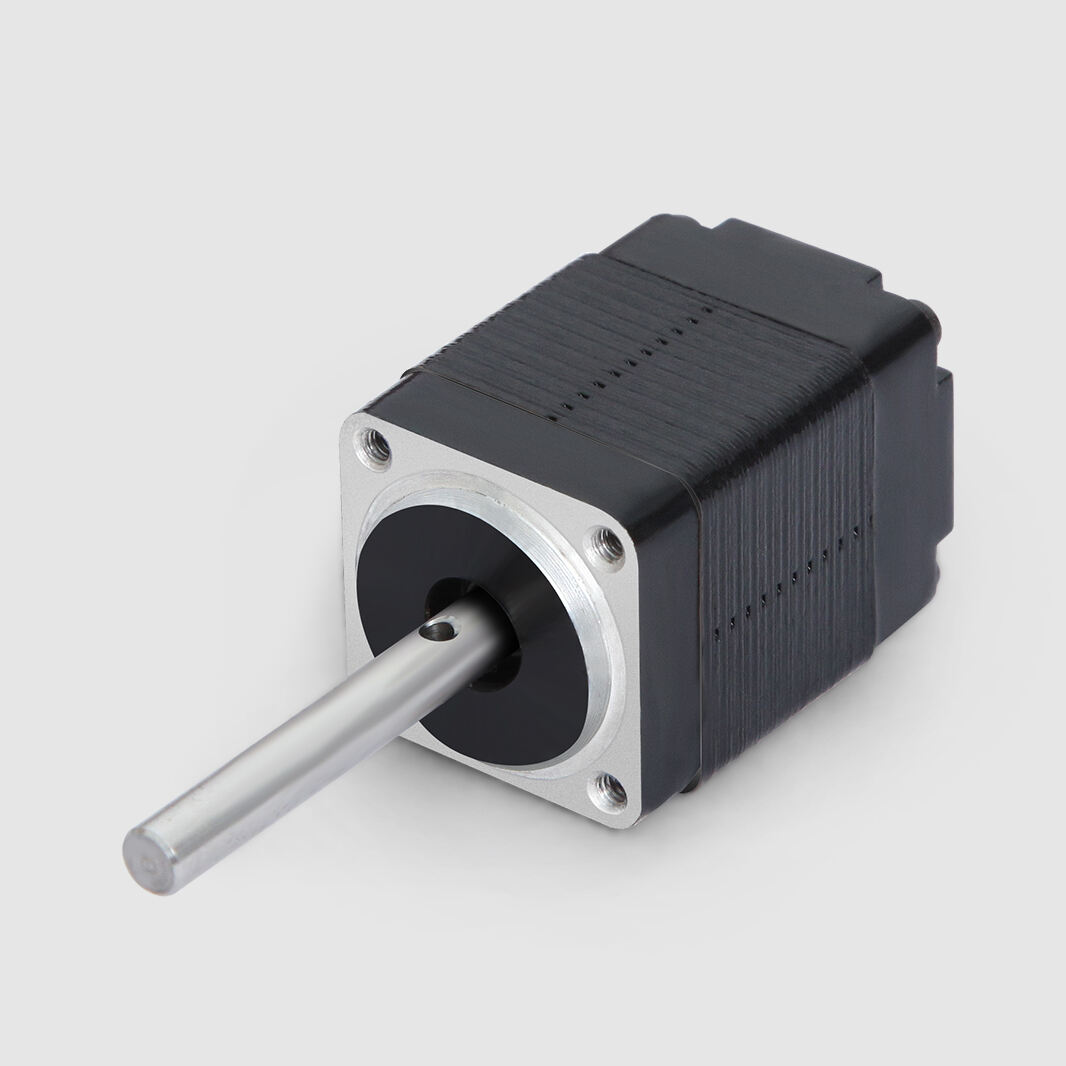
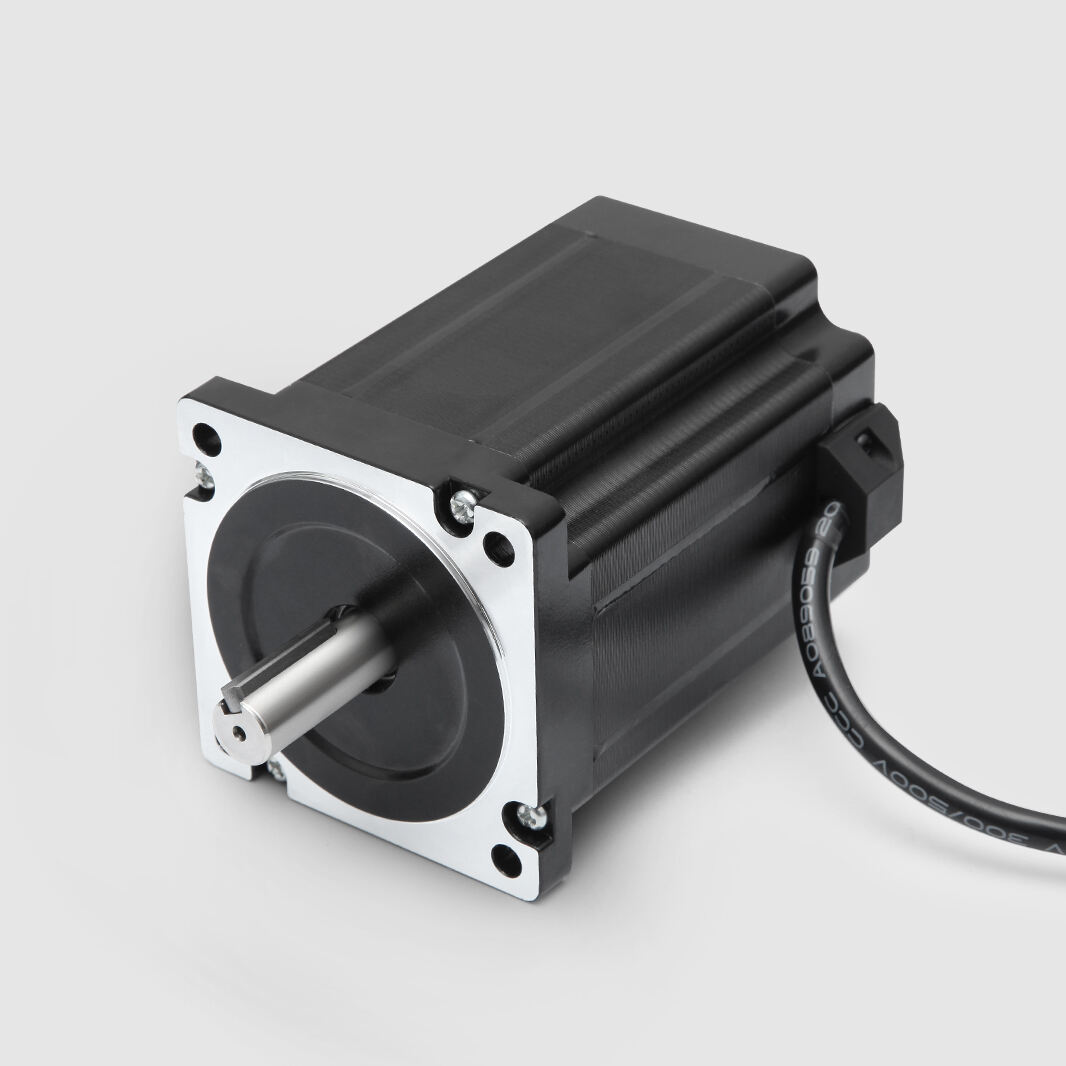
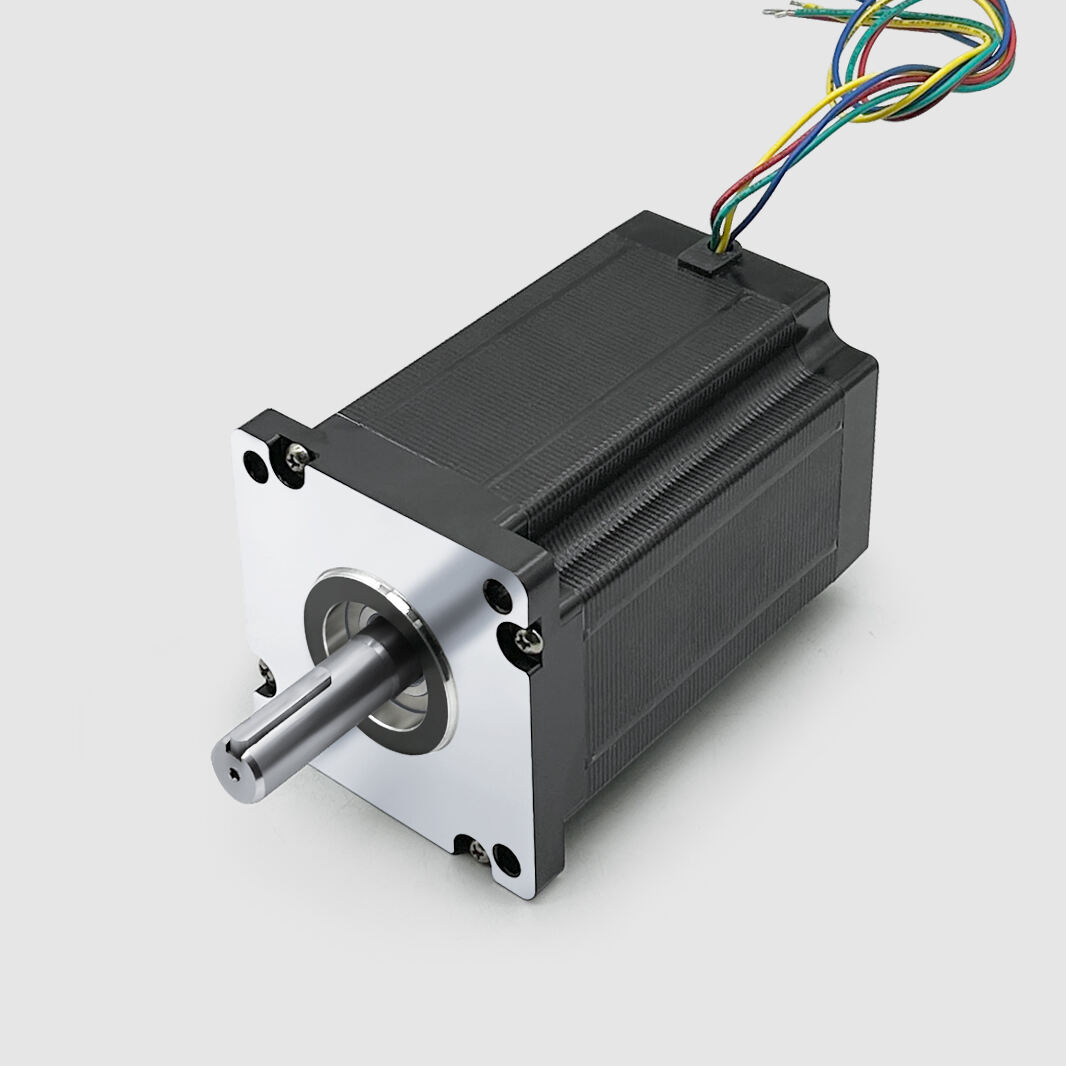
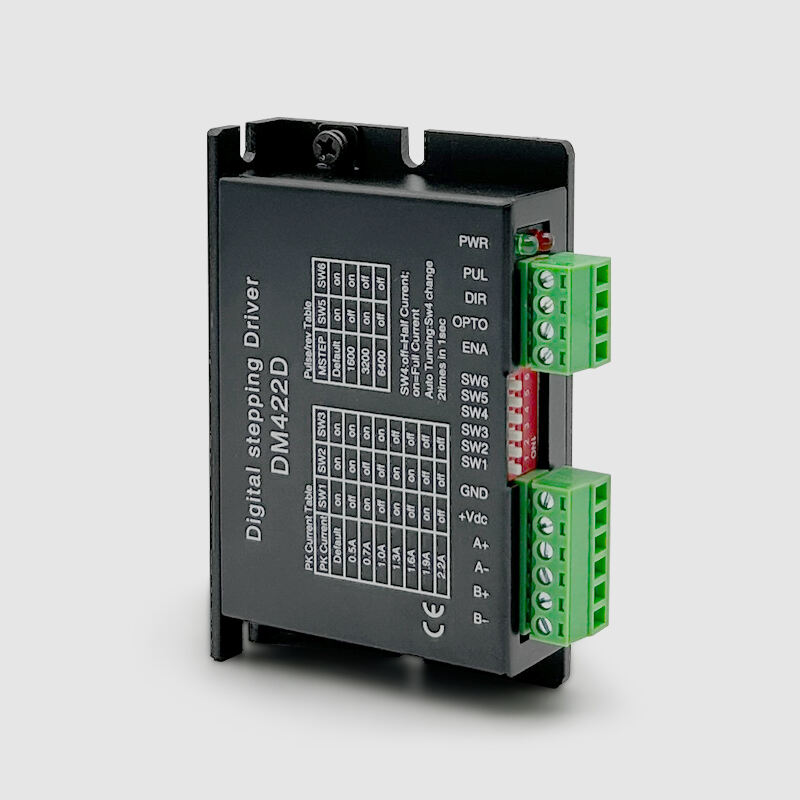
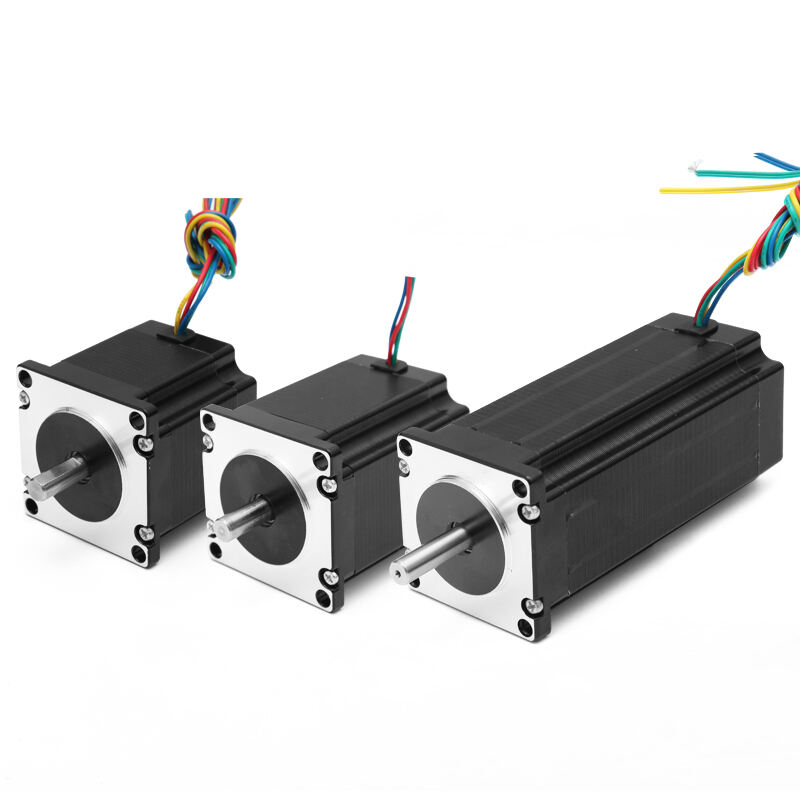
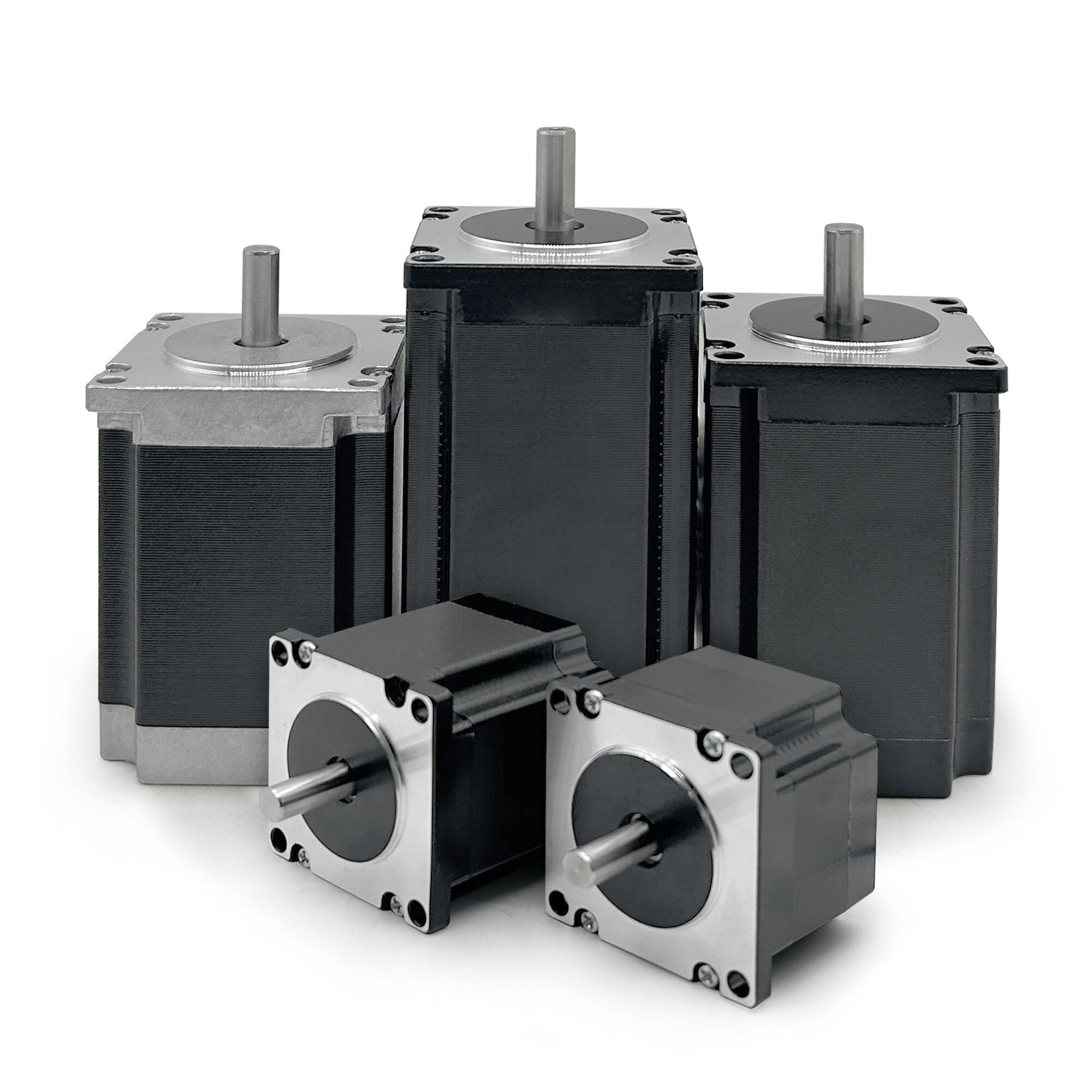
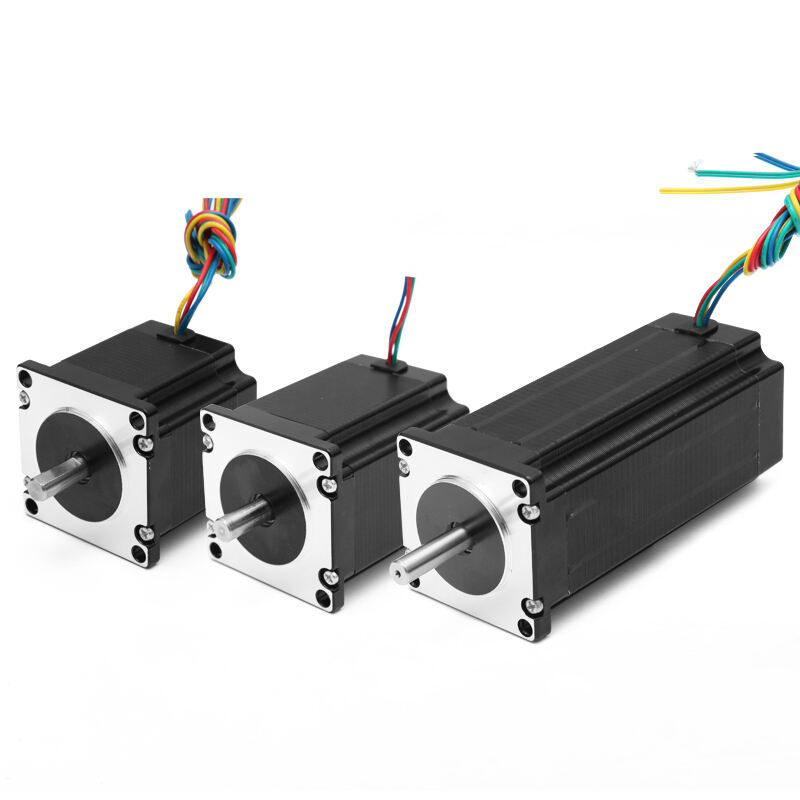
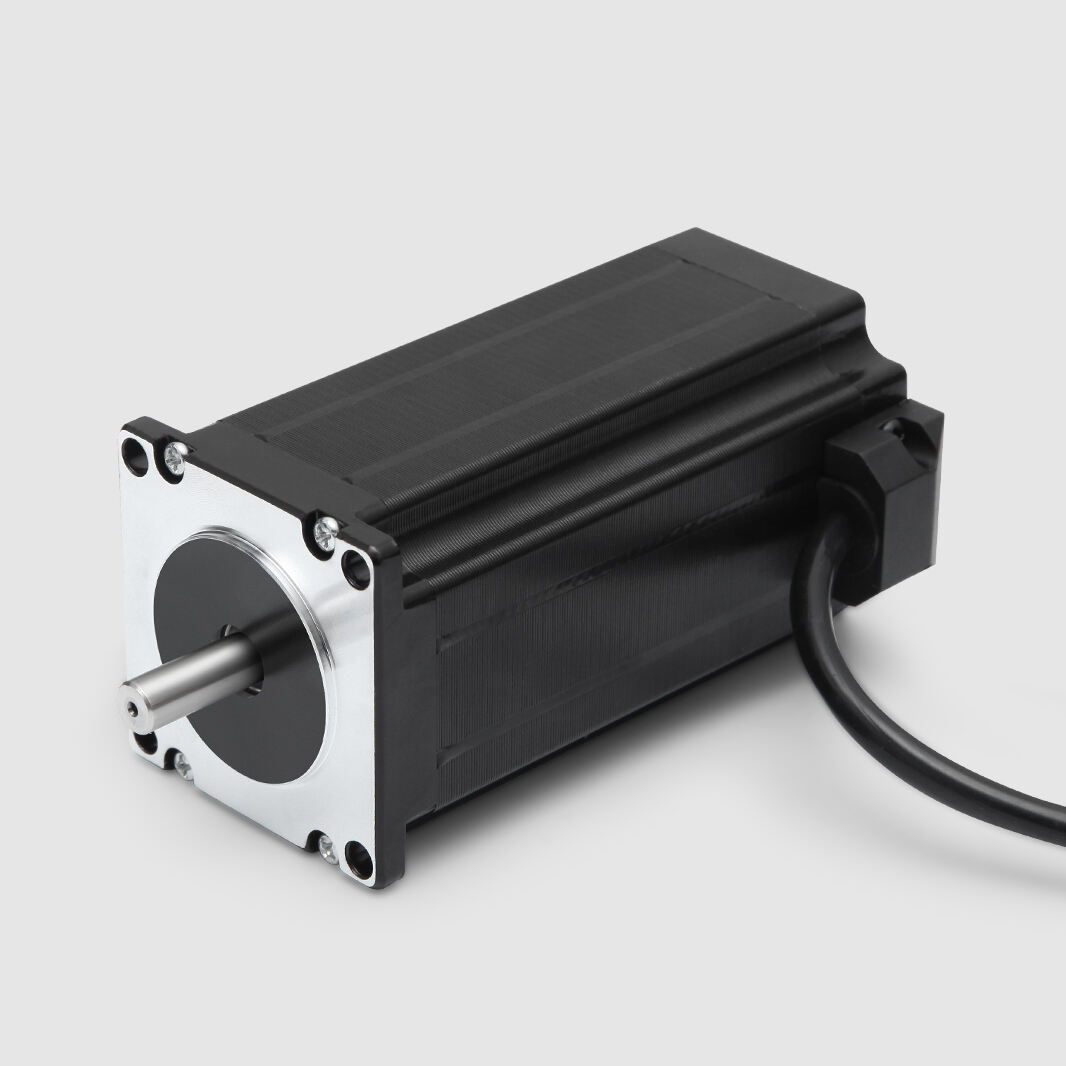
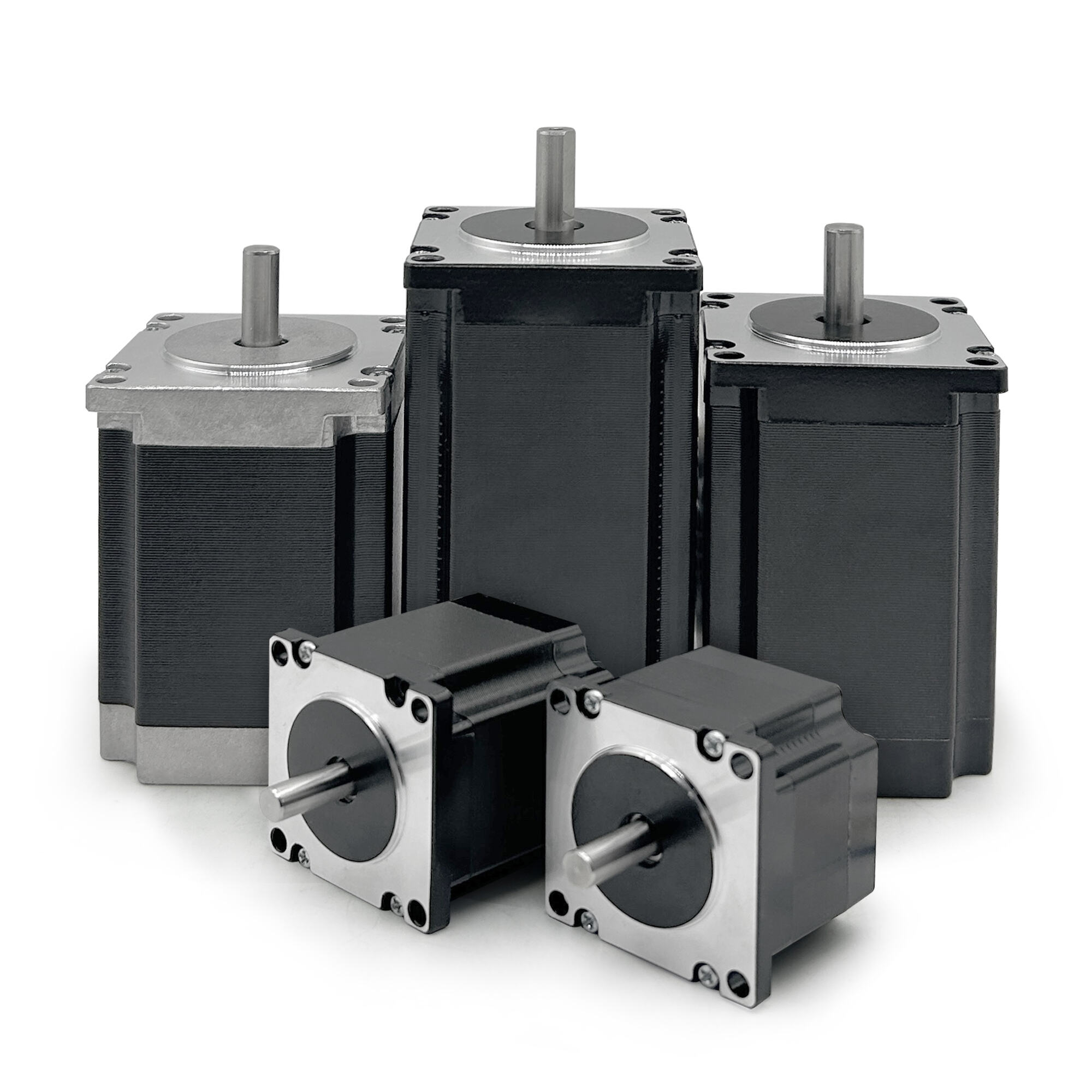
The NEMA 23 stepper motor represents a critical component in modern automation and precision control systems, offering reliable performance for diverse industrial and commercial applications. This standardized motor follows the National Electrical Manufacturers Association (NEMA) specifications, featuring a 2.3-inch square faceplate that defines its physical dimensions and mounting characteristics. The NEMA 23 stepper motor operates through electromagnetic principles, utilizing precise step-by-step rotation controlled by digital pulse signals from external controllers. Each pulse corresponds to a specific angular movement, typically ranging from 0.9 to 1.8 degrees per step, enabling accurate positioning without feedback sensors. The motor's construction includes a permanent magnet rotor surrounded by electromagnetically controlled stator windings that create sequential magnetic fields for controlled rotation. Technologically, the NEMA 23 stepper motor incorporates advanced magnetic materials and precision manufacturing techniques to deliver consistent torque output across various operating speeds. These motors typically generate holding torques between 50 to 425 ounce-inches, making them suitable for applications requiring moderate to high torque demands. The bipolar and unipolar winding configurations provide flexibility in driver selection and control system integration. Modern NEMA 23 stepper motor designs feature enhanced thermal management through optimized winding patterns and heat dissipation structures, allowing continuous operation in demanding environments. The motor's open-loop control capability eliminates the need for position feedback systems, simplifying control circuitry while maintaining exceptional accuracy. Applications span across 3D printing, CNC machining, robotic systems, automated manufacturing equipment, medical devices, and laboratory instrumentation. The NEMA 23 stepper motor excels in applications requiring precise positioning, repeatability, and reliable operation under varying load conditions. Industries including aerospace, automotive, electronics manufacturing, and research facilities rely on these motors for critical positioning tasks where accuracy and reliability are paramount for operational success.