NEMA 23 Stepper Motor RPM: Complete Guide to Performance, Applications & Benefits

Get a Free Quote

Our representative will contact you soon.
Email
Name
Company Name
WhatsApp
Mobile
Message
0/1000

nema 23 stepper motor rpm

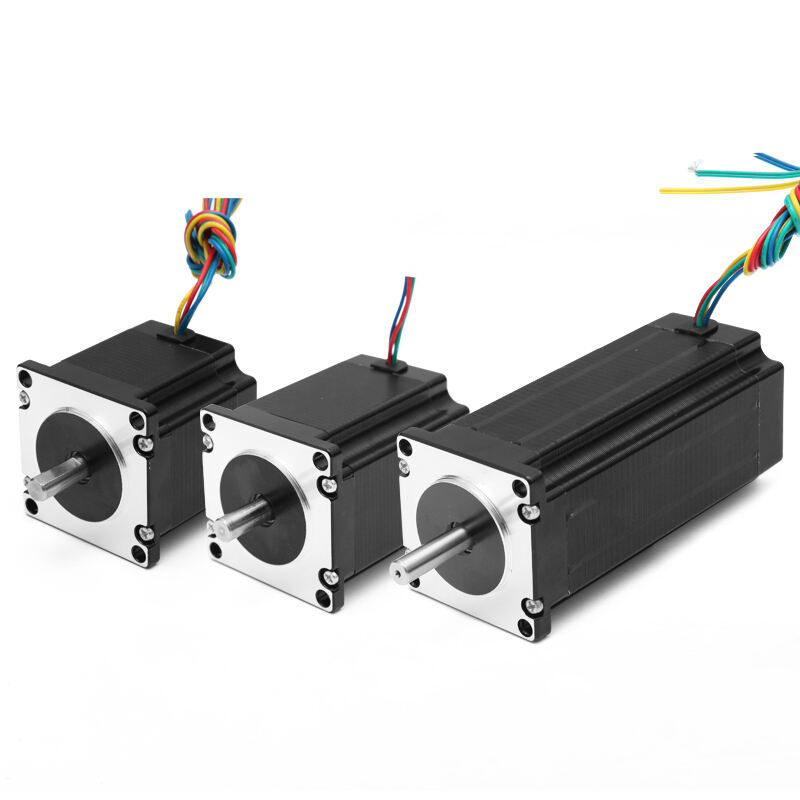
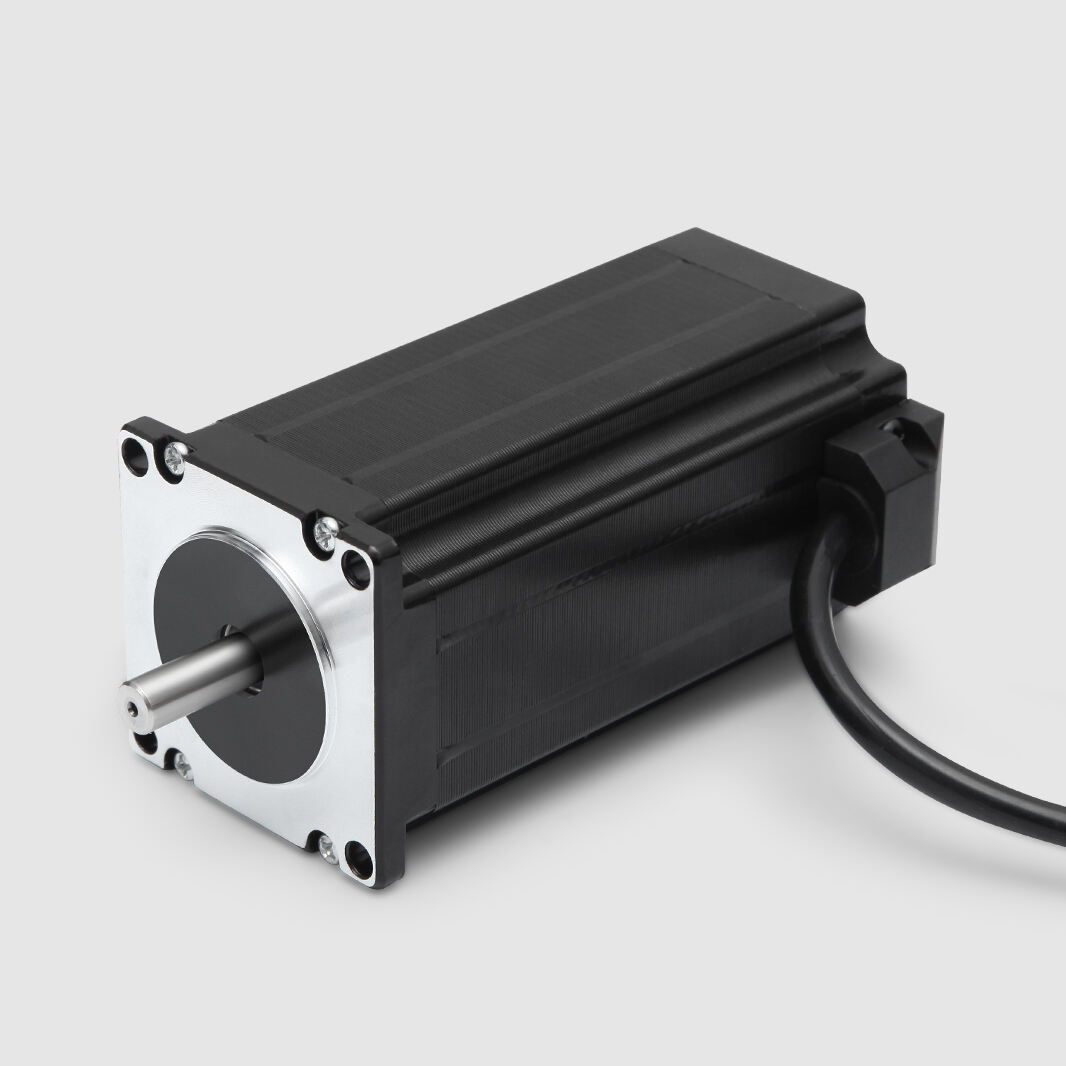
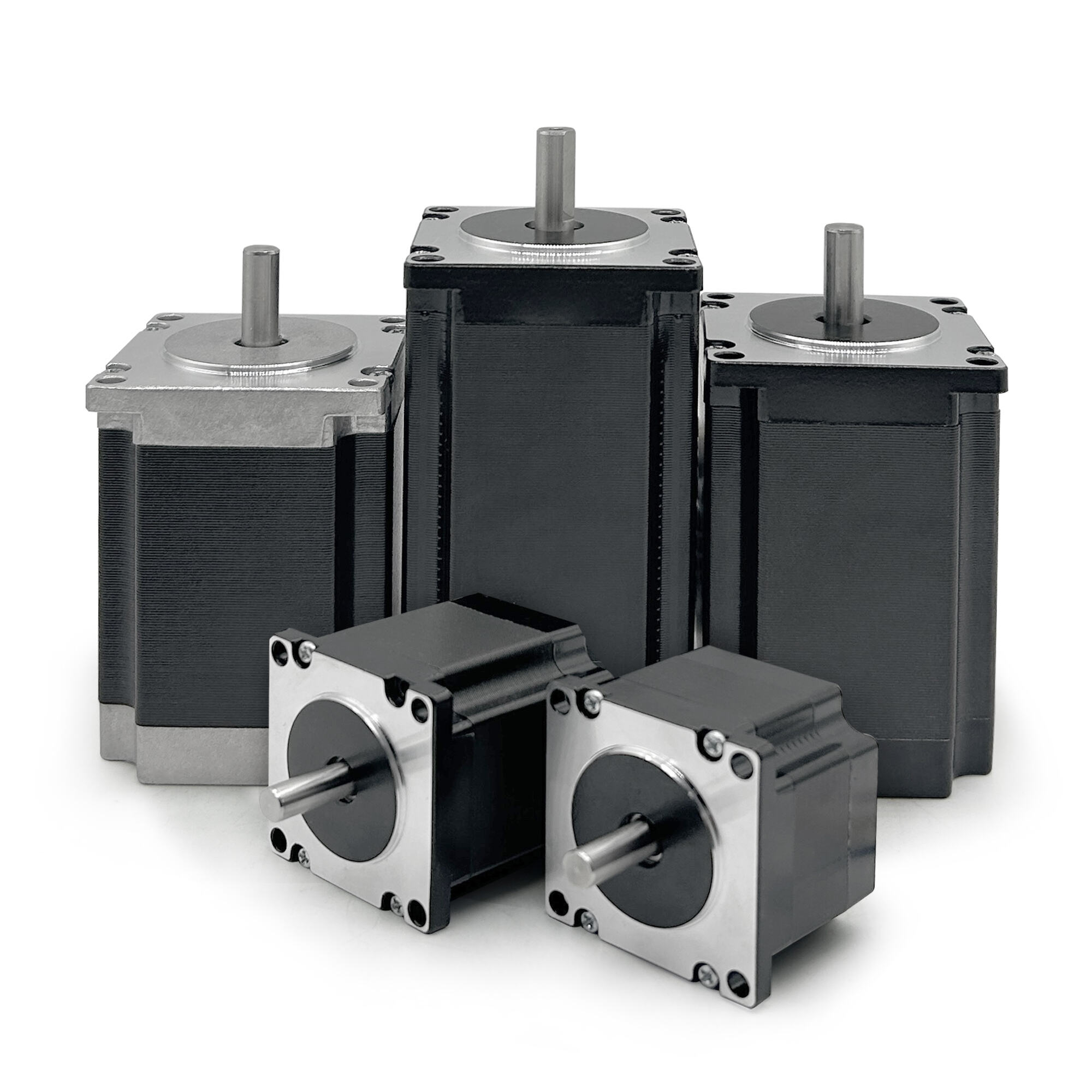
The NEMA 23 stepper motor rpm represents a crucial specification that determines the rotational speed capabilities of these precision motion control devices. NEMA 23 stepper motors are standardized stepping motors with a 2.3-inch square faceplate, offering exceptional torque and positioning accuracy for demanding industrial applications. The rpm rating indicates how many complete revolutions the motor can achieve per minute under specific operating conditions. These motors typically operate within a range of 50 to 3000 rpm, depending on the drive voltage, current settings, and load characteristics. The technological foundation of NEMA 23 stepper motor rpm relies on electromagnetic principles, where precisely timed electrical pulses create discrete angular movements. Each pulse advances the rotor by a fixed step angle, commonly 1.8 degrees for 200-step motors or 0.9 degrees for 400-step configurations. This stepping mechanism enables accurate positioning without requiring feedback sensors, making these motors ideal for open-loop control systems. Key technological features include high holding torque ranging from 1.2 to 4.2 Nm, excellent repeatability within 0.05 degrees, and robust construction suitable for continuous operation. Modern NEMA 23 stepper motors incorporate advanced magnetic materials and optimized winding configurations to maximize efficiency while minimizing heat generation. The rpm performance directly correlates with the motor's torque curve, where higher speeds typically result in reduced available torque. Applications span across CNC machines, 3D printers, automated manufacturing equipment, robotics, packaging machinery, and laboratory automation systems. Medical devices, semiconductor manufacturing, and precision instrumentation also rely heavily on NEMA 23 stepper motor rpm capabilities for critical positioning tasks. The versatility of these motors makes them essential components in industries requiring precise motion control, reliable operation, and cost-effective automation solutions.

New Product Recommendations

NEMA 23 stepper motor rpm offers numerous practical benefits that directly impact operational efficiency and cost-effectiveness for businesses across various industries. The primary advantage lies in precise speed control without requiring complex feedback systems, eliminating the need for expensive encoders or resolvers that traditional servo systems demand. This simplicity reduces initial investment costs while maintaining exceptional positioning accuracy, making NEMA 23 stepper motor rpm an economical choice for budget-conscious projects. The consistent torque delivery at low speeds provides superior starting torque compared to AC motors, enabling reliable operation even with heavy loads from standstill conditions. This characteristic proves invaluable in applications requiring frequent start-stop cycles or holding positions against external forces. Maintenance requirements remain minimal due to the brushless design, which eliminates wear components and extends operational lifespan significantly. The absence of brushes reduces electrical noise and prevents spark generation, making these motors suitable for clean room environments and explosive atmospheres. Energy efficiency represents another compelling advantage, as NEMA 23 stepper motor rpm systems consume power only when moving or holding position, unlike continuously running servo systems. This selective power consumption translates into reduced electricity costs and lower heat generation, improving overall system reliability. The standardized NEMA 23 mounting dimensions ensure compatibility across different manufacturers, providing flexibility in sourcing and replacement scenarios. Users benefit from worldwide availability and competitive pricing due to this standardization. Programming simplicity allows technicians to implement motion control sequences using basic step and direction signals, reducing training requirements and accelerating project deployment. The inherent position retention capability means motors maintain their position even during power outages, providing safety benefits in critical applications. Scalability advantages emerge when multiple NEMA 23 stepper motor rpm units work together in synchronized systems, enabling complex multi-axis motion control without sophisticated coordination hardware. The quiet operation characteristics make these motors suitable for office environments and noise-sensitive applications where traditional motors would be disruptive.

Latest News

AC Servo Motor Selection: Key Factors for Optimal Performance

20

Oct

AC Servo Motor Selection: Key Factors for Optimal Performance

Understanding the Fundamentals of Modern Motion Control Systems In the evolving landscape of industrial automation, ac servo motors have emerged as the cornerstone of precise motion control. These sophisticated devices combine advanced electromagneti...
View More
AC Servo Motor vs. Stepper Motor: Which to Choose?

20

Oct

AC Servo Motor vs. Stepper Motor: Which to Choose?

Understanding Motion Control System Fundamentals In the world of precision motion control and automation, choosing the right motor technology can make or break your application's success. The debate between ac servo motors and stepper motors continue...
View More
2025 BLDC Motor Guide: Types, Benefits & Applications

12

Dec

2025 BLDC Motor Guide: Types, Benefits & Applications

Brushless DC motors have revolutionized modern industrial applications with their superior efficiency, reliability, and precision control capabilities. As we advance into 2025, understanding the intricacies of BLDC motor technology becomes crucial fo...
View More
Brushless DC Motor vs Brushed: Key Differences Explained

12

Dec

Brushless DC Motor vs Brushed: Key Differences Explained

Modern industrial applications increasingly demand precise motion control, efficiency, and reliability from their drive systems. The choice between a brushless DC motor and a traditional brushed motor can significantly impact performance, maintenance...
View More

Get a Free Quote

Our representative will contact you soon.
Email
Name
Company Name
WhatsApp
Mobile
Message
0/1000

nema 23 stepper motor rpm

Superior Torque-to-Speed Performance Optimization

Superior Torque-to-Speed Performance Optimization

The NEMA 23 stepper motor rpm delivers exceptional torque characteristics across its operational speed range, providing users with unmatched performance flexibility for diverse motion control requirements. Unlike conventional motors that experience significant torque drop-off at higher speeds, the NEMA 23 stepper motor rpm maintains substantial holding and dynamic torque levels throughout its operating envelope. This superior torque-to-speed relationship stems from advanced electromagnetic design principles that optimize magnetic flux density and minimize reluctance variations. The motor's ability to deliver peak torque at zero rpm proves particularly valuable for applications requiring high breakaway force or precise positioning under load. As operational speeds increase, the NEMA 23 stepper motor rpm demonstrates a controlled torque decline that remains predictable and manageable, enabling engineers to design systems with confidence in performance parameters. The torque curve characteristics allow for efficient operation across multiple speed zones, from micro-stepping applications requiring ultra-precise positioning to high-speed operations demanding rapid traverse capabilities. This versatility eliminates the need for gear reduction systems in many applications, simplifying mechanical designs while reducing backlash and maintenance requirements. The consistent torque delivery enables smooth acceleration and deceleration profiles, minimizing vibration and mechanical stress on connected components. Advanced driver technologies further enhance the NEMA 23 stepper motor rpm performance by implementing current profiling and micro-stepping algorithms that optimize torque output while reducing resonance effects. The thermal management capabilities ensure sustained torque performance even during extended operation periods, making these motors reliable for continuous duty applications. Quality manufacturing processes guarantee torque consistency between individual motor units, providing predictable system behavior essential for automated manufacturing processes. The standardized performance specifications enable straightforward system scaling and component interchangeability across different suppliers and models.
Exceptional Positioning Accuracy and Repeatability

Exceptional Positioning Accuracy and Repeatability

The NEMA 23 stepper motor rpm achieves outstanding positioning accuracy that surpasses many servo systems while maintaining cost-effectiveness and operational simplicity. This precision capability results from the motor's fundamental stepping mechanism, where each electrical pulse produces a precise angular displacement, typically 1.8 degrees per full step or 0.9 degrees for high-resolution variants. The inherent open-loop accuracy eliminates cumulative positioning errors that plague other motor types, ensuring consistent performance throughout extended operation cycles. Modern micro-stepping drive technologies enhance the NEMA 23 stepper motor rpm resolution to fractions of a degree, achieving positioning accuracies within 0.05 degrees under optimal conditions. This exceptional precision proves essential for applications such as CNC machining, where dimensional tolerances demand consistent repeatability across thousands of positioning cycles. The stepping mechanism's discrete nature prevents the hunting or oscillation behaviors common in closed-loop systems, providing stable final positioning without overshoot concerns. Temperature stability characteristics ensure positioning accuracy remains consistent across varying environmental conditions, making NEMA 23 stepper motor rpm suitable for precision applications in uncontrolled environments. The mechanical construction incorporates precision bearings and balanced rotors that minimize runout and vibration, contributing to overall positioning accuracy. Quality control processes during manufacturing verify step angle accuracy and ensure minimal variation between individual motor units. The absence of encoder drift or calibration issues provides long-term positioning reliability without periodic recalibration requirements. Advanced driver algorithms implement compensation techniques that correct for minor mechanical variations and optimize step timing for maximum accuracy. The predictable positioning behavior enables precise motion planning and trajectory optimization, allowing for complex multi-axis coordination without sophisticated feedback control systems. Integration simplicity allows users to achieve high positioning accuracy without extensive tuning or commissioning procedures, reducing implementation time and technical expertise requirements.
Robust Reliability and Maintenance-Free Operation

Robust Reliability and Maintenance-Free Operation

The NEMA 23 stepper motor rpm demonstrates exceptional reliability characteristics that minimize downtime and reduce total cost of ownership through maintenance-free operation over extended service periods. The brushless design eliminates the primary wear component found in traditional DC motors, preventing brush replacement requirements and associated maintenance scheduling. This fundamental design advantage translates into operational lifespans measured in tens of thousands of hours under normal operating conditions. The sealed bearing systems protect internal components from contamination while providing smooth, consistent rotation throughout the motor's service life. Advanced materials science contributes to the NEMA 23 stepper motor rpm reliability through high-grade electrical steel laminations that resist magnetic degradation and maintain consistent electromagnetic properties over time. The winding insulation systems utilize temperature-resistant materials rated for continuous operation at elevated temperatures, ensuring electrical integrity under demanding thermal conditions. Robust housing construction provides mechanical protection against vibration, shock, and environmental hazards commonly encountered in industrial settings. The inherent overload protection characteristics prevent damage during unexpected load conditions, as the stepping action naturally limits torque output and prevents destructive over-current situations. Quality manufacturing processes implement rigorous testing protocols that verify performance parameters and identify potential reliability issues before product shipment. The standardized construction methods ensure consistent quality across production batches and different manufacturing facilities. Environmental sealing options protect internal components from moisture, dust, and corrosive atmospheres, extending operational life in challenging conditions. The thermal design incorporates efficient heat dissipation features that maintain safe operating temperatures during continuous operation, preventing premature component aging. Electrical protection features built into modern drive systems provide additional safeguards against voltage transients, ground faults, and other electrical disturbances. The proven track record of NEMA 23 stepper motor rpm reliability across diverse industrial applications demonstrates the technology's maturity and dependability for critical motion control requirements.
+86-13401517369
[email protected]

Get a Free Quote

Our representative will contact you soon.
Email
Name
Company Name
WhatsApp
Mobile
Message
0/1000

Copyright © 2026 Changzhou Jinsanshi Mechatronics Co., Ltd. All rights reserved.  -  Privacy policy