nema 23 current rating
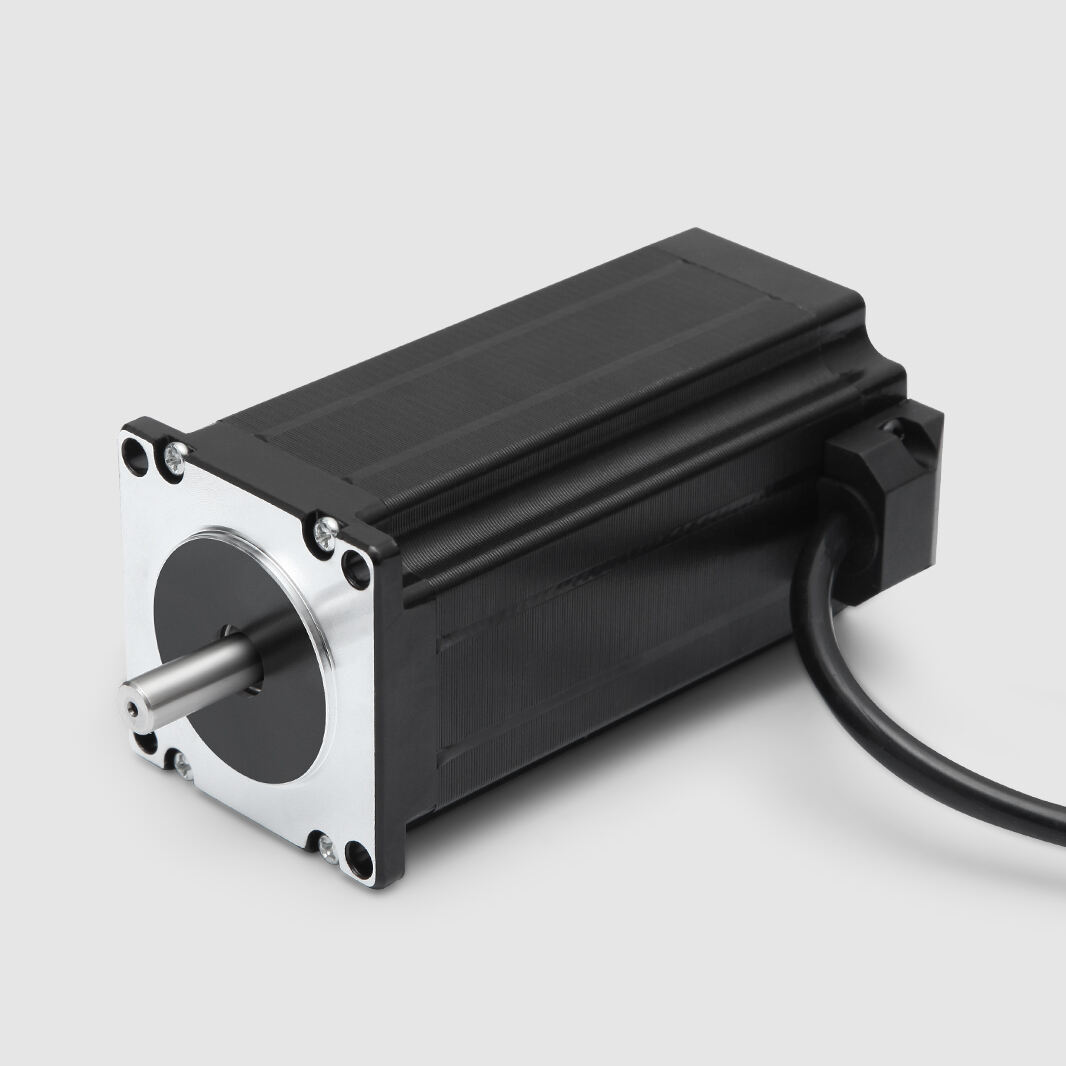
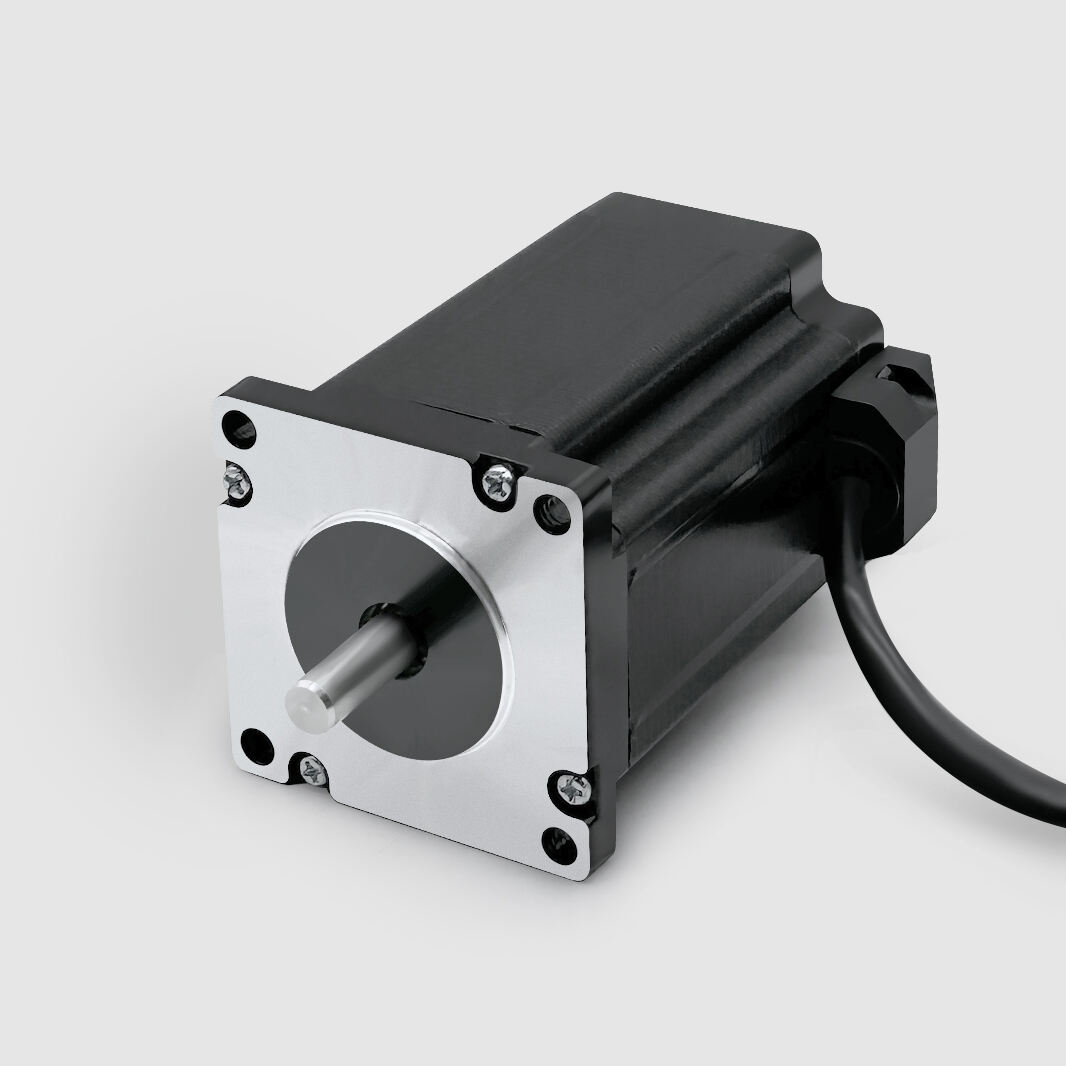
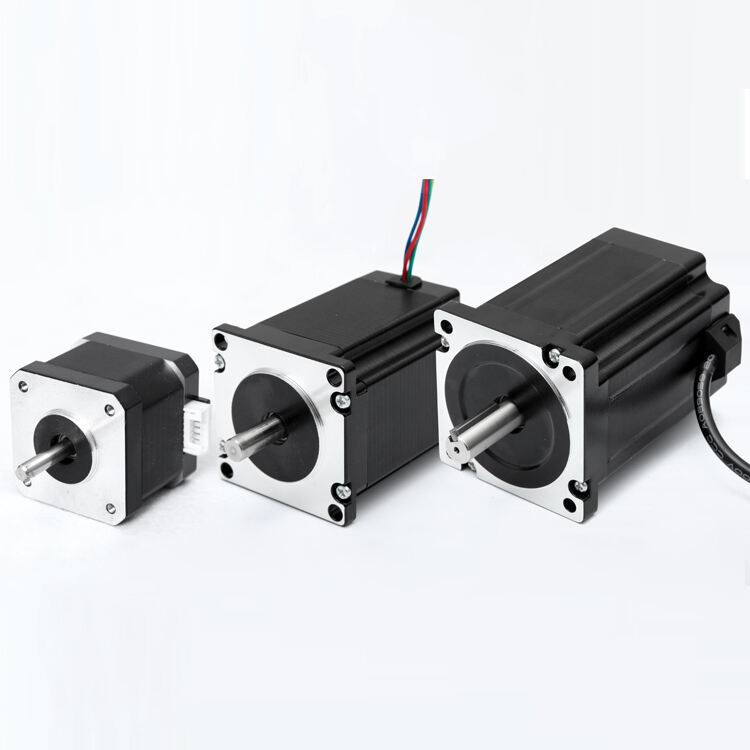
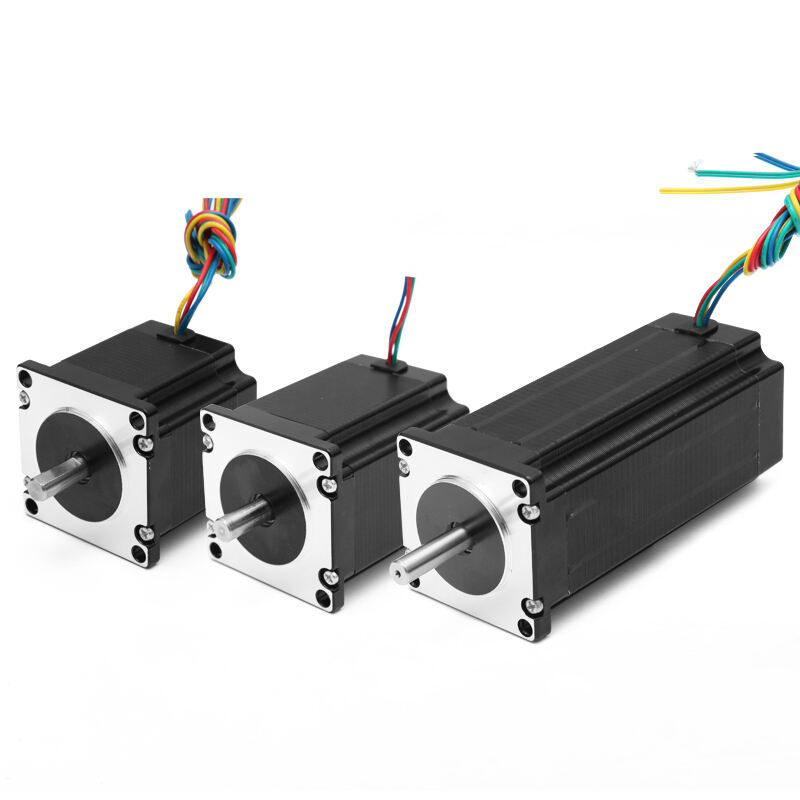
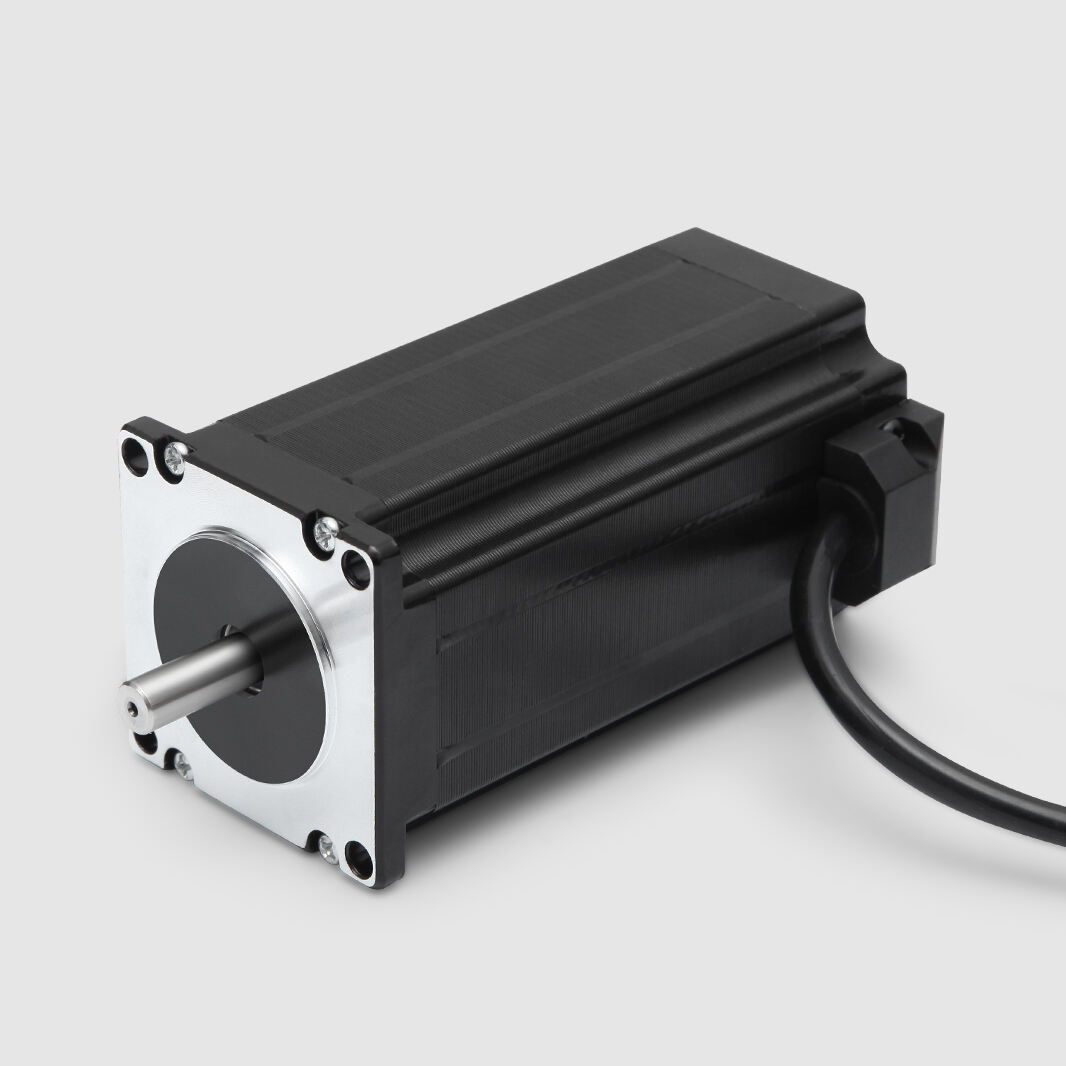
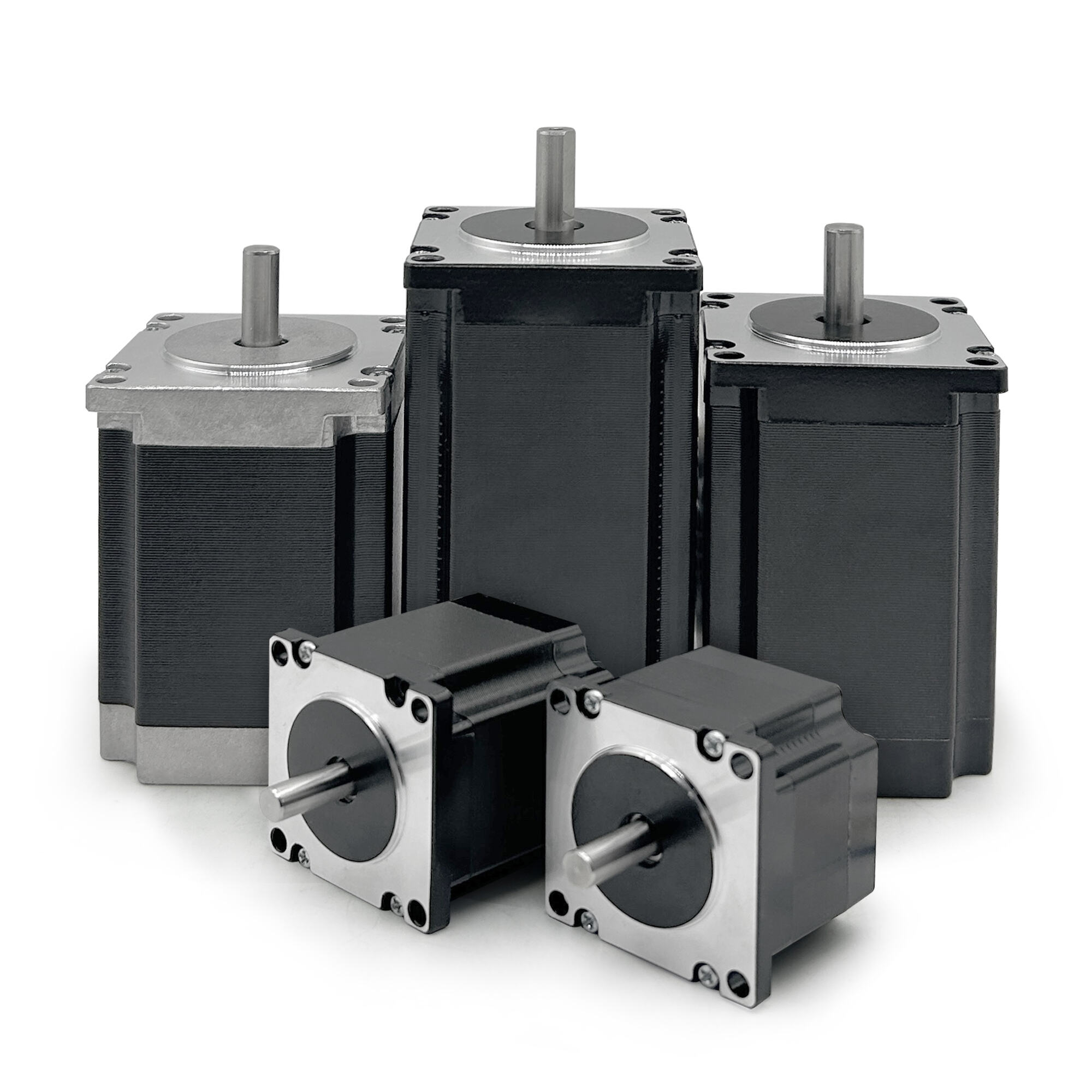
The NEMA 23 current rating represents a standardized specification for stepper motors that defines the electrical characteristics and physical dimensions of these precision motion control devices. NEMA 23 stepper motors typically operate with current ratings ranging from 1.5 to 8 amperes, depending on the specific motor configuration and manufacturer specifications. This current rating directly influences the motor's torque output, operational efficiency, and thermal management requirements. The NEMA 23 form factor features a 2.3-inch square mounting face, making it a popular choice for medium-duty applications requiring reliable positioning and controlled rotation. The current rating specification ensures compatibility across different manufacturers and simplifies system integration for engineers and designers. These motors utilize electromagnetic principles to convert electrical pulses into precise mechanical movements, with the current rating determining the magnetic field strength and resulting torque capabilities. Modern NEMA 23 stepper motors incorporate advanced winding techniques and high-quality magnetic materials to optimize performance within their specified current parameters. The current rating also affects the motor's heat generation, requiring appropriate driver circuits and thermal management strategies. Applications for NEMA 23 current rating motors span across industrial automation, 3D printing, CNC machinery, robotics, and laboratory equipment where precise positioning is essential. The standardized current specifications enable system designers to calculate power requirements, select appropriate driver electronics, and implement proper cooling solutions. Higher current ratings generally provide increased holding torque and dynamic performance, while lower ratings offer reduced power consumption and heat generation. The versatility of NEMA 23 current rating options allows engineers to match motor specifications to specific application requirements, balancing performance needs with energy efficiency considerations. Quality manufacturers provide detailed current versus torque curves and thermal characteristics to support optimal system design and implementation.