Universal Standardization and Interchangeability Benefits
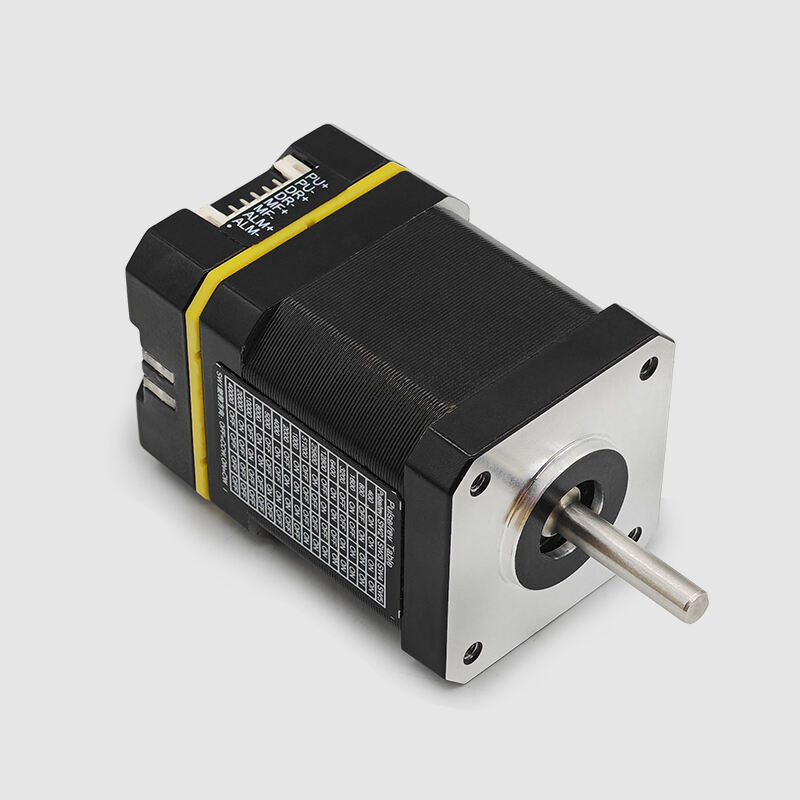
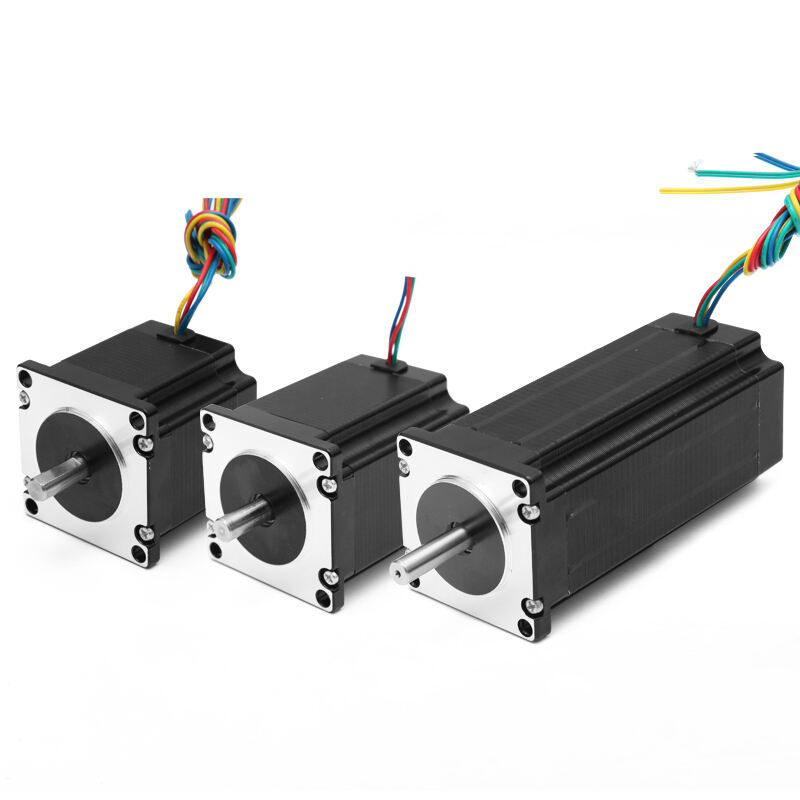
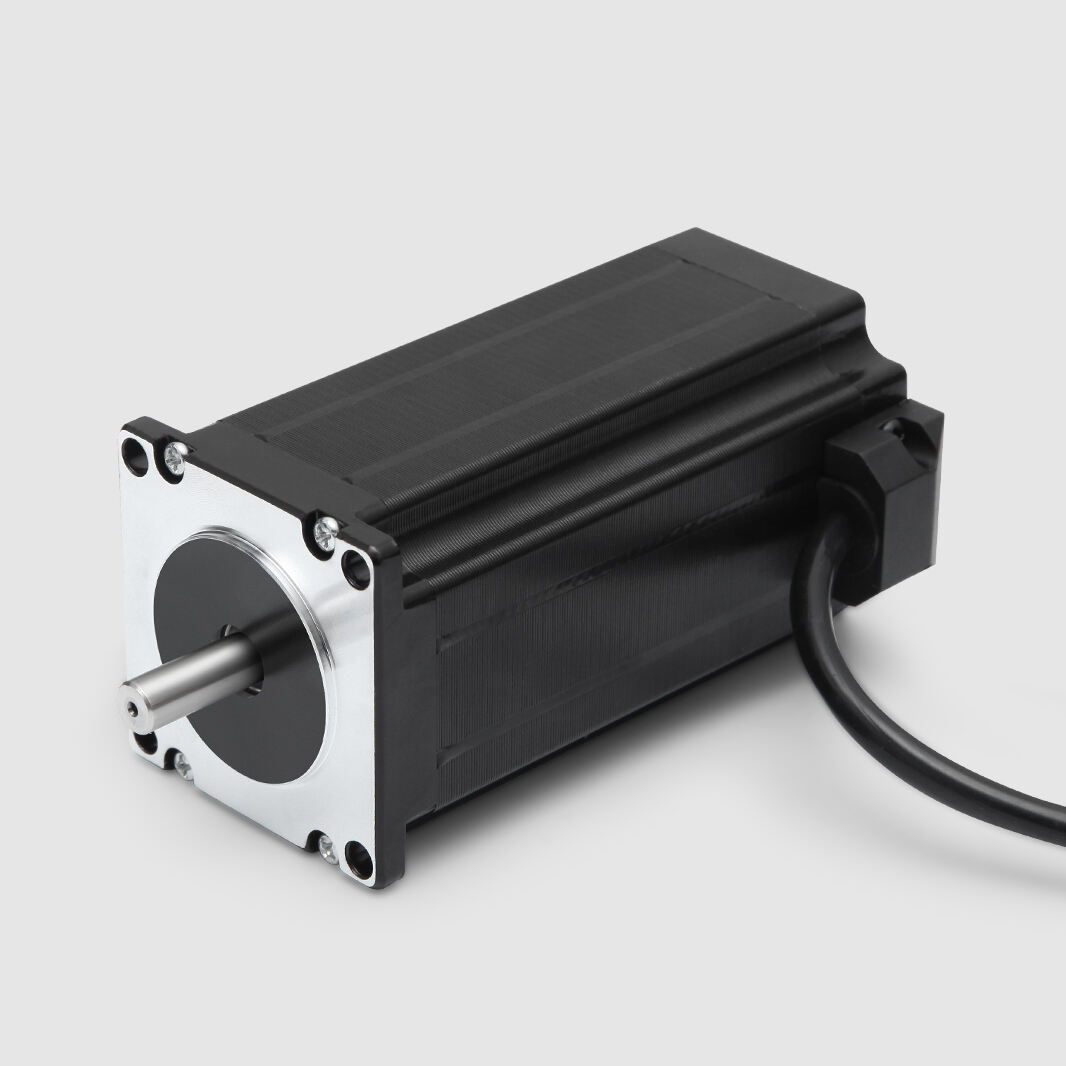
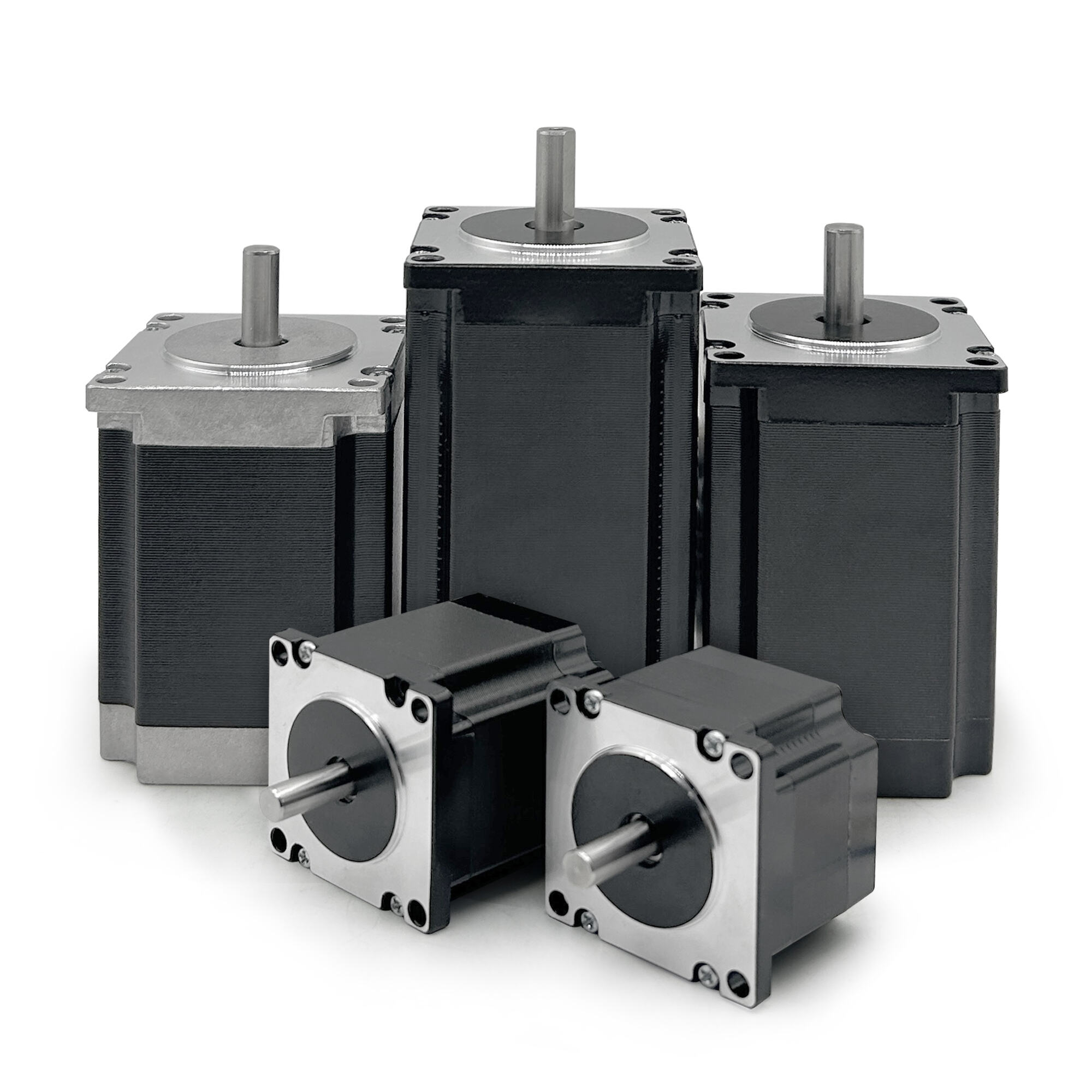
The NEMA 23 dimensions mm standard represents one of the most significant advantages in modern motion control technology through its universal standardization approach. This standardization eliminates the complexity and uncertainty often associated with motor selection and system integration. When engineers specify NEMA 23 dimensions mm, they gain access to a vast ecosystem of compatible components from multiple manufacturers worldwide. The 57.2mm x 57.2mm mounting face dimension is maintained consistently across all compliant manufacturers, ensuring that any NEMA 23 motor can be directly substituted for another without mechanical modifications. This interchangeability provides tremendous flexibility in sourcing strategies, allowing procurement teams to negotiate better pricing, ensure supply security, and avoid single-source dependencies that could jeopardize project timelines. The standardized mounting hole pattern, typically featuring four M5 or 10-32 threaded holes on a 47.14mm bolt circle, enables the use of standard mounting brackets and fixtures across different applications. This consistency extends to shaft specifications, where the standard 6.35mm diameter shaft allows for universal coupling and pulley compatibility. The dimensional consistency of NEMA 23 motors also simplifies inventory management, as maintenance teams can stock fewer varieties while covering more applications. Design engineers appreciate the predictable form factor when developing enclosures, machine frames, and mounting systems. The standardization reduces design iteration cycles and accelerates time-to-market for new products. Furthermore, the global acceptance of NEMA 23 dimensions mm ensures that technical documentation, application notes, and support resources are widely available, reducing development risks and technical support requirements. This standardization has created a mature market with competitive pricing, extensive supply chains, and continuous innovation within the established dimensional constraints, providing users with the best combination of performance, reliability, and economic value.