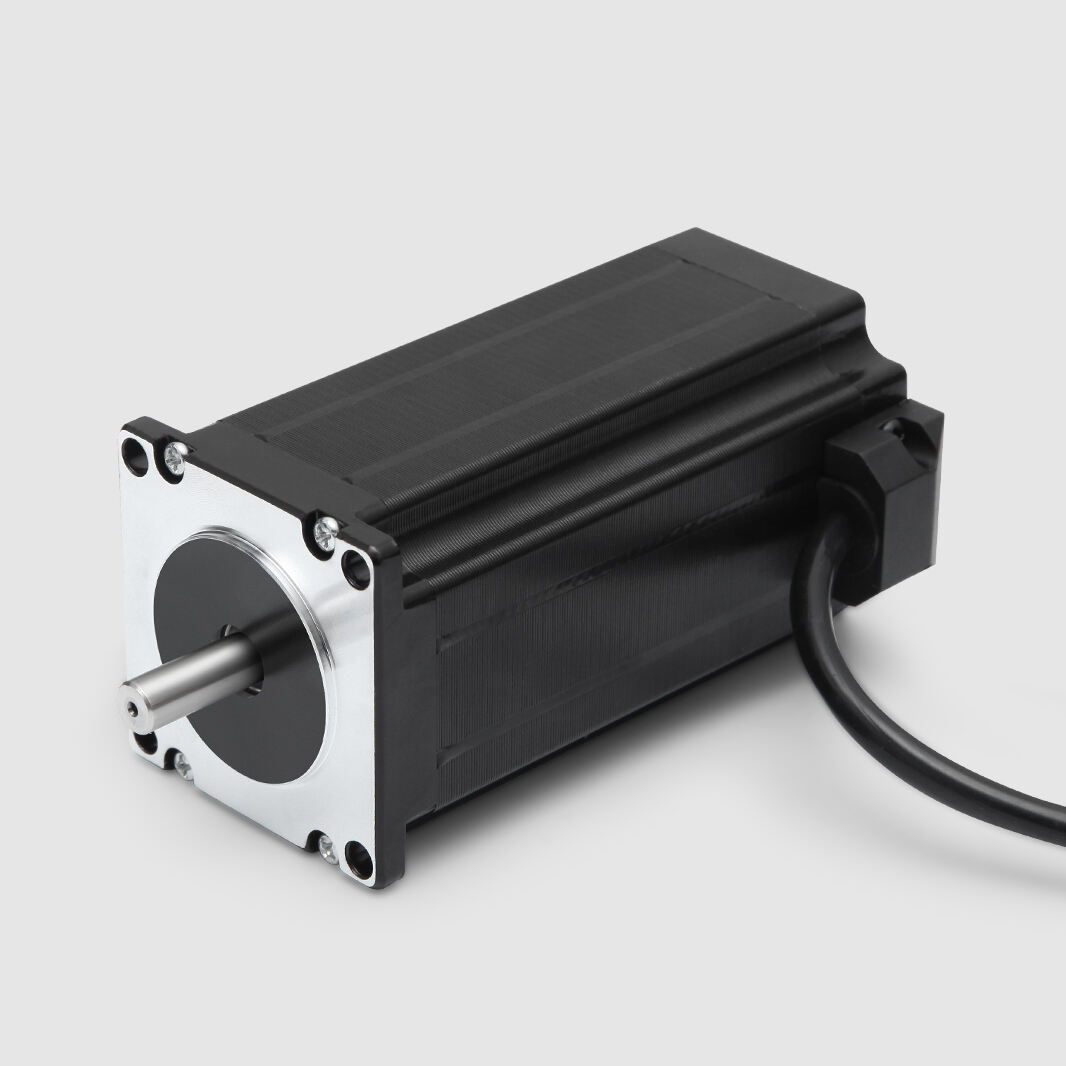
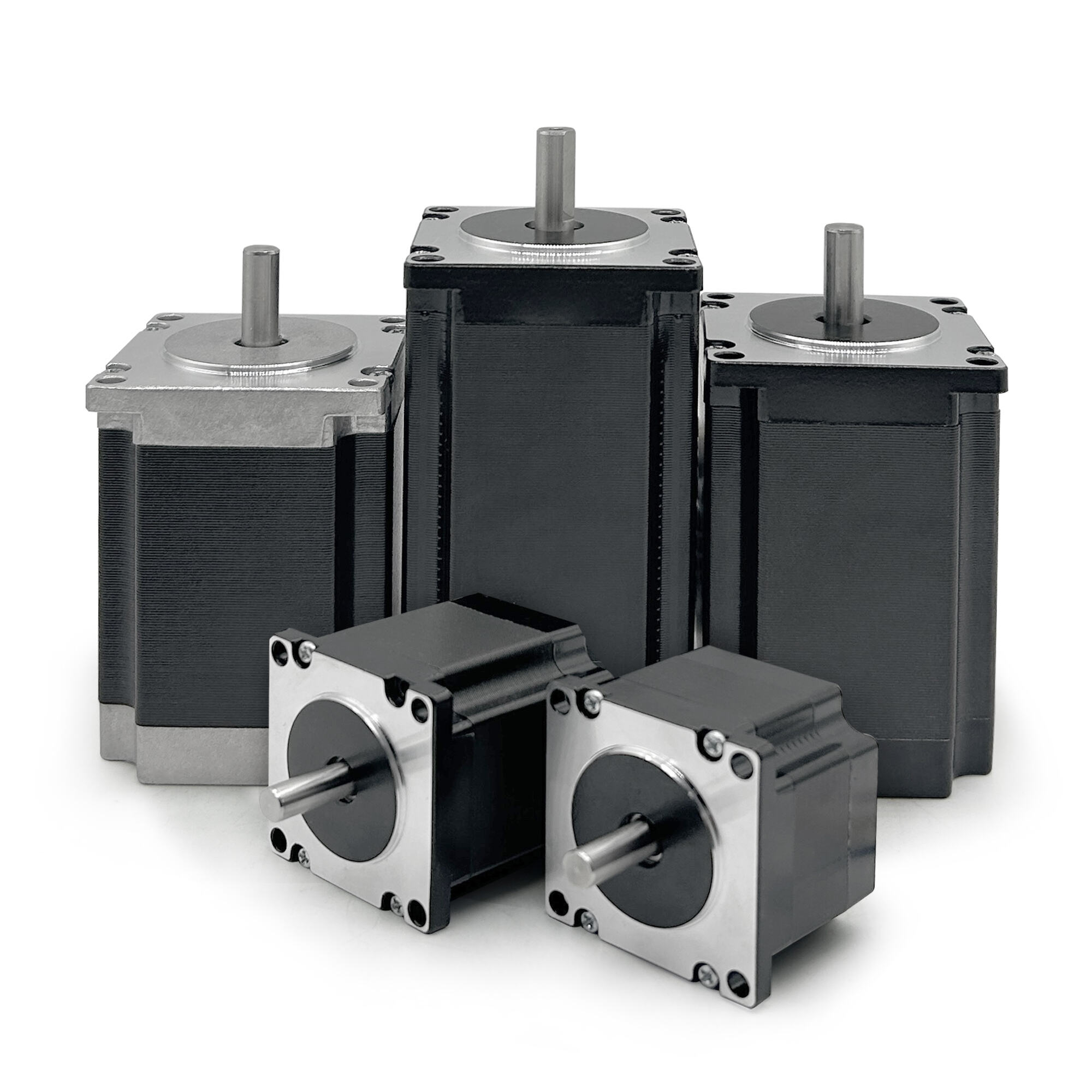
NEMA 23 Mounting Dimensions: Complete Guide to Specifications, Benefits and Applications

Get a Free Quote

Our representative will contact you soon.
Email
Name
Company Name
WhatsApp
Mobile
Message
0/1000

nema 23 mounting dimensions

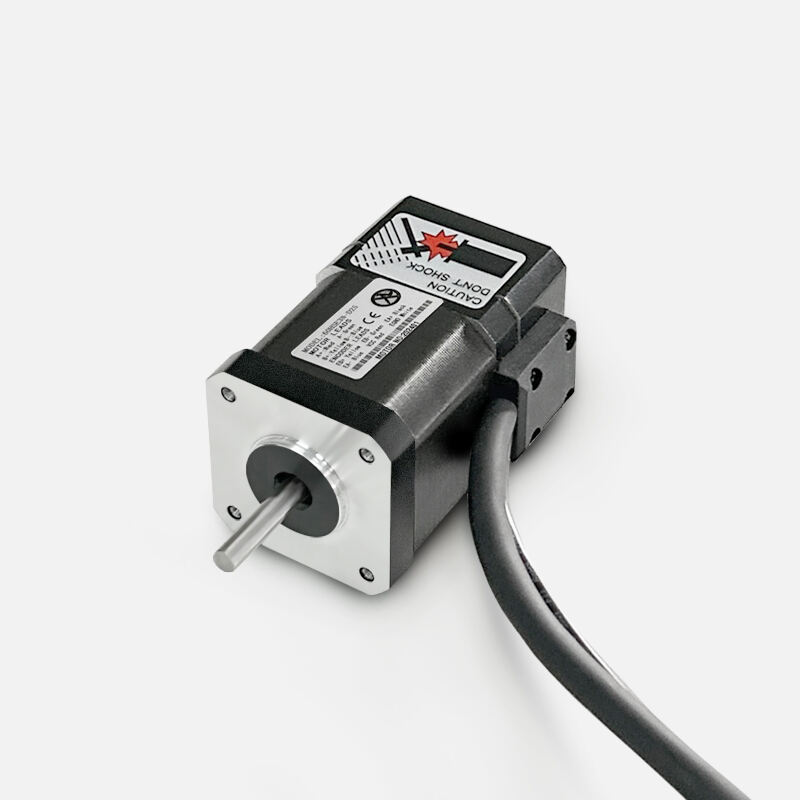
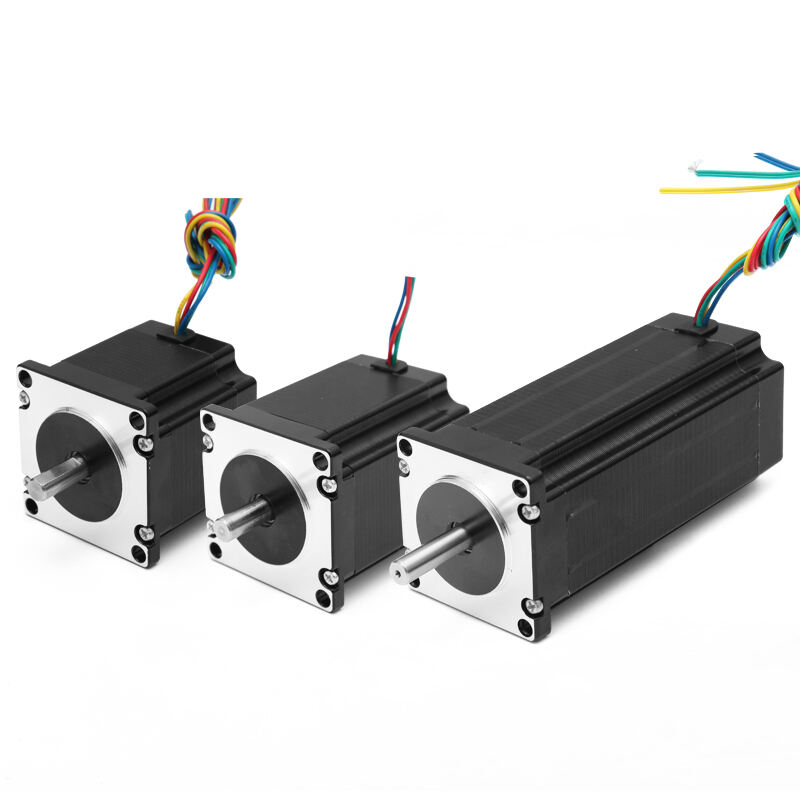
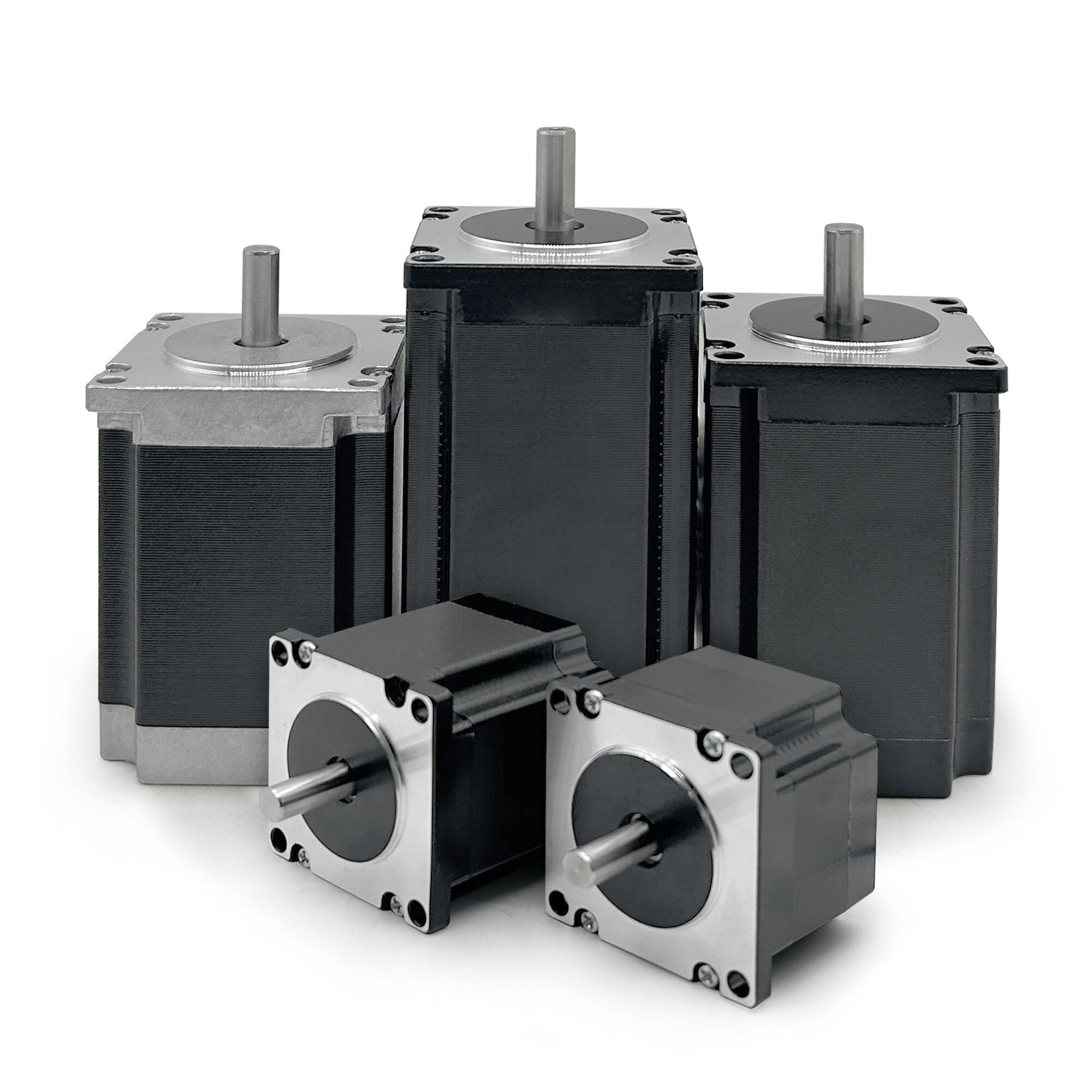
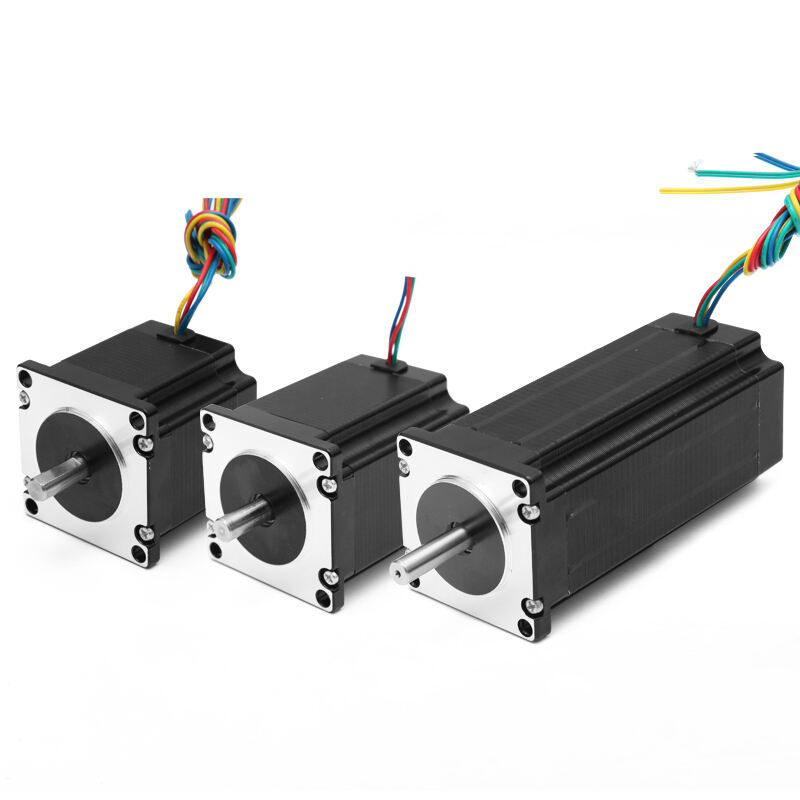
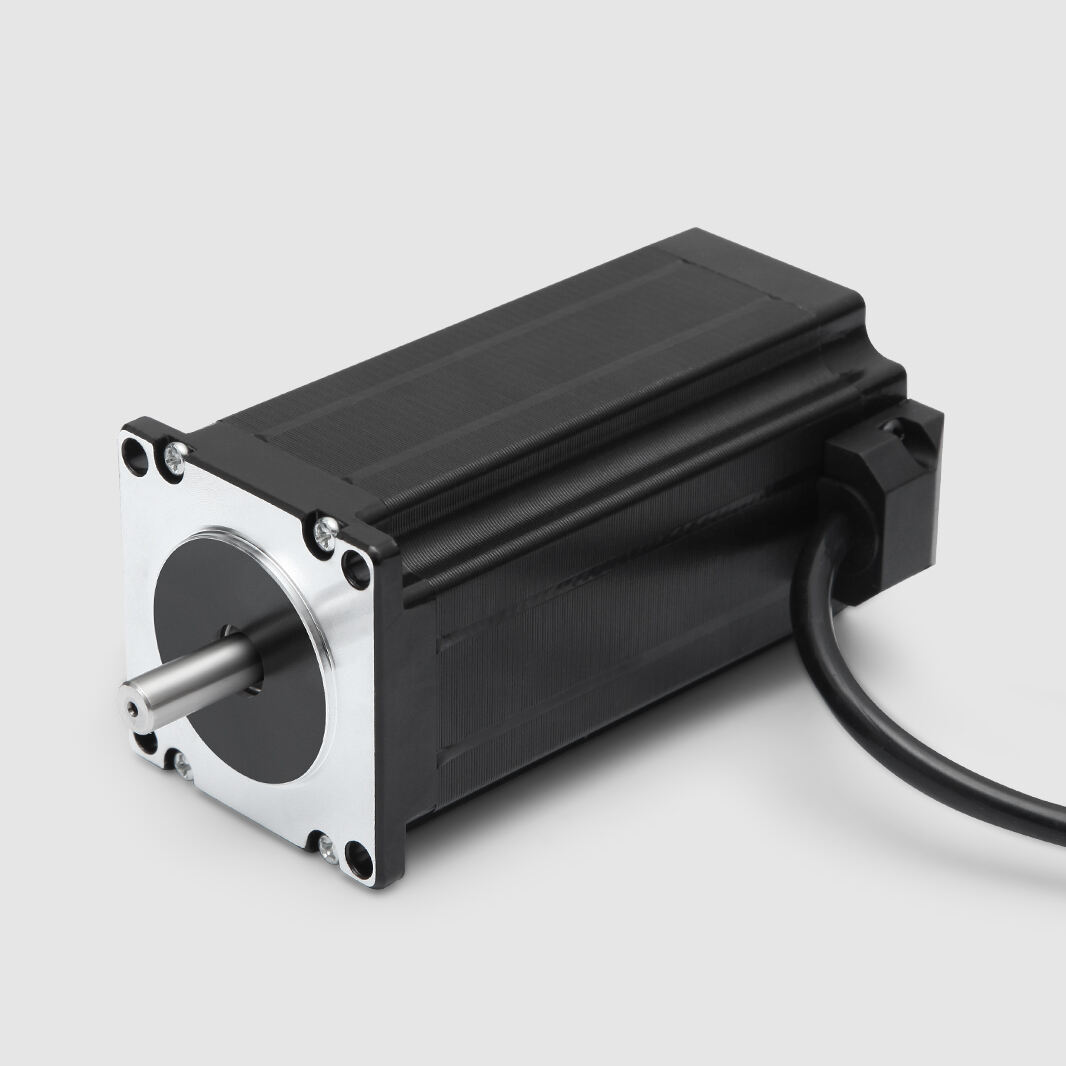
The NEMA 23 mounting dimensions represent a standardized framework that defines the physical specifications for stepper motors widely used in automation and precision control systems. These dimensions establish a square mounting face measuring 57mm x 57mm (2.25 inches x 2.25 inches), creating a universal standard that ensures compatibility across different manufacturers and applications. The NEMA 23 mounting dimensions specify critical measurements including bolt hole spacing, shaft diameter, and overall motor housing specifications that enable seamless integration into various mechanical systems. The standard defines four mounting holes positioned at precise locations with M5 or #10-24 threading, typically spaced 47.14mm apart diagonally. The motor shaft extends from the front face with a standardized diameter of 6.35mm (0.25 inches), allowing for consistent coupling with drive mechanisms. These mounting dimensions serve as the foundation for numerous industrial applications requiring precise rotational control and positioning accuracy. The technological features embedded within NEMA 23 mounting dimensions include standardized electrical connections, heat dissipation considerations, and mechanical load bearing capabilities. The square mounting face provides excellent stability and torque distribution, while the standardized bolt pattern ensures reliable mechanical attachment to mounting brackets, frames, and machinery. The dimensions accommodate various motor lengths, typically ranging from 39mm to 114mm, allowing engineers to select appropriate torque ratings while maintaining consistent mounting interfaces. Applications for NEMA 23 mounting dimensions span across 3D printing, CNC machining, robotics, automated manufacturing equipment, and precision positioning systems. The standardization enables manufacturers to develop compatible components, reducing design complexity and improving system reliability. These motors excel in applications requiring step angles between 0.9 to 1.8 degrees, providing exceptional positioning accuracy for tasks demanding precise motion control. The mounting dimensions also facilitate easy replacement and maintenance, as any NEMA 23 compliant motor can substitute for another within the same mounting configuration.

New Product Releases

The NEMA 23 mounting dimensions offer significant advantages that make them the preferred choice for engineers and manufacturers seeking reliable motion control solutions. The standardized design eliminates compatibility concerns, allowing users to source motors from different suppliers without worrying about mechanical fit issues. This standardization reduces procurement costs and simplifies inventory management, as companies can maintain fewer mounting hardware variations while supporting diverse applications. The robust 57mm square mounting face provides superior mechanical stability compared to smaller motor formats, enabling higher torque transmission and reduced vibration during operation. This enhanced stability translates directly into improved system performance and longer operational life for connected machinery. The NEMA 23 mounting dimensions accommodate substantial holding torque ratings, typically ranging from 0.4 to 3.0 Nm, making them suitable for demanding applications that require strong positioning force. The standardized shaft diameter and length specifications ensure consistent coupling compatibility with pulleys, gears, and direct drive mechanisms. Users benefit from reduced design time and engineering costs, as the proven mounting dimensions eliminate the need for custom bracket fabrication or specialized mounting hardware. The widespread adoption of NEMA 23 mounting dimensions has created a competitive marketplace where multiple suppliers offer compatible products, driving innovation and cost reduction benefits for end users. The mounting configuration supports both open-loop and closed-loop control systems, providing flexibility for applications ranging from simple positioning tasks to complex multi-axis coordination. Installation and maintenance procedures become standardized across different equipment, reducing training requirements and minimizing downtime during service operations. The thermal characteristics inherent in the NEMA 23 mounting dimensions allow effective heat dissipation through the mounting interface, contributing to improved motor longevity and consistent performance under continuous operation. Field replacement becomes straightforward, as technicians can confidently substitute motors without dimensional verification or mounting modifications. The proven reliability of these mounting dimensions has been demonstrated across millions of installations worldwide, providing users with confidence in their equipment investments. Cost-effectiveness emerges from volume production benefits, as the standardized dimensions enable manufacturers to achieve economies of scale while maintaining high quality standards.

Tips And Tricks

AC Servo Motor vs. Stepper Motor: Which to Choose?

20

Oct

AC Servo Motor vs. Stepper Motor: Which to Choose?

Understanding Motion Control System Fundamentals In the world of precision motion control and automation, choosing the right motor technology can make or break your application's success. The debate between ac servo motors and stepper motors continue...
View More
2025 BLDC Motor Guide: Types, Benefits & Applications

12

Dec

2025 BLDC Motor Guide: Types, Benefits & Applications

Brushless DC motors have revolutionized modern industrial applications with their superior efficiency, reliability, and precision control capabilities. As we advance into 2025, understanding the intricacies of BLDC motor technology becomes crucial fo...
View More
How does stepper motor torque behavior change at different speeds?

30

Jan

How does stepper motor torque behavior change at different speeds?

Understanding the relationship between torque and speed in stepper motor applications is crucial for engineers and designers seeking optimal performance in their automated systems. The stepper motor exhibits distinct torque characteristics that vary ...
View More
How does stepper motor control differ from other motor technologies?

30

Jan

How does stepper motor control differ from other motor technologies?

Modern industrial automation relies heavily on precise motor control systems to ensure optimal performance across manufacturing processes. Among the various motor technologies available, stepper motor systems stand out for their unique control charac...
View More

Get a Free Quote

Our representative will contact you soon.
Email
Name
Company Name
WhatsApp
Mobile
Message
0/1000

nema 23 mounting dimensions

Universal Compatibility and Standardization Excellence

Universal Compatibility and Standardization Excellence

The NEMA 23 mounting dimensions establish an industry-wide standard that delivers unmatched compatibility across manufacturers and applications, representing one of the most valuable features for engineers and system integrators. This standardization means that any NEMA 23 motor will physically mount to any NEMA 23 compatible bracket, frame, or machinery component, regardless of the manufacturer. The precise 57mm x 57mm mounting face with standardized bolt hole patterns eliminates the guesswork and compatibility concerns that plague custom mounting solutions. Engineers can confidently specify NEMA 23 mounting dimensions knowing that replacement parts will be readily available from multiple sources, reducing supply chain risks and procurement complexities. The standardized shaft dimensions ensure consistent coupling interfaces, allowing direct interchange of motors without requiring different couplings, pulleys, or gear assemblies. This compatibility extends beyond the physical mounting to include electrical connections and control interfaces, as most NEMA 23 motors follow similar wiring conventions and driver requirements. The universal nature of these mounting dimensions has created a robust ecosystem of compatible accessories, including mounting brackets, couplings, encoders, and brakes, all designed to integrate seamlessly with the standard form factor. Manufacturing facilities benefit tremendously from this standardization, as maintenance teams can stock fewer motor variations while supporting diverse equipment types. The reliability of this standard has been proven through decades of industrial use, with the mounting dimensions remaining consistent even as motor technologies have advanced. System designers appreciate the flexibility to upgrade or modify equipment without redesigning mounting systems, as the NEMA 23 mounting dimensions provide a stable foundation that accommodates various motor lengths and specifications while maintaining the same mounting interface. This standardization also facilitates global sourcing strategies, as manufacturers worldwide produce motors conforming to these exact specifications, ensuring consistent availability and competitive pricing for users regardless of their geographic location.
Superior Mechanical Stability and Performance

Superior Mechanical Stability and Performance

The NEMA 23 mounting dimensions provide exceptional mechanical stability through their robust square mounting configuration, delivering superior performance characteristics that directly translate into improved system reliability and operational efficiency. The 57mm square mounting face distributes mounting forces evenly across four precisely positioned bolt holes, creating a stable foundation that effectively resists rotational forces and minimizes vibration transmission to connected equipment. This enhanced stability becomes particularly important in high-speed applications or systems with varying load conditions, where motor oscillation or mounting flex can compromise positioning accuracy. The substantial mounting face area provides excellent heat dissipation properties, allowing thermal energy to transfer efficiently from the motor housing to the mounting structure, which helps maintain optimal operating temperatures and extends motor life. The standardized bolt hole spacing and threading create secure mechanical connections capable of withstanding significant operational stresses without loosening or degradation over time. The mounting dimensions accommodate motors with holding torque ratings up to 3.0 Nm while maintaining structural integrity, making them suitable for applications requiring substantial positioning force or load handling capability. The rigid mounting interface minimizes mechanical compliance in the drive train, ensuring that commanded positions translate accurately to actual shaft positions without lost motion or backlash introduction. The square mounting configuration also provides natural anti-rotation properties, preventing motor housing rotation under load conditions that could compromise system alignment or damage electrical connections. Professional installers appreciate the robust mounting system, as it tolerates reasonable installation variations while maintaining secure attachment and proper motor alignment. The mechanical stability inherent in NEMA 23 mounting dimensions enables precise positioning applications such as CNC machining and 3D printing, where even minor vibrations or positioning errors can significantly impact final product quality. Long-term reliability emerges from the proven mechanical design, as the mounting system maintains its integrity through millions of operational cycles while supporting consistent performance standards that meet demanding industrial requirements.
Cost-Effective Integration and Maintenance Benefits

Cost-Effective Integration and Maintenance Benefits

The NEMA 23 mounting dimensions deliver substantial cost benefits throughout the entire product lifecycle, from initial system design through long-term operation and maintenance, making them an economically attractive choice for both manufacturers and end users. The standardized design eliminates expensive custom mounting solutions, as engineers can utilize readily available mounting brackets, frames, and accessories specifically designed for NEMA 23 compatibility. This standardization reduces design and prototyping costs, as proven mounting solutions can be implemented directly without custom engineering or fabrication requirements. The competitive marketplace created by widespread NEMA 23 adoption drives down component costs while maintaining high quality standards, as multiple suppliers compete on price and performance within the established dimensional framework. Inventory management becomes significantly more efficient, as companies can maintain smaller stock levels of mounting hardware while supporting diverse applications, reducing carrying costs and storage requirements. The ease of installation associated with NEMA 23 mounting dimensions translates directly into reduced labor costs, as technicians can complete mounting procedures quickly using standard tools and established procedures. Maintenance operations benefit from the universal mounting standard, as replacement motors can be sourced quickly from various suppliers without concern for dimensional compatibility or mounting hardware changes. The proven reliability of the mounting system reduces unplanned maintenance costs, as the robust design withstands operational stresses while maintaining secure attachment and proper alignment over extended service periods. Training costs decrease when maintenance teams work with standardized mounting procedures across different equipment types, eliminating the need for specialized knowledge about proprietary mounting systems. The global availability of NEMA 23 compatible components ensures competitive pricing and reliable supply chains, protecting users from single-source dependencies that can drive up costs or create supply disruptions. Long-term total cost of ownership remains low due to the extended service life enabled by proper heat dissipation and mechanical stability inherent in the mounting design. System upgrades and modifications become more cost-effective, as the standardized mounting interface allows equipment improvements without requiring complete mechanical redesign or specialized mounting hardware procurement.
+86-13401517369
[email protected]

Get a Free Quote

Our representative will contact you soon.
Email
Name
Company Name
WhatsApp
Mobile
Message
0/1000

Copyright © 2026 Changzhou Jinsanshi Mechatronics Co., Ltd. All rights reserved.  -  Privacy policy