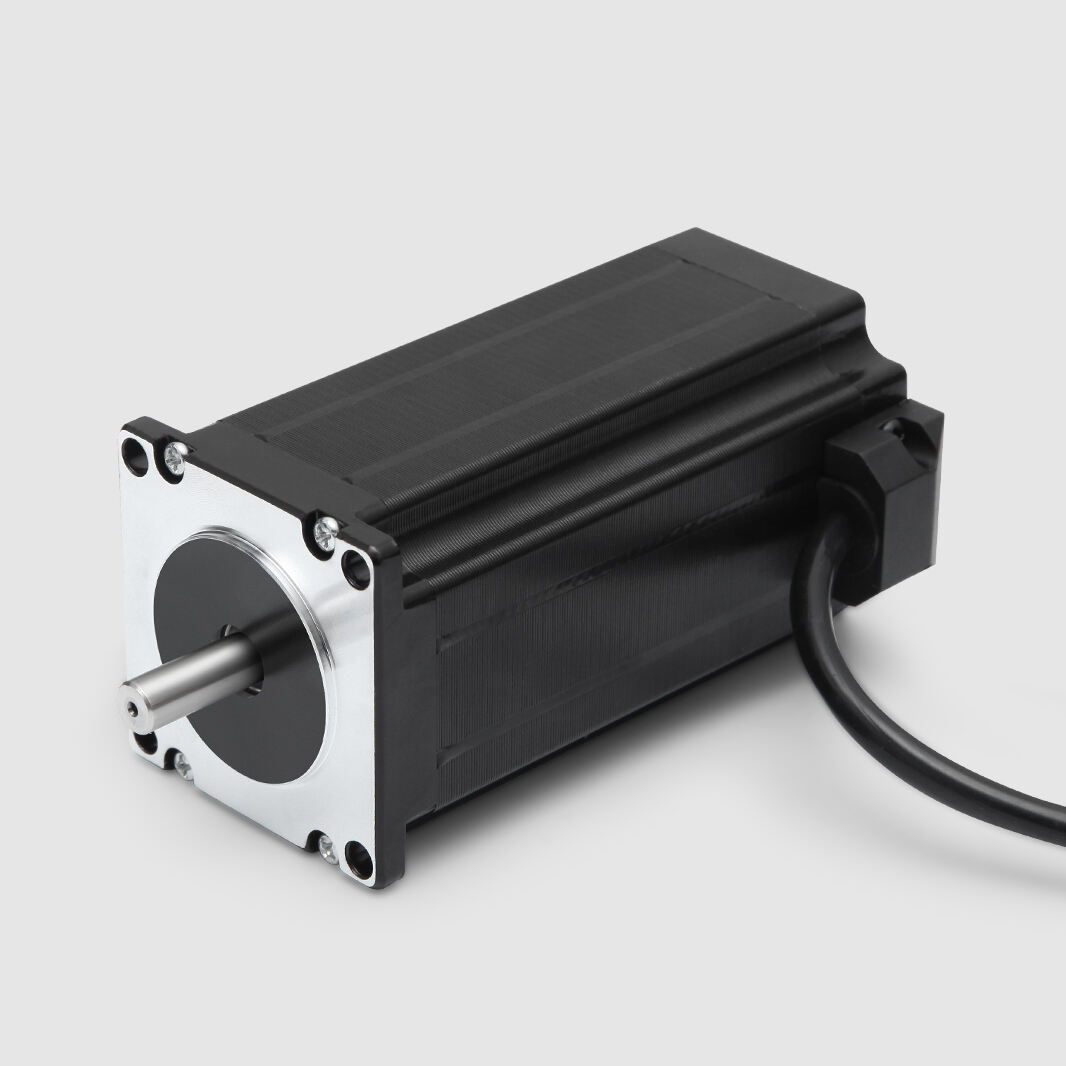
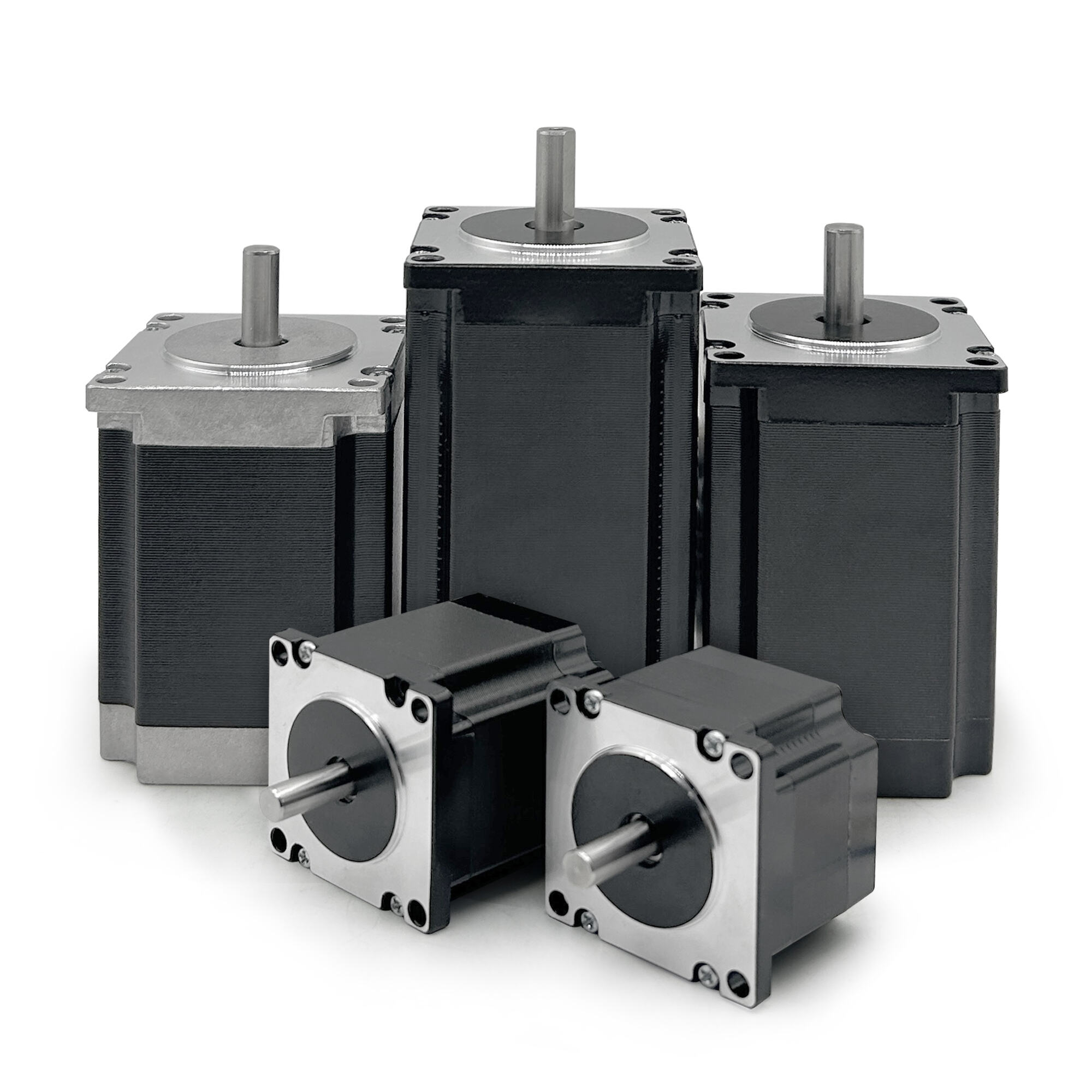
NEMA 23 Voltage Motors: Precision Control Solutions for Industrial Applications

Get a Free Quote

Our representative will contact you soon.
Email
Name
Company Name
WhatsApp
Mobile
Message
0/1000

nema 23 voltage

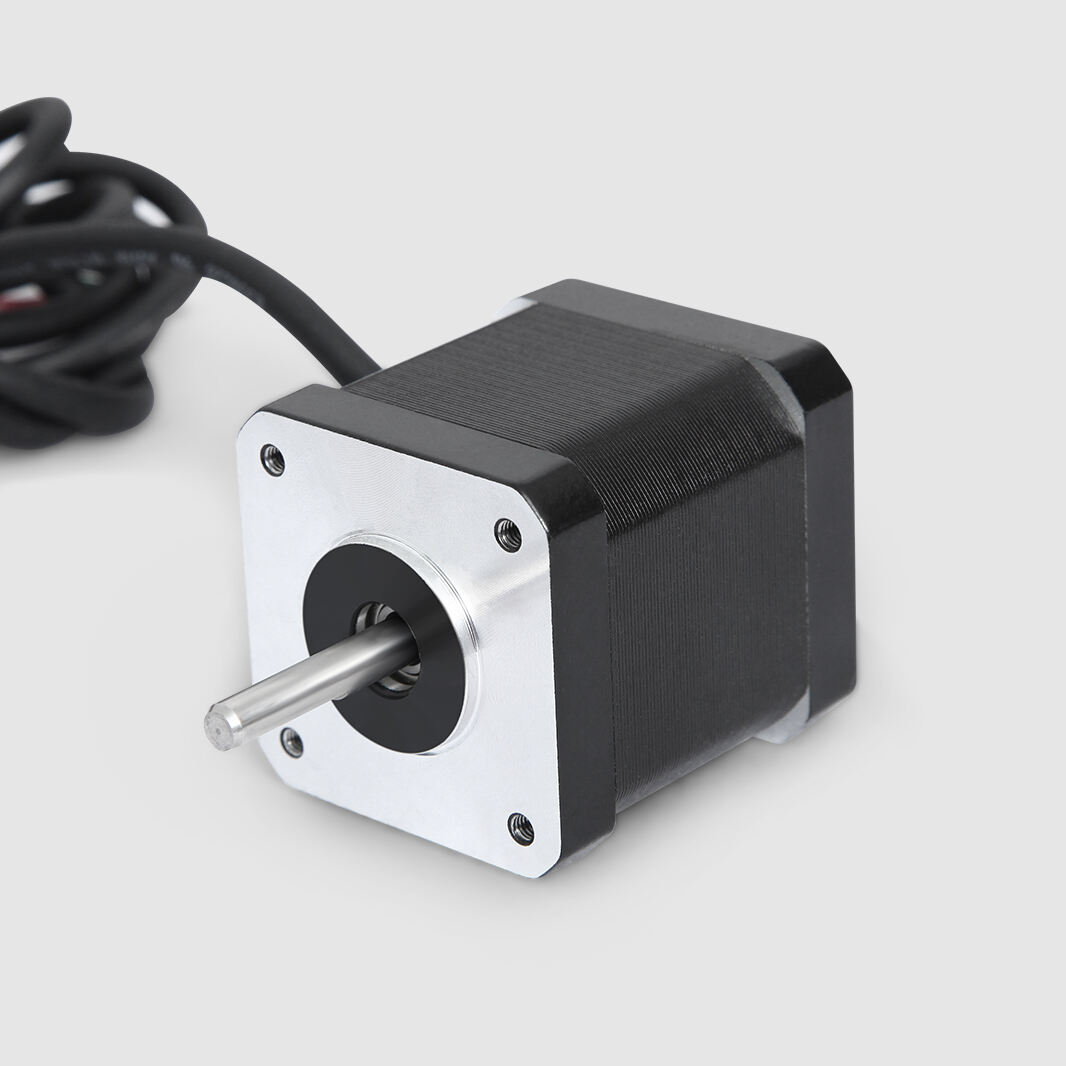
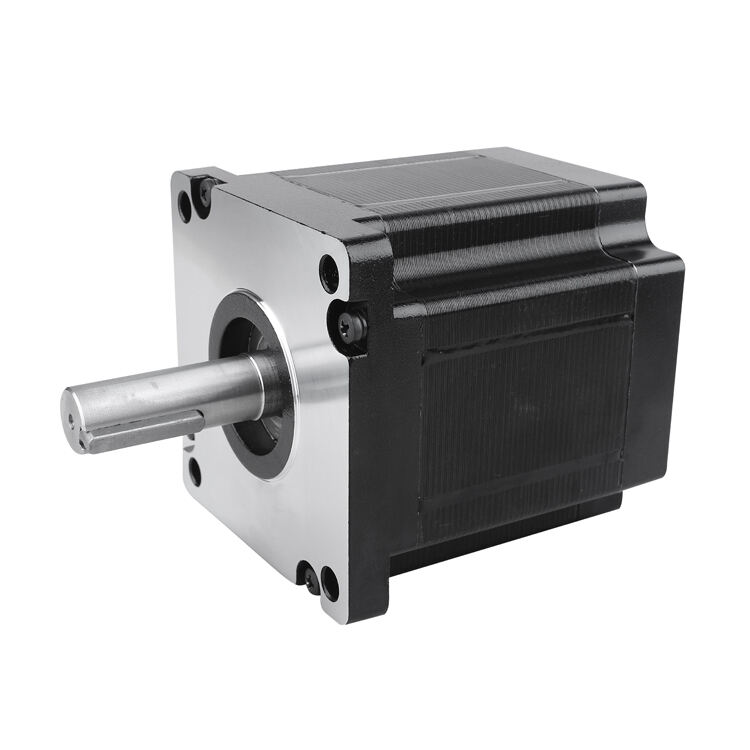
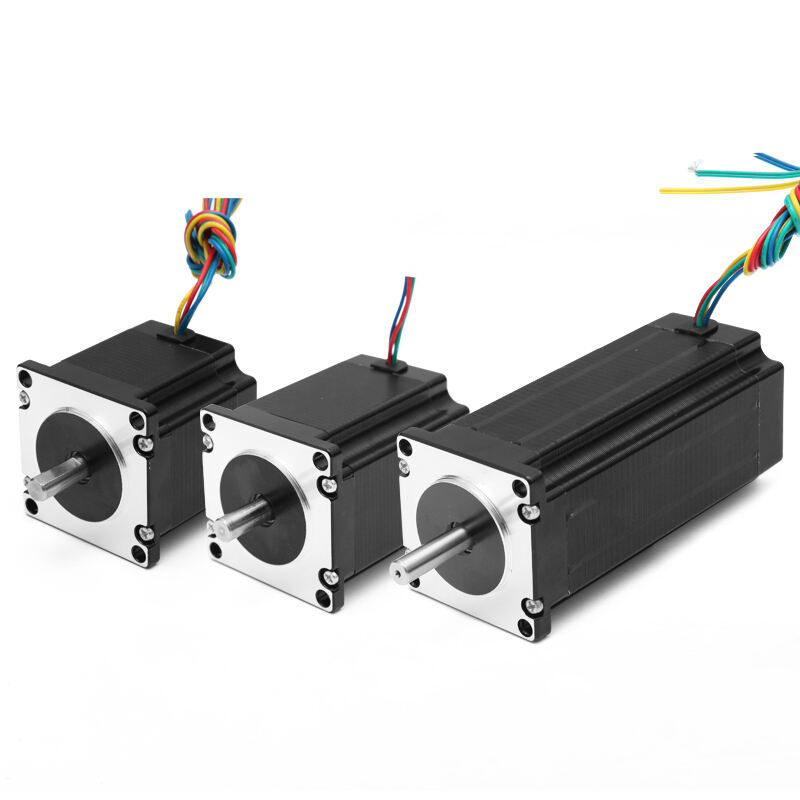
NEMA 23 voltage represents a critical specification for stepper motors that follows the National Electrical Manufacturers Association standards for motor frame sizing and electrical characteristics. The NEMA 23 voltage designation refers to stepper motors with a 2.3-inch square faceplate that operate within specific voltage parameters, typically ranging from 12V to 48V DC, with some industrial applications requiring higher voltages up to 80V. These motors serve as precision positioning devices that convert electrical pulses into discrete mechanical movements, making them essential components in automated systems requiring accurate rotational control. The voltage specification directly influences the motor's torque output, speed capabilities, and overall performance characteristics. NEMA 23 voltage systems incorporate advanced electromagnetic design principles to deliver consistent rotational force across various operating conditions. The technological features include high-resolution step angles, typically 1.8 degrees per step, providing 200 steps per full revolution for exceptional positioning accuracy. These motors utilize permanent magnet rotors combined with precisely wound stator coils that respond to controlled voltage pulses. The voltage rating determines the current draw and thermal characteristics, enabling engineers to select appropriate power supplies and control systems. Applications span numerous industries including 3D printing, CNC machining, robotics, automated manufacturing equipment, medical devices, and laboratory instrumentation. The versatility of NEMA 23 voltage motors makes them suitable for both light-duty and medium-duty applications where precise positioning and repeatable motion control are paramount. Modern NEMA 23 voltage motors feature enhanced magnetic materials and optimized winding configurations that maximize efficiency while minimizing power consumption. The standardized mounting dimensions and shaft specifications ensure compatibility across different manufacturers and applications, simplifying system integration and maintenance procedures.

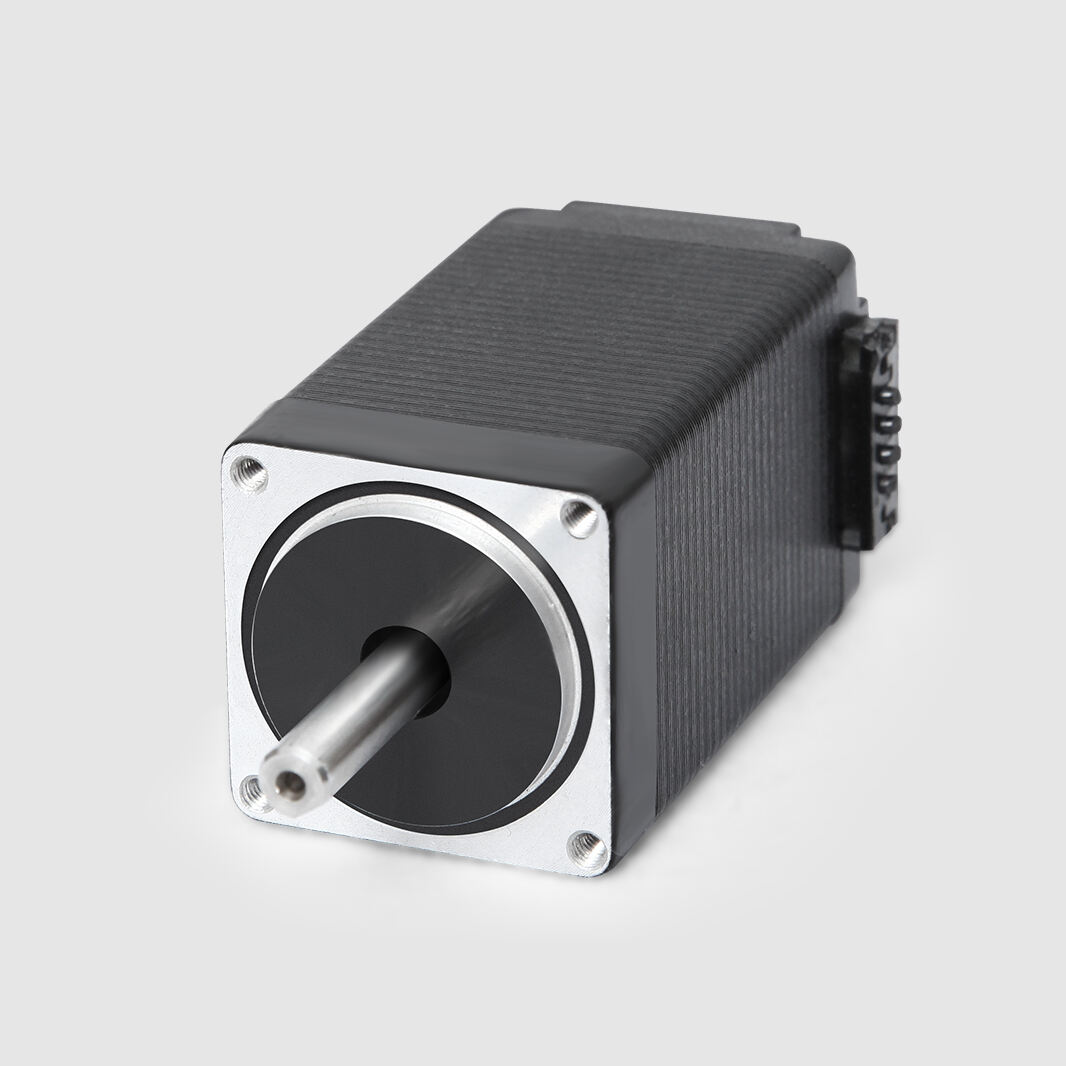
New Product Recommendations

NEMA 23 voltage motors deliver exceptional precision control that enables accurate positioning within fractions of a degree, making them ideal for applications requiring exact mechanical movements. The standardized voltage specifications allow engineers to easily calculate power requirements and select appropriate drive systems without complex compatibility concerns. These motors provide excellent holding torque even when powered off, maintaining position stability without continuous energy consumption, which reduces overall system power requirements and operational costs. The wide voltage range compatibility of NEMA 23 systems allows flexibility in power supply selection, enabling cost-effective integration into existing electrical infrastructures. Users benefit from simplified wiring and reduced component complexity since the motors operate directly from standard DC power sources without requiring complex AC conversion systems. The inherent reliability of NEMA 23 voltage motors stems from their brushless design, which eliminates mechanical wear points and reduces maintenance requirements significantly compared to traditional brushed motors. This translates to longer operational lifespans and lower total cost of ownership for end users. The precise speed control capabilities allow operators to adjust rotational velocity across wide ranges while maintaining consistent torque output, providing operational flexibility that adapts to varying application demands. NEMA 23 voltage motors generate minimal electromagnetic interference, ensuring compatibility with sensitive electronic equipment and reducing the need for additional shielding or filtering components. The compact form factor maximizes space efficiency in equipment designs while delivering substantial torque output, enabling engineers to create more compact and efficient machinery. Installation procedures are straightforward due to standardized mounting patterns and connection methods, reducing setup time and labor costs for system integrators. The motors respond instantly to control signals without delays associated with mechanical transmission systems, enabling rapid acceleration and deceleration cycles that improve overall system throughput and productivity.

Practical Tips

Is closed-loop feedback worth adding to a standard stepper motor driver?

26

Sep

Is closed-loop feedback worth adding to a standard stepper motor driver?

Understanding the Evolution of Stepper Motor Control Systems The world of motion control has witnessed remarkable advancements in recent years, particularly in how we approach stepper motor control. Traditional open-loop stepper systems have served i...
View More
How to Choose the Right Step Motor for Your Project

20

Oct

How to Choose the Right Step Motor for Your Project

Understanding the Fundamentals of Step Motor Technology Step motors, also known as stepper motors, are the workhorses of precision motion control in modern automation and engineering. These versatile devices convert electrical pulses into precise mec...
View More
Troubleshooting Common Servo Drive Problems

27

Nov

Troubleshooting Common Servo Drive Problems

Industrial automation systems rely heavily on the precise control and reliability of servo drives for optimal performance. A servo drive functions as the brain of motion control systems, converting command signals into precise motor movements. Unders...
View More
2025 BLDC Motor Guide: Types, Benefits & Applications

12

Dec

2025 BLDC Motor Guide: Types, Benefits & Applications

Brushless DC motors have revolutionized modern industrial applications with their superior efficiency, reliability, and precision control capabilities. As we advance into 2025, understanding the intricacies of BLDC motor technology becomes crucial fo...
View More

Get a Free Quote

Our representative will contact you soon.
Email
Name
Company Name
WhatsApp
Mobile
Message
0/1000

nema 23 voltage

Superior Precision and Positioning Accuracy

Superior Precision and Positioning Accuracy

NEMA 23 voltage motors excel in delivering unmatched precision positioning capabilities that set them apart from conventional motor technologies. The fundamental advantage lies in their step-based operation, where each electrical pulse corresponds to a precise angular movement, typically 1.8 degrees per step. This characteristic enables positioning accuracy within 0.05 degrees or better when properly configured, making NEMA 23 voltage systems indispensable for applications requiring exact mechanical positioning. The precision stems from the motor's electromagnetic design, where carefully calibrated voltage pulses energize specific stator windings in sequence, creating rotating magnetic fields that advance the rotor in discrete, predictable increments. This level of control eliminates the need for feedback sensors in many applications, reducing system complexity and cost while maintaining exceptional accuracy. The voltage specification directly influences the motor's ability to maintain consistent step accuracy under varying load conditions, with properly matched voltage levels ensuring optimal magnetic field strength and torque delivery. Users benefit from repeatable positioning that remains stable across millions of operational cycles, making these motors ideal for manufacturing processes where dimensional accuracy directly impacts product quality. The precision capabilities extend beyond basic positioning to include controlled acceleration and deceleration profiles, allowing smooth motion transitions that prevent mechanical stress and vibration. NEMA 23 voltage motors can execute complex motion patterns with interpolated movements between full steps, achieving even finer resolution through microstepping techniques. This adaptability makes them suitable for applications ranging from precision instrumentation to high-resolution 3D printing systems. The consistent performance across different operating temperatures and environmental conditions ensures that precision remains stable regardless of installation location or seasonal variations, providing reliable operation in diverse industrial settings.
Versatile Voltage Compatibility and Power Efficiency

Versatile Voltage Compatibility and Power Efficiency

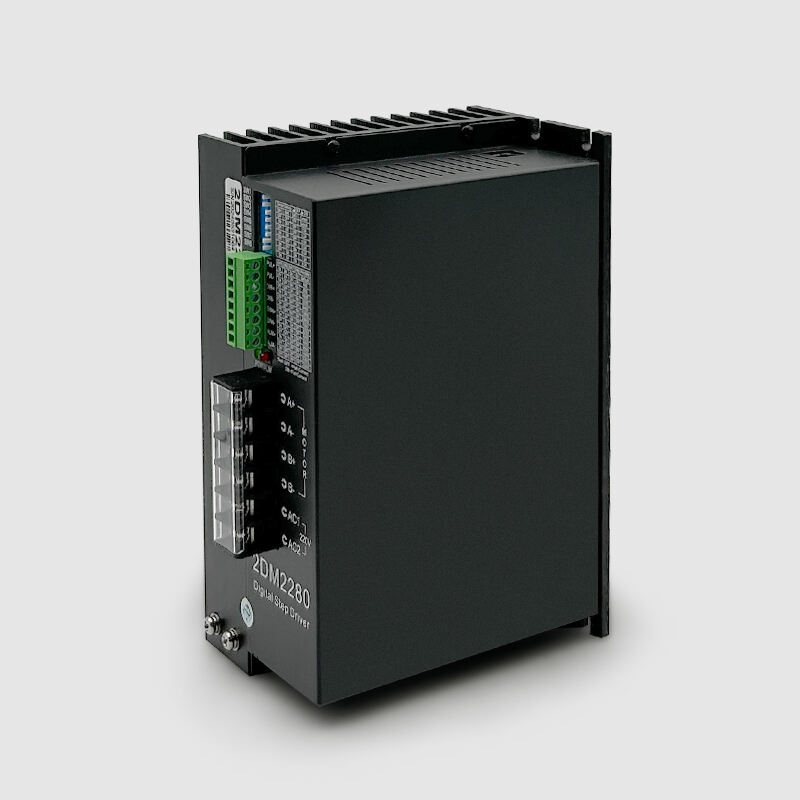
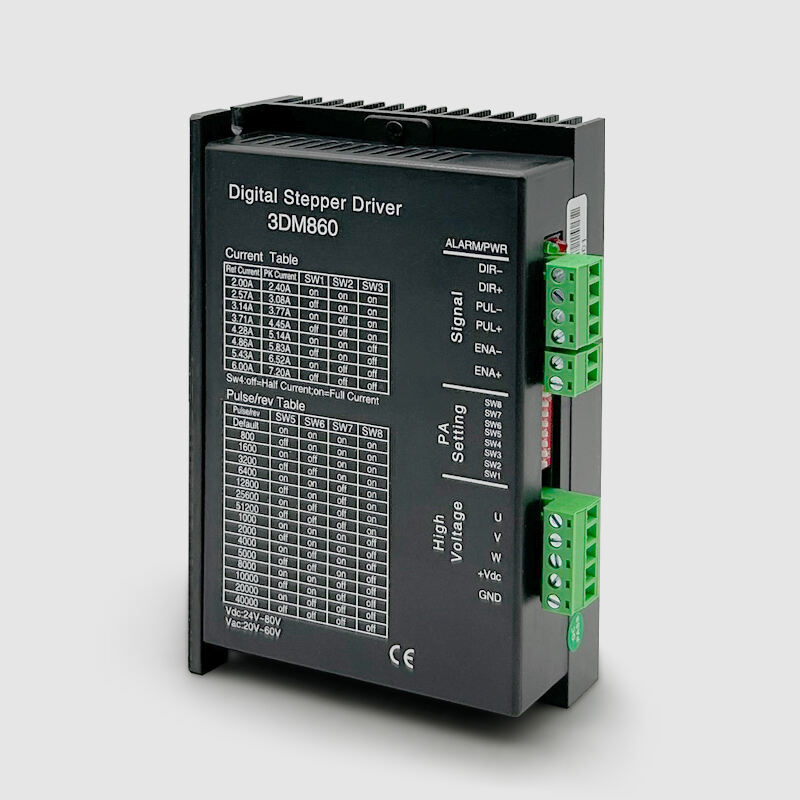
The voltage flexibility of NEMA 23 motors represents a significant competitive advantage that simplifies system design and reduces implementation costs across various applications. These motors accommodate voltage ranges from 12V to 48V or higher, allowing engineers to select optimal power supply configurations based on specific performance requirements and available electrical infrastructure. Lower voltage operations, such as 12V or 24V NEMA 23 systems, provide excellent compatibility with battery-powered applications and portable equipment while maintaining adequate torque for light to medium-duty tasks. Higher voltage configurations, including 36V and 48V NEMA 23 voltage systems, deliver increased torque and speed capabilities for demanding industrial applications without compromising efficiency. This voltage adaptability eliminates the need for custom motor specifications in most applications, reducing procurement costs and inventory complexity for equipment manufacturers. The power efficiency characteristics of NEMA 23 voltage motors contribute to reduced operational expenses and environmental sustainability. Unlike continuous-rotation motors that consume power proportional to load, stepper motors only draw current during movement phases, resulting in significant energy savings in intermittent-duty applications. The holding torque capability allows motors to maintain position without additional power consumption, further enhancing overall system efficiency. Modern NEMA 23 voltage motors incorporate advanced winding techniques and magnetic materials that optimize the relationship between voltage input and mechanical output, maximizing torque per watt consumption. This efficiency translates to reduced heat generation, extending motor lifespan and reducing cooling requirements in enclosed systems. The voltage compatibility extends to control system integration, where standard driver circuits can accommodate multiple voltage levels, providing design flexibility and component standardization benefits. Users can easily upgrade or modify systems by adjusting voltage levels without replacing motors or control hardware, protecting their investment and enabling future expansion capabilities.
Robust Construction and Long-Term Reliability

Robust Construction and Long-Term Reliability

NEMA 23 voltage motors demonstrate exceptional durability and reliability through their robust mechanical construction and advanced electrical design principles. The inherent reliability advantage comes from the brushless design that eliminates physical contact points between stationary and rotating components, preventing the wear and maintenance issues associated with traditional brush-type motors. This design feature ensures consistent performance over extended operational periods, often exceeding millions of steps without degradation in accuracy or torque output. The voltage specifications contribute directly to reliability by ensuring optimal electromagnetic field generation that prevents overheating and magnetic degradation under normal operating conditions. Properly specified NEMA 23 voltage systems maintain stable thermal characteristics, with built-in margins that accommodate voltage fluctuations and load variations without compromising motor integrity. The standardized construction follows rigorous NEMA specifications that ensure consistent quality across different manufacturers, providing users with reliable performance regardless of supplier selection. The motor housings utilize precision-machined components and high-grade bearing systems that withstand continuous operation in industrial environments. Environmental resistance features include sealed construction options that protect against dust, moisture, and chemical exposure, extending operational life in challenging conditions. The electrical insulation systems exceed standard requirements, providing safety margins that prevent voltage breakdown and ensure operator safety. NEMA 23 voltage motors undergo extensive quality testing protocols that verify performance parameters under various load conditions, temperature ranges, and voltage variations. This comprehensive testing ensures that motors meet or exceed specified performance criteria throughout their operational lifespan. The standardized mounting dimensions and connection methods facilitate easy replacement and maintenance procedures, reducing downtime and service costs. Users benefit from predictable maintenance schedules and readily available replacement components, minimizing unexpected failures and production interruptions. The long-term cost benefits include reduced replacement frequency, lower maintenance requirements, and consistent performance that maintains production quality standards over years of continuous operation.
+86-13401517369
[email protected]

Get a Free Quote

Our representative will contact you soon.
Email
Name
Company Name
WhatsApp
Mobile
Message
0/1000

Copyright © 2026 Changzhou Jinsanshi Mechatronics Co., Ltd. All rights reserved.  -  Privacy policy