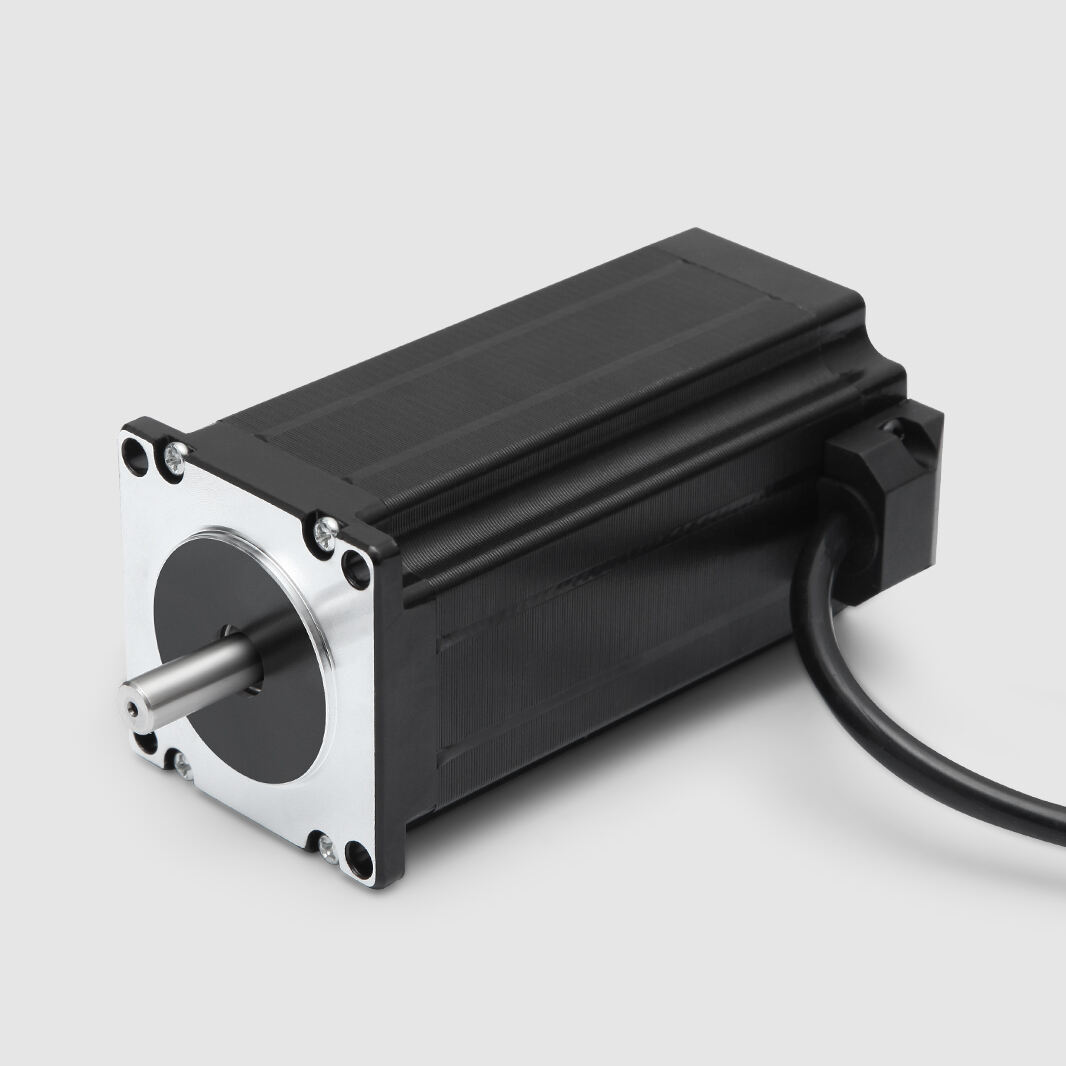
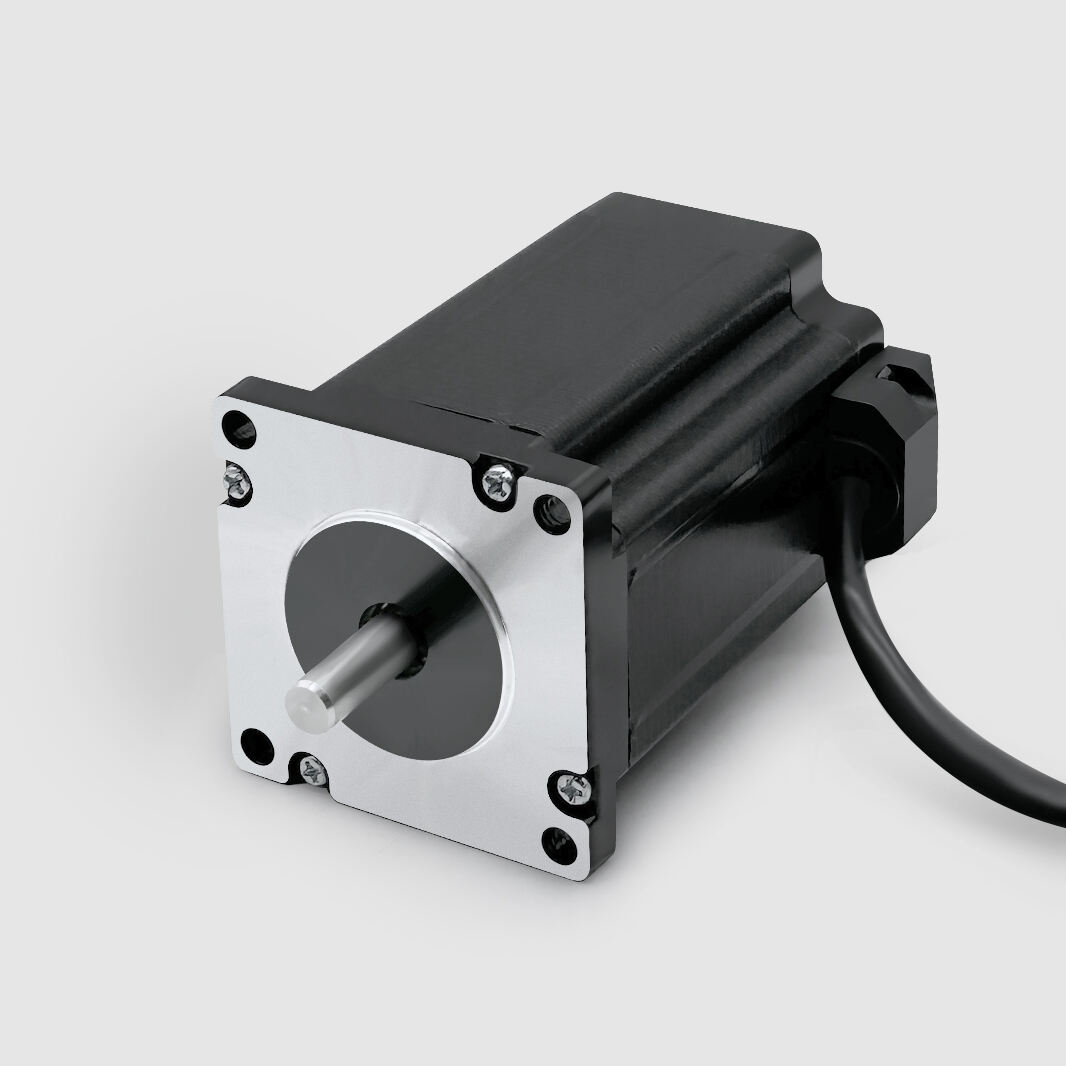
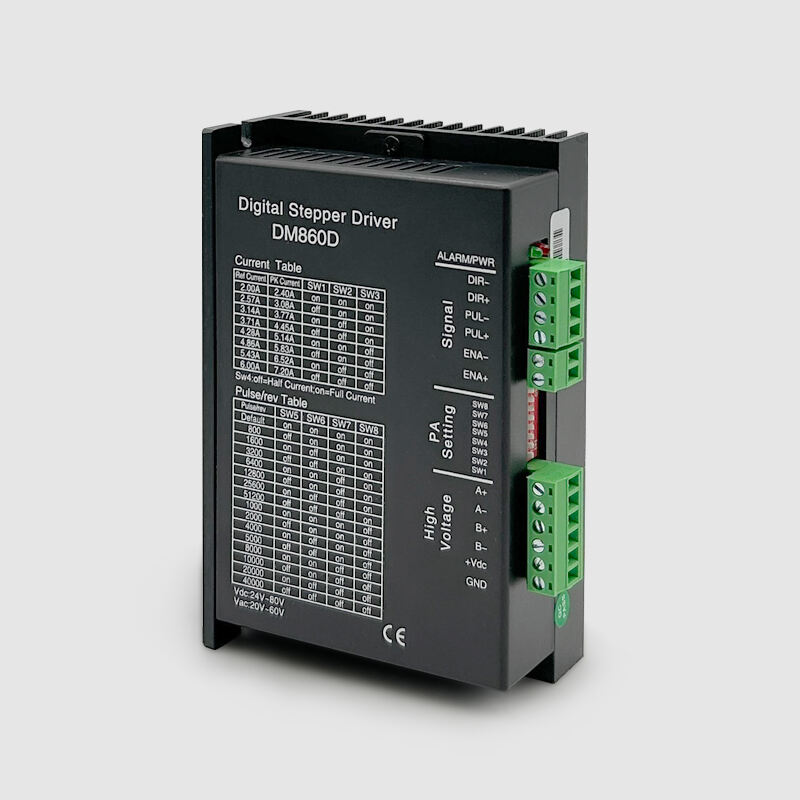
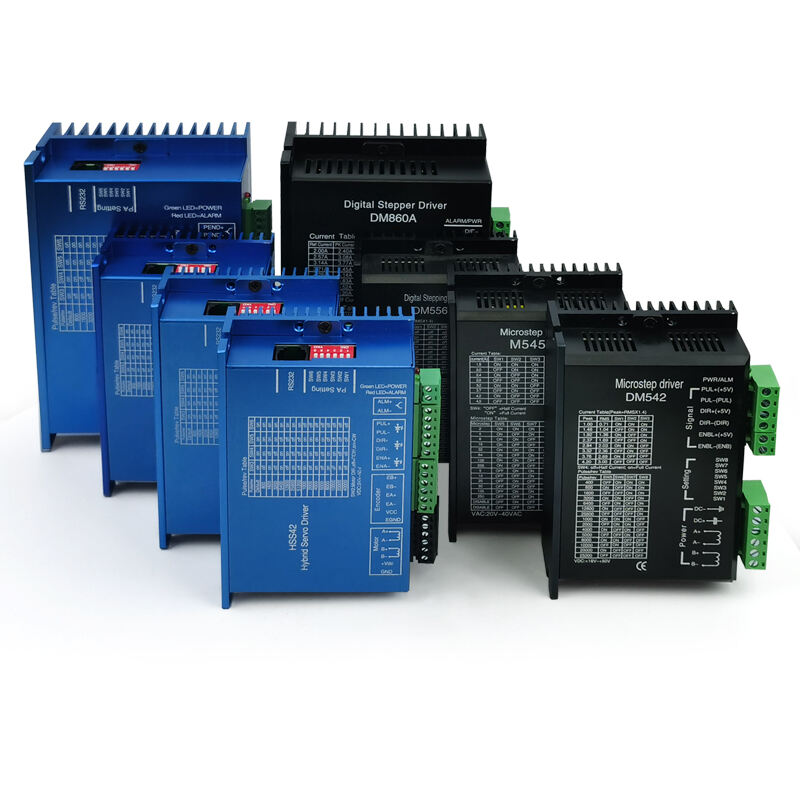
High-Performance Stepper Motori: Precision Control Motors for Industrial Automation

Get a Free Quote

Our representative will contact you soon.
Email
Name
Company Name
WhatsApp
Mobile
Message
0/1000

stepper motori

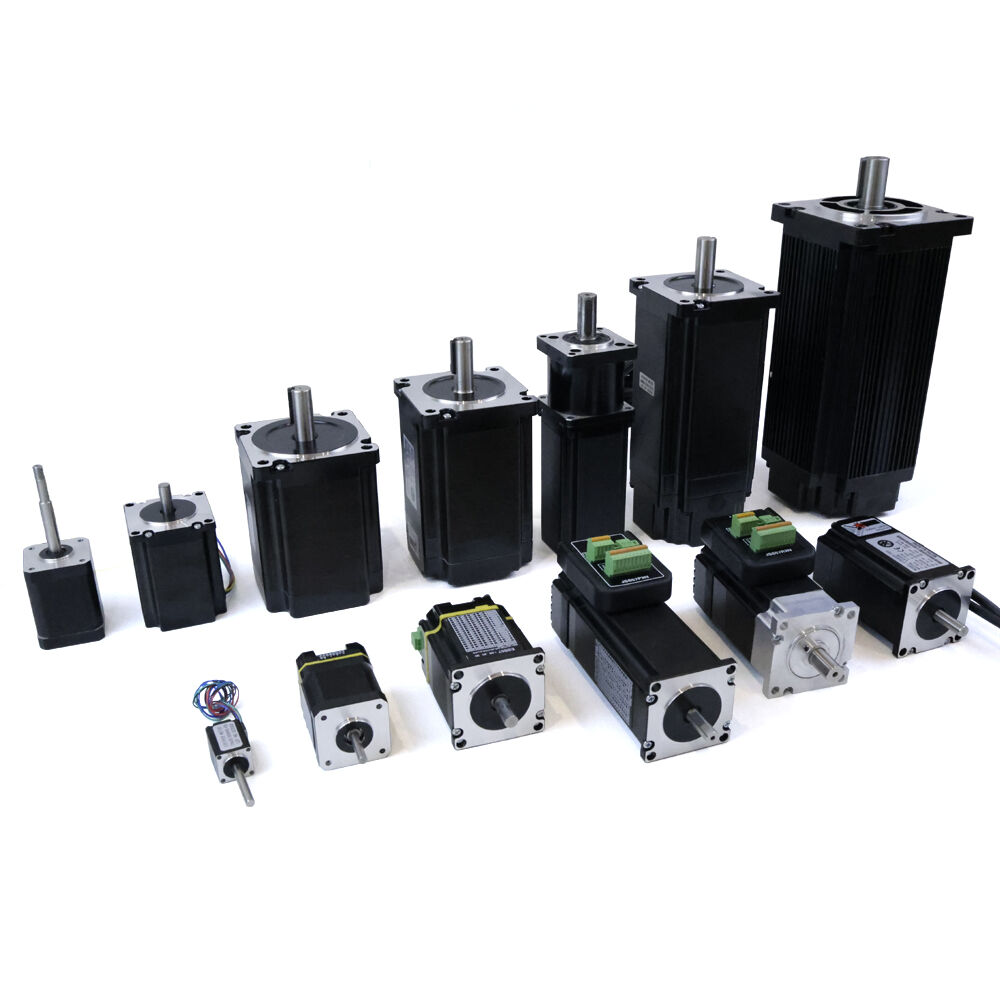
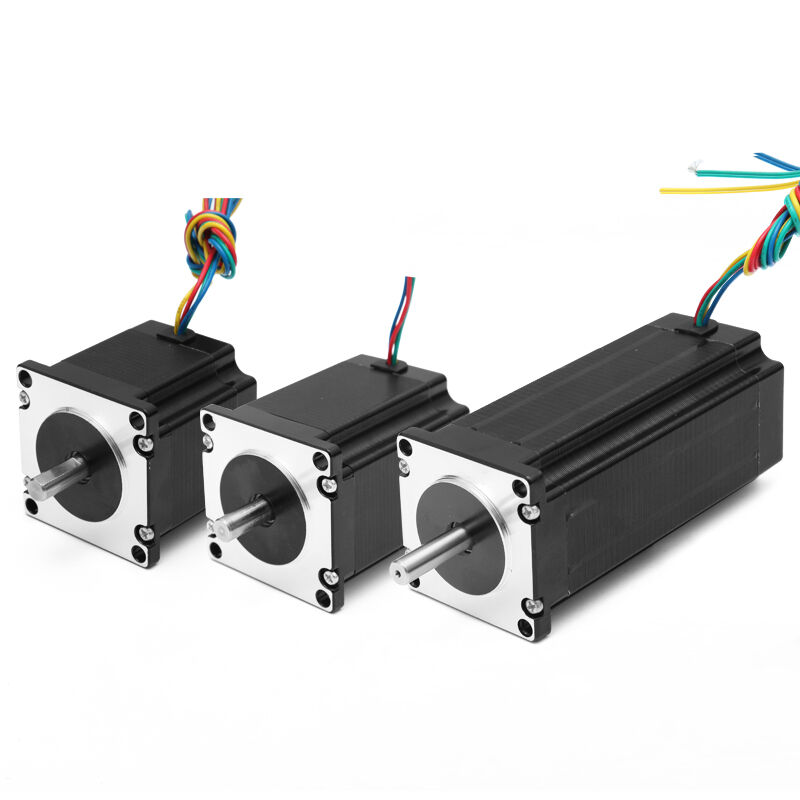
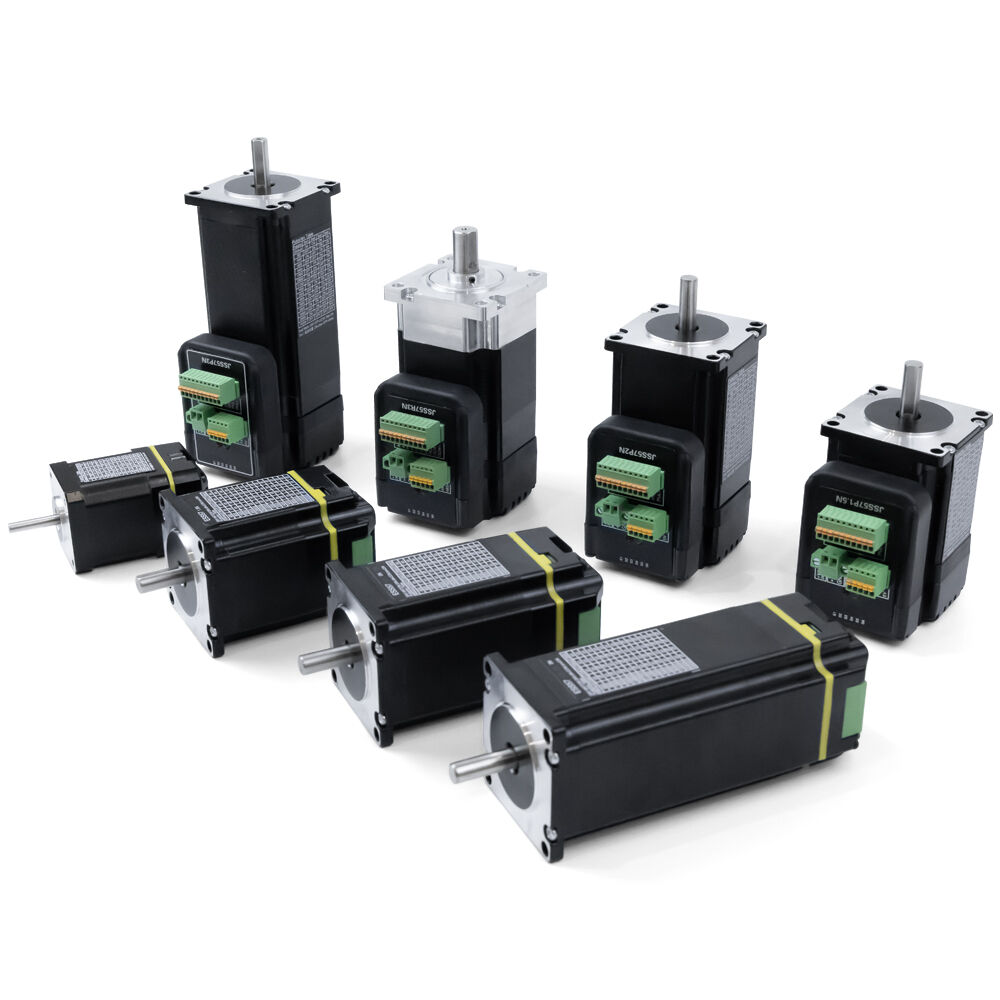
A stepper motori represents a revolutionary advancement in precision motor technology, delivering exceptional control and reliability across diverse industrial applications. Unlike conventional motors that rotate continuously, the stepper motori operates through discrete angular movements, allowing for precise positioning without requiring feedback systems. This innovative motor design incorporates electromagnetic principles to achieve step-by-step rotation, making it an indispensable component in automation systems worldwide. The stepper motori features multiple electromagnetic coils arranged around a rotor assembly, creating magnetic fields that attract and repel permanent magnets or magnetized teeth on the rotor. This configuration enables the motor to move in predetermined increments, typically ranging from 1.8 degrees to 15 degrees per step, depending on the specific model and construction. Modern stepper motori systems integrate advanced control electronics that manage current flow through individual coil windings, ensuring smooth operation and optimal torque delivery. The technology behind stepper motori encompasses various types, including permanent magnet, variable reluctance, and hybrid designs, each offering distinct characteristics suited to specific applications. Permanent magnet stepper motori units provide excellent holding torque and moderate step resolution, while variable reluctance models deliver higher step counts with reduced torque capabilities. Hybrid stepper motori combines the benefits of both technologies, achieving superior performance metrics that satisfy demanding industrial requirements. Applications for stepper motori span numerous industries, from 3D printing and CNC machining to robotics and medical equipment. In manufacturing environments, stepper motori drives conveyor systems, positioning mechanisms, and automated assembly lines with remarkable accuracy. The aerospace industry relies on stepper motori for satellite positioning systems and aircraft control mechanisms, where precision becomes critical for safety and performance. Additionally, stepper motori technology powers various consumer electronics, including printers, scanners, and camera lens systems, demonstrating its versatility across market segments.

New Products

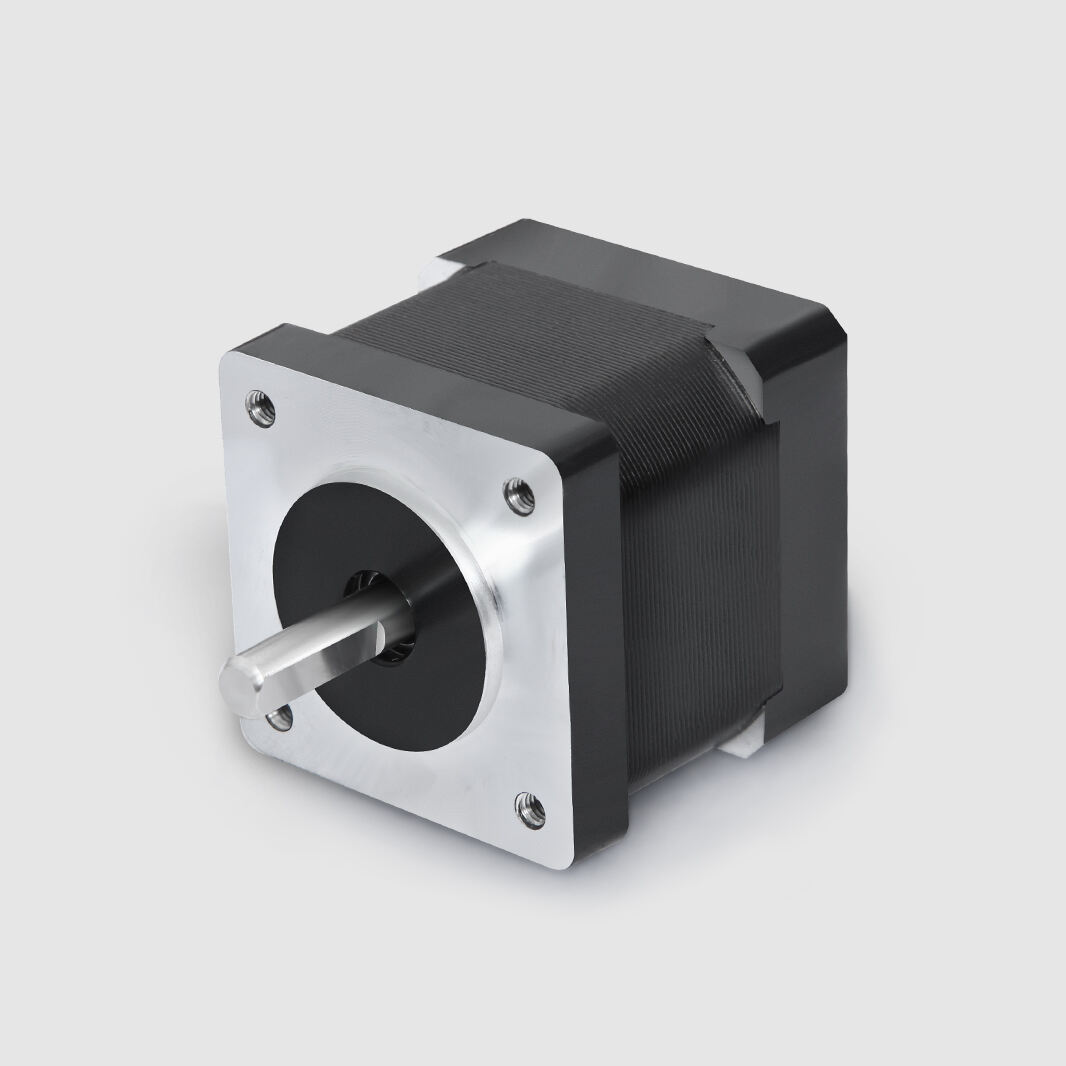
The stepper motori delivers remarkable precision positioning capabilities that eliminate the need for expensive feedback systems commonly required by other motor types. This inherent accuracy stems from the motor's ability to move in discrete steps, allowing operators to predict and control exact positioning without complex sensors or encoders. Users can achieve positioning accuracy within fractions of a degree, making the stepper motori ideal for applications demanding meticulous control. The open-loop control system of a stepper motori significantly reduces system complexity and maintenance requirements compared to servo motors that rely on continuous feedback mechanisms. Cost-effectiveness represents another compelling advantage of stepper motori technology, as these motors typically cost less than comparable servo systems while delivering similar performance levels. The simplified control architecture eliminates expensive feedback devices, reducing both initial investment and ongoing maintenance expenses. Organizations can implement stepper motori solutions without extensive training programs, as the technology requires minimal specialized knowledge for basic operation and maintenance. Furthermore, stepper motori systems demonstrate exceptional reliability due to their brushless design, which eliminates wear-prone components found in traditional brushed motors. This construction ensures extended operational life with minimal maintenance interventions, reducing downtime and replacement costs. The stepper motori maintains consistent torque characteristics across its speed range, providing predictable performance that engineers can accurately calculate during system design phases. Digital control compatibility makes stepper motori integration seamless with modern automation systems, programmable logic controllers, and computer-controlled machinery. The motor responds directly to digital pulse signals, eliminating the need for complex analog-to-digital conversion systems. This compatibility enables rapid system updates and modifications through software changes rather than hardware replacements. Additionally, stepper motori operation produces minimal electromagnetic interference compared to other motor technologies, making it suitable for sensitive electronic environments. The motor's ability to hold position without power consumption when stationary provides energy efficiency benefits in applications requiring frequent stopping and starting cycles. Users appreciate the instant response characteristics of stepper motori systems, as the motor can start, stop, or reverse direction immediately without complex acceleration or deceleration profiles required by other motor types.

Practical Tips

Why set current limits before first use of any stepper motor driver?

26

Sep

Why set current limits before first use of any stepper motor driver?

Understanding Current Limitation in Stepper Motor Control Systems Stepper motor drivers play a crucial role in modern automation and precision control applications. Setting proper current limits before initial operation is not just a recommendation -...
View More
AC Servo Motor vs. Stepper Motor: Which to Choose?

20

Oct

AC Servo Motor vs. Stepper Motor: Which to Choose?

Understanding Motion Control System Fundamentals In the world of precision motion control and automation, choosing the right motor technology can make or break your application's success. The debate between ac servo motors and stepper motors continue...
View More
2025 Guide: How to Choose the Right Servo Motor

27

Nov

2025 Guide: How to Choose the Right Servo Motor

The selection of the right servo motor stands as a critical decision in modern automation and machinery applications. As we move into 2025, the complexity and capabilities of these precision devices continue to evolve, making it essential for enginee...
View More
Industrial Servo Drive Systems: Benefits & Applications

12

Dec

Industrial Servo Drive Systems: Benefits & Applications

Industrial automation has revolutionized manufacturing processes across countless industries, with precision motion control serving as a cornerstone of modern production systems. At the heart of these sophisticated control mechanisms lies the servo d...
View More

Get a Free Quote

Our representative will contact you soon.
Email
Name
Company Name
WhatsApp
Mobile
Message
0/1000

stepper motori

Superior Precision Control Technology

Superior Precision Control Technology

The stepper motori incorporates cutting-edge precision control technology that revolutionizes how industries approach automated positioning and motion control applications. This advanced motor system operates through meticulously engineered electromagnetic sequences that create precise angular movements, typically achieving step resolutions as fine as 1.8 degrees per step in standard configurations. High-resolution stepper motori variants can deliver even finer increments through microstepping technology, reaching positioning accuracies measured in arc-minutes rather than degrees. The precision control technology embedded within each stepper motori unit enables repeatable positioning performance that remains consistent across millions of operational cycles, ensuring long-term reliability for critical applications. Unlike servo motors that require constant feedback correction, the stepper motori achieves remarkable accuracy through its inherent design characteristics, eliminating cumulative positioning errors that plague other motor technologies. This precision capability becomes particularly valuable in manufacturing environments where dimensional accuracy directly impacts product quality and production efficiency. Industries such as semiconductor fabrication, optical equipment manufacturing, and precision instrumentation rely heavily on stepper motori precision to maintain strict tolerances required for their products. The motor's ability to maintain position accuracy regardless of load variations or environmental conditions makes it an ideal choice for applications where consistency cannot be compromised. Advanced stepper motori models incorporate sophisticated driver technologies that optimize current waveforms, reducing vibration and noise while maximizing precision performance. These drivers can implement various microstepping algorithms that interpolate between full steps, effectively increasing resolution without sacrificing torque or speed capabilities. The precision control technology also enables predictive positioning, allowing system designers to calculate exact motor movements without requiring real-time feedback systems. This characteristic significantly simplifies control system architecture and reduces overall system costs while maintaining exceptional accuracy standards. Furthermore, the stepper motori precision control technology adapts well to varying operational requirements, permitting dynamic adjustment of step rates and torque levels to optimize performance for specific applications. Modern stepper motori systems can interface with advanced motion controllers that provide sophisticated trajectory planning, enabling complex multi-axis coordinated movements with maintaining precise synchronization between multiple motor units.
Energy-Efficient Operation and Design

Energy-Efficient Operation and Design

The stepper motori demonstrates exceptional energy efficiency through its innovative design principles and intelligent power management capabilities, making it an environmentally conscious choice for modern industrial applications. This motor technology achieves superior energy utilization by consuming power only during active movement phases, automatically reducing current consumption when holding positions or during idle periods. The energy-efficient characteristics of stepper motori systems stem from their brushless construction, which eliminates friction losses associated with physical brush contact found in traditional motor designs. This configuration not only extends operational life but also minimizes energy waste through reduced mechanical resistance and heat generation. Advanced stepper motori models incorporate intelligent current control systems that dynamically adjust power consumption based on load requirements and operational conditions. These systems can reduce holding current by up to 90 percent when full torque is not required, significantly lowering overall energy consumption without compromising position stability. The efficiency gains become particularly pronounced in applications involving frequent start-stop cycles, where conventional motors waste considerable energy during acceleration and deceleration phases. Stepper motori technology eliminates much of this waste by achieving instant response characteristics without requiring extended acceleration periods. Modern stepper motori drivers implement sophisticated algorithms that optimize current waveforms to maximize torque output while minimizing power consumption, achieving efficiency levels that often exceed 85 percent under optimal operating conditions. The energy-efficient design also incorporates thermal management features that prevent overheating while maintaining consistent performance levels across extended operational periods. This thermal efficiency reduces cooling requirements and associated energy costs in industrial installations. Additionally, the stepper motori regenerative capabilities allow certain models to recover energy during deceleration phases, feeding power back into the supply system rather than dissipating it as waste heat. The motor's ability to operate effectively at various voltage levels provides flexibility in system design, enabling engineers to optimize power supply configurations for maximum efficiency. Furthermore, stepper motori systems demonstrate excellent scalability, allowing organizations to implement energy-efficient solutions across multiple applications without requiring extensive infrastructure modifications. The reduced energy consumption translates directly into lower operational costs and reduced environmental impact, making stepper motori technology an attractive option for sustainability-focused organizations seeking to minimize their carbon footprint while maintaining high-performance automation capabilities.
Versatile Integration and Control Flexibility

Versatile Integration and Control Flexibility

The stepper motori excels in versatile integration capabilities, offering unprecedented control flexibility that adapts seamlessly to diverse automation requirements across multiple industries and applications. This remarkable adaptability stems from the motor's inherent compatibility with various control systems, ranging from simple microcontroller-based circuits to sophisticated industrial automation platforms. The stepper motori interface requirements remain straightforward, typically requiring only direction and pulse signals to achieve complex motion profiles, making integration accessible to engineers with varying levels of expertise. This simplicity extends to programming requirements, where basic stepper motori control can be implemented using standard programming languages without specialized motion control software. Advanced stepper motori systems support multiple communication protocols, including CANbus, Ethernet, RS-485, and USB interfaces, enabling seamless integration with modern industrial networks and distributed control systems. The motor's digital nature allows for precise speed and position control through software parameters, eliminating the need for mechanical adjustments or complex analog tuning procedures commonly associated with other motor technologies. Integration flexibility extends to mechanical mounting options, as stepper motori units are available in various form factors, from compact NEMA 8 frames suitable for portable devices to robust NEMA 42 configurations capable of handling substantial industrial loads. This range ensures that engineers can select appropriate stepper motori specifications that match their spatial constraints and performance requirements without compromising system design integrity. The motor's standardized mounting patterns facilitate easy replacement and upgrades, reducing long-term maintenance complexity and inventory management challenges. Control flexibility becomes particularly evident in multi-axis applications, where stepper motori systems can operate independently or in coordinated synchronization depending on application requirements. Advanced motion controllers can manage dozens of stepper motori units simultaneously, enabling complex automation sequences that would be difficult or impossible to achieve with other motor technologies. The stepper motori also demonstrates exceptional compatibility with various feedback devices for applications requiring closed-loop operation, including encoders, resolvers, and linear scales. This flexibility allows system designers to implement hybrid control strategies that combine the simplicity of open-loop stepper control with the accuracy assurance of closed-loop feedback systems. Furthermore, stepper motori technology supports dynamic parameter adjustment during operation, permitting real-time optimization of speed, acceleration, and torque characteristics based on changing load conditions or operational requirements.
+86-13401517369
[email protected]

Get a Free Quote

Our representative will contact you soon.
Email
Name
Company Name
WhatsApp
Mobile
Message
0/1000

Copyright © 2026 Changzhou Jinsanshi Mechatronics Co., Ltd. All rights reserved.  -  Privacy policy