Seamless Integration and Digital Control Compatibility
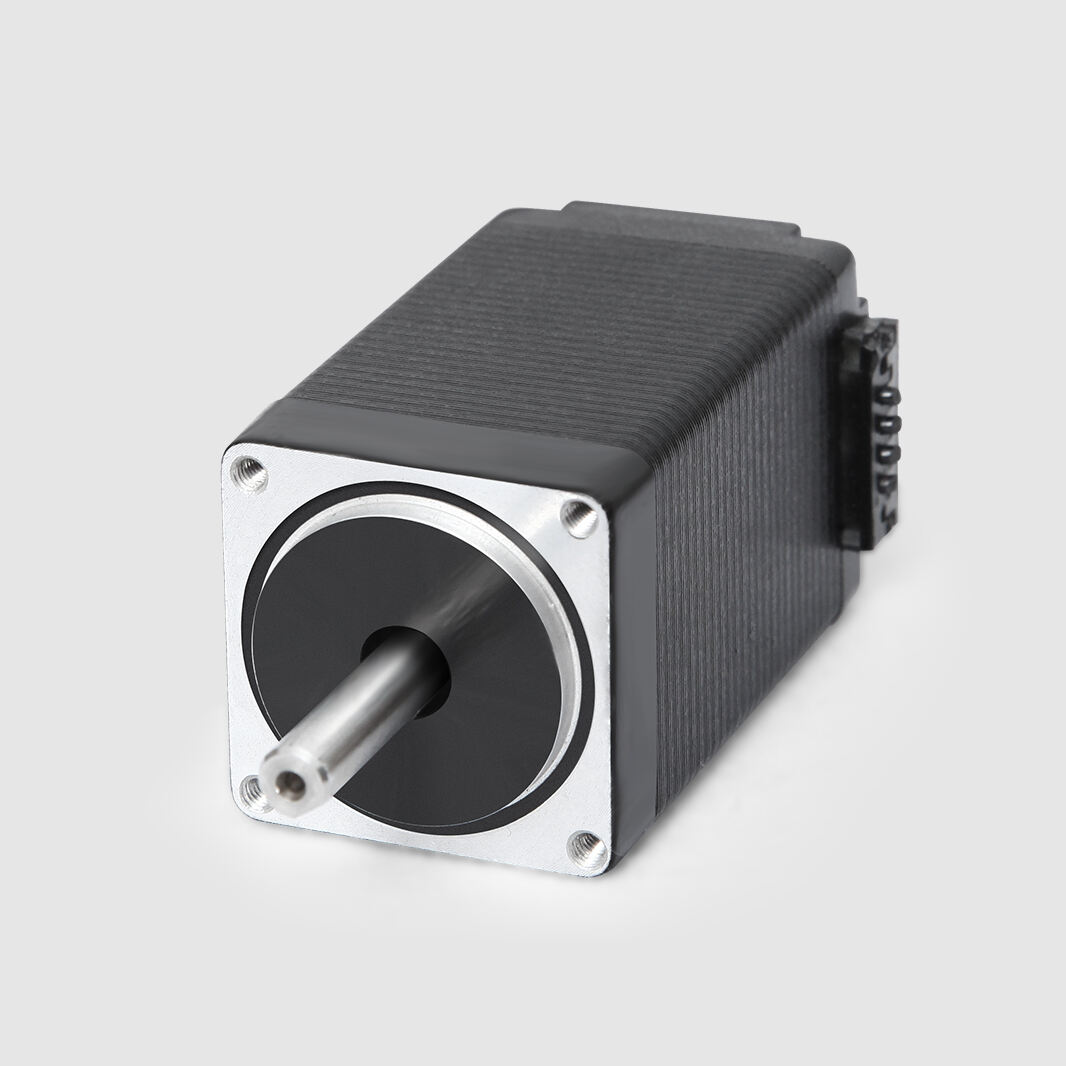
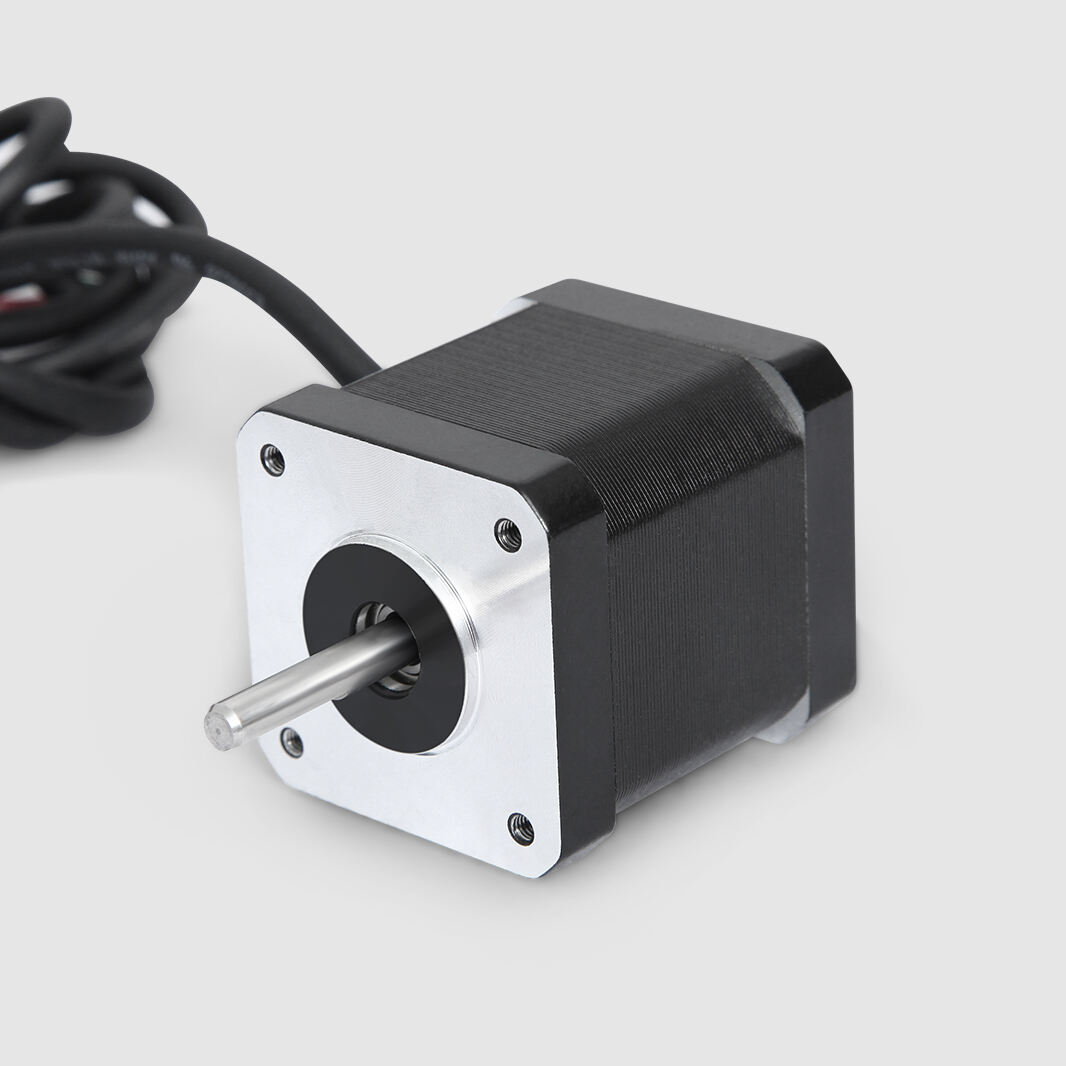
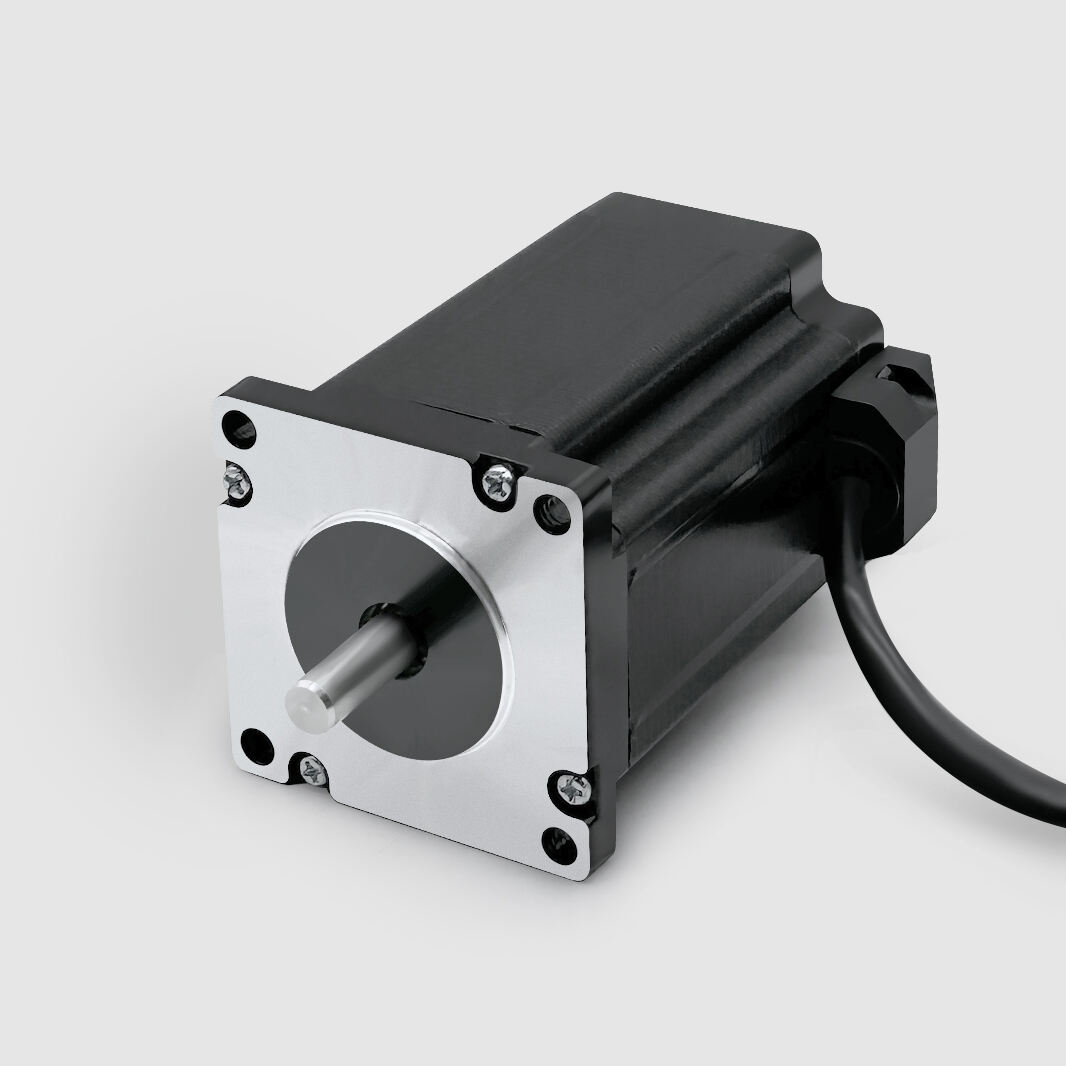
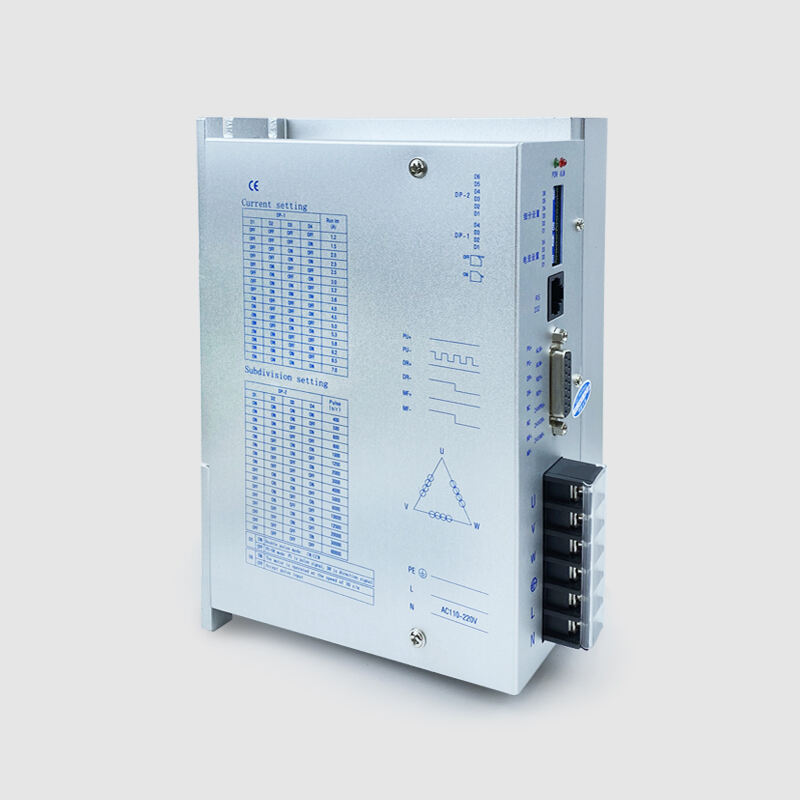
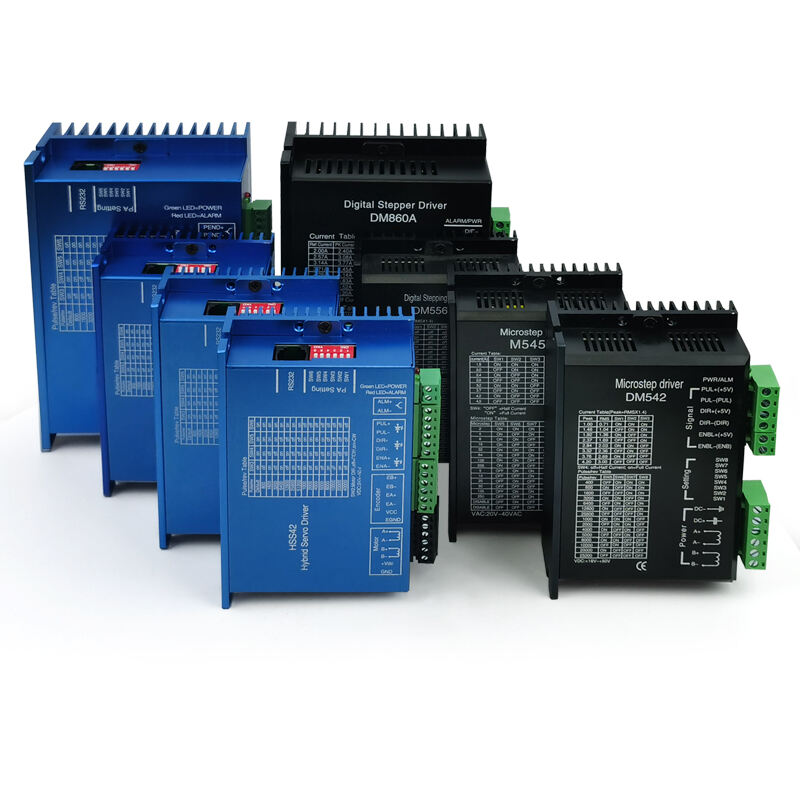
The 12v dc stepper motor offers unparalleled integration capabilities with modern digital control systems, making it the preferred choice for contemporary automation and precision control applications. The motor's digital nature allows direct interfacing with microcontrollers, programmable logic controllers, and computer-based control systems without requiring complex analog signal conditioning circuits. This compatibility stems from the motor's fundamental operation principle, where digital pulse sequences directly control rotational movement, creating a natural bridge between digital control systems and mechanical motion. The standard voltage requirement of 12 volts DC aligns perfectly with common electronic system power supplies, eliminating the need for specialized power conversion equipment in most applications. Modern 12v dc stepper motor drivers incorporate advanced features such as current regulation, thermal protection, and microstepping capabilities, all controllable through simple digital interfaces including SPI, I2C, or basic step and direction signals. This flexibility enables seamless integration into existing automation infrastructure while providing expansion capabilities for future system enhancements. The motor's inherent indexing capability eliminates the need for homing sequences in many applications, as the controller can track absolute position through step counting from any reference point. Programming motion profiles becomes straightforward with the 12v dc stepper motor, as complex movements can be broken down into simple step sequences with precise timing control. Multi-axis coordination is simplified because multiple motors can be synchronized through coordinated pulse timing, enabling sophisticated motion patterns without complex interpolation algorithms. The digital control interface supports various operational modes including constant speed rotation, acceleration and deceleration profiles, and complex positioning sequences. Real-time control capabilities allow dynamic adjustment of motor parameters during operation, including speed changes, direction reversals, and emergency stops with immediate response. The motor's compatibility with popular development platforms and programming languages accelerates system development and reduces time-to-market for new products. Standard communication protocols ensure compatibility with industrial automation networks, enabling integration into larger manufacturing execution systems and Industry 4.0 implementations.