Digital Integration and Programming Simplicity
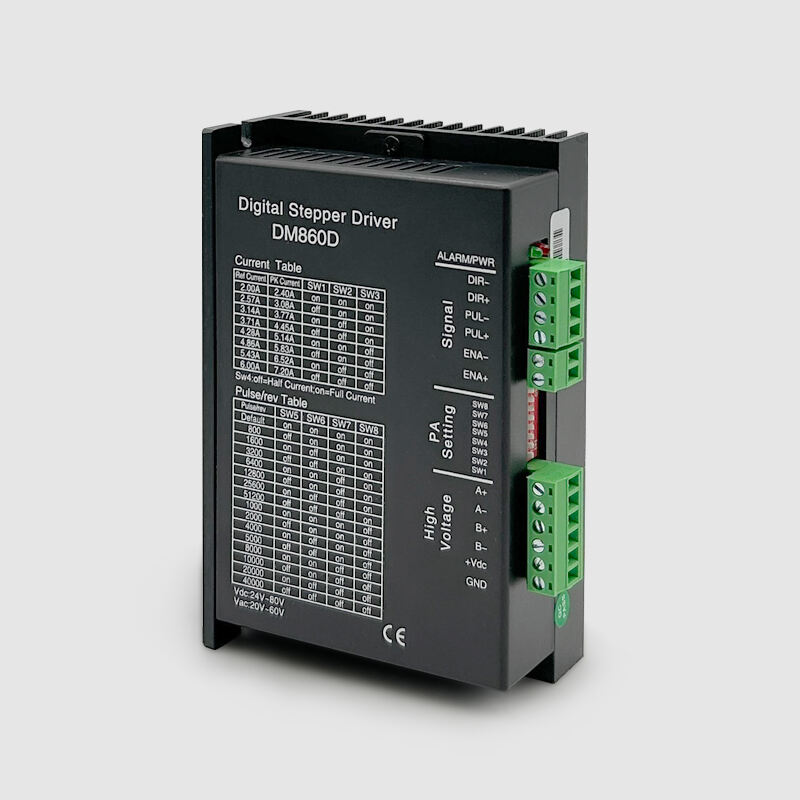
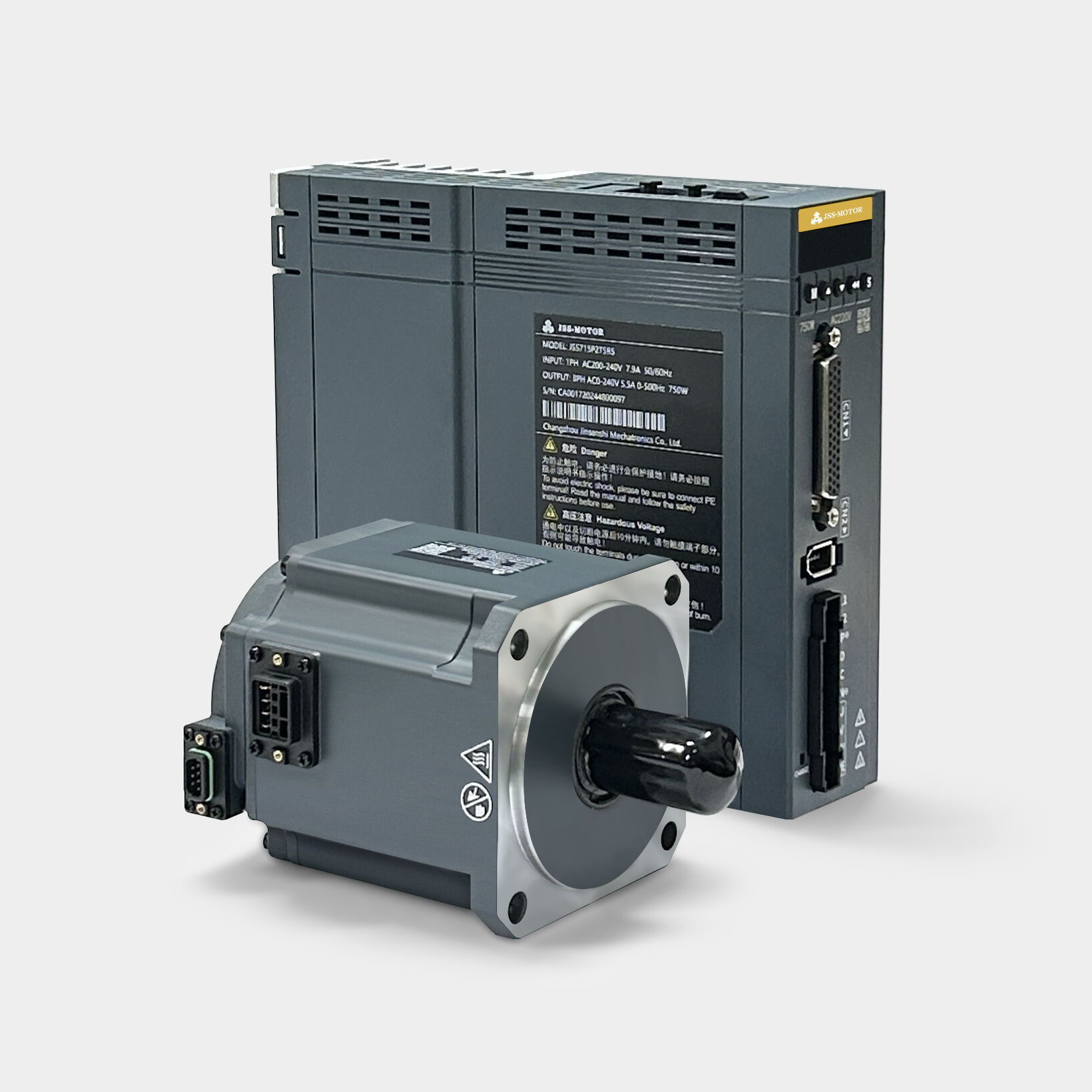
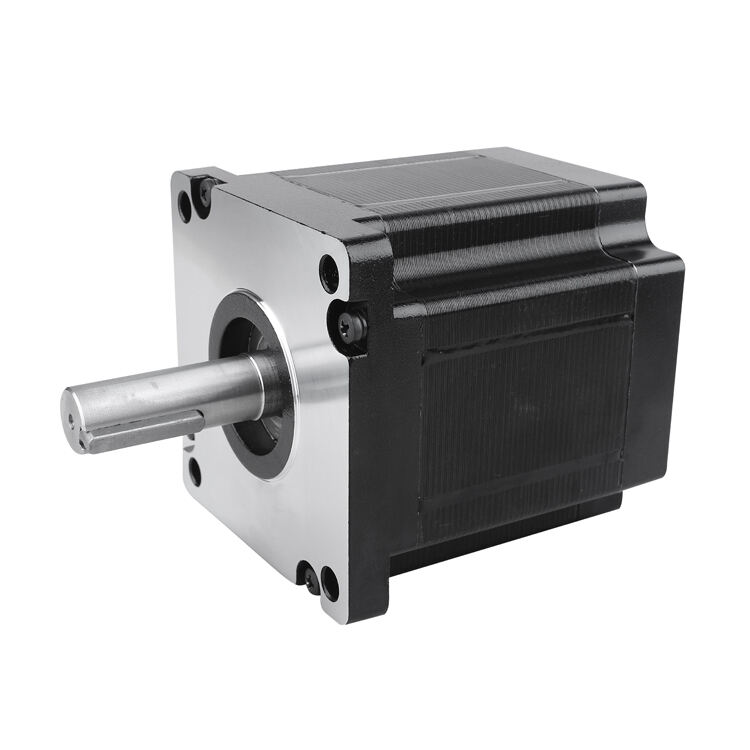
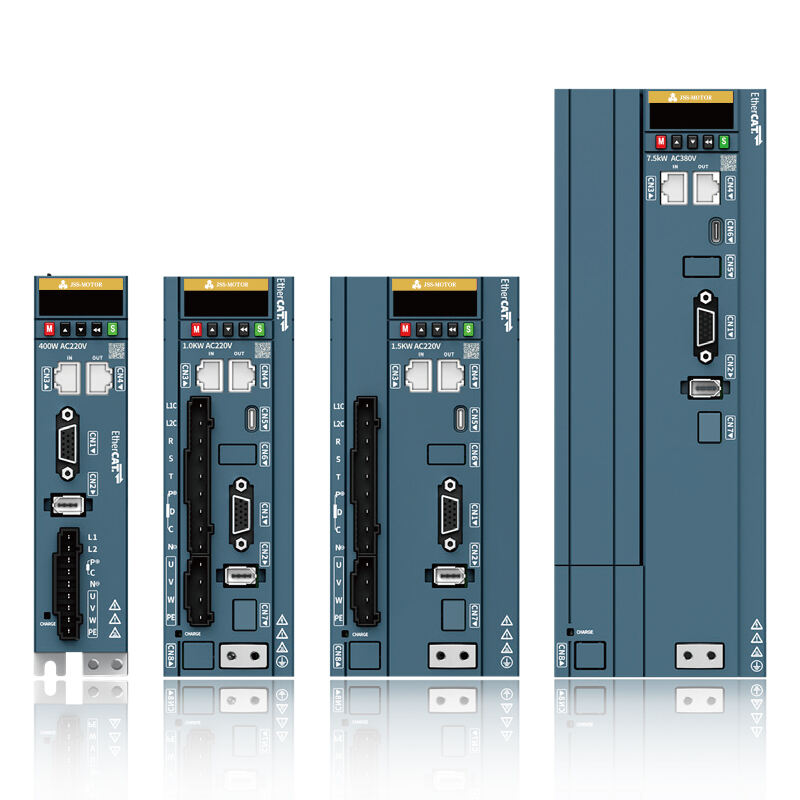
Step motori offer unparalleled ease of integration with modern digital control systems, providing simplified programming interfaces that reduce development time and system complexity. The digital nature of step motori control eliminates the need for complex analog signal conditioning and enables direct interface with digital controllers, computers, and programmable automation systems. This digital compatibility makes step motori particularly attractive for modern manufacturing environments that rely heavily on computer-controlled equipment and Industry 4.0 connectivity standards. Programming step motori requires only basic digital pulse generation, which most modern controllers can provide through dedicated stepper motor drivers or simple pulse output modules. The programming interface typically involves specifying the number of pulses for positioning moves and the pulse frequency for speed control, making step motori accessible to technicians and engineers without specialized motor control expertise. This simplicity contrasts sharply with servo motor programming, which often requires complex PID tuning, feedback signal processing, and advanced control algorithms. Step motori also support various microstepping techniques that further enhance their positioning resolution and motion smoothness. Microstepping divides each full step into smaller increments, typically 2, 4, 8, 16, or even 256 microsteps per full step, dramatically improving positioning accuracy and reducing mechanical vibration. Modern step motori drivers incorporate sophisticated current control algorithms that enable smooth microstepping operation while maintaining torque output and efficiency. The flexibility of step motori programming extends to motion profiling capabilities, where controllers can generate complex acceleration and deceleration curves to optimize performance for specific applications. These motion profiles help minimize mechanical stress, reduce settling time, and improve overall system efficiency. Many step motori controllers offer pre-programmed motion profiles for common applications, further simplifying system setup and commissioning. Additionally, step motori support various communication protocols including RS-232, RS-485, CAN bus, and Ethernet, enabling seamless integration with factory automation networks and remote monitoring systems. This connectivity allows operators to monitor step motori performance, receive diagnostic information, and implement predictive maintenance strategies that maximize equipment uptime and operational efficiency.