Advanced Servo Step Technology: Precision Motion Control Solutions for Industrial Automation

Get a Free Quote

Our representative will contact you soon.
Email
Name
Company Name
WhatsApp
Mobile
Message
0/1000

servo step

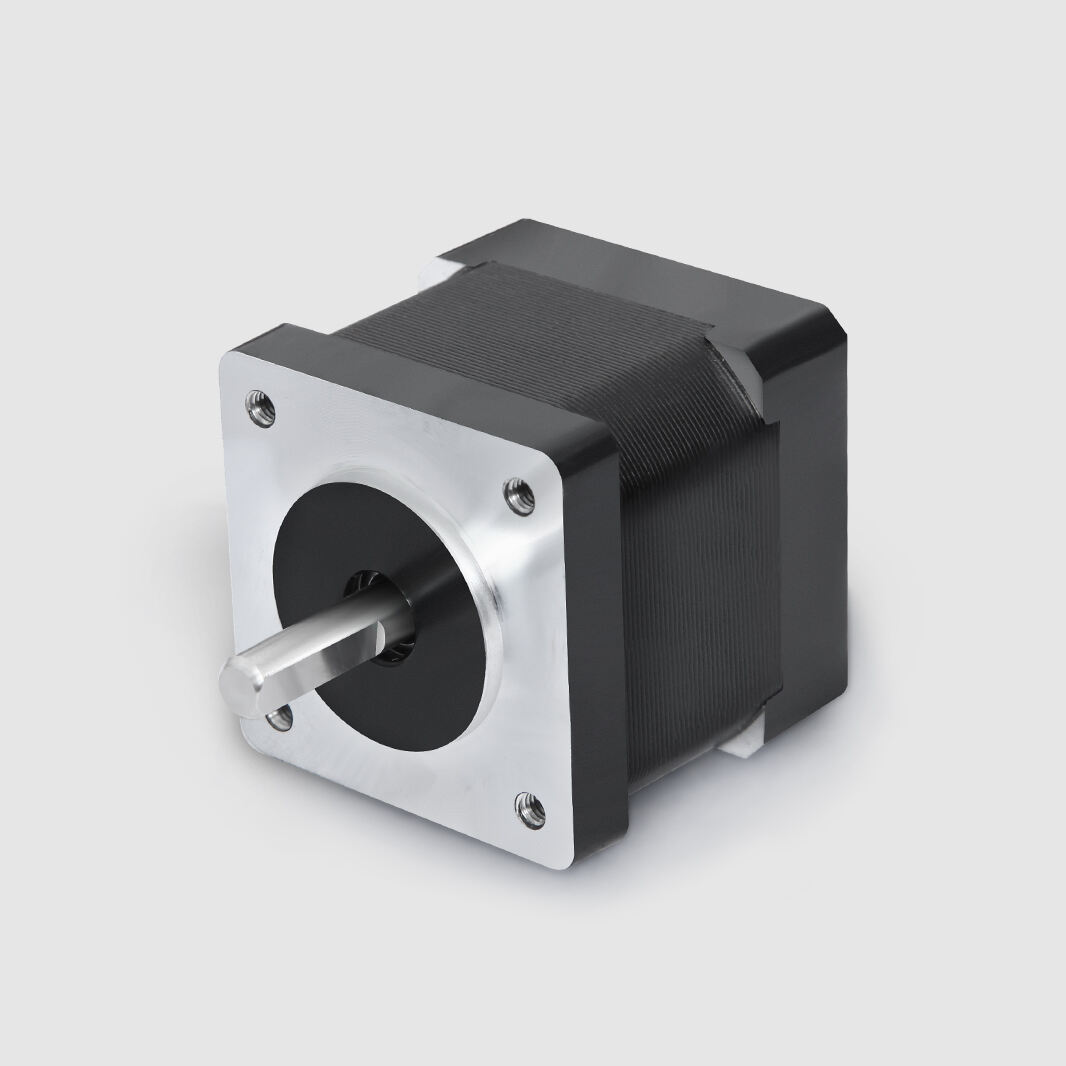
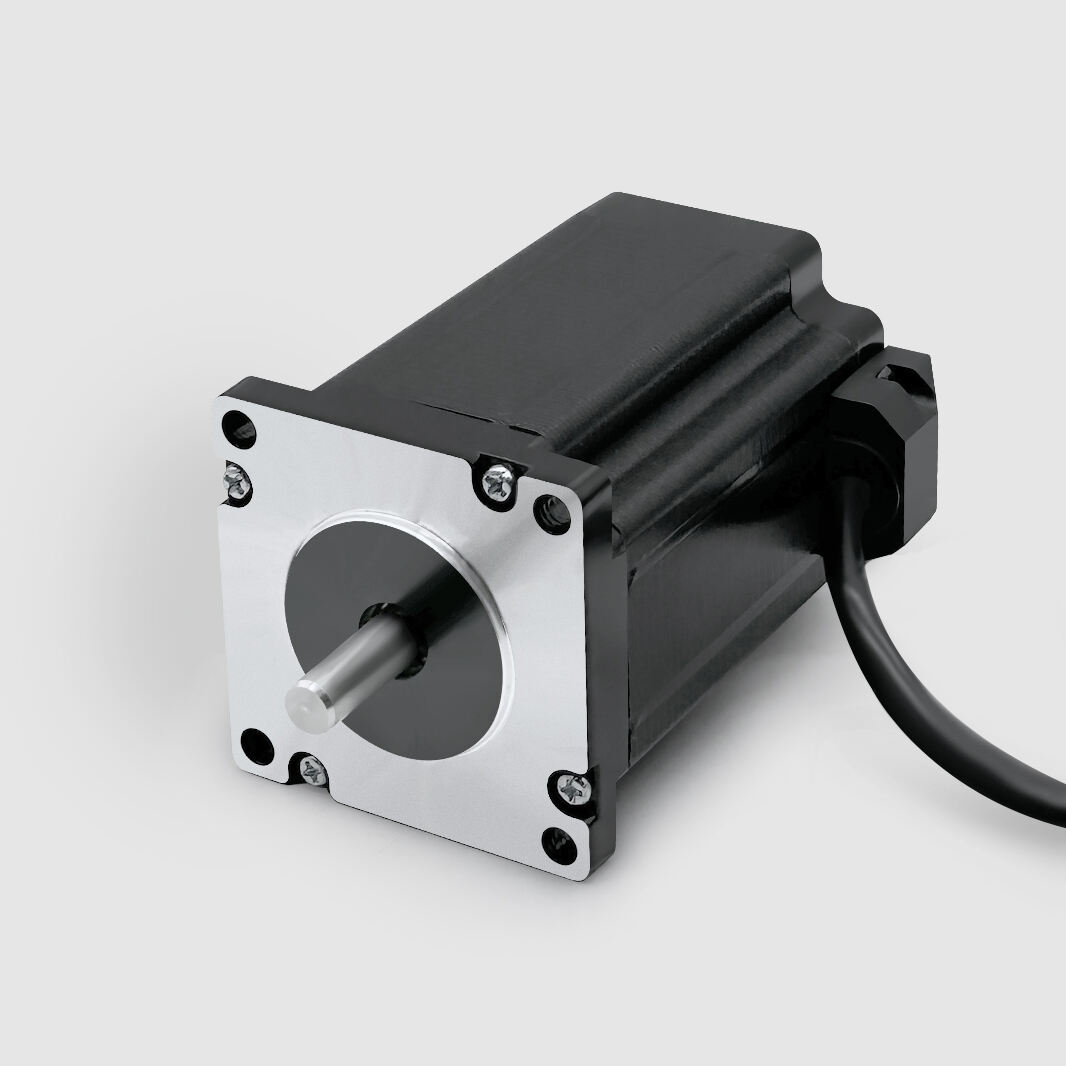
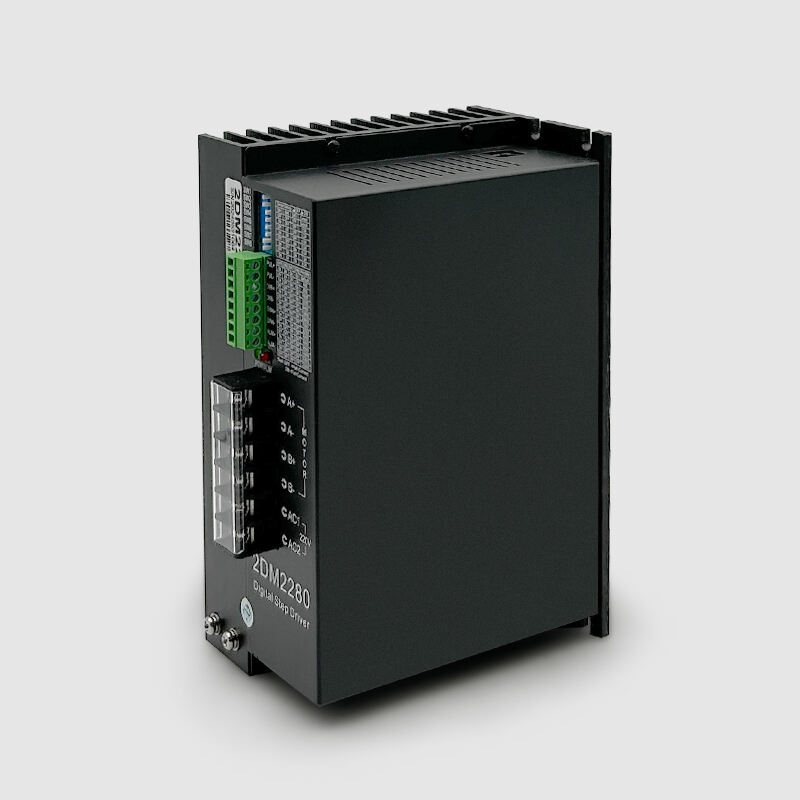
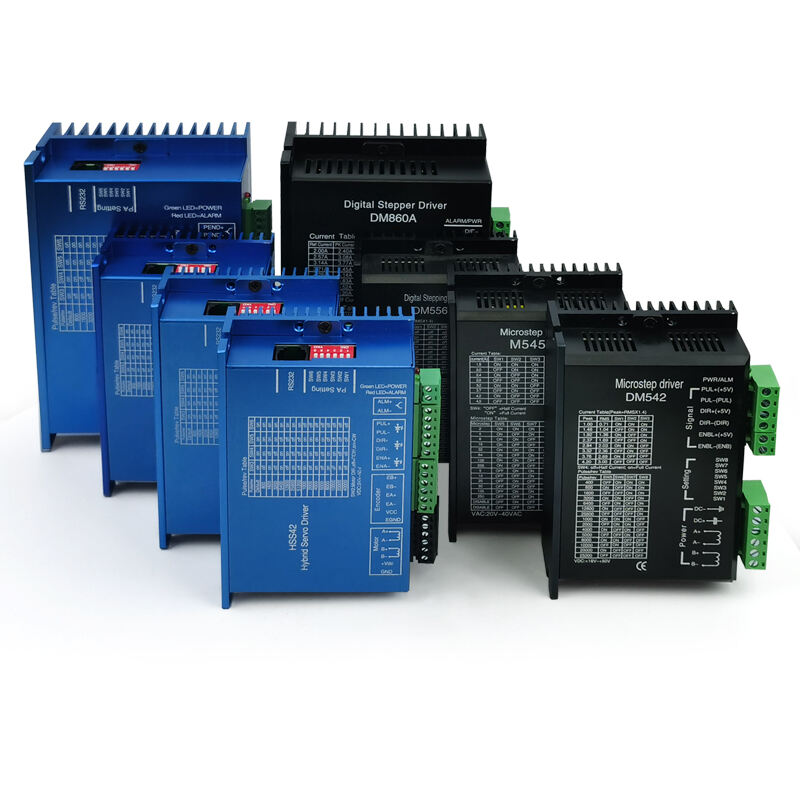
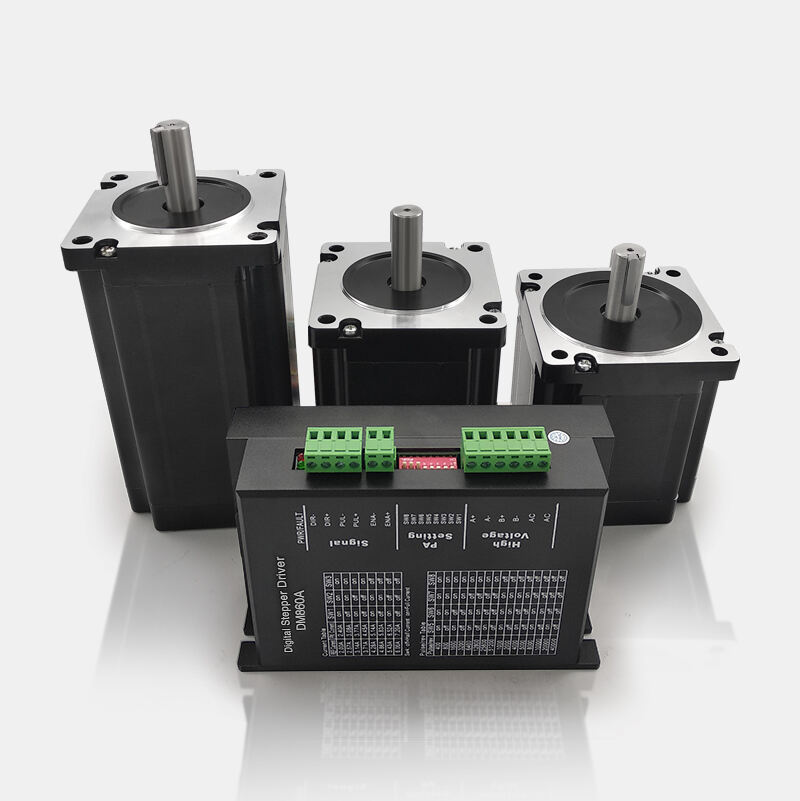
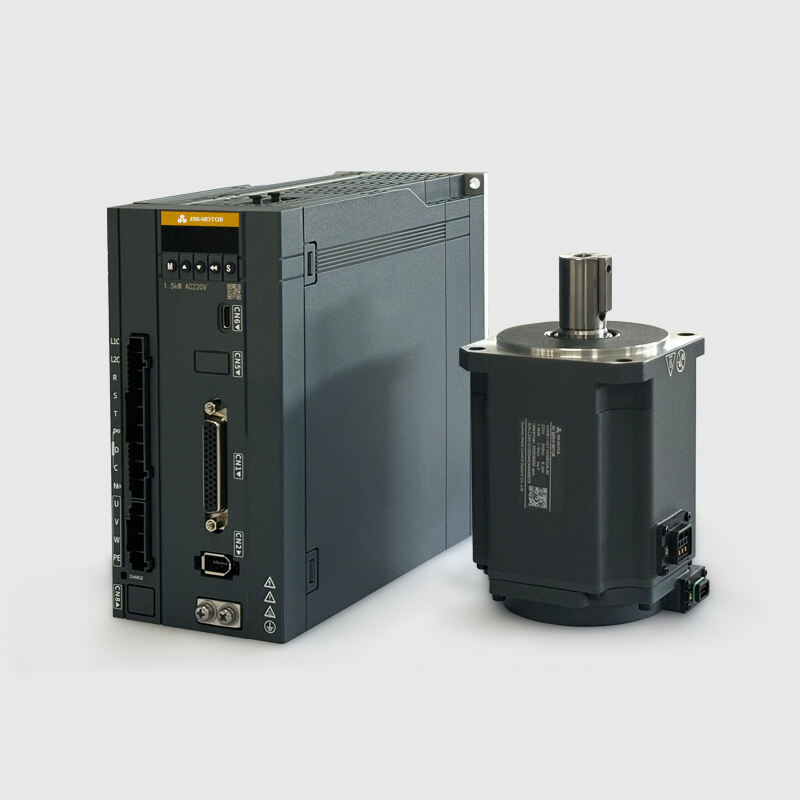
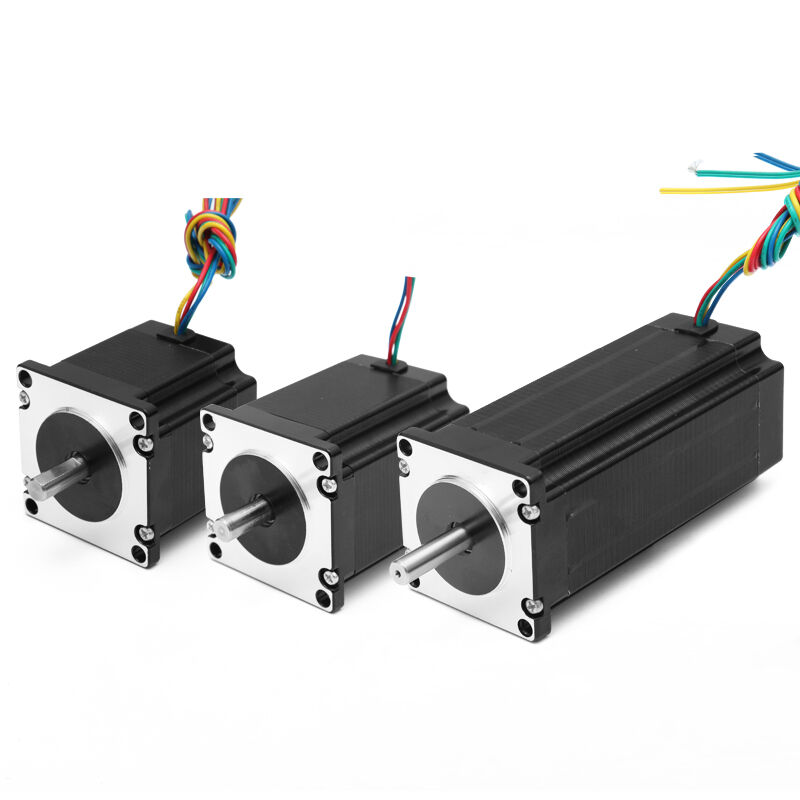
The servo step represents a revolutionary advancement in precision motion control technology, combining the exceptional accuracy of servo motors with the discrete positioning capabilities of stepper systems. This sophisticated device operates by utilizing closed-loop feedback control mechanisms that continuously monitor and adjust position, velocity, and torque parameters to achieve unprecedented levels of accuracy and repeatability. Unlike traditional stepper motors that operate in open-loop configurations, the servo step integrates advanced encoder feedback systems that provide real-time position verification and error correction capabilities. The core functionality revolves around intelligent control algorithms that process feedback signals from high-resolution encoders, enabling the system to detect and compensate for any positional deviations instantaneously. This technological innovation eliminates the common issues associated with conventional stepping systems, such as step loss, resonance problems, and reduced performance at higher speeds. The servo step employs sophisticated microprocessor-based controllers that manage complex motion profiles while maintaining optimal performance across varying load conditions. Key technological features include adaptive current control, anti-resonance algorithms, and dynamic torque optimization that collectively enhance operational efficiency. The device incorporates advanced digital signal processing capabilities that enable smooth motion interpolation and precise trajectory control for complex multi-axis applications. Primary applications span across industrial automation, CNC machinery, 3D printing systems, robotic platforms, packaging equipment, and laboratory instrumentation where precision positioning is critical. In manufacturing environments, servo step technology proves invaluable for assembly line automation, quality control systems, and material handling applications that demand consistent repeatability. The medical device industry extensively utilizes servo step systems in surgical robots, diagnostic equipment, and pharmaceutical manufacturing processes where precision directly impacts safety and efficacy. Additionally, aerospace and defense sectors rely on servo step technology for satellite positioning systems, radar equipment, and precision measurement instruments that require exceptional accuracy under demanding environmental conditions.
Popular Products

The servo step delivers exceptional positioning accuracy that surpasses conventional stepping systems by eliminating cumulative positioning errors through continuous feedback monitoring. This enhanced precision translates directly into improved product quality, reduced waste, and increased manufacturing consistency for businesses across various industries. The closed-loop control system ensures that each commanded position is achieved exactly as specified, providing peace of mind for applications where precision is non-negotiable. Energy efficiency represents another significant advantage, as the servo step optimizes power consumption by adjusting current levels based on actual load requirements rather than maintaining constant high current like traditional steppers. This intelligent power management reduces operating costs substantially while minimizing heat generation, leading to longer component lifespan and reduced cooling requirements. The adaptive control algorithms continuously optimize motor performance, ensuring maximum efficiency across varying operational conditions and load scenarios. Smooth operation characterizes the servo step experience, with virtually silent operation and elimination of the vibration and noise typically associated with conventional stepping motors. This smooth performance enhances workplace environments while enabling precise operation in noise-sensitive applications such as medical facilities and research laboratories. The absence of resonance issues allows for consistent performance across the entire speed range, from ultra-slow positioning moves to rapid transit operations. Reliability and durability distinguish servo step systems through their robust construction and intelligent fault detection capabilities. The integrated feedback systems provide early warning of potential issues, enabling preventive maintenance scheduling that minimizes unexpected downtime. This proactive approach to system health monitoring significantly reduces maintenance costs while ensuring consistent operational availability. The servo step also offers exceptional versatility through programmable motion profiles that can be easily customized for specific applications without requiring hardware modifications. This flexibility enables rapid deployment across different production scenarios and simplifies equipment reconfiguration for new products. Advanced communication protocols facilitate seamless integration with existing automation systems, reducing implementation complexity and associated costs. The high-speed response capabilities of servo step technology enable faster cycle times and increased productivity compared to traditional positioning systems. This performance advantage directly translates into improved throughput and enhanced competitiveness in demanding manufacturing environments where time-to-market pressures are intense.

Latest News

Why set current limits before first use of any stepper motor driver?

26

Sep

Why set current limits before first use of any stepper motor driver?

Understanding Current Limitation in Stepper Motor Control Systems Stepper motor drivers play a crucial role in modern automation and precision control applications. Setting proper current limits before initial operation is not just a recommendation -...
View More
Can a stepper driver run on 24 V without extra heat sinking?

26

Sep

Can a stepper driver run on 24 V without extra heat sinking?

Understanding Stepper Driver Voltage Requirements and Thermal Management Stepper drivers are essential components in motion control systems, and their voltage capabilities significantly impact performance. When considering whether a stepper driver ca...
View More
AC Servo Motor Selection: Key Factors for Optimal Performance

20

Oct

AC Servo Motor Selection: Key Factors for Optimal Performance

Understanding the Fundamentals of Modern Motion Control Systems In the evolving landscape of industrial automation, ac servo motors have emerged as the cornerstone of precise motion control. These sophisticated devices combine advanced electromagneti...
View More
2025 BLDC Motor Guide: Types, Benefits & Applications

12

Dec

2025 BLDC Motor Guide: Types, Benefits & Applications

Brushless DC motors have revolutionized modern industrial applications with their superior efficiency, reliability, and precision control capabilities. As we advance into 2025, understanding the intricacies of BLDC motor technology becomes crucial fo...
View More

Get a Free Quote

Our representative will contact you soon.
Email
Name
Company Name
WhatsApp
Mobile
Message
0/1000

servo step

Precision Positioning with Zero Step Loss Guarantee

Precision Positioning with Zero Step Loss Guarantee

The servo step technology revolutionizes motion control through its absolute elimination of step loss, a persistent problem that has plagued traditional stepping systems for decades. This breakthrough capability stems from the integration of high-resolution encoders that provide continuous position feedback, enabling the control system to detect and immediately correct any deviation from the commanded position. The closed-loop architecture ensures that every single step command is executed precisely, maintaining perfect synchronization between the commanded position and actual motor position regardless of load variations, external disturbances, or operating conditions. This zero step loss guarantee provides manufacturers with unprecedented confidence in their automated systems, eliminating the need for periodic recalibration and reducing quality control concerns significantly. The technology employs sophisticated error detection algorithms that can identify positional discrepancies as small as micro-steps, automatically implementing corrective actions before any meaningful deviation occurs. This proactive error correction capability is particularly valuable in applications such as semiconductor manufacturing, where even minute positional errors can result in expensive product defects or complete batch failures. The economic impact of this precision extends beyond immediate quality improvements, as manufacturers experience dramatic reductions in scrap rates, rework costs, and warranty claims. In high-volume production environments, the cumulative effect of zero step loss translates into substantial cost savings and improved profit margins. The technology also enables the implementation of more aggressive motion profiles without sacrificing accuracy, allowing for faster cycle times and increased throughput. Quality assurance processes become more streamlined as the inherent precision of servo step systems reduces the need for extensive testing and verification procedures. The reliability of position accuracy also enables the development of more sophisticated automation strategies, including advanced path planning and coordination between multiple axes. This positioning guarantee extends the operational life of downstream equipment by ensuring consistent part presentation and reducing wear caused by misalignment. The confidence provided by zero step loss capability enables engineers to design more ambitious automation solutions, knowing that positioning accuracy will never compromise system performance or product quality.
Intelligent Adaptive Control for Maximum Efficiency

Intelligent Adaptive Control for Maximum Efficiency

The servo step incorporates groundbreaking adaptive control technology that continuously optimizes motor performance based on real-time operating conditions, delivering unmatched efficiency and responsiveness across diverse application requirements. This intelligent system utilizes advanced machine learning algorithms that analyze load characteristics, motion patterns, and environmental factors to automatically adjust control parameters for optimal performance. The adaptive nature of this control system means that the servo step learns from each operation, continuously refining its performance profile to match specific application needs without requiring manual tuning or external programming. This self-optimizing capability represents a paradigm shift from static control systems that operate with fixed parameters regardless of changing conditions. The technology monitors multiple performance indicators simultaneously, including current consumption, temperature, vibration levels, and positioning accuracy, using this comprehensive data to make intelligent adjustments that maximize both efficiency and performance. Energy consumption optimization occurs through dynamic current control that adjusts motor excitation levels based on actual load requirements rather than worst-case scenarios. This intelligent power management can reduce energy consumption by up to forty percent compared to traditional stepping systems, resulting in significant operational cost savings and reduced environmental impact. The adaptive control system also implements predictive maintenance capabilities by analyzing performance trends and identifying potential issues before they impact system operation. This proactive approach to system health monitoring enables scheduled maintenance activities that minimize unexpected downtime while extending component service life. Temperature management becomes more effective through intelligent thermal monitoring that adjusts operating parameters to prevent overheating while maintaining optimal performance levels. The system can automatically reduce current levels during periods of high ambient temperature or extended operation, preventing thermal damage while preserving positioning accuracy. Load adaptation represents another crucial aspect of the intelligent control system, with algorithms that automatically adjust torque output and acceleration profiles based on actual load conditions. This capability ensures optimal performance whether handling light precision components or heavy industrial payloads, eliminating the need for manual parameter adjustments when application requirements change. The adaptive control technology also optimizes motion smoothness by automatically adjusting acceleration and deceleration profiles to minimize vibration and mechanical stress while maintaining rapid positioning speeds.
Seamless Integration and Future-Ready Connectivity

Seamless Integration and Future-Ready Connectivity

The servo step sets new standards for industrial connectivity through its comprehensive communication capabilities and plug-and-play integration features that simplify deployment while ensuring compatibility with both current and emerging automation technologies. This forward-thinking approach to connectivity addresses the critical need for flexible, scalable automation solutions that can evolve with changing technological requirements and business needs. The system supports multiple industrial communication protocols simultaneously, including Ethernet-based networks such as EtherCAT, Profinet, and Modbus TCP, ensuring seamless integration with virtually any existing automation infrastructure. Advanced fieldbus compatibility extends to traditional protocols like CANopen, DeviceNet, and Profibus, providing migration paths for legacy systems while maintaining investment protection. The servo step also incorporates cutting-edge IoT connectivity features that enable remote monitoring, diagnostics, and configuration through secure cloud-based platforms. This connectivity revolution transforms maintenance strategies by providing real-time system health data, performance analytics, and predictive failure warnings accessible from anywhere in the world. The integration process is streamlined through intelligent auto-configuration capabilities that automatically detect network parameters and establish communication links without requiring extensive manual setup procedures. Standardized mounting interfaces and electrical connections ensure mechanical compatibility with existing equipment, minimizing installation time and reducing the complexity of system upgrades. The servo step includes comprehensive software libraries and development tools that accelerate application programming and reduce time-to-market for new automation projects. Pre-configured motion control functions eliminate the need for low-level programming, enabling engineers to focus on application-specific requirements rather than fundamental motion control algorithms. Diagnostic capabilities are enhanced through built-in web servers that provide intuitive graphical interfaces for system monitoring, parameter adjustment, and troubleshooting activities. These embedded diagnostic tools reduce the need for specialized test equipment while empowering maintenance personnel with comprehensive system visibility. Security features incorporate industrial-grade encryption and authentication protocols that protect against cyber threats while enabling secure remote access capabilities. The modular software architecture supports over-the-air updates that can add new features or enhance existing capabilities without requiring hardware modifications or system downtime. Scalability is inherent in the design, with support for coordinated multi-axis systems that can be expanded or reconfigured as production requirements evolve. The servo step also provides extensive data logging capabilities that capture operational parameters for process optimization, quality analysis, and compliance documentation. Future compatibility is ensured through open architecture designs that can accommodate emerging communication standards and evolving industrial protocols, protecting automation investments for years to come.
+86-13401517369
[email protected]

Get a Free Quote

Our representative will contact you soon.
Email
Name
Company Name
WhatsApp
Mobile
Message
0/1000

Copyright © 2026 Changzhou Jinsanshi Mechatronics Co., Ltd. All rights reserved.  -  Privacy policy