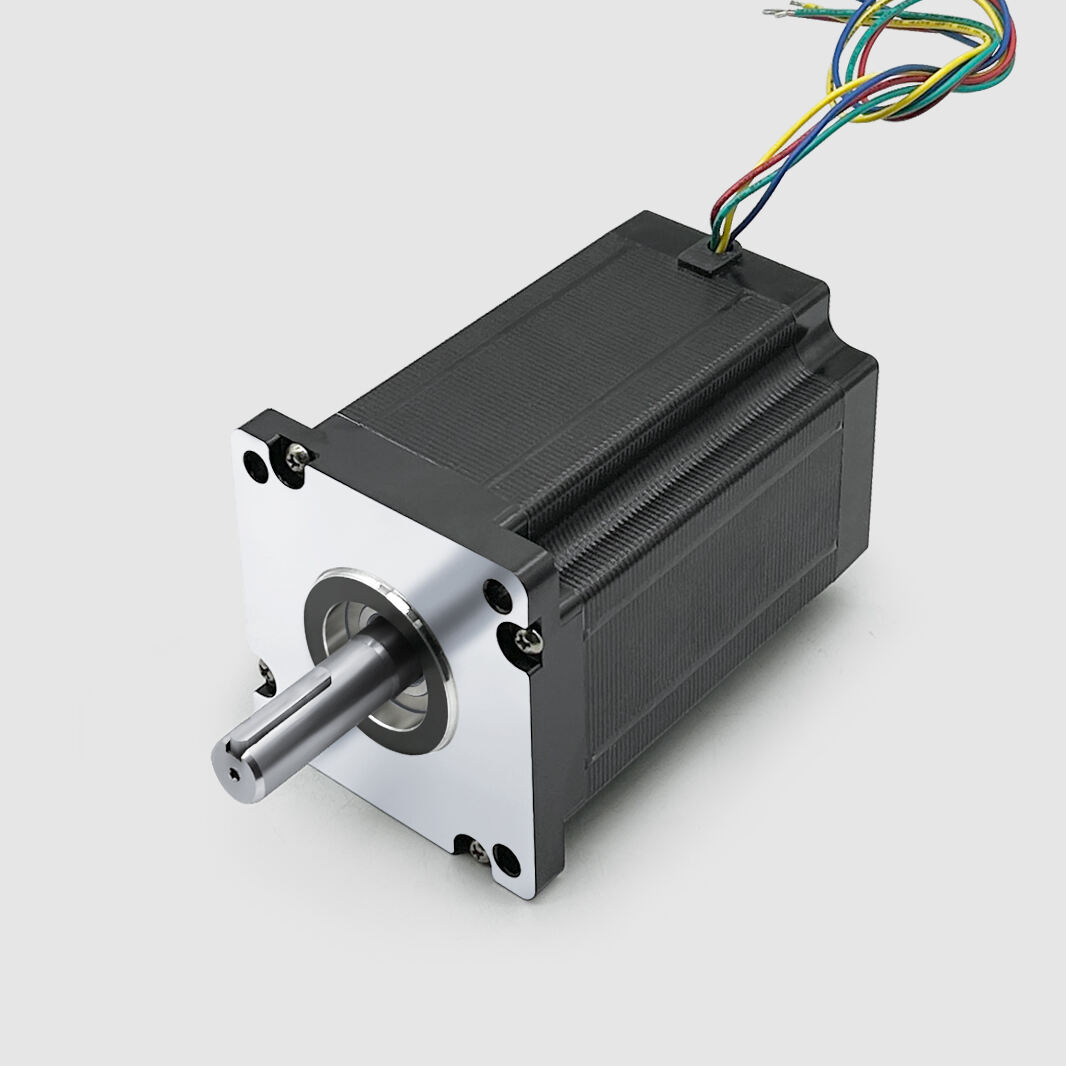
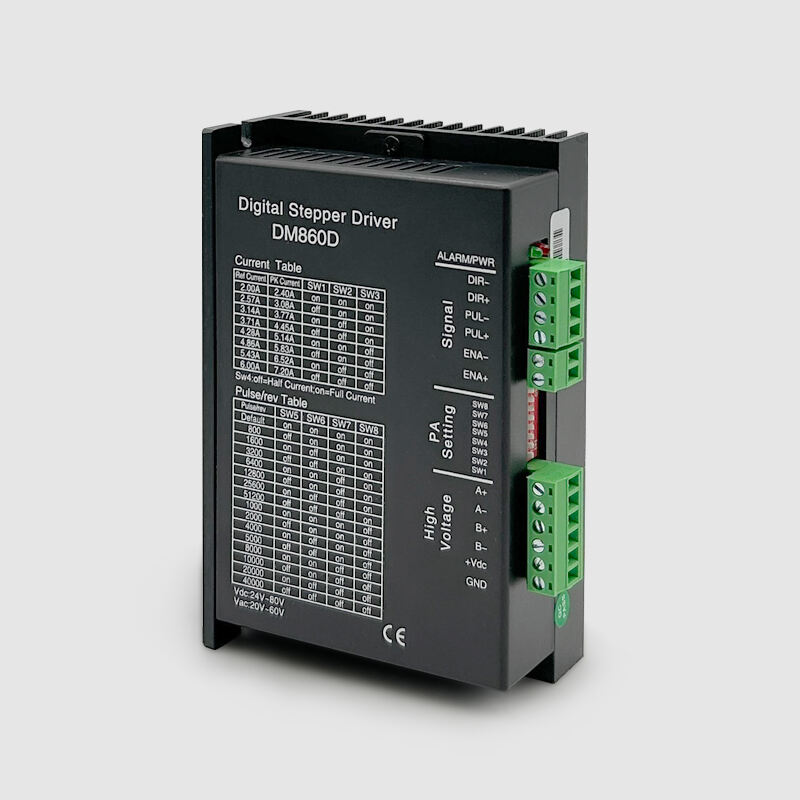
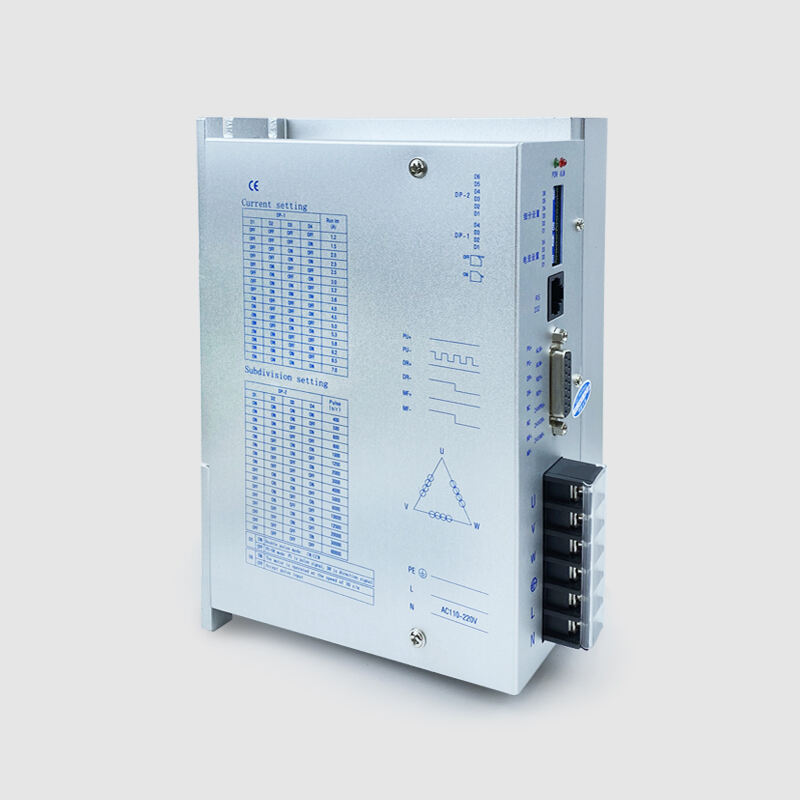
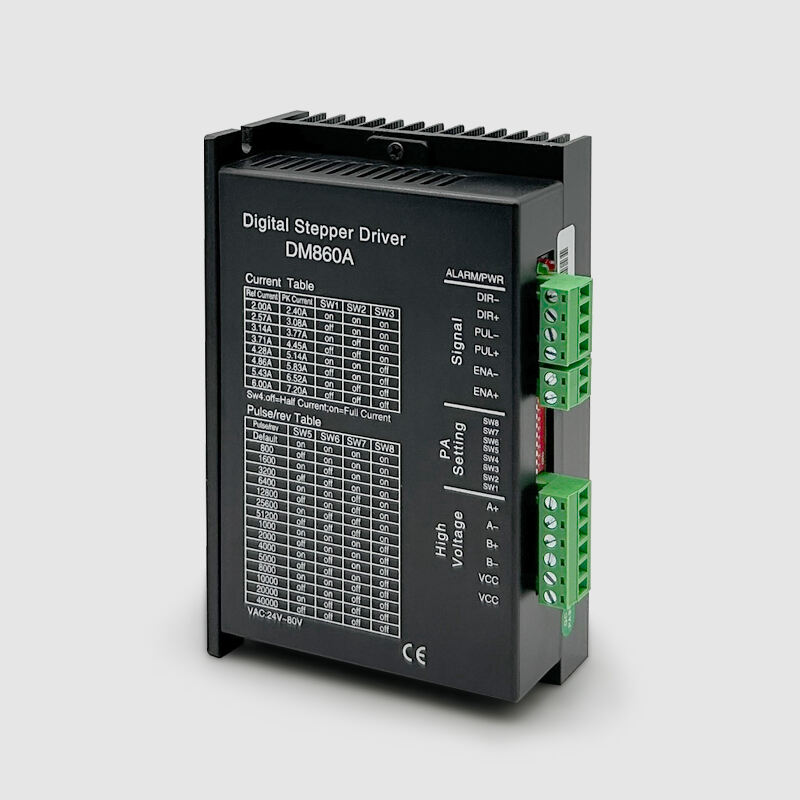
220V Stepper Motor: Precision Control Solutions for Industrial Applications

Get a Free Quote

Our representative will contact you soon.
Email
Name
Company Name
WhatsApp
Mobile
Message
0/1000

220v stepper motor

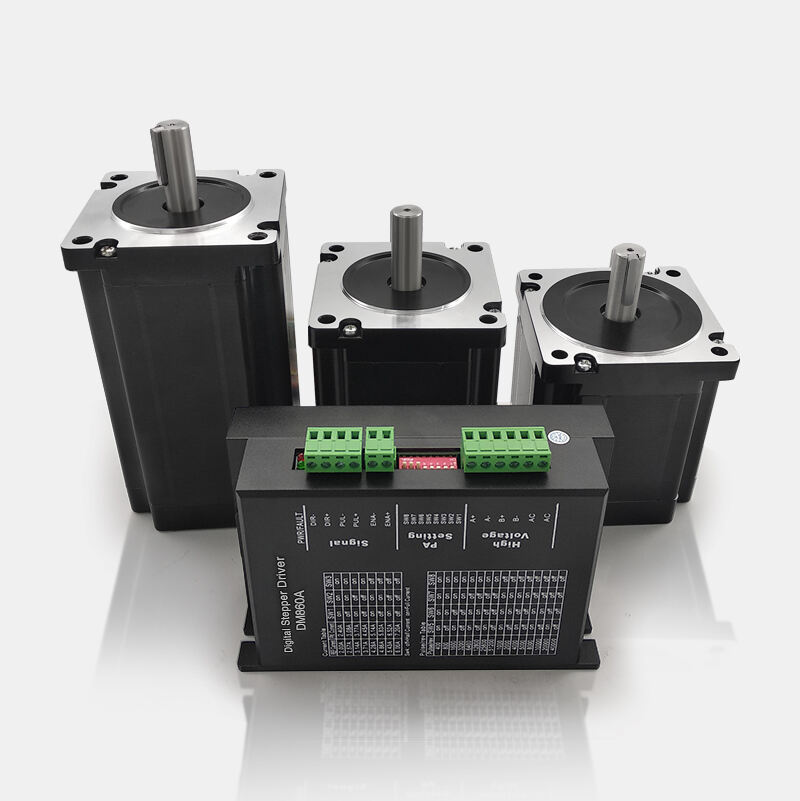
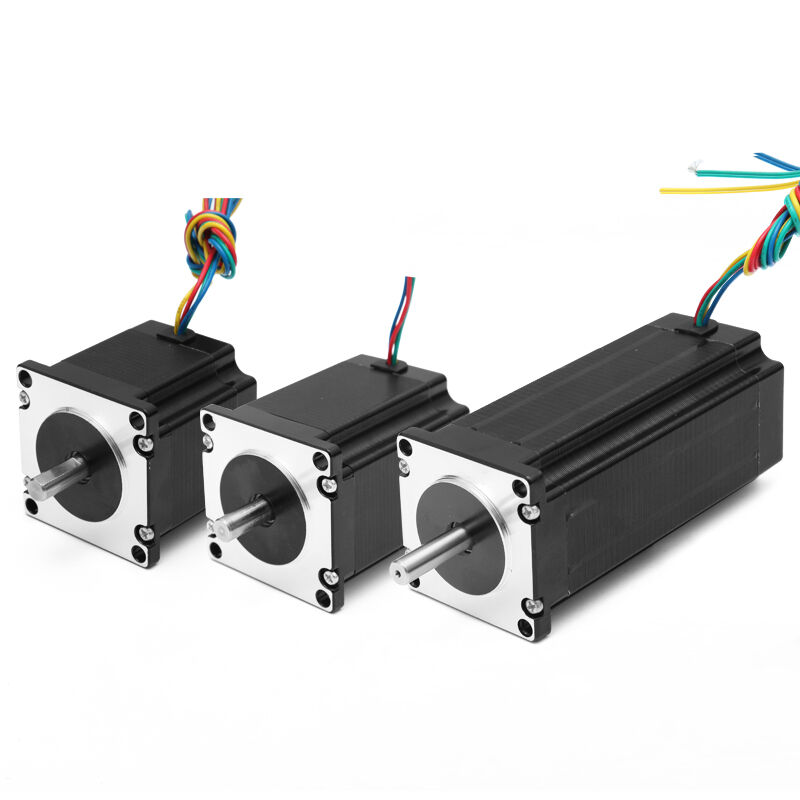
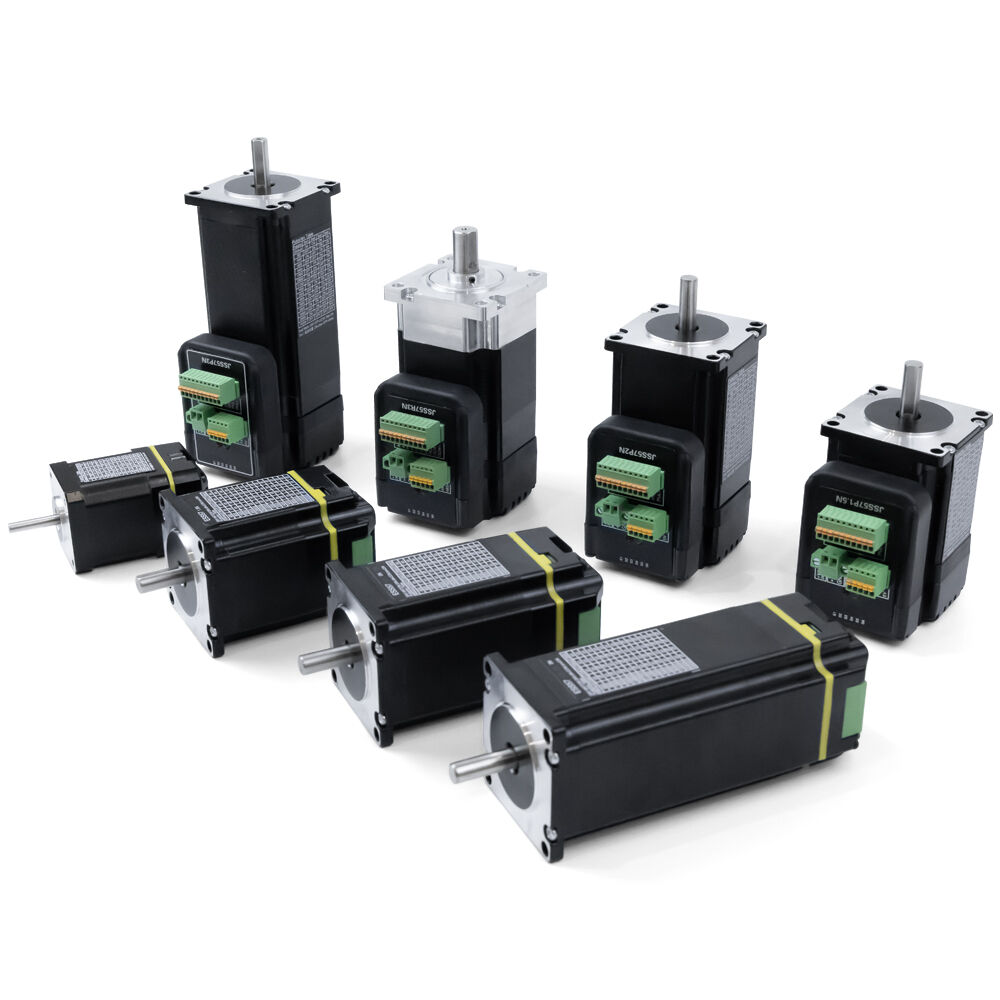
The 220v stepper motor represents a sophisticated electromechanical device that converts electrical pulses into precise rotational movements. Unlike conventional motors that operate continuously, a 220v stepper motor advances in discrete angular steps, typically ranging from 0.9 to 3.6 degrees per step. This unique characteristic makes it an invaluable component in applications requiring exact positioning and controlled motion. The motor operates directly on standard household voltage of 220 volts AC, eliminating the need for additional voltage conversion equipment in most industrial and residential settings. The fundamental operation principle involves electromagnetic coils arranged around a rotor containing permanent magnets or soft iron teeth. When electrical pulses energize these coils in a predetermined sequence, the rotor moves incrementally, allowing for precise control over rotation speed, direction, and position. Modern 220v stepper motor designs incorporate advanced magnetic materials and optimized winding configurations to maximize torque output while minimizing heat generation and power consumption. The motor's ability to hold position when stationary without continuous power application makes it particularly attractive for applications where maintaining exact positioning is critical. Digital control systems can easily interface with these motors through driver circuits that convert digital signals into the appropriate voltage and current waveforms needed for smooth operation. The technological features of a 220v stepper motor include high torque at low speeds, excellent repeatability, and the ability to operate in open-loop control systems without feedback sensors. These motors find extensive applications in 3D printing, CNC machining, automated manufacturing equipment, robotics, medical devices, and precision instruments. Their reliability and accuracy have made them indispensable in industries where exact positioning translates directly to product quality and operational efficiency.

New Product Recommendations

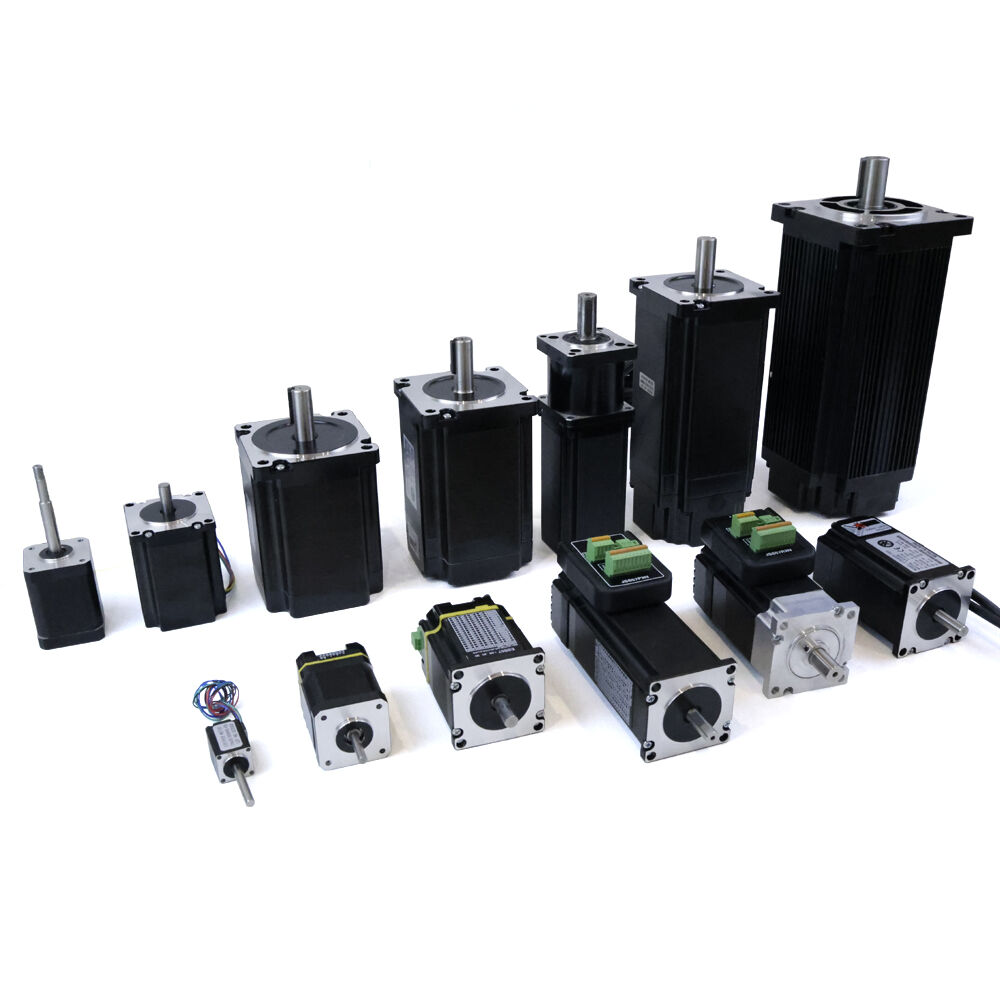
The 220v stepper motor delivers exceptional precision that traditional motors simply cannot match. This precision stems from its step-by-step movement capability, where each electrical pulse corresponds to a specific angular displacement. Users benefit from positioning accuracy that can reach within 0.05% of the commanded position without requiring expensive feedback systems. This level of precision translates into consistent product quality and reduced waste in manufacturing processes. The motor provides excellent speed control across a wide range of operating conditions. Unlike AC induction motors that struggle at low speeds, the 220v stepper motor maintains high torque even at very low rotational speeds, making it perfect for applications requiring slow, controlled movements. The direct connection to standard 220v power supplies eliminates the need for voltage transformers or power conversion equipment, reducing system complexity and installation costs. This compatibility with existing electrical infrastructure makes retrofitting and upgrades more economical for businesses. Reliability stands as another significant advantage, as these motors contain fewer moving parts compared to brushed motors. The absence of brushes eliminates wear-related maintenance issues and extends operational lifespan considerably. Many 220v stepper motors operate reliably for tens of thousands of hours without requiring servicing. The holding torque capability allows the motor to maintain position even when powered down, providing inherent braking functionality without additional mechanical brakes. This feature proves particularly valuable in vertical applications or situations where maintaining position during power interruptions is crucial. Digital control compatibility makes integration with modern automation systems straightforward. The motor responds directly to digital pulse trains from microcontrollers, PLCs, or computer systems, enabling sophisticated motion profiles and synchronized multi-axis operations. Cost-effectiveness emerges as a compelling advantage when considering the total system cost. While the initial motor cost may be comparable to other motor types, the elimination of feedback sensors, reduced controller complexity, and minimal maintenance requirements result in lower overall ownership costs. The wide variety of available sizes, from miniature versions for precision instruments to large industrial units for heavy machinery, ensures suitable options for virtually any application requirement.

Latest News

Can a stepper driver run on 24 V without extra heat sinking?

26

Sep

Can a stepper driver run on 24 V without extra heat sinking?

Understanding Stepper Driver Voltage Requirements and Thermal Management Stepper drivers are essential components in motion control systems, and their voltage capabilities significantly impact performance. When considering whether a stepper driver ca...
View More
2025 Guide: How AC Servo Motors Transform Industrial Automation

20

Oct

2025 Guide: How AC Servo Motors Transform Industrial Automation

The Evolution of Industrial Motion Control Technology Industrial automation has witnessed a remarkable transformation over the past decades, with ac servo motors emerging as the cornerstone of precise motion control. These sophisticated devices have ...
View More
AC Servo Motor Selection: Key Factors for Optimal Performance

20

Oct

AC Servo Motor Selection: Key Factors for Optimal Performance

Understanding the Fundamentals of Modern Motion Control Systems In the evolving landscape of industrial automation, ac servo motors have emerged as the cornerstone of precise motion control. These sophisticated devices combine advanced electromagneti...
View More
Brushless DC Motor vs Brushed: Key Differences Explained

12

Dec

Brushless DC Motor vs Brushed: Key Differences Explained

Modern industrial applications increasingly demand precise motion control, efficiency, and reliability from their drive systems. The choice between a brushless DC motor and a traditional brushed motor can significantly impact performance, maintenance...
View More

Get a Free Quote

Our representative will contact you soon.
Email
Name
Company Name
WhatsApp
Mobile
Message
0/1000

220v stepper motor

Superior Positioning Accuracy and Repeatability

Superior Positioning Accuracy and Repeatability

The 220v stepper motor excels in applications demanding exceptional positioning accuracy, delivering performance that consistently meets the most stringent precision requirements. This remarkable accuracy originates from the motor's fundamental design principle of discrete step movements, where each electrical pulse corresponds to a predetermined angular displacement. Unlike servo motors that rely on complex feedback systems to achieve accuracy, the 220v stepper motor inherently provides precise positioning through its step-by-step operation method. The motor typically achieves positioning accuracy within 3-5% of step angle without cumulative error, meaning that after thousands of steps, the motor's final position remains remarkably close to the calculated theoretical position. This characteristic proves invaluable in applications such as 3D printing, where layer alignment accuracy directly impacts final product quality, or in CNC machining operations where dimensional precision determines part acceptability. The repeatability factor further enhances the motor's value proposition, as it can return to the same position with extraordinary consistency across multiple cycles. This repeatability typically measures within 0.05% of the step angle, ensuring that automated processes maintain consistent results over extended production runs. Manufacturing facilities particularly benefit from this repeatability when producing high-volume components requiring identical specifications. The absence of backlash in properly designed 220v stepper motor systems contributes significantly to positioning accuracy. Unlike gear-driven systems that introduce mechanical play, stepper motors can provide direct drive solutions that eliminate positional uncertainties caused by mechanical coupling imperfections. This direct drive capability becomes especially important in precision applications such as optical equipment alignment, medical device positioning, and scientific instrument control. The motor's ability to maintain position accuracy across varying load conditions adds another dimension to its precision capabilities. While some motor types experience position drift under changing loads, the 220v stepper motor maintains its step integrity even when load torque fluctuates within its rated capacity. This load-independent accuracy ensures consistent performance in applications where operational conditions vary throughout the working cycle, such as packaging machinery or material handling systems.
Exceptional Low-Speed Torque Performance

Exceptional Low-Speed Torque Performance

The 220v stepper motor distinguishes itself through remarkable torque delivery at low rotational speeds, a characteristic that sets it apart from conventional motor technologies. This exceptional low-speed performance stems from the motor's electromagnetic design, which generates maximum torque when the rotor moves slowly between magnetic pole positions. Unlike induction motors that require high speeds to develop useful torque, the 220v stepper motor produces its highest torque output at zero speed and maintains substantial torque throughout the low-speed range. This torque characteristic proves essential in applications requiring controlled, powerful movements at slow speeds, such as conveyor systems moving heavy loads, positioning mechanisms handling substantial masses, or machine tools performing precise cutting operations. The motor's torque remains relatively constant from standstill up to its rated speed, providing consistent performance across the entire operational speed range. This flat torque curve eliminates the need for complex speed regulation systems or mechanical speed reducers in many applications. Manufacturing operations benefit significantly from this characteristic, as processes can operate at optimal speeds without sacrificing torque availability. The 220v stepper motor's holding torque capability provides additional value by maintaining position without continuous power consumption. When stationary, the motor can hold loads against external forces without drawing current beyond what's necessary to maintain magnetic field strength. This holding torque typically equals or exceeds the motor's rated running torque, ensuring secure positioning even under adverse conditions. Applications such as vertical lifting mechanisms, rotary tables, and positioning fixtures rely on this holding capability to maintain safety and accuracy. The motor's ability to start, stop, and reverse instantly without losing torque makes it ideal for applications requiring frequent directional changes or precise stopping positions. This immediate torque availability eliminates the acceleration delays associated with other motor types, enabling more responsive system performance. The consistent torque delivery across temperature variations ensures reliable operation in challenging environmental conditions. While some motor technologies experience significant torque reduction at elevated temperatures, properly designed 220v stepper motors maintain their torque characteristics across their specified temperature ranges, providing dependable performance in industrial environments where temperature fluctuations are common.
Simplified Control System Integration

Simplified Control System Integration

The 220v stepper motor offers unparalleled ease of integration with modern control systems, making it an ideal choice for both simple and sophisticated automation applications. This integration advantage stems from the motor's inherently digital nature, as it responds directly to electrical pulses without requiring analog control signals or complex feedback mechanisms. Control system designers appreciate this straightforward interface, which accepts standard digital signals from microcontrollers, programmable logic controllers, or computer systems. The pulse-and-direction control method used by most 220v stepper motors simplifies programming and reduces the complexity of motion control software. Each pulse advances the motor by one step, while a separate direction signal determines rotational orientation, creating an intuitive control paradigm that engineers can quickly understand and implement. This simplicity extends to multi-axis systems, where multiple stepper motors can operate synchronously with minimal controller overhead. The elimination of feedback sensors in basic applications significantly reduces system complexity and cost. Unlike servo systems that require encoders or resolvers to provide position feedback, the 220v stepper motor operates effectively in open-loop configurations for many applications. This open-loop capability reduces wiring complexity, eliminates sensor alignment procedures, and removes potential failure points from the system. When enhanced precision is required, encoders can be added to create closed-loop systems that combine stepper motor simplicity with servo-level accuracy. Modern stepper motor drivers compatible with 220v stepper motors incorporate advanced features such as microstepping, current regulation, and resonance dampening while maintaining simple control interfaces. These intelligent drivers can subdivide full steps into smaller increments, providing smoother operation and enhanced resolution without complicating the control signals. The drivers handle complex electrical management tasks such as current waveform generation and thermal protection, allowing system designers to focus on application logic rather than motor control details. The standardized control protocols used by 220v stepper motors facilitate integration with industrial communication networks. Many modern stepper drives support fieldbus protocols, Ethernet communication, and other industrial standards, enabling seamless integration into factory automation systems. This connectivity allows for remote monitoring, diagnostic feedback, and coordinated motion control across multiple devices. The motor's predictable response characteristics simplify system tuning and optimization, as the relationship between input pulses and output motion remains consistent and linear within the motor's operating range.

+86-13401517369
[email protected]

Get a Free Quote

Our representative will contact you soon.
Email
Name
Company Name
WhatsApp
Mobile
Message
0/1000

Copyright © 2026 Changzhou Jinsanshi Mechatronics Co., Ltd. All rights reserved.  -  Privacy policy