Step Servo Motors: Precision Motion Control Solutions with Advanced Feedback Technology

Get a Free Quote

Our representative will contact you soon.
Email
Name
Company Name
WhatsApp
Mobile
Message
0/1000

step servo

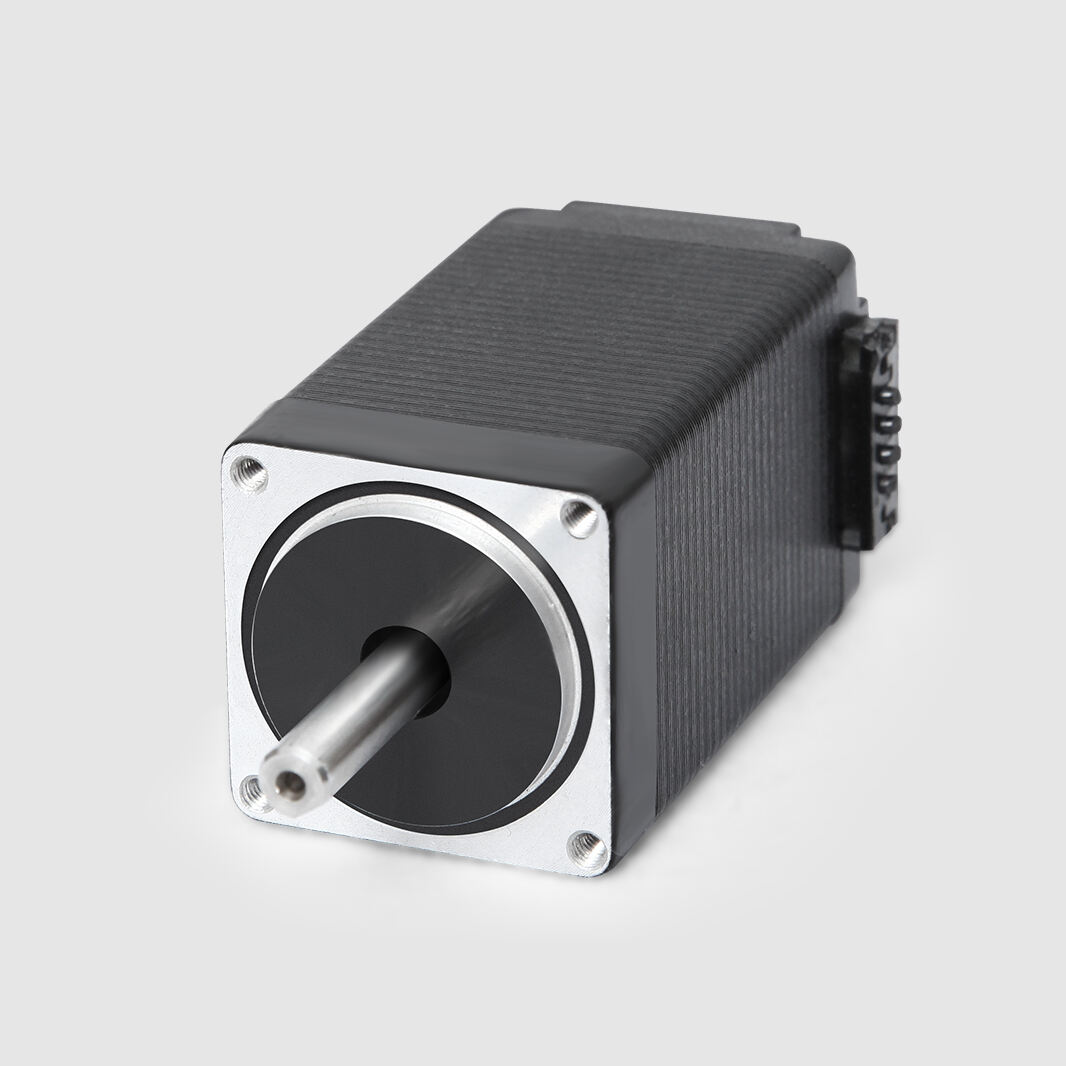
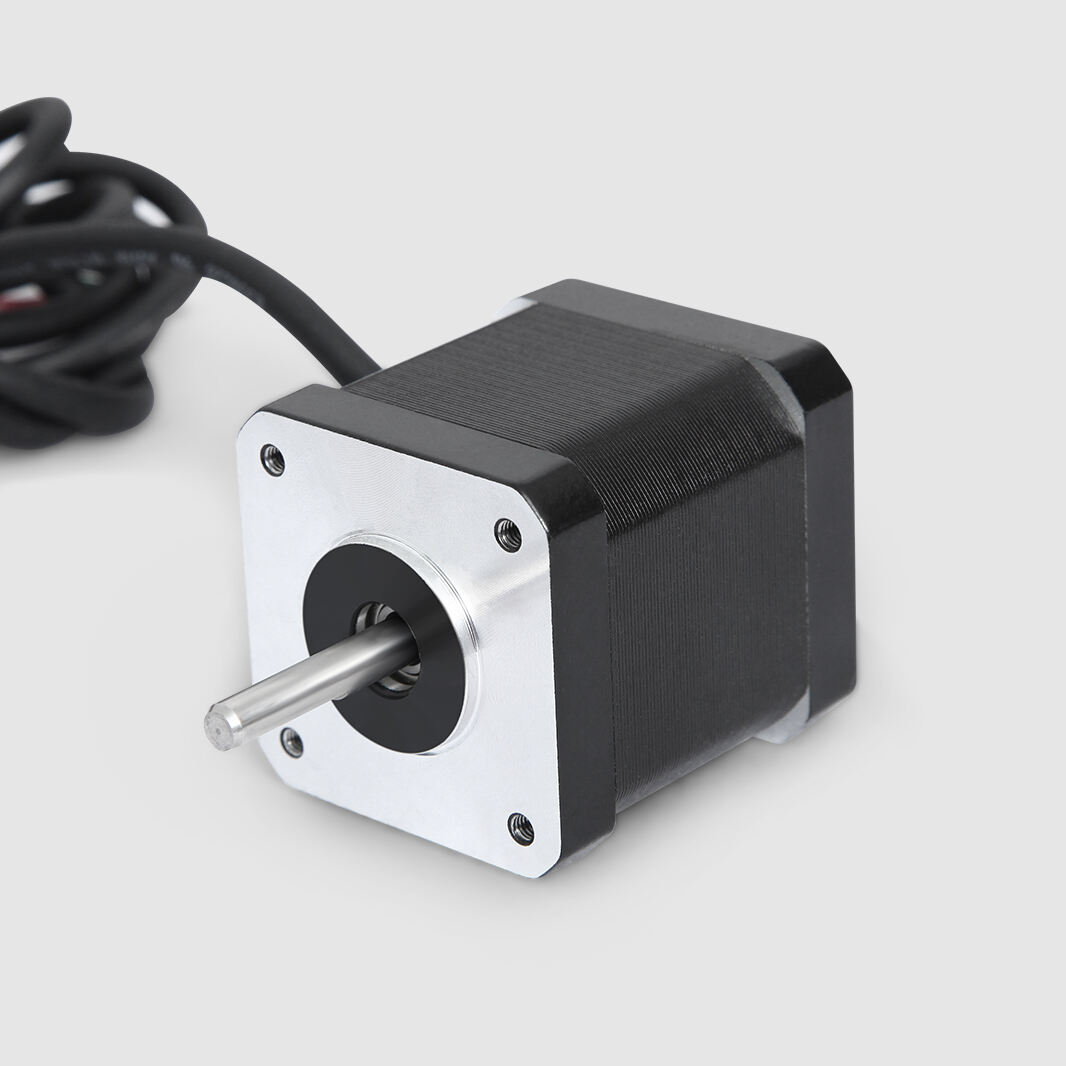
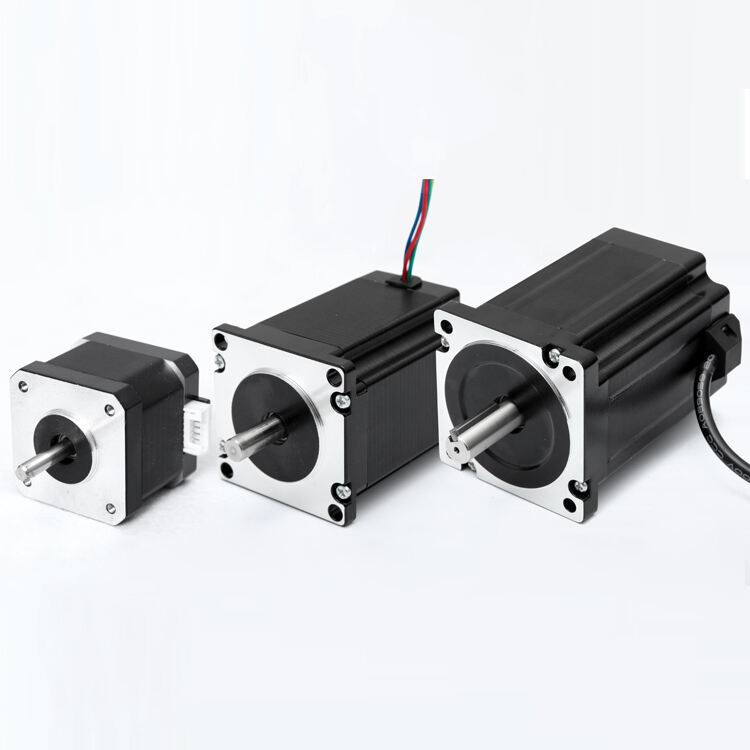
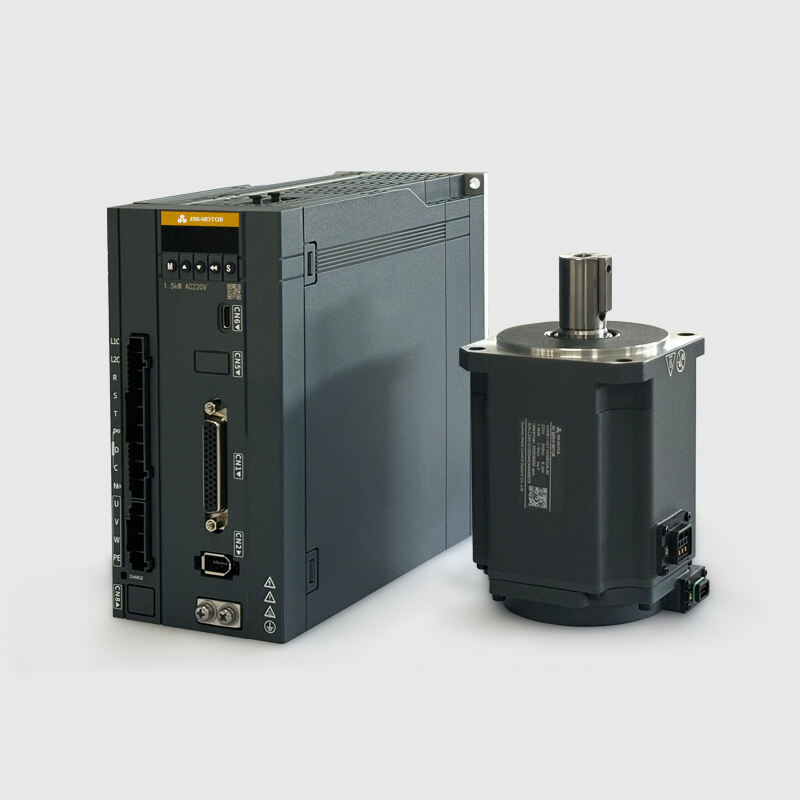
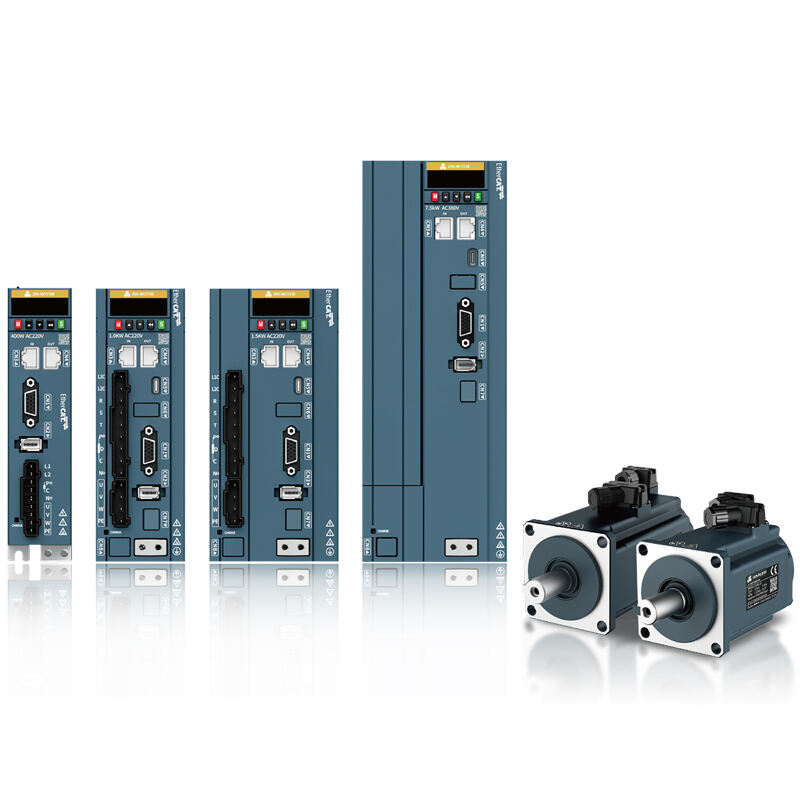
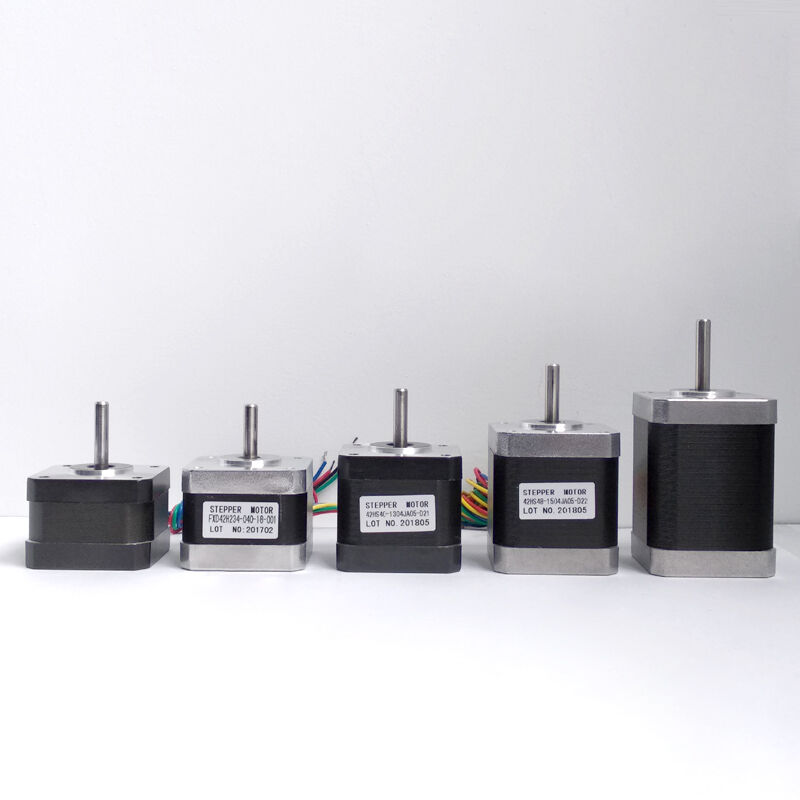
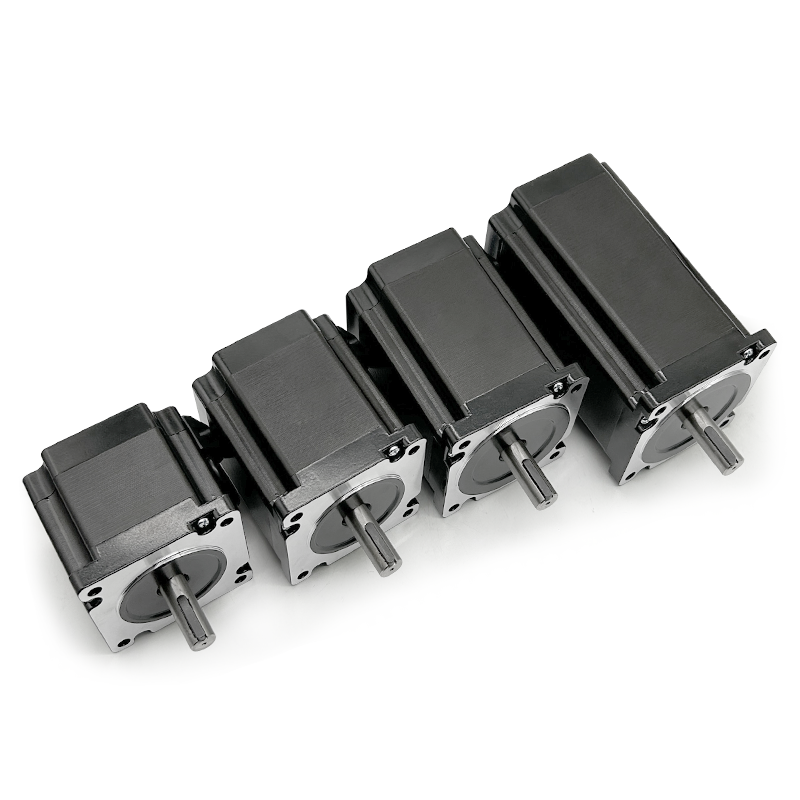
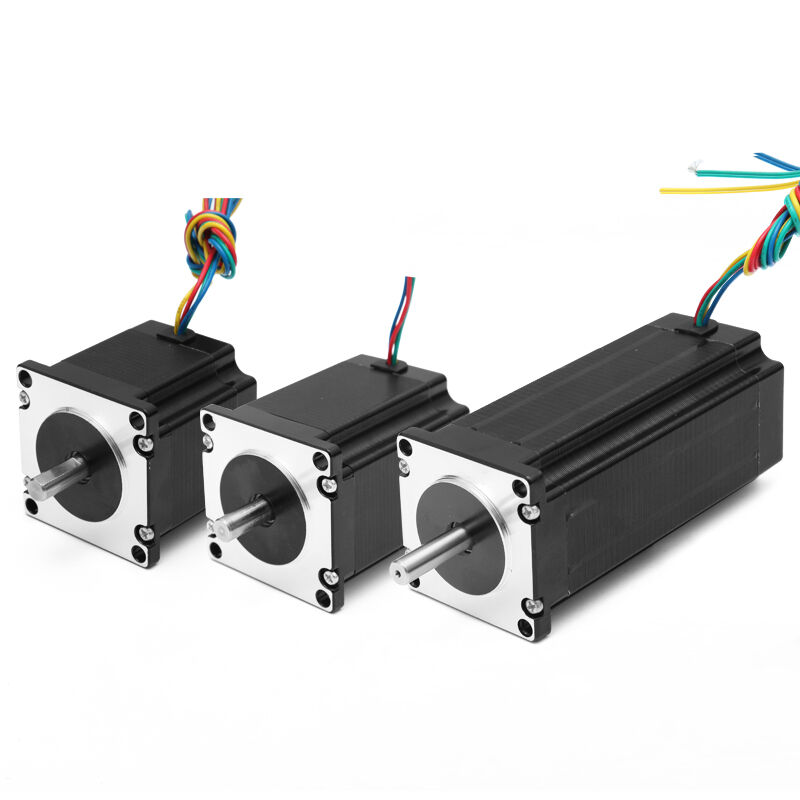
A step servo represents a sophisticated motion control solution that combines the precision of stepper motors with the intelligence of servo systems. This hybrid technology delivers exceptional positioning accuracy while maintaining cost-effectiveness for industrial automation applications. The step servo system operates by utilizing closed-loop feedback control to monitor and adjust motor position in real-time, ensuring precise movement execution across various operational conditions. Unlike traditional stepper motors that operate in open-loop configurations, the step servo incorporates encoder feedback to detect and correct positioning errors automatically. This intelligent design allows the system to maintain torque efficiency while preventing step loss, a common issue in conventional stepper motor applications. The step servo excels in applications requiring precise positioning, smooth motion profiles, and reliable performance under varying load conditions. Key technological features include advanced digital signal processing, adaptive current control, and integrated protection mechanisms that safeguard against electrical faults and mechanical overloads. The system supports multiple communication protocols, enabling seamless integration with programmable logic controllers and industrial networks. Modern step servo units feature microprocessor-based control algorithms that optimize motor performance by adjusting current levels based on load requirements and speed profiles. This adaptive approach reduces heat generation and extends motor life while maintaining consistent positioning accuracy. The step servo finds extensive applications in packaging machinery, textile equipment, printing systems, and automated manufacturing lines where precise motion control is essential. Medical equipment manufacturers utilize step servo technology for surgical robots and diagnostic equipment that demand exceptional positioning accuracy. The automotive industry employs these systems in assembly line robotics and testing equipment where reliability and precision are paramount. Laboratory automation equipment relies on step servo systems for sample handling and analytical instrument positioning. The technology's versatility makes it suitable for both high-speed applications and slow, precise positioning tasks, providing manufacturers with a flexible solution for diverse motion control requirements.

New Products

Step servo systems deliver remarkable positioning accuracy that surpasses traditional stepper motors by incorporating closed-loop feedback control. This enhanced precision eliminates step loss and maintains consistent performance even when external forces attempt to disrupt motor position. Users benefit from reduced maintenance requirements since the intelligent control system prevents mechanical stress and wear that typically occurs in open-loop configurations. The adaptive current control feature automatically adjusts power consumption based on load demands, resulting in significant energy savings compared to conventional stepper motors that maintain constant current regardless of requirements. This efficiency translates directly into lower operational costs and reduced heat generation, creating cooler operating environments that extend component lifespan. Installation simplicity represents another major advantage, as step servo systems integrate easily with existing control systems through standard communication interfaces. Engineers appreciate the plug-and-play compatibility that reduces commissioning time and eliminates complex programming requirements. The built-in protection mechanisms safeguard against electrical surges, thermal overloads, and mechanical binding, preventing costly equipment damage and unplanned downtime. Step servo technology provides superior torque characteristics across the entire speed range, delivering consistent performance from standstill to maximum velocity. This broad torque curve enables single motor solutions for applications that previously required multiple motor types or complex gearing systems. The smooth motion profiles eliminate vibration and noise issues commonly associated with traditional stepper motors, creating quieter work environments and improving product quality in sensitive applications. Diagnostic capabilities built into modern step servo systems provide real-time performance monitoring and predictive maintenance alerts, allowing maintenance teams to address potential issues before they cause production interruptions. The scalable nature of step servo technology accommodates everything from simple single-axis applications to complex multi-axis coordinated motion systems. Users can start with basic implementations and expand functionality as requirements grow, protecting their initial investment while providing room for future enhancements. The robust design withstands harsh industrial environments including temperature extremes, dust, moisture, and electromagnetic interference that would compromise lesser motor technologies. Remote monitoring capabilities enable centralized control and troubleshooting, reducing the need for on-site technical personnel and minimizing response times when issues arise.

Practical Tips

Why monitor voltage ripple when selecting a stepper driver for 3D printers?

26

Sep

Why monitor voltage ripple when selecting a stepper driver for 3D printers?

Understanding Voltage Ripple Impact on 3D Printer Performance The success of any 3D printing project heavily depends on the precision and reliability of the printer's motion control system. At the heart of this system lies the stepper motor driver, w...
View More
AC Servo Motor Selection: Key Factors for Optimal Performance

20

Oct

AC Servo Motor Selection: Key Factors for Optimal Performance

Understanding the Fundamentals of Modern Motion Control Systems In the evolving landscape of industrial automation, ac servo motors have emerged as the cornerstone of precise motion control. These sophisticated devices combine advanced electromagneti...
View More
2025 Guide: How to Choose the Right Servo Motor

27

Nov

2025 Guide: How to Choose the Right Servo Motor

The selection of the right servo motor stands as a critical decision in modern automation and machinery applications. As we move into 2025, the complexity and capabilities of these precision devices continue to evolve, making it essential for enginee...
View More
2025 BLDC Motor Guide: Types, Benefits & Applications

12

Dec

2025 BLDC Motor Guide: Types, Benefits & Applications

Brushless DC motors have revolutionized modern industrial applications with their superior efficiency, reliability, and precision control capabilities. As we advance into 2025, understanding the intricacies of BLDC motor technology becomes crucial fo...
View More

Get a Free Quote

Our representative will contact you soon.
Email
Name
Company Name
WhatsApp
Mobile
Message
0/1000

step servo

Advanced Closed-Loop Feedback Control System

Advanced Closed-Loop Feedback Control System

The step servo incorporates sophisticated closed-loop feedback technology that revolutionizes traditional motor control by continuously monitoring actual position and comparing it against commanded position. This intelligent monitoring system utilizes high-resolution encoders that provide precise position feedback, enabling the control system to detect and correct any discrepancies instantly. Unlike open-loop stepper motors that assume each pulse results in precise movement, the step servo verifies actual movement and makes real-time adjustments to ensure accuracy. This feedback mechanism eliminates step loss, a critical issue in traditional stepper applications where external forces or rapid acceleration can cause missed steps and cumulative positioning errors. The closed-loop control system automatically compensates for mechanical variations, load changes, and environmental factors that would otherwise compromise positioning accuracy. Advanced digital signal processing algorithms analyze encoder feedback and motor performance data to optimize control parameters continuously. This adaptive approach ensures consistent performance across varying operational conditions while minimizing power consumption and heat generation. The system's ability to detect stalled rotor conditions immediately prevents motor damage and alerts operators to mechanical issues before they cause equipment failure. Quality control applications benefit tremendously from this precision, as products maintain consistent specifications without manual intervention or frequent recalibration. Manufacturing processes experience improved throughput rates since operators spend less time adjusting and fine-tuning equipment positions. The feedback system also enables advanced motion profiles including smooth acceleration and deceleration curves that reduce mechanical stress on connected machinery. Predictive maintenance becomes possible through continuous monitoring of motor performance parameters, allowing maintenance teams to schedule service based on actual wear patterns rather than arbitrary time intervals. The closed-loop design extends equipment lifespan by preventing the mechanical abuse that occurs when motors operate beyond their optimal parameters. Integration with factory automation systems becomes seamless since the step servo can communicate detailed status information and diagnostic data to supervisory control systems. This connectivity enables centralized monitoring and control of multiple axes from a single interface, simplifying complex automation projects and reducing operator training requirements.
Energy-Efficient Adaptive Current Control

Energy-Efficient Adaptive Current Control

Step servo systems feature revolutionary adaptive current control technology that automatically adjusts motor current based on actual load requirements and operational demands. This intelligent power management system monitors torque requirements continuously and supplies only the necessary current to maintain desired performance levels. Traditional stepper motors maintain constant current regardless of load conditions, wasting significant energy and generating excessive heat even during light-duty operations. The step servo's adaptive approach reduces power consumption by up to sixty percent compared to conventional systems, translating into substantial energy cost savings for high-usage applications. The current control algorithm analyzes load patterns and adjusts power delivery in real-time, ensuring optimal efficiency without compromising performance or positioning accuracy. This dynamic power management extends motor life by reducing thermal stress and preventing overheating that typically degrades motor windings and bearings over time. Manufacturing facilities benefit from cooler operating temperatures that improve working conditions and reduce air conditioning costs in temperature-sensitive environments. The reduced heat generation also eliminates the need for additional cooling equipment and ventilation systems that would otherwise be required for high-power motor installations. Energy efficiency improvements become particularly significant in battery-powered applications where extended operational time is critical. The adaptive current control enables portable equipment to operate longer between charging cycles, increasing productivity and reducing downtime. Environmental benefits include reduced carbon footprint and compliance with green manufacturing initiatives that many companies pursue to meet sustainability goals. The intelligent power management system also provides protection against electrical faults by monitoring current levels and detecting abnormal conditions before they cause damage. Short circuit protection, overvoltage protection, and thermal protection work together to safeguard both the motor and drive electronics from electrical hazards. Maintenance costs decrease significantly since motors experience less thermal stress and operate within optimal temperature ranges throughout their service life. The current control system communicates power consumption data to facility management systems, enabling detailed energy monitoring and cost analysis for individual pieces of equipment. This granular energy tracking helps identify opportunities for further efficiency improvements and supports accurate cost accounting for manufacturing operations.
Seamless Integration and Communication Capabilities

Seamless Integration and Communication Capabilities

Modern step servo systems excel in connectivity and integration features that simplify installation and enable sophisticated automation solutions across diverse industrial applications. The comprehensive communication capabilities include support for industry-standard protocols such as Modbus, CANopen, EtherNet/IP, and PROFINET, ensuring compatibility with existing control systems and future technology upgrades. This extensive protocol support eliminates the need for custom interface development and reduces integration costs significantly. Engineers can connect step servo systems directly to programmable logic controllers, human-machine interfaces, and supervisory control systems without additional hardware or complex programming. The plug-and-play compatibility streamlines commissioning processes and reduces project timelines for new installations and equipment upgrades. Built-in diagnostic capabilities provide detailed status information including position feedback, velocity, torque, temperature, and fault conditions through standard communication channels. This comprehensive data availability enables sophisticated monitoring and control strategies that optimize overall system performance. Remote diagnostics become possible through network connectivity, allowing technical support teams to troubleshoot issues and perform system optimization without physical site visits. The communication system supports both real-time control commands and parameter configuration, enabling dynamic adjustment of motor characteristics during operation. Advanced features include programmable input and output functions that can trigger specific actions based on position or operational conditions. Safety integration capabilities allow step servo systems to participate in machine safety circuits through dedicated safety communication protocols. Emergency stop functions, safe torque off, and position monitoring can be implemented through the communication network, reducing wiring complexity and improving safety system reliability. Multi-axis coordination becomes seamless through synchronized communication that enables precise timing and coordination between multiple motors. Complex motion profiles including electronic gearing, cam profiles, and coordinated interpolation can be implemented across multiple axes with microsecond timing accuracy. The communication system also supports firmware updates through network connections, ensuring that equipment can benefit from performance improvements and new features without hardware replacement. Configuration and parameter backup through network connections simplify machine setup and reduce commissioning time for duplicate installations. Centralized parameter management enables consistent configuration across multiple machines and facilitates standardization of equipment settings throughout manufacturing facilities.

+86-13401517369
[email protected]

Get a Free Quote

Our representative will contact you soon.
Email
Name
Company Name
WhatsApp
Mobile
Message
0/1000

Copyright © 2026 Changzhou Jinsanshi Mechatronics Co., Ltd. All rights reserved.  -  Privacy policy