servo motor parts name
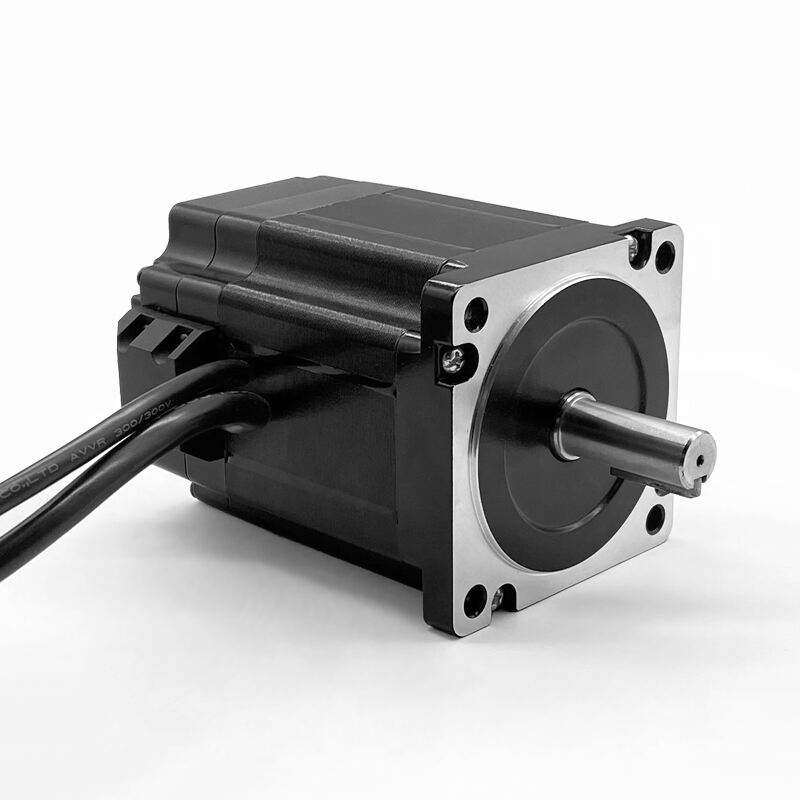
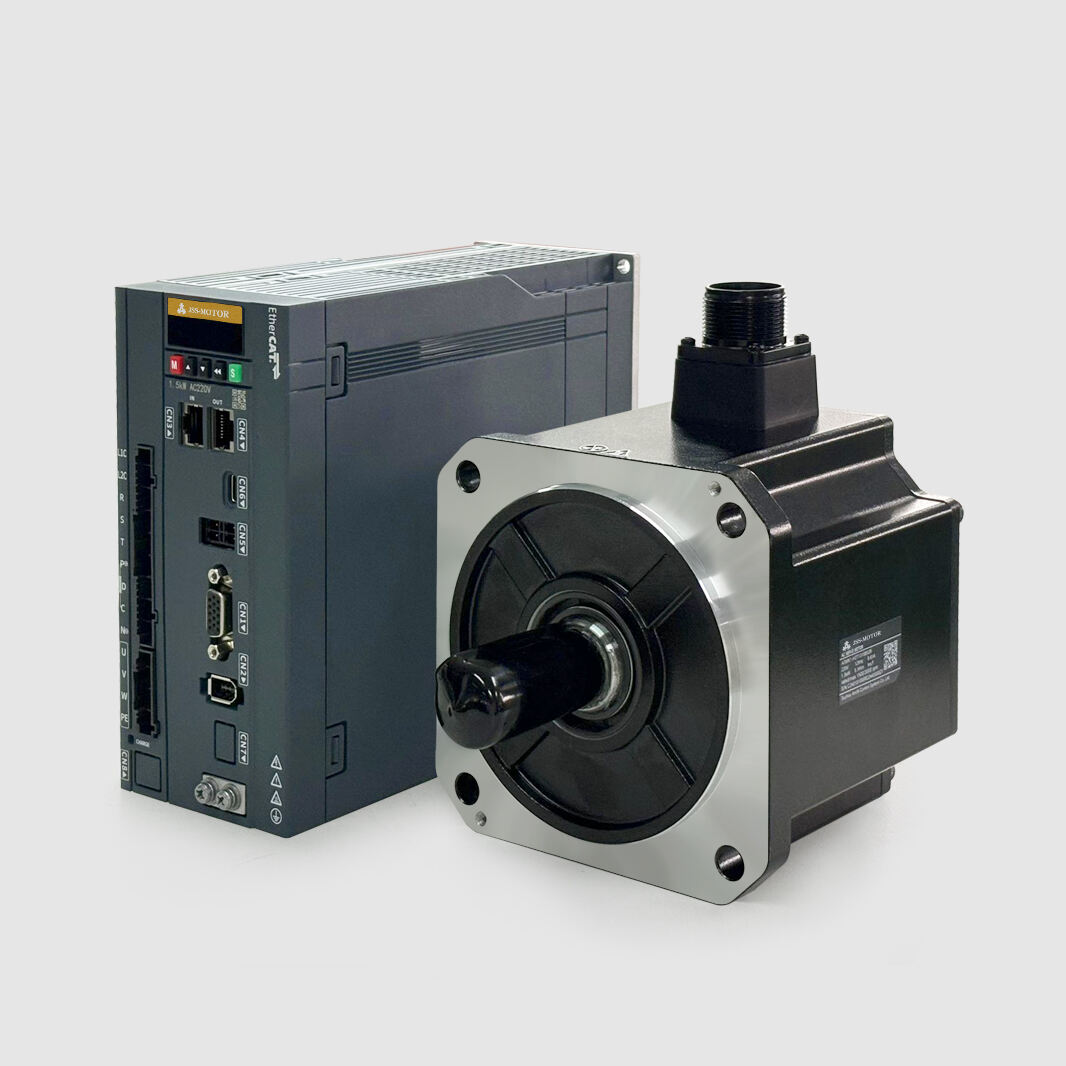
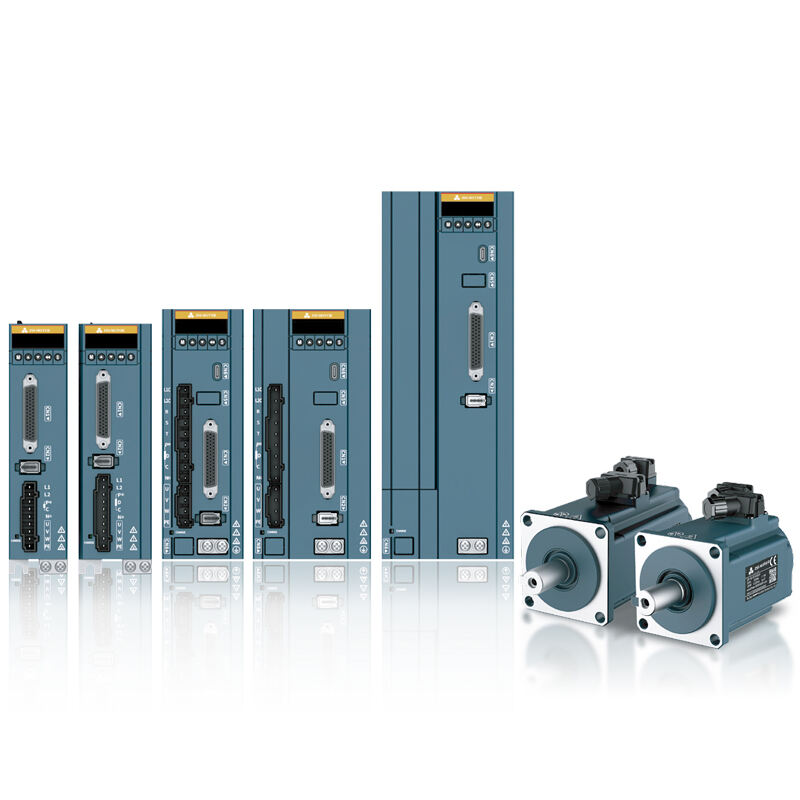
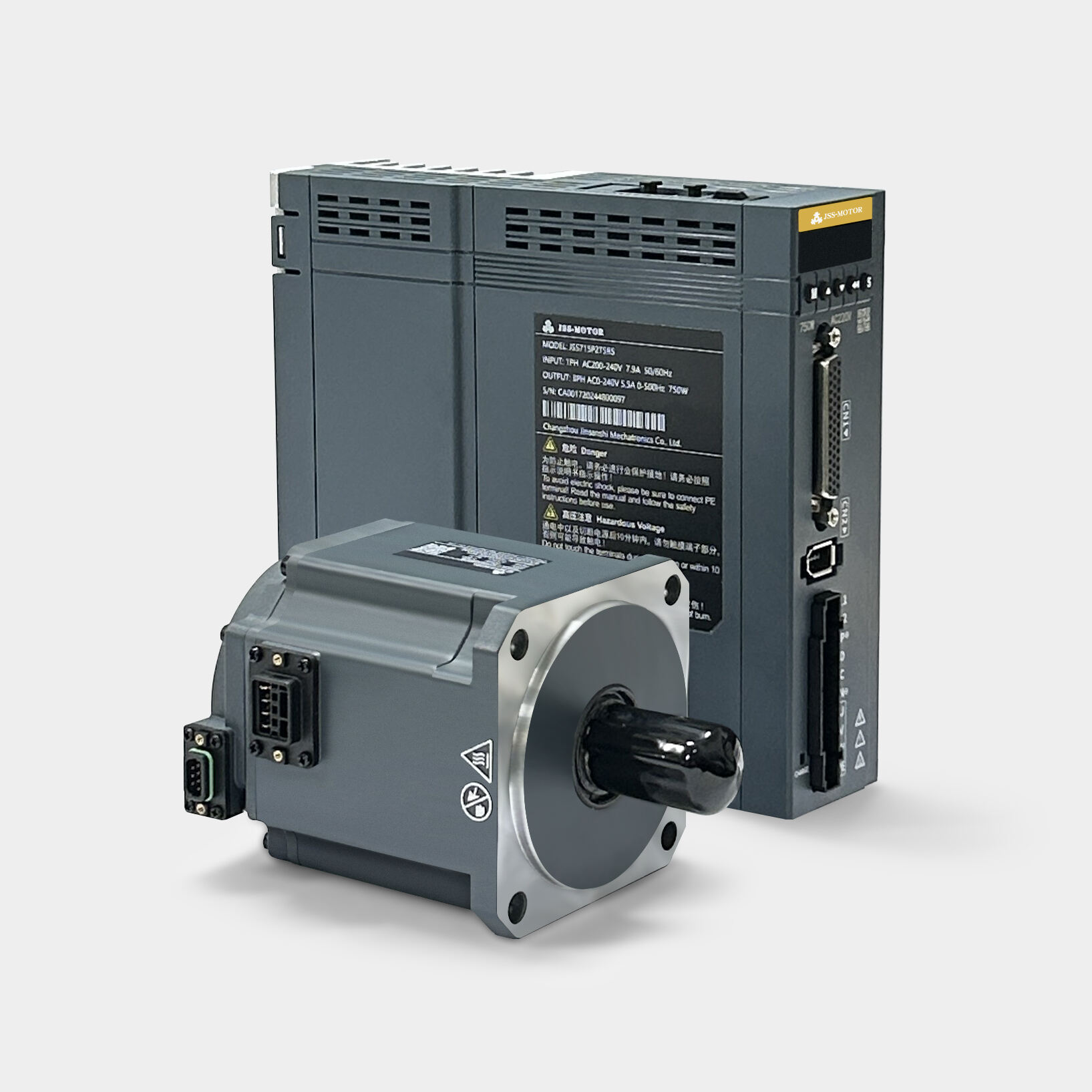
Servo motor parts name represents a comprehensive collection of precision-engineered components that form the backbone of modern automation systems. These essential elements work together to deliver exceptional motion control performance across diverse industrial applications. The servo motor parts name encompasses critical components including the rotor assembly, stator windings, encoder feedback systems, brake mechanisms, and protective housing units. Each servo motor parts name component plays a vital role in ensuring optimal system functionality and reliability. The rotor assembly serves as the primary moving element, constructed from high-grade magnetic materials that respond precisely to electromagnetic fields. Stator windings generate the controlled magnetic fields necessary for accurate positioning and speed regulation. Advanced encoder systems within the servo motor parts name provide real-time position feedback, enabling closed-loop control with exceptional accuracy. Modern servo motor parts name incorporates cutting-edge technologies such as rare-earth permanent magnets, precision ball bearings, and advanced thermal management systems. These technological features ensure superior performance characteristics including high torque-to-inertia ratios, excellent speed regulation, and minimal maintenance requirements. The protective housing components safeguard internal elements from environmental contaminants while facilitating efficient heat dissipation. Servo motor parts name finds extensive applications in robotics, CNC machining centers, automated assembly lines, packaging equipment, and precision positioning systems. The modular design philosophy behind servo motor parts name enables easy maintenance and component replacement, reducing downtime and operational costs. Quality servo motor parts name undergoes rigorous testing procedures to meet international standards for reliability, safety, and electromagnetic compatibility. These components demonstrate exceptional longevity under demanding operational conditions, making them ideal for continuous-duty applications where precision and dependability are paramount requirements for successful automation implementations.