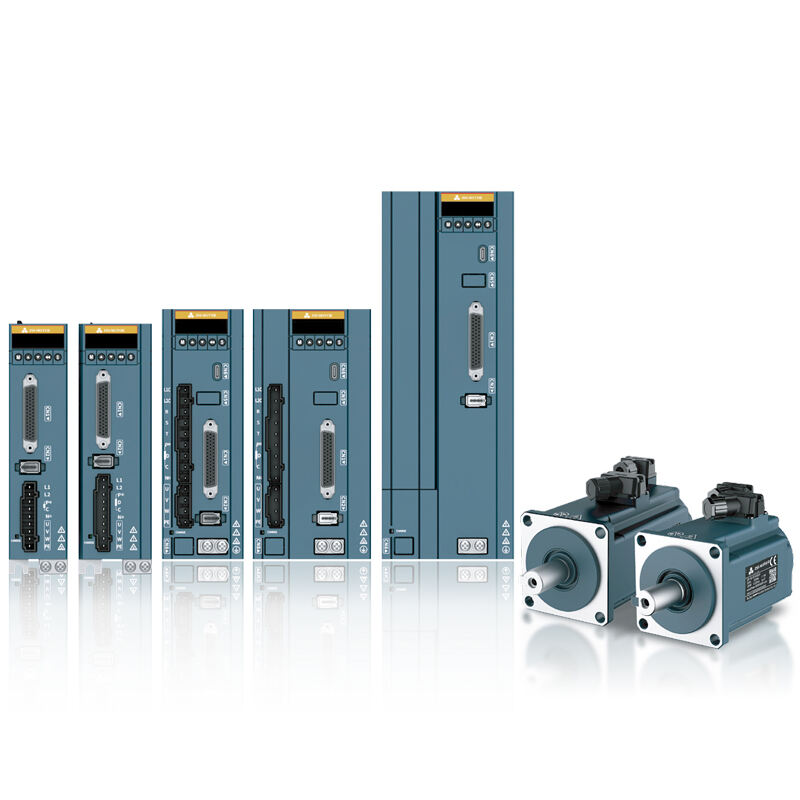
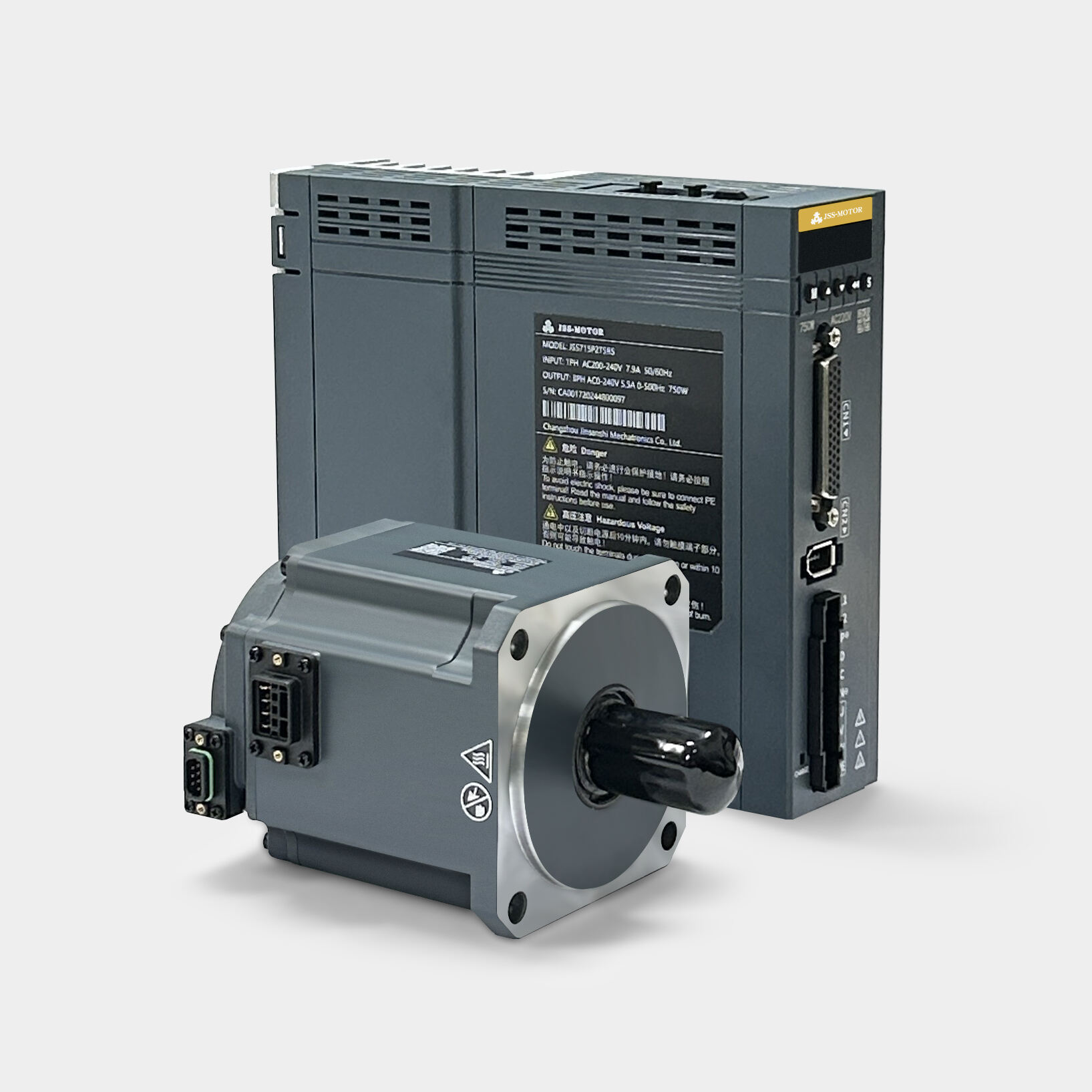
High-Performance Servo BLDC Motors - Precision Control & Energy Efficiency Solutions

Get a Free Quote

Our representative will contact you soon.
Email
Name
Company Name
WhatsApp
Mobile
Message
0/1000

servo bldc

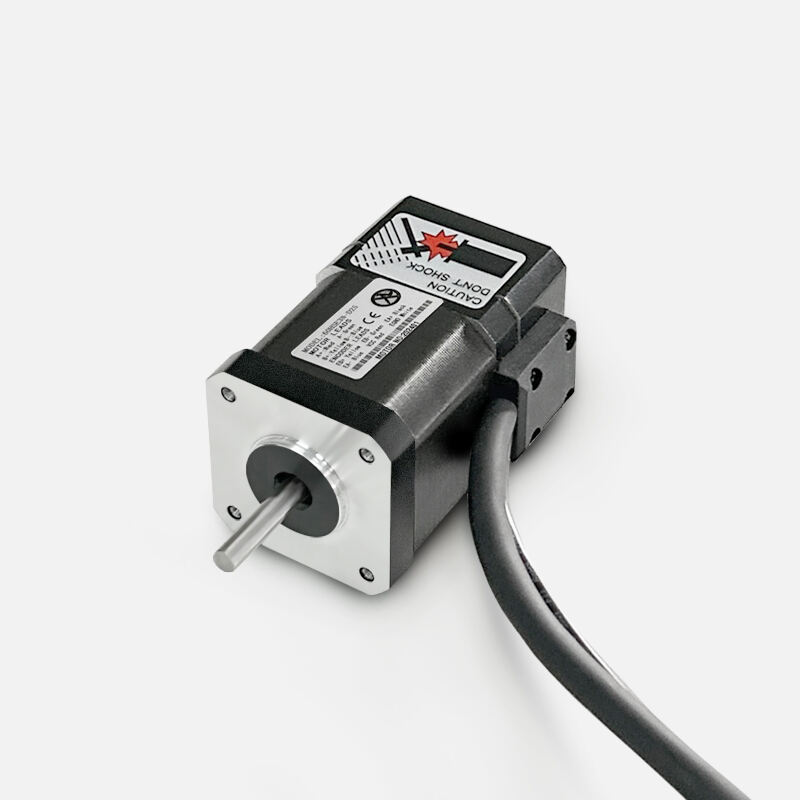
A servo BLDC (Brushless Direct Current) motor represents a sophisticated fusion of precision control technology and efficient motor design, delivering exceptional performance across diverse industrial applications. The servo BLDC combines the inherent advantages of brushless motor construction with advanced servo control systems, creating a powerhouse solution for applications demanding precise positioning, smooth operation, and reliable performance. At its core, the servo BLDC eliminates traditional carbon brushes, replacing them with electronic switching mechanisms that enhance longevity and reduce maintenance requirements. This innovative design incorporates permanent magnets on the rotor and electromagnets on the stator, working in harmony with sophisticated electronic speed controllers to achieve remarkable precision and efficiency. The main functions of servo BLDC systems encompass precise speed regulation, accurate position control, torque management, and dynamic response capabilities. These motors excel in applications requiring exact positioning, such as robotics, CNC machinery, automated manufacturing equipment, and medical devices. The technological features distinguishing servo BLDC motors include high-resolution encoders for position feedback, advanced pulse-width modulation control, regenerative braking capabilities, and intelligent thermal management systems. Modern servo BLDC units integrate seamlessly with industrial communication protocols, enabling real-time monitoring and control through various fieldbus networks. Applications span across manufacturing automation, where servo BLDC motors drive conveyor systems, assembly line equipment, and packaging machinery with unparalleled precision. In robotics, these motors provide the smooth, accurate movements essential for complex manipulation tasks and collaborative robot operations. The aerospace industry relies on servo BLDC technology for flight control surfaces, landing gear systems, and satellite positioning mechanisms. Medical equipment manufacturers utilize servo BLDC motors in surgical robots, diagnostic imaging equipment, and laboratory automation systems where precision and reliability are paramount. The versatility of servo BLDC motors extends to renewable energy applications, electric vehicles, and advanced HVAC systems, demonstrating their adaptability across multiple industries and their crucial role in modern technological advancement.

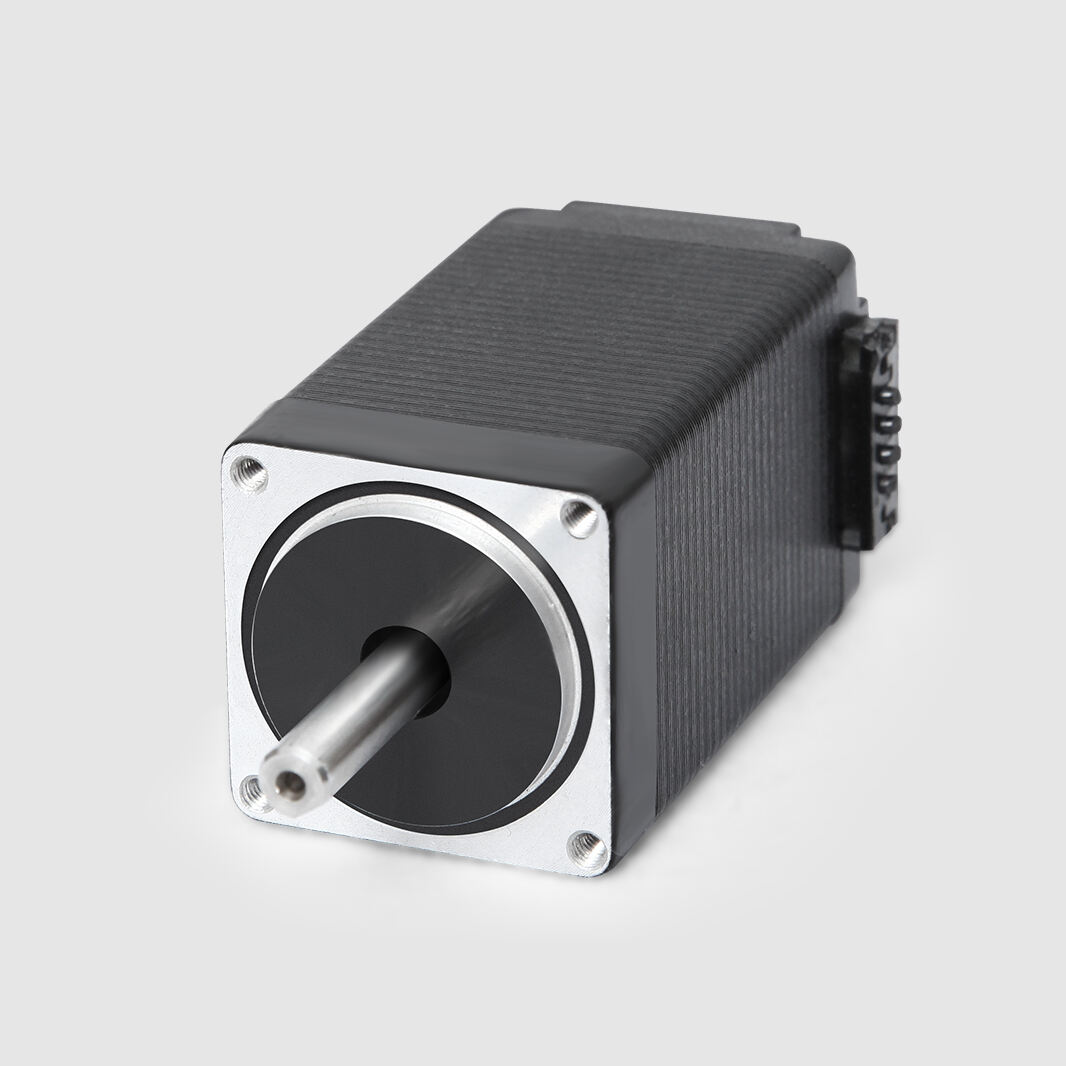
New Product Releases

Servo BLDC motors deliver substantial advantages that make them the preferred choice for demanding applications across multiple industries. Energy efficiency stands as one of the most compelling benefits, with servo BLDC systems achieving efficiency ratings exceeding 90 percent in many applications. This superior efficiency translates directly into reduced operating costs, lower heat generation, and decreased environmental impact. Unlike traditional brushed motors, servo BLDC units eliminate friction losses associated with brush contact, resulting in minimal energy waste during operation. The absence of brushes provides another significant advantage through dramatically reduced maintenance requirements. Servo BLDC motors operate without physical brush-to-commutator contact, eliminating the need for regular brush replacement and reducing downtime associated with maintenance procedures. This design characteristic extends operational lifespan considerably, often reaching tens of thousands of operating hours without significant degradation in performance. Precision control capabilities represent perhaps the most valuable advantage for users requiring exact positioning and smooth operation. Servo BLDC systems provide exceptional accuracy in speed regulation, position control, and torque output, making them ideal for applications where precision determines product quality and operational success. The electronic commutation system enables precise timing control, resulting in smooth operation without the torque ripple common in brushed motor designs. Noise reduction benefits make servo BLDC motors particularly attractive for applications in noise-sensitive environments. The elimination of brush friction and the smooth electronic switching create significantly quieter operation compared to traditional motor technologies. This advantage proves especially valuable in medical equipment, office automation, and residential applications where noise levels directly impact user comfort and operational acceptance. Thermal management capabilities of servo BLDC motors provide superior heat dissipation and temperature control. The efficient operation generates less waste heat, while the motor design facilitates better heat transfer away from critical components. This thermal advantage enables higher power density and more compact installations without compromising reliability or performance. Speed and torque characteristics of servo BLDC motors offer remarkable flexibility across wide operating ranges. These motors maintain consistent torque output across varying speeds, providing excellent dynamic response for applications requiring rapid acceleration, deceleration, and direction changes. The electronic control system enables precise speed regulation from near-zero speeds to maximum rated speeds, offering unprecedented operational flexibility. Regenerative capabilities provide additional value through energy recovery during braking operations. Servo BLDC systems can return energy to the power supply during deceleration, improving overall system efficiency and reducing heat generation. This feature proves particularly beneficial in applications with frequent start-stop cycles or varying load conditions.

Tips And Tricks

Can a stepper driver run on 24 V without extra heat sinking?

26

Sep

Can a stepper driver run on 24 V without extra heat sinking?

Understanding Stepper Driver Voltage Requirements and Thermal Management Stepper drivers are essential components in motion control systems, and their voltage capabilities significantly impact performance. When considering whether a stepper driver ca...
View More
2025 Step Motor Guide: Types, Features & Applications

20

Oct

2025 Step Motor Guide: Types, Features & Applications

Understanding Modern Step Motor Technology Step motors have revolutionized precision motion control across numerous industries, from manufacturing to medical devices. These versatile devices convert electrical pulses into precise mechanical movements...
View More
How to Choose the Right Step Motor for Your Project

20

Oct

How to Choose the Right Step Motor for Your Project

Understanding the Fundamentals of Step Motor Technology Step motors, also known as stepper motors, are the workhorses of precision motion control in modern automation and engineering. These versatile devices convert electrical pulses into precise mec...
View More
AC Servo Motor Selection: Key Factors for Optimal Performance

20

Oct

AC Servo Motor Selection: Key Factors for Optimal Performance

Understanding the Fundamentals of Modern Motion Control Systems In the evolving landscape of industrial automation, ac servo motors have emerged as the cornerstone of precise motion control. These sophisticated devices combine advanced electromagneti...
View More

Get a Free Quote

Our representative will contact you soon.
Email
Name
Company Name
WhatsApp
Mobile
Message
0/1000

servo bldc

Advanced Electronic Commutation Technology

Advanced Electronic Commutation Technology

The revolutionary electronic commutation system in servo BLDC motors represents a paradigm shift from traditional mechanical switching methods, delivering unprecedented control precision and operational reliability. This sophisticated technology replaces physical brushes with electronic switching circuits that precisely time the current flow to motor windings based on rotor position feedback. The electronic commutation system utilizes high-resolution sensors, typically hall sensors or optical encoders, to continuously monitor rotor position and provide real-time feedback to the control electronics. This constant position awareness enables the servo BLDC controller to switch current flow at optimal timing intervals, maximizing torque output while minimizing energy waste and electromagnetic interference. The precision achievable through electronic commutation allows servo BLDC motors to maintain smooth operation across the entire speed range, eliminating the torque ripple and speed variations common in brushed motor designs. Advanced algorithms within the electronic commutation system enable adaptive control strategies that automatically adjust switching timing based on load conditions, temperature variations, and operational requirements. This intelligent adaptation ensures consistent performance regardless of external factors that might affect motor operation. The electronic switching mechanism operates at frequencies far beyond human perception, typically in the kilohertz range, ensuring silent operation and smooth torque delivery. This high-frequency switching capability enables servo BLDC motors to respond instantly to control commands, providing exceptional dynamic performance for applications requiring rapid position changes or precise speed regulation. The durability advantages of electronic commutation cannot be overstated, as the absence of mechanical wear components significantly extends motor lifespan while reducing maintenance costs. Electronic commutation systems incorporate sophisticated protection features including overcurrent detection, thermal monitoring, and fault diagnosis capabilities that safeguard both the motor and connected equipment. These protective measures ensure reliable operation in challenging industrial environments while providing diagnostic information for predictive maintenance strategies. The scalability of electronic commutation technology allows servo BLDC systems to be optimized for specific applications, from micro-motors requiring precise positioning to high-power industrial drives demanding robust performance under continuous operation.
High-Precision Feedback Control Systems

High-Precision Feedback Control Systems

Servo BLDC motors incorporate cutting-edge feedback control systems that deliver exceptional accuracy and responsiveness, making them indispensable for applications requiring precise positioning and motion control. The feedback control architecture combines multiple sensor technologies to provide comprehensive monitoring of motor performance parameters including position, speed, acceleration, and torque output. High-resolution encoders, often featuring thousands of pulses per revolution, enable servo BLDC systems to achieve positioning accuracy measured in arc-seconds, far exceeding the capabilities of traditional motor technologies. The closed-loop control system continuously compares actual motor performance against commanded parameters, making real-time adjustments to maintain precise control under varying load conditions and operational demands. Advanced servo BLDC feedback systems incorporate multiple control loops operating simultaneously, with position loops typically operating at frequencies exceeding 1000 Hz to ensure rapid response to positioning commands. Velocity control loops function at even higher frequencies, often reaching 10 kHz or more, enabling smooth speed regulation and exceptional dynamic response characteristics. The sophisticated algorithms governing servo BLDC feedback control include predictive elements that anticipate load changes and system disturbances, proactively adjusting motor output to maintain stable operation. These predictive capabilities prove particularly valuable in applications involving varying loads or complex motion profiles where traditional reactive control systems might introduce positioning errors or performance variations. Modern servo BLDC feedback systems feature adaptive tuning capabilities that automatically optimize control parameters based on actual system performance and operational conditions. This adaptive functionality eliminates the need for manual tuning procedures while ensuring optimal performance across diverse operating conditions and load variations. The integration capabilities of servo BLDC feedback systems enable seamless communication with higher-level control systems through various industrial communication protocols including EtherCAT, CANopen, and Modbus. This connectivity allows for coordinated motion control across multiple axes and integration with comprehensive automation systems. Diagnostic capabilities embedded within servo BLDC feedback systems provide continuous monitoring of system health and performance parameters, enabling predictive maintenance strategies that minimize downtime and extend equipment lifespan. The feedback control system can detect developing issues such as encoder wear, bearing degradation, or thermal stress before they result in system failures, allowing for planned maintenance activities that maximize operational uptime.
Superior Power-to-Weight Ratio Performance

Superior Power-to-Weight Ratio Performance

The exceptional power-to-weight ratio achieved by servo BLDC motors establishes them as the optimal choice for applications where space constraints and weight limitations are critical design factors. This superior performance characteristic stems from the efficient design that eliminates heavy components associated with traditional motor technologies while maximizing power output through advanced electromagnetic design principles. Servo BLDC motors achieve remarkable power density by utilizing high-energy permanent magnets, typically neodymium-iron-boron compounds, that generate powerful magnetic fields within compact motor volumes. The permanent magnet rotor design eliminates the need for heavy field windings and slip rings, significantly reducing overall motor weight while maintaining exceptional torque output capabilities. The electronic commutation system contributes to the superior power-to-weight ratio by eliminating mechanical components such as brushes, commutators, and associated mounting hardware that add weight without contributing to power output. Advanced winding techniques employed in servo BLDC construction maximize the effective use of available stator space, enabling higher current densities and increased power output within the same physical footprint. The thermal management advantages inherent in servo BLDC design enable sustained high-power operation without the weight penalties associated with oversized cooling systems or thermal protection components. The efficient operation generates minimal waste heat, allowing for more compact designs that would be impossible with less efficient motor technologies. Servo BLDC motors demonstrate exceptional power-to-weight performance across varying speed ranges, maintaining high efficiency and power output from near-zero speeds to maximum rated velocities. This characteristic proves invaluable in applications such as electric vehicles, aerospace systems, and portable equipment where every gram of weight affects overall system performance and efficiency. The compact design possibilities enabled by superior power-to-weight ratios allow servo BLDC motors to be integrated into applications previously considered impossible due to space or weight constraints. Mobile robotics benefits tremendously from this advantage, as servo BLDC motors provide the power necessary for complex movements while maintaining the lightweight characteristics essential for battery-powered operation. Manufacturing equipment designers leverage the power-to-weight advantages of servo BLDC motors to create more agile and responsive machinery that can be repositioned easily while maintaining the power necessary for demanding production processes. The reduced weight also minimizes structural requirements for mounting and support systems, creating additional cost savings beyond the direct motor advantages.
+86-13401517369
[email protected]

Get a Free Quote

Our representative will contact you soon.
Email
Name
Company Name
WhatsApp
Mobile
Message
0/1000

Copyright © 2026 Changzhou Jinsanshi Mechatronics Co., Ltd. All rights reserved.  -  Privacy policy