Precision Control and Feedback System Excellence
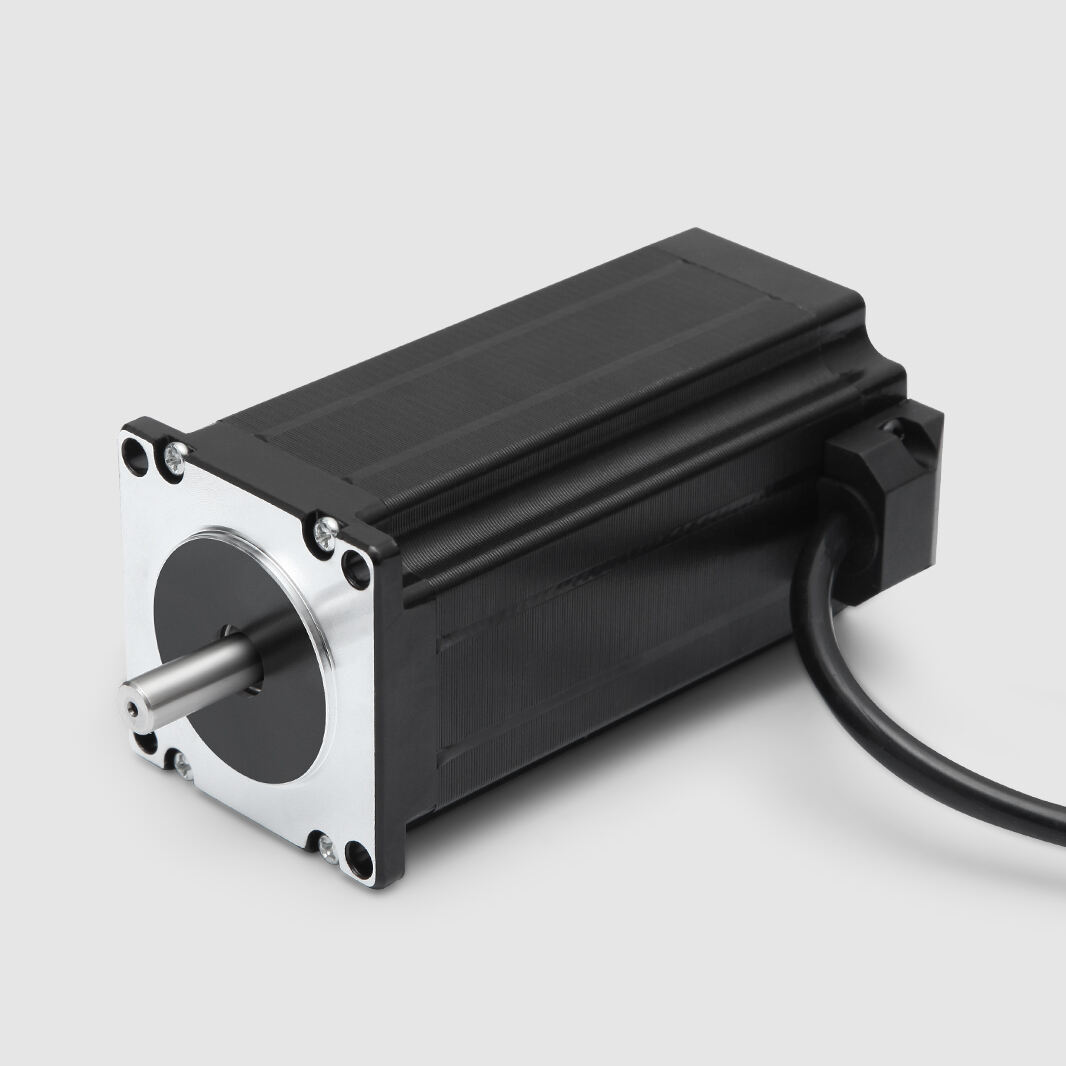
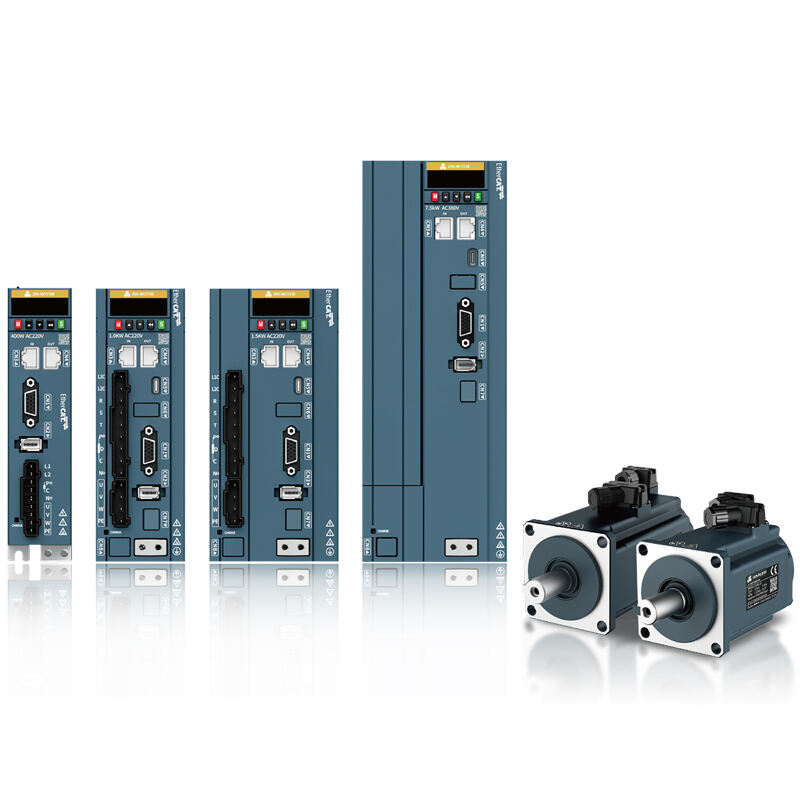
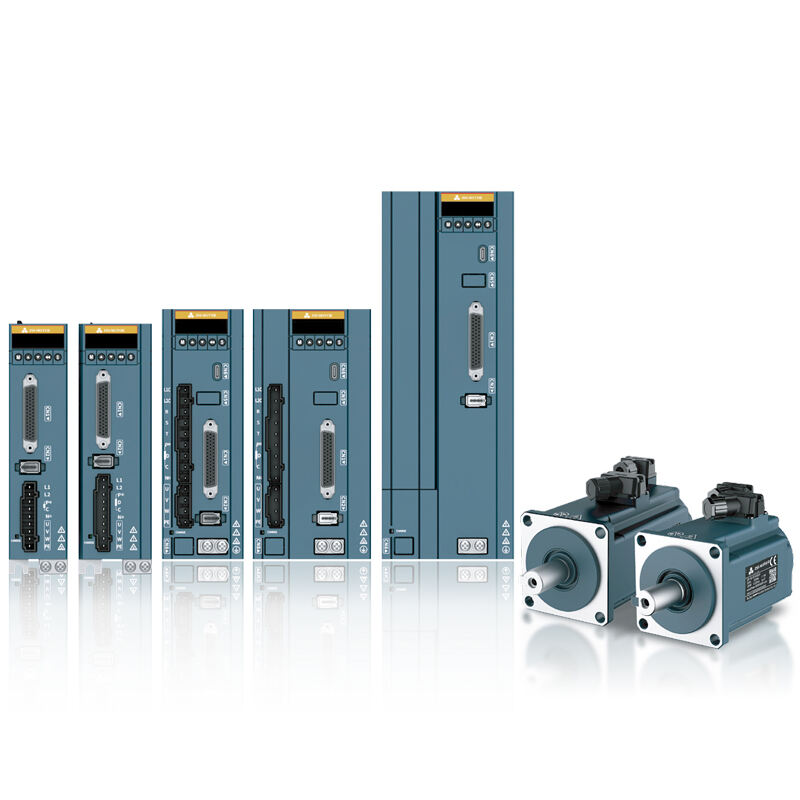
The servo motor nema 17 incorporates state-of-the-art feedback control technology that sets new standards for precision in compact motor applications. The integrated encoder system provides high-resolution position feedback, typically offering resolutions of several thousand counts per revolution, enabling positioning accuracy that surpasses conventional stepper motor capabilities by significant margins. This advanced feedback mechanism continuously monitors the motor's actual position and compares it with commanded positions, automatically correcting any deviations in real-time. The closed-loop control architecture eliminates cumulative positioning errors that plague open-loop systems, ensuring that even after thousands of operational cycles, the servo motor nema 17 maintains its original accuracy specifications. The sophisticated control algorithms implemented in compatible drive systems enable advanced motion profiles including smooth acceleration curves, precise velocity control, and optimized deceleration patterns that minimize settling time while maximizing system efficiency. This level of control precision proves invaluable in applications requiring repetitive accuracy such as automated assembly operations, where even minor positioning errors can result in product defects or assembly failures. The servo motor nema 17's feedback system also enables advanced diagnostic capabilities, providing real-time monitoring of motor health parameters including temperature, current consumption, and mechanical load conditions. This diagnostic information allows maintenance personnel to implement predictive maintenance strategies, identifying potential issues before they result in system failures or production disruptions. The motor's ability to detect and compensate for load variations ensures consistent performance regardless of external factors such as temperature changes, mechanical wear, or varying process demands. Additionally, the feedback system enables the implementation of advanced motion control techniques such as electronic gearing, cam profiling, and synchronized multi-axis movements that would be impossible with traditional open-loop motor systems.