servo drive adalah
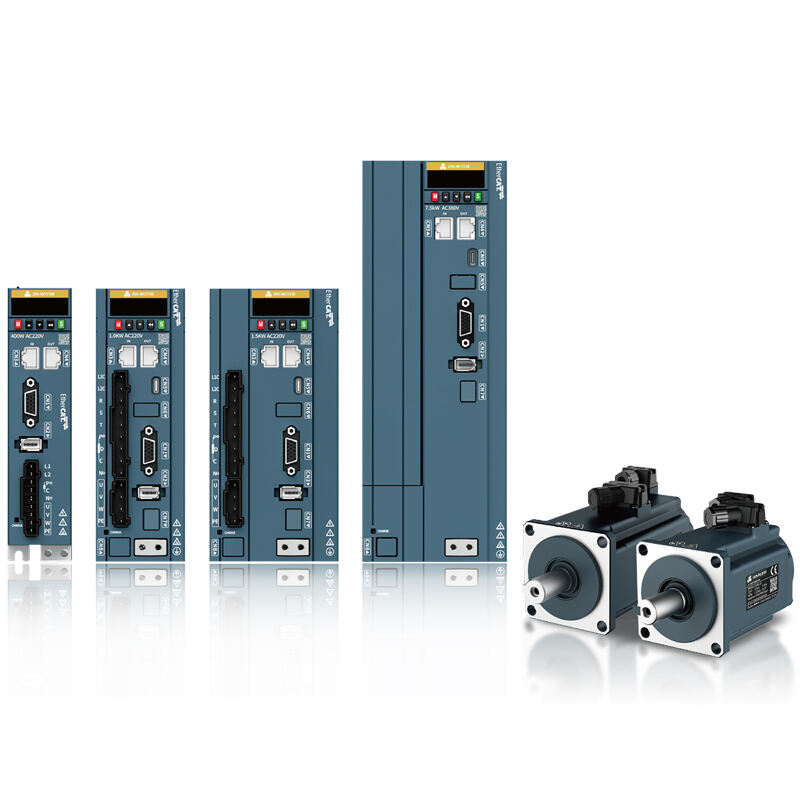
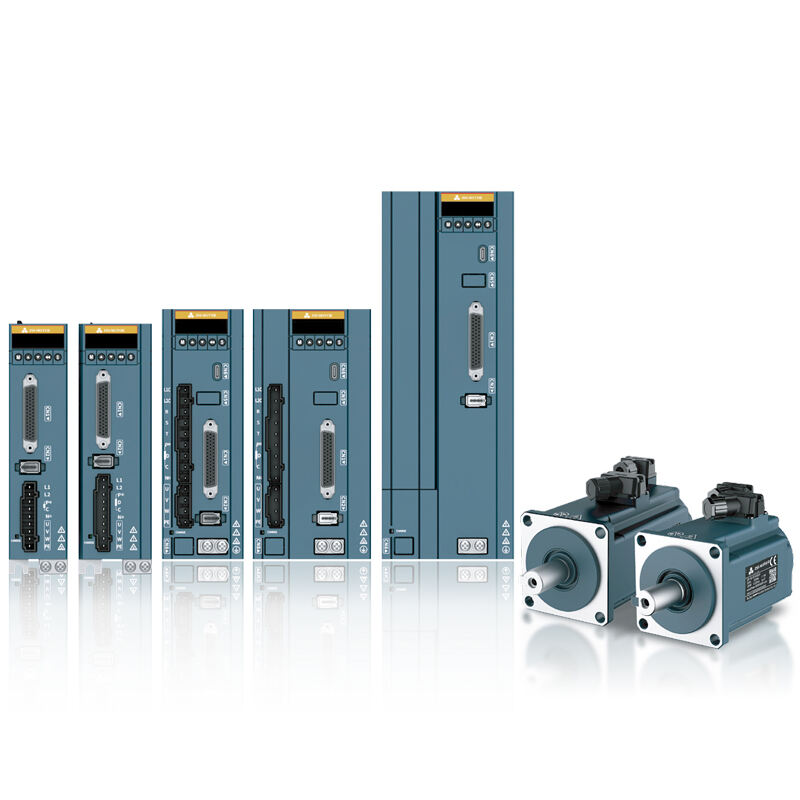
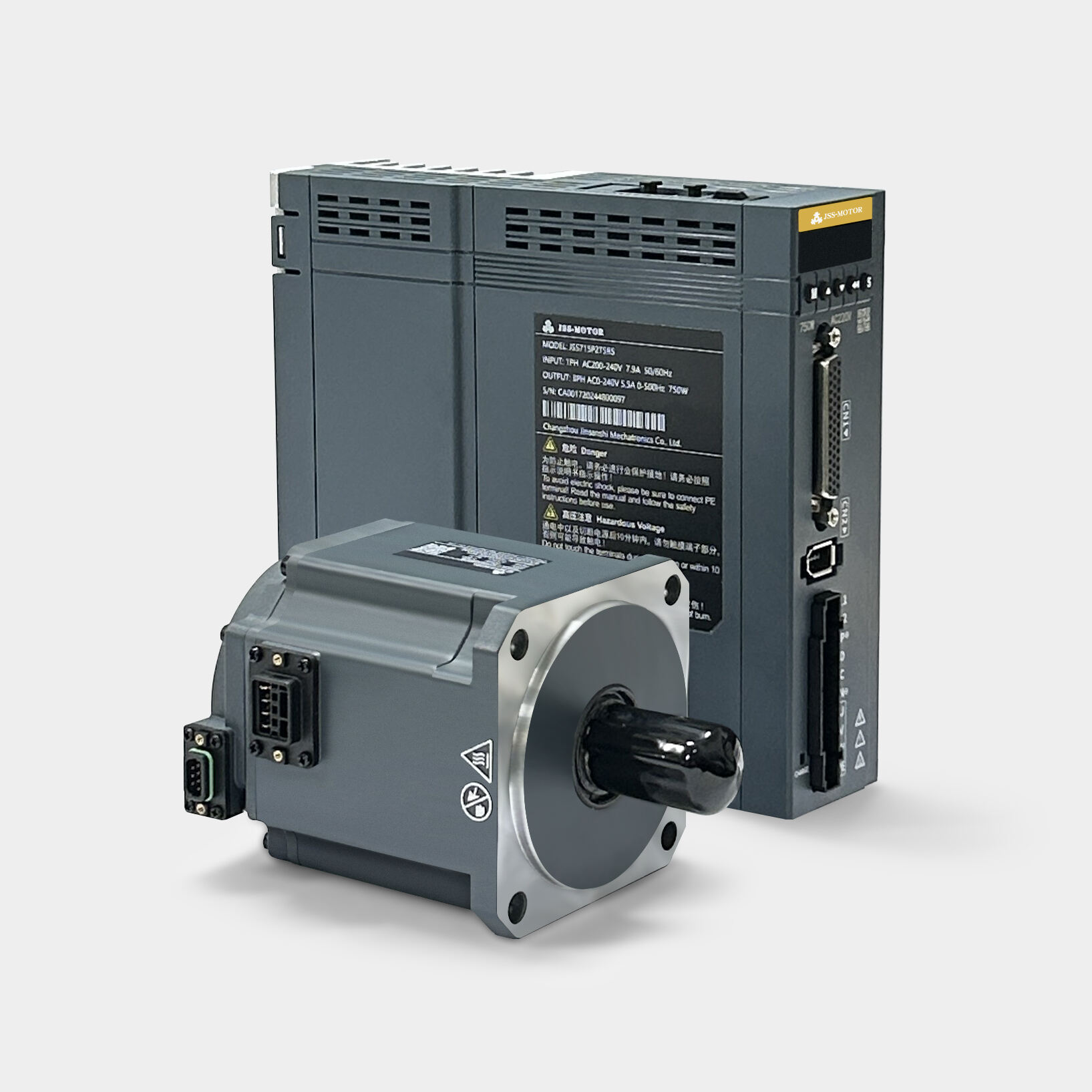
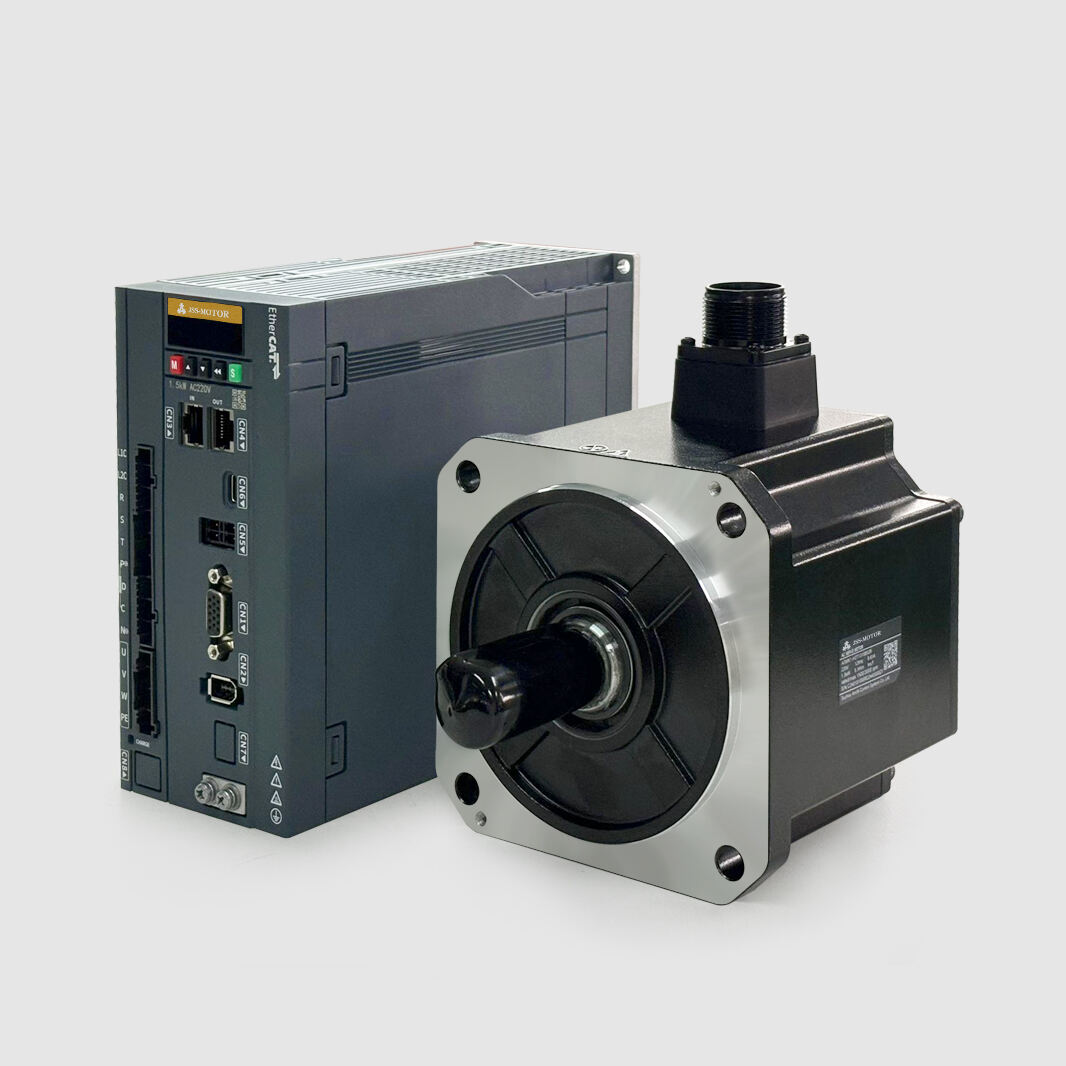
A servo drive adalah represents a sophisticated electronic control system that precisely manages servo motor operations in industrial automation applications. This advanced technology serves as the critical interface between control commands and motor execution, transforming digital signals into precise mechanical movements. The servo drive adalah functions as an intelligent amplifier that receives position, velocity, or torque commands from programmable logic controllers or computer systems, then delivers the exact power and control signals required to achieve desired motor performance. Modern servo drive adalah systems incorporate cutting-edge microprocessor technology, enabling real-time feedback processing and adjustment capabilities that ensure exceptional accuracy and responsiveness. These drives utilize advanced algorithms to interpret encoder feedback signals, constantly monitoring motor position, speed, and torque to maintain optimal performance parameters. The servo drive adalah architecture typically includes power conversion circuits, control processing units, communication interfaces, and protection mechanisms that work together to deliver reliable operation. Power conversion capabilities allow the servo drive adalah to transform incoming AC power into precisely controlled DC or AC output that matches specific motor requirements. The control processing unit manages complex calculations for position loops, velocity loops, and current loops, ensuring seamless coordination between commanded and actual motor performance. Communication interfaces enable the servo drive adalah to integrate seamlessly with various industrial networks and control systems, supporting protocols like EtherCAT, Profibus, and Modbus. Safety features built into servo drive adalah systems include overcurrent protection, overvoltage protection, thermal monitoring, and emergency stop capabilities that protect both equipment and operators. The technological foundation of servo drive adalah systems continues evolving with innovations in power electronics, digital signal processing, and artificial intelligence integration, making them increasingly efficient and capable of handling complex motion control challenges across diverse industrial sectors.