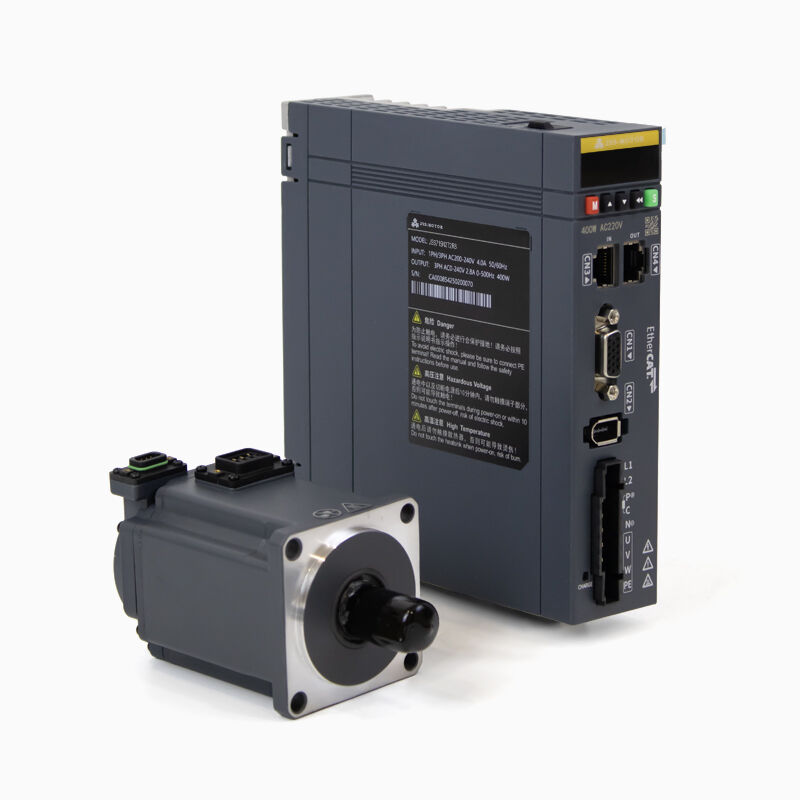
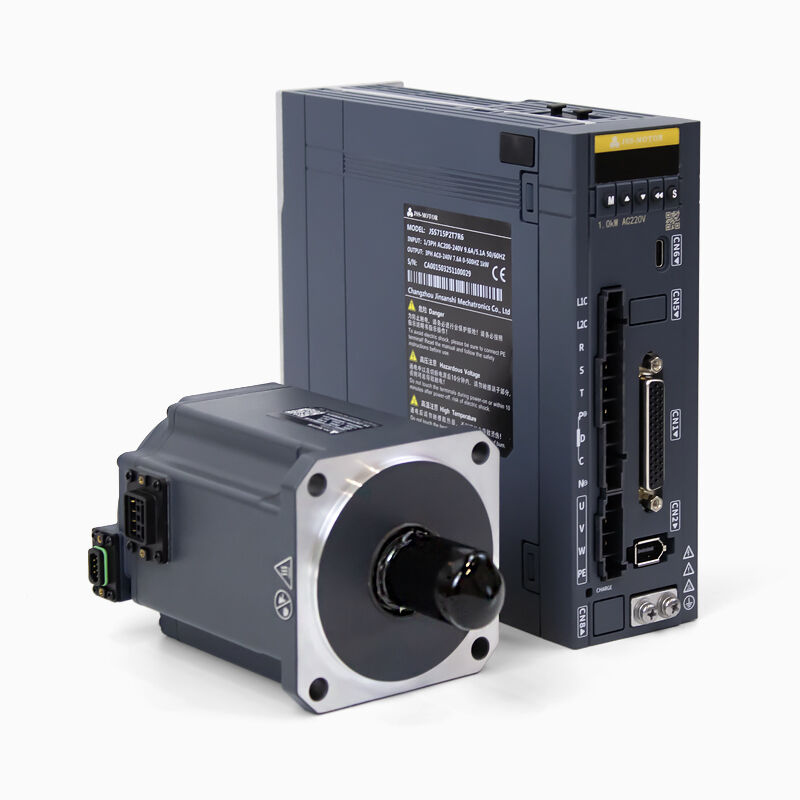
Hybrid Step Servo Motors: Advanced Precision Control with Closed-Loop Feedback Technology

Get a Free Quote

Our representative will contact you soon.
Email
Name
Company Name
WhatsApp
Mobile
Message
0/1000

hybrid step servo

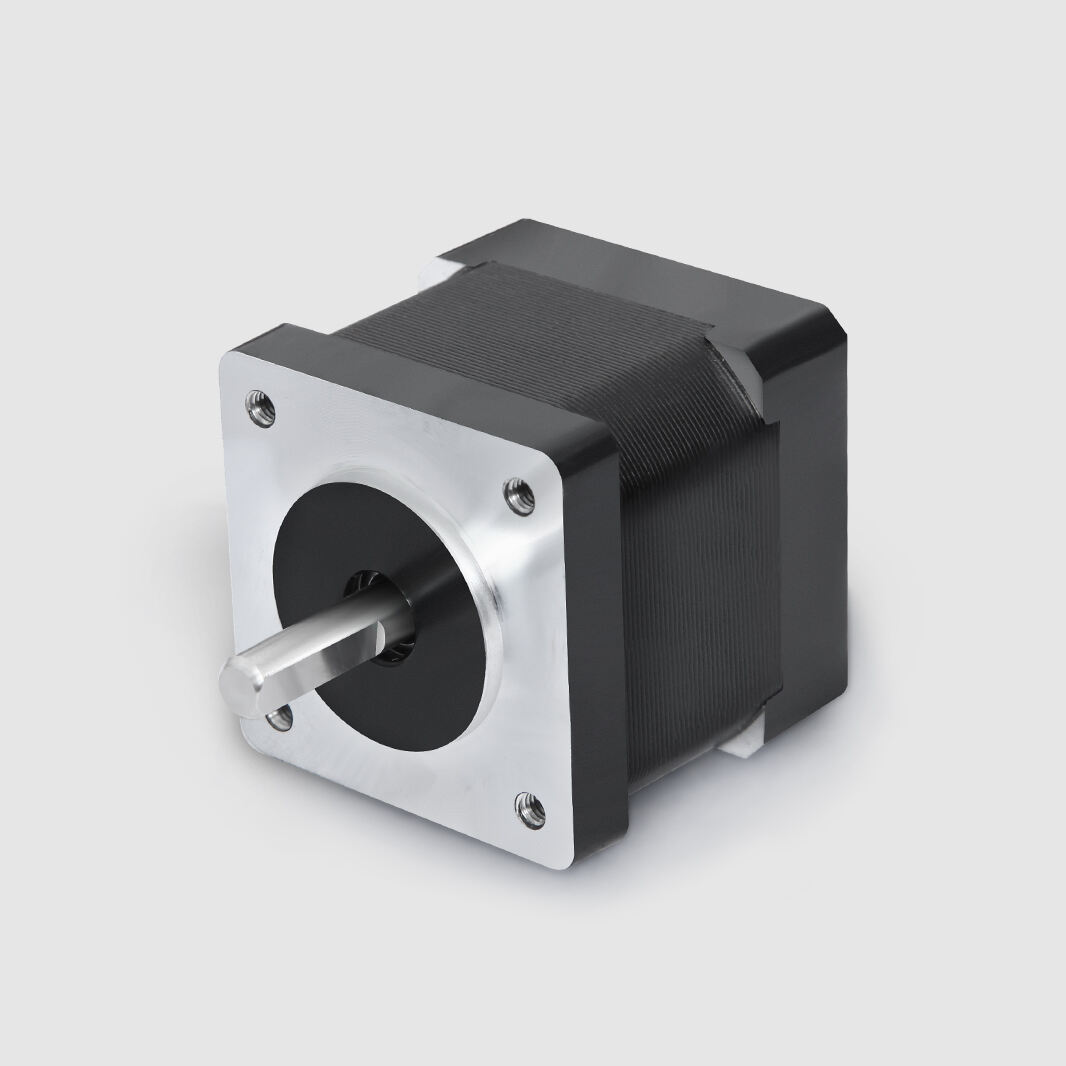
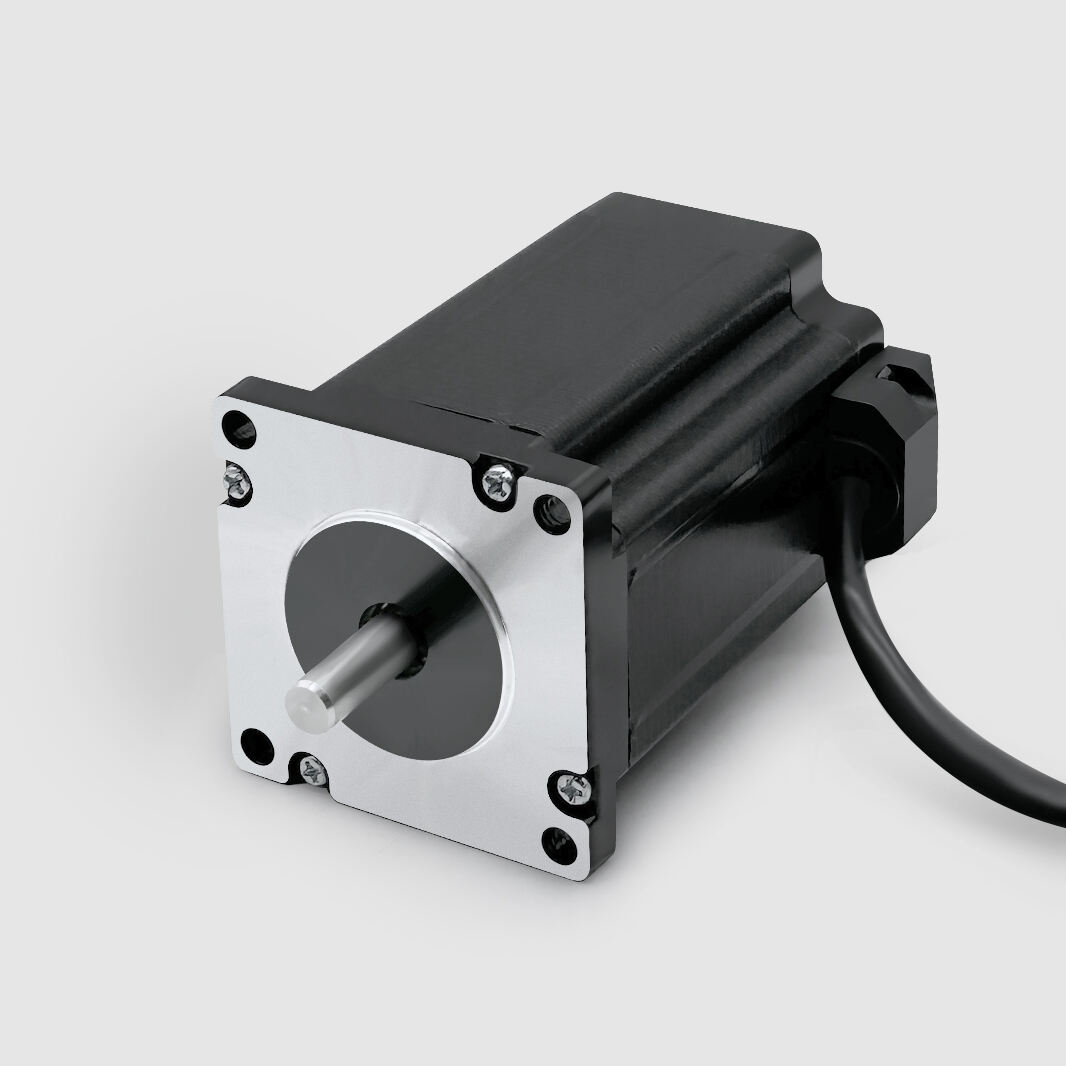
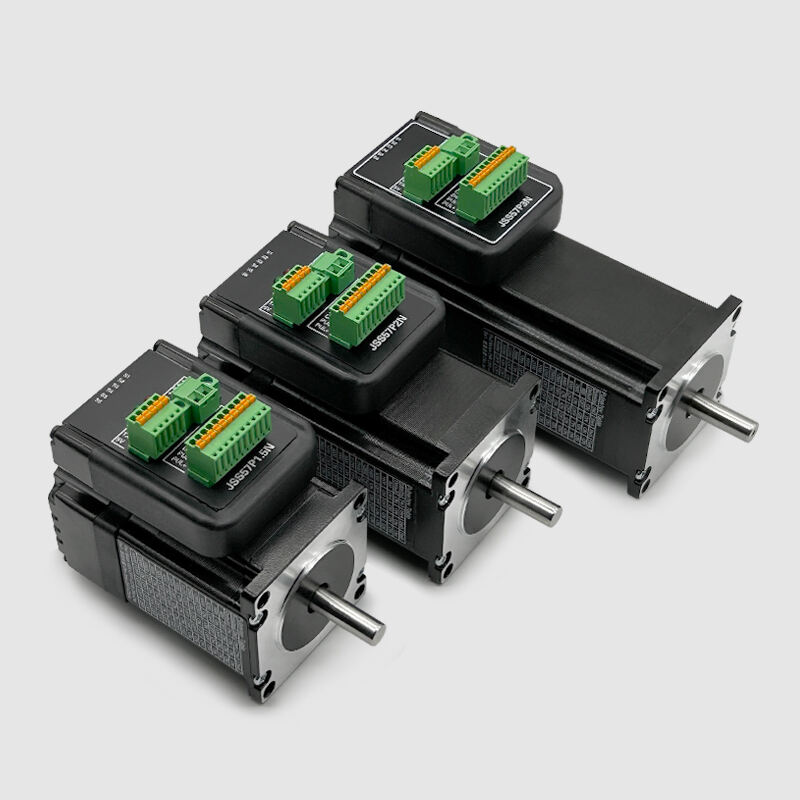
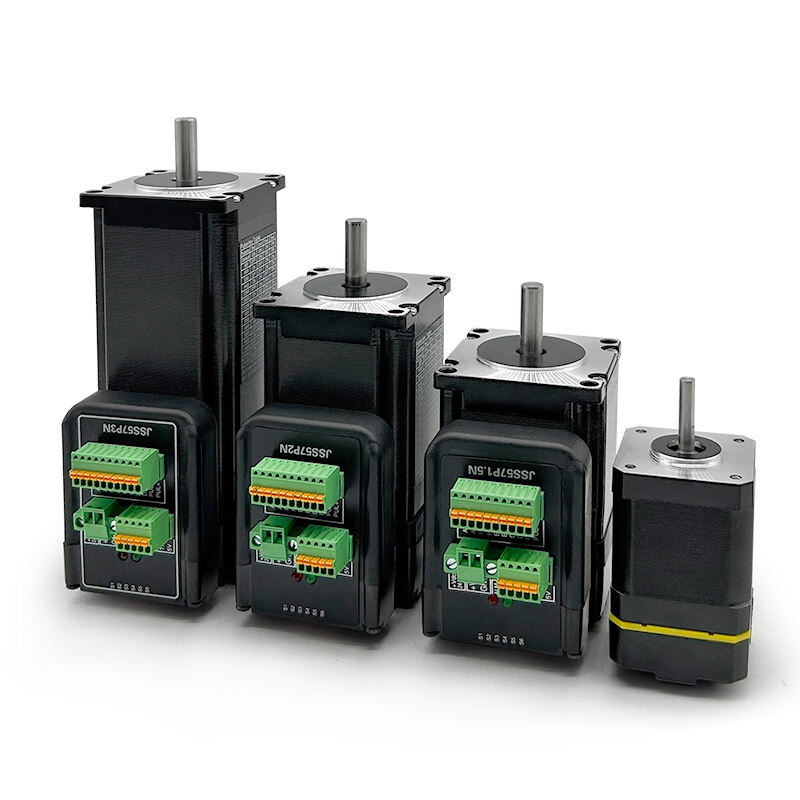
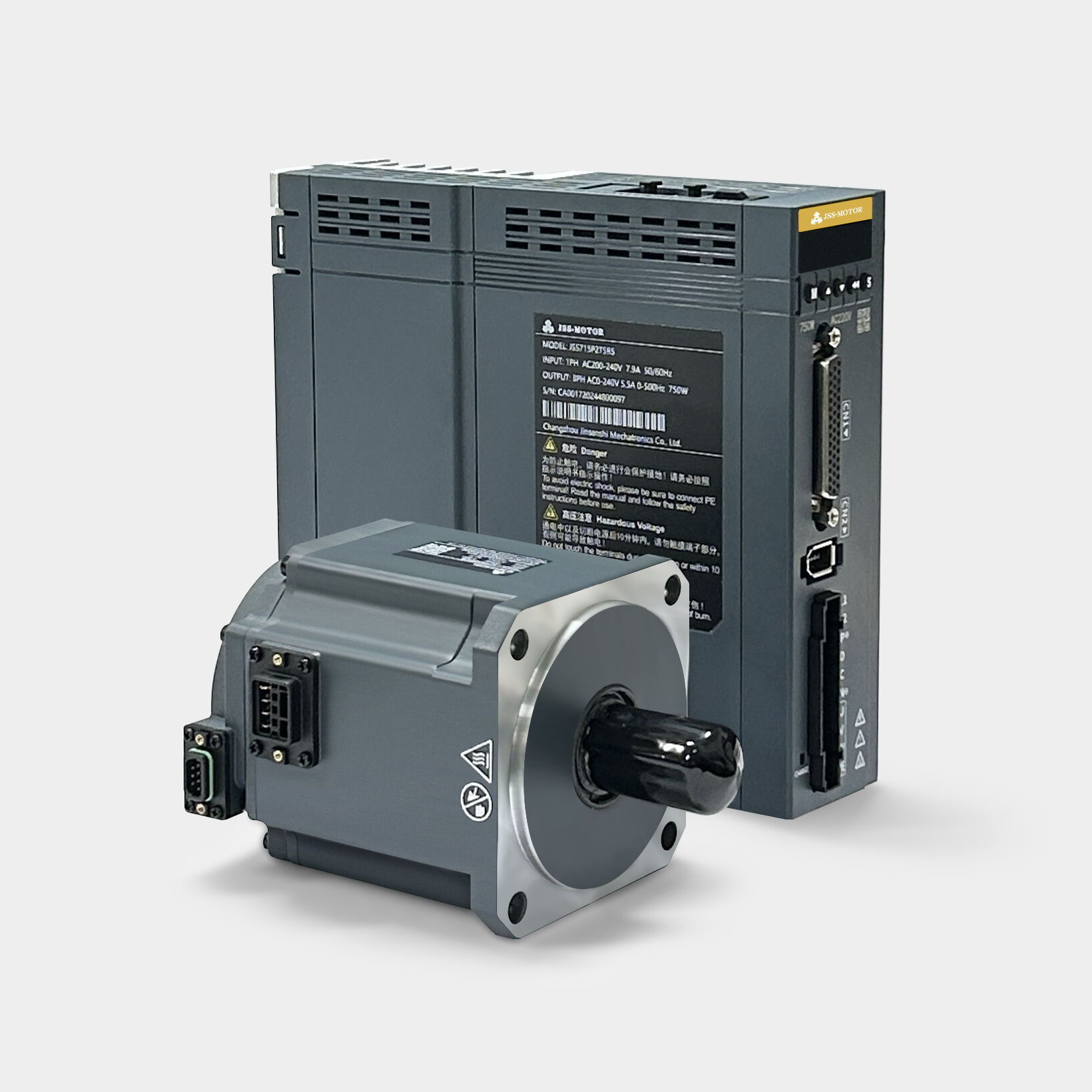
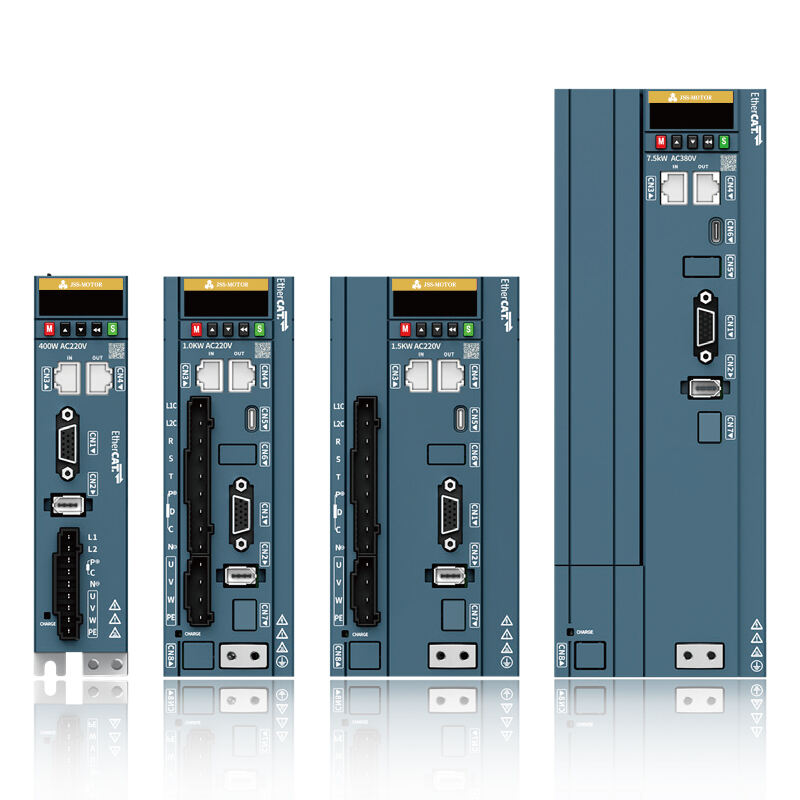
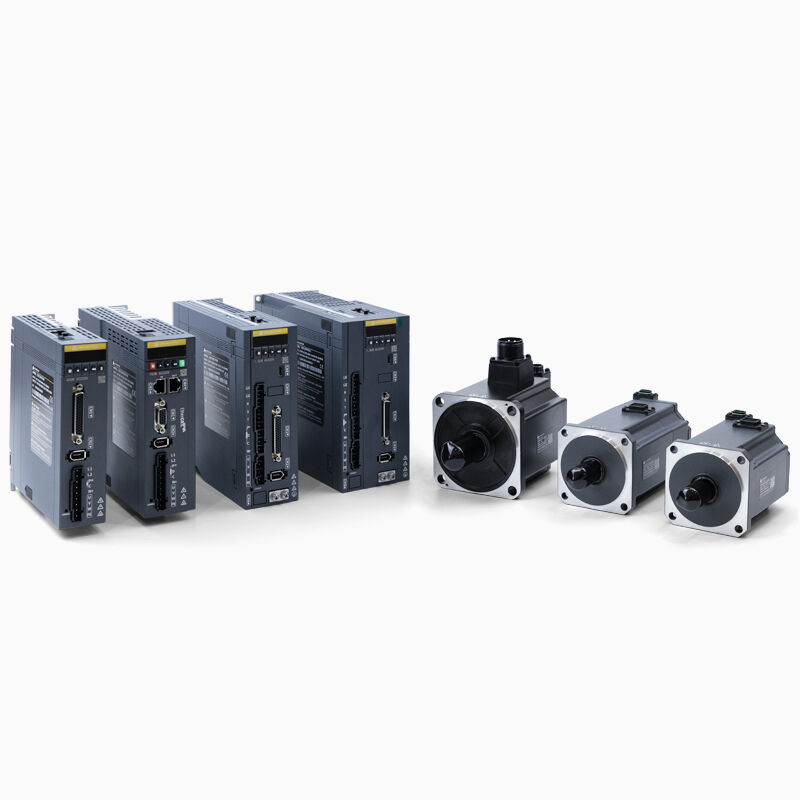
The hybrid step servo represents a revolutionary advancement in motion control technology, combining the precision of servo motors with the reliability of stepper motors. This innovative system integrates encoder feedback with traditional stepper motor operation, creating a powerful solution that addresses the limitations of conventional stepper motors while maintaining their inherent simplicity. The hybrid step servo operates by utilizing closed-loop feedback control, which continuously monitors the actual position of the motor shaft and compares it to the commanded position. When discrepancies occur, the system automatically adjusts to maintain accurate positioning, effectively eliminating the step loss issues commonly associated with traditional open-loop stepper systems. The main functions of the hybrid step servo include precise position control, speed regulation, and torque management across a wide range of operating conditions. This system excels in applications requiring high accuracy, smooth operation, and consistent performance under varying load conditions. Technologically, the hybrid step servo incorporates advanced encoder technology, typically using high-resolution optical or magnetic encoders that provide real-time position feedback. The control algorithm processes this feedback information to ensure optimal motor performance, automatically compensating for load variations, resonance effects, and external disturbances. The system maintains the familiar step and direction interface of traditional steppers while delivering servo-level performance characteristics. Applications for hybrid step servo technology span numerous industries, including CNC machining, 3D printing, packaging equipment, medical devices, semiconductor manufacturing, and automation systems. In CNC applications, the hybrid step servo provides the precision required for complex machining operations while offering the reliability needed for continuous production environments. The packaging industry benefits from the smooth, quiet operation and precise positioning capabilities, particularly in high-speed packaging lines where accuracy and repeatability are crucial. Medical device manufacturers rely on hybrid step servo systems for precise movement control in surgical robots, diagnostic equipment, and laboratory automation systems where patient safety and measurement accuracy are paramount.

New Product Releases

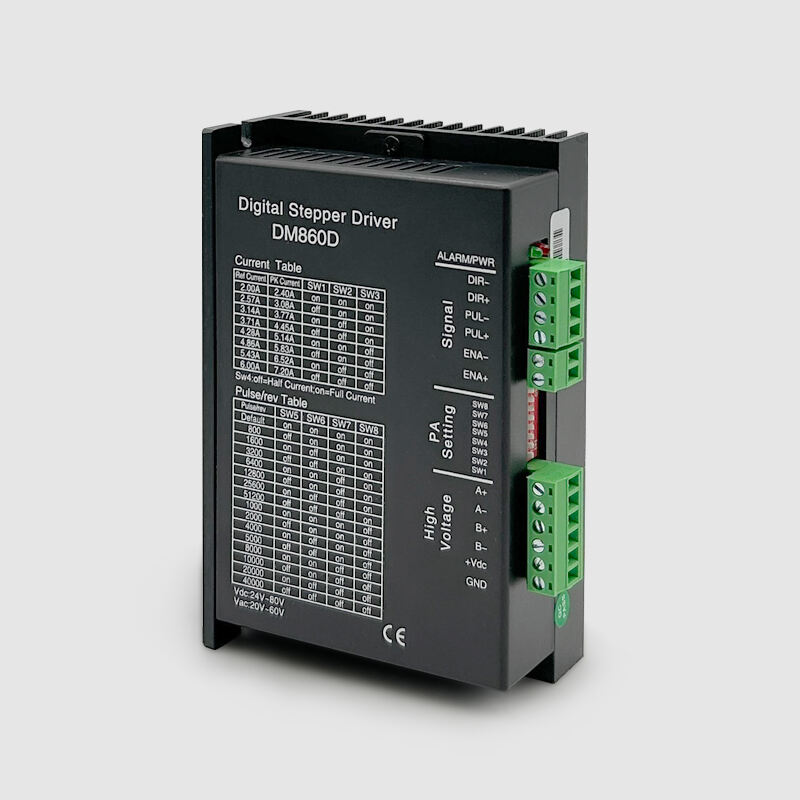
The hybrid step servo delivers exceptional performance benefits that directly translate into improved operational efficiency and cost savings for users across various applications. Unlike traditional stepper motors that operate in open-loop mode and can lose steps under heavy loads or rapid acceleration, the hybrid step servo maintains perfect position accuracy through its closed-loop feedback system. This fundamental advantage eliminates the need for expensive homing routines and position verification procedures, reducing cycle times and increasing productivity. Users experience significantly smoother operation compared to conventional steppers, as the hybrid step servo actively dampens resonance and vibration that typically plague standard stepper systems. This smooth operation reduces mechanical wear on connected components, extending equipment life and minimizing maintenance requirements. The system automatically adjusts its performance parameters based on load conditions, ensuring optimal torque delivery and energy efficiency across the entire operating range. Power consumption represents another major advantage, as the hybrid step servo intelligently manages current delivery based on actual load requirements rather than maintaining constant high current like traditional steppers. This intelligent current control reduces heat generation, allowing for more compact system designs and eliminating the need for oversized cooling systems. The reduced heat output also contributes to improved reliability and longer component lifespan. Installation and setup prove remarkably straightforward, as the hybrid step servo maintains compatibility with existing stepper motor drivers and control systems. Users can upgrade from traditional steppers without requiring extensive system modifications or specialized programming knowledge. The familiar step and direction interface ensures seamless integration with existing automation platforms and motion controllers. Performance consistency stands out as a key advantage, with the hybrid step servo maintaining accurate positioning regardless of load variations, temperature changes, or mechanical wear. This reliability eliminates the guesswork associated with traditional stepper systems and reduces the need for frequent recalibration procedures. The system provides real-time performance monitoring capabilities, allowing users to track motor status, detect potential issues before they cause problems, and optimize system performance based on actual operating conditions. Speed capabilities exceed those of traditional steppers, with the hybrid step servo maintaining full torque at higher speeds and delivering smooth acceleration profiles. This performance enhancement enables faster cycle times and improved throughput in production applications. The system also offers superior holding torque characteristics, maintaining position accuracy even under external disturbances or varying load conditions.

Practical Tips

Does a digital stepper driver reduce EMI compared to analog models?

26

Sep

Does a digital stepper driver reduce EMI compared to analog models?

Understanding EMI Reduction in Modern Motor Control Systems The evolution of motor control technology has brought significant advancements in how we manage electromagnetic interference (EMI) in industrial and automation applications. Digital stepper ...
View More
2025 Guide: How AC Servo Motors Transform Industrial Automation

20

Oct

2025 Guide: How AC Servo Motors Transform Industrial Automation

The Evolution of Industrial Motion Control Technology Industrial automation has witnessed a remarkable transformation over the past decades, with ac servo motors emerging as the cornerstone of precise motion control. These sophisticated devices have ...
View More
AC Servo Motor vs. Stepper Motor: Which to Choose?

20

Oct

AC Servo Motor vs. Stepper Motor: Which to Choose?

Understanding Motion Control System Fundamentals In the world of precision motion control and automation, choosing the right motor technology can make or break your application's success. The debate between ac servo motors and stepper motors continue...
View More
Troubleshooting Common Servo Drive Problems

27

Nov

Troubleshooting Common Servo Drive Problems

Industrial automation systems rely heavily on the precise control and reliability of servo drives for optimal performance. A servo drive functions as the brain of motion control systems, converting command signals into precise motor movements. Unders...
View More

Get a Free Quote

Our representative will contact you soon.
Email
Name
Company Name
WhatsApp
Mobile
Message
0/1000

hybrid step servo

Advanced Closed-Loop Feedback Control System

Advanced Closed-Loop Feedback Control System

The hybrid step servo distinguishes itself through its sophisticated closed-loop feedback control system, which represents a quantum leap forward from traditional open-loop stepper motor technology. This advanced control system continuously monitors the actual rotor position using high-resolution encoders, typically offering 2000 to 10000 counts per revolution or higher, depending on the specific application requirements. The encoder feedback provides real-time position data that the control algorithm compares against the commanded position, creating an error signal that drives corrective action when deviations occur. This closed-loop operation eliminates the fundamental weakness of traditional stepper motors, which can lose steps under adverse conditions such as excessive load, rapid acceleration, or external disturbances. The control system employs sophisticated algorithms that not only correct position errors but also predict and prevent potential step loss situations before they occur. The feedback system operates at extremely high frequencies, typically updating position information thousands of times per second, ensuring that corrections happen virtually instantaneously and maintaining smooth, precise motion throughout the entire operating range. This real-time monitoring and correction capability proves invaluable in critical applications where position accuracy cannot be compromised, such as medical equipment, precision manufacturing, and scientific instrumentation. The closed-loop system also enables advanced features like automatic resonance damping, where the controller identifies and actively suppresses the natural resonant frequencies that cause vibration and noise in traditional stepper systems. Users benefit from dramatically improved system reliability, as the hybrid step servo can detect and compensate for mechanical wear, load variations, and environmental changes that would cause traditional steppers to lose accuracy over time. The feedback system provides diagnostic capabilities that allow users to monitor motor health, track performance trends, and schedule preventive maintenance based on actual operating conditions rather than arbitrary time intervals. This predictive maintenance approach reduces unexpected downtime and extends equipment lifespan while optimizing maintenance costs.
Exceptional Smooth Operation with Intelligent Torque Management

Exceptional Smooth Operation with Intelligent Torque Management

The hybrid step servo delivers remarkably smooth operation through its intelligent torque management system, which dynamically optimizes motor performance based on real-time operating conditions. Unlike traditional stepper motors that exhibit characteristic step-by-step movement and associated vibration, the hybrid step servo provides fluid, continuous motion that closely resembles servo motor performance while maintaining the simplicity and cost-effectiveness of stepper technology. The intelligent torque management system continuously analyzes load requirements, speed demands, and acceleration profiles to deliver precisely the right amount of torque at each moment. This dynamic optimization prevents the over-energizing that characterizes traditional stepper systems, where motors typically consume maximum current regardless of actual load requirements. The result is significantly reduced heat generation, improved energy efficiency, and extended component lifespan. The smooth operation characteristics prove particularly valuable in applications requiring quiet operation, such as medical devices, office equipment, and laboratory instruments where noise levels must be minimized. The system actively suppresses mid-frequency resonance that causes audible noise and mechanical vibration in conventional steppers, creating a much more pleasant working environment. This vibration reduction also benefits connected mechanical components, reducing wear on bearings, couplings, and transmission elements while improving overall system reliability. The intelligent torque management extends to holding torque optimization, where the system maintains just enough current to hold position securely while minimizing power consumption and heat generation. This smart holding capability proves especially beneficial in battery-powered applications or systems with thermal constraints. Users experience improved precision in applications requiring smooth velocity profiles, as the hybrid step servo eliminates the velocity ripple characteristic of traditional steppers. This smooth velocity profile proves crucial in applications like camera systems, scanning equipment, and material handling where consistent motion quality directly impacts final results. The system also provides superior microstepping performance, delivering true intermediate positions rather than the approximated positions of traditional stepper systems, enabling applications requiring extremely fine positioning resolution.
Seamless Integration with Enhanced Performance Monitoring

Seamless Integration with Enhanced Performance Monitoring

The hybrid step servo excels in providing seamless integration capabilities while offering comprehensive performance monitoring features that empower users to optimize their systems for maximum efficiency and reliability. The integration advantage stems from the system's ability to interface directly with existing stepper motor infrastructure, utilizing standard step and direction signals that are universally supported by motion controllers, PLCs, and automation platforms. This compatibility eliminates the need for expensive system overhauls when upgrading from traditional stepper technology, allowing users to realize immediate performance benefits without significant capital investment or lengthy implementation projects. The hybrid step servo maintains the same mounting dimensions and electrical connections as standard stepper motors, enabling drop-in replacement in many applications. However, the real value lies in the enhanced performance monitoring capabilities that provide unprecedented insight into motor operation and system health. The integrated monitoring system tracks critical parameters including position accuracy, velocity consistency, torque loading, temperature, and power consumption in real-time. This comprehensive data collection enables predictive maintenance strategies that prevent unexpected failures and optimize system performance. Users can establish baseline performance profiles and monitor deviations that might indicate developing problems such as mechanical wear, misalignment, or load changes. The monitoring system can communicate this information through various industrial communication protocols, enabling integration with plant-wide monitoring systems and Industry 4.0 initiatives. Alert mechanisms notify operators of unusual conditions before they result in system failures, reducing unplanned downtime and maintenance costs. The performance data also enables system optimization, allowing users to fine-tune acceleration profiles, adjust current settings, and optimize motion parameters for specific applications. This data-driven approach to system optimization results in improved throughput, reduced energy consumption, and extended equipment lifespan. The monitoring capabilities extend to environmental factors, tracking ambient temperature effects on motor performance and automatically compensating for thermal variations that could affect positioning accuracy. This environmental compensation proves particularly valuable in applications where temperature fluctuations are common, such as outdoor installations or facilities without precise climate control.
+86-13401517369
[email protected]

Get a Free Quote

Our representative will contact you soon.
Email
Name
Company Name
WhatsApp
Mobile
Message
0/1000

Copyright © 2026 Changzhou Jinsanshi Mechatronics Co., Ltd. All rights reserved.  -  Privacy policy