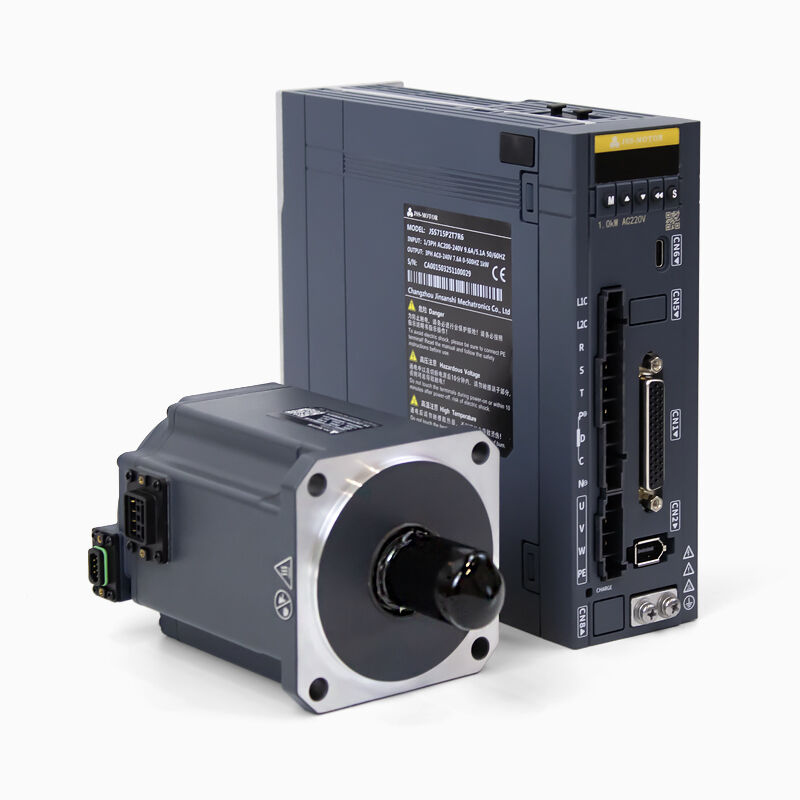
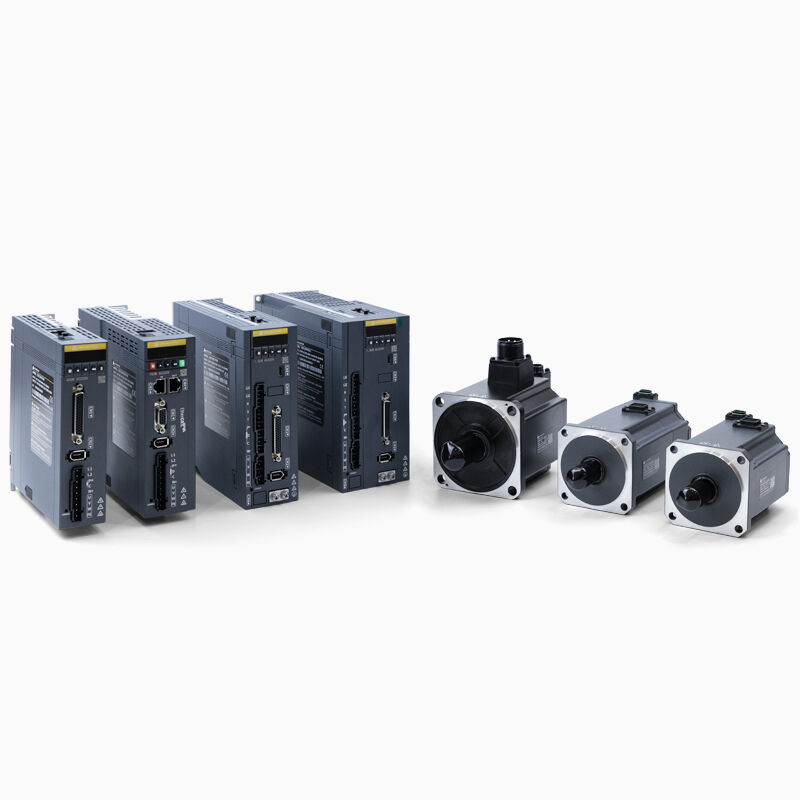
Variable Speed Servo Motor: Advanced Precision Control Solutions for Industrial Automation

Get a Free Quote

Our representative will contact you soon.
Email
Name
Company Name
WhatsApp
Mobile
Message
0/1000

variable speed servo motor

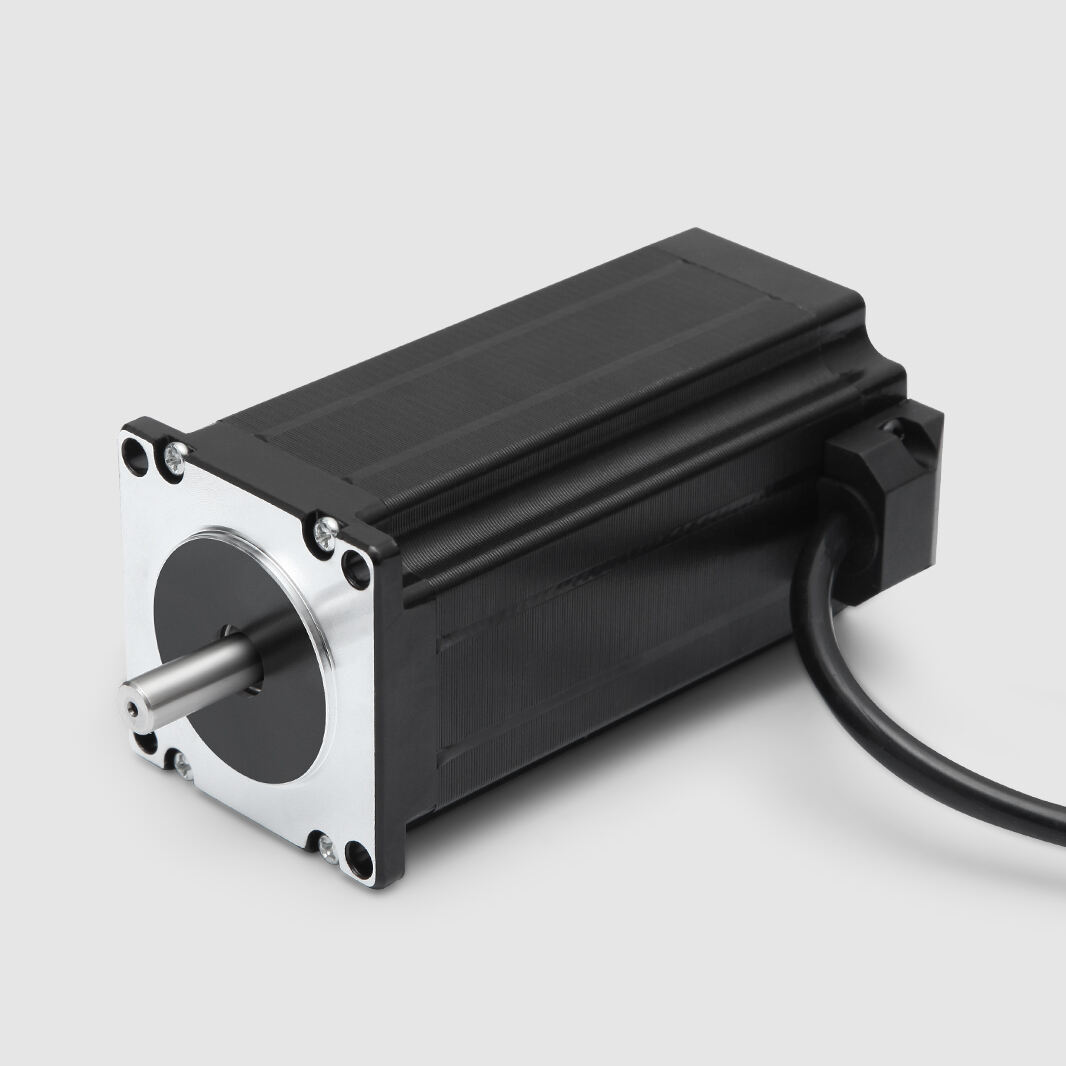
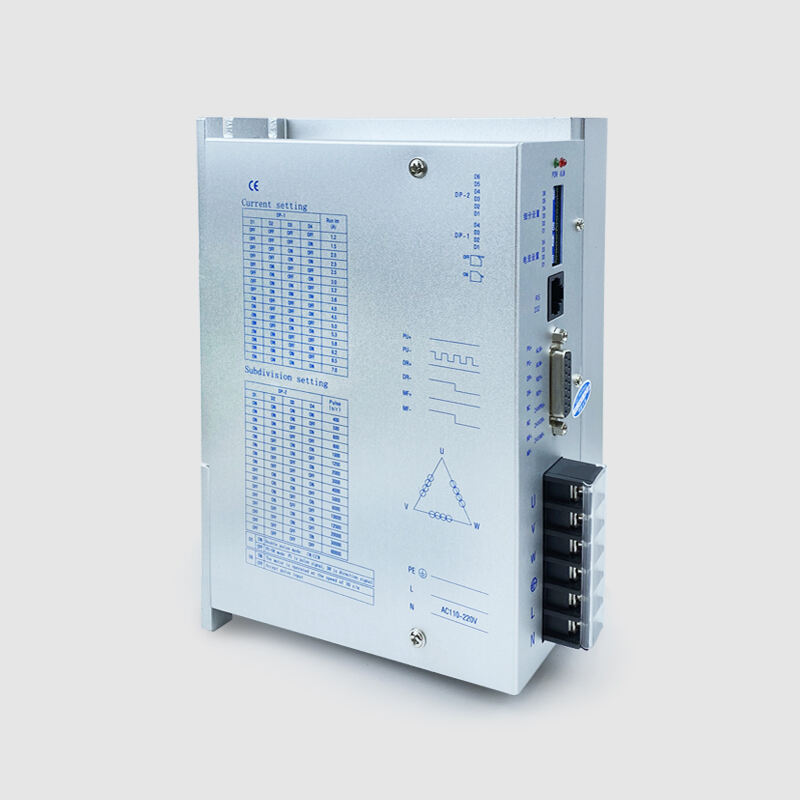
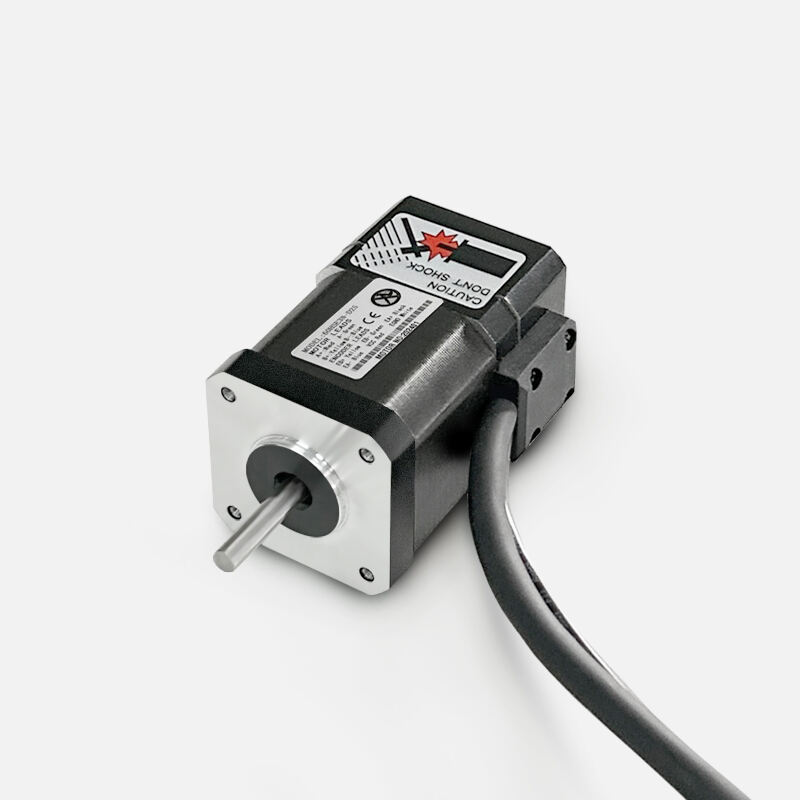
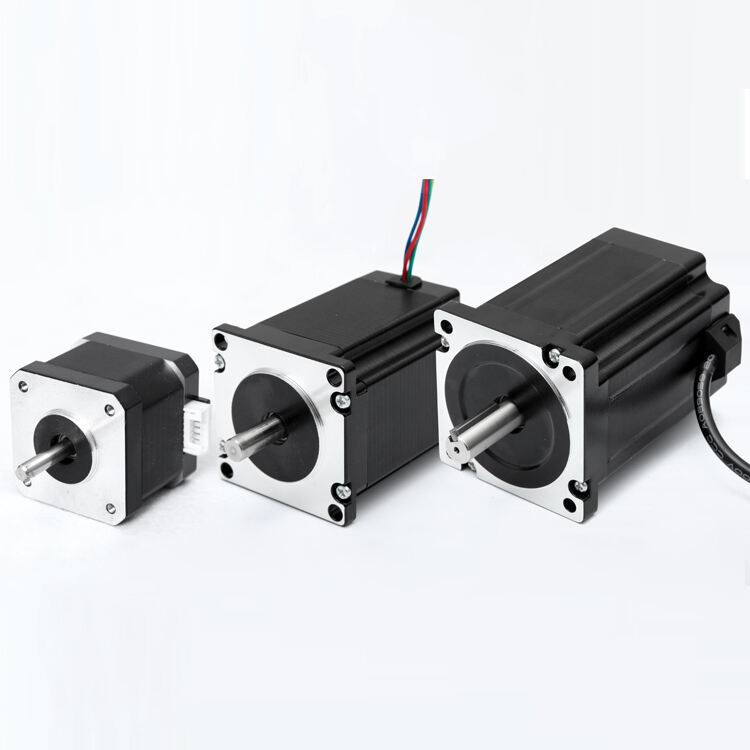
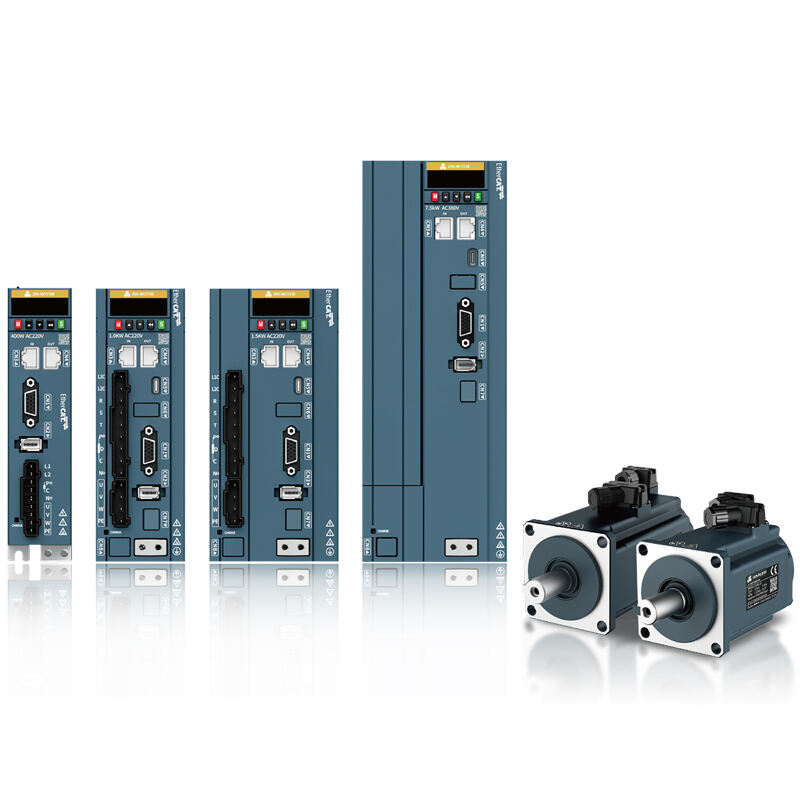
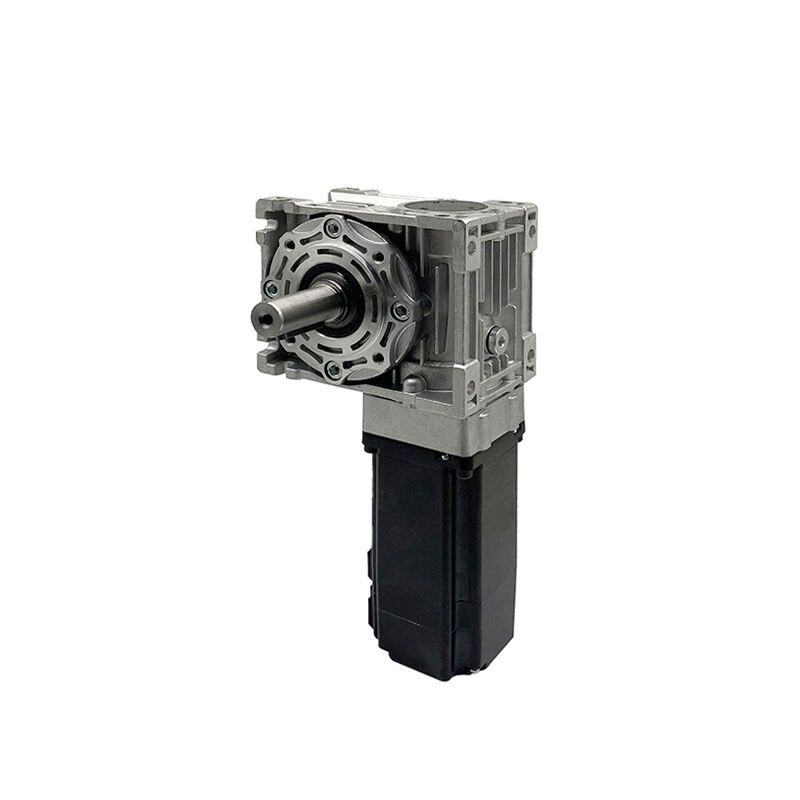
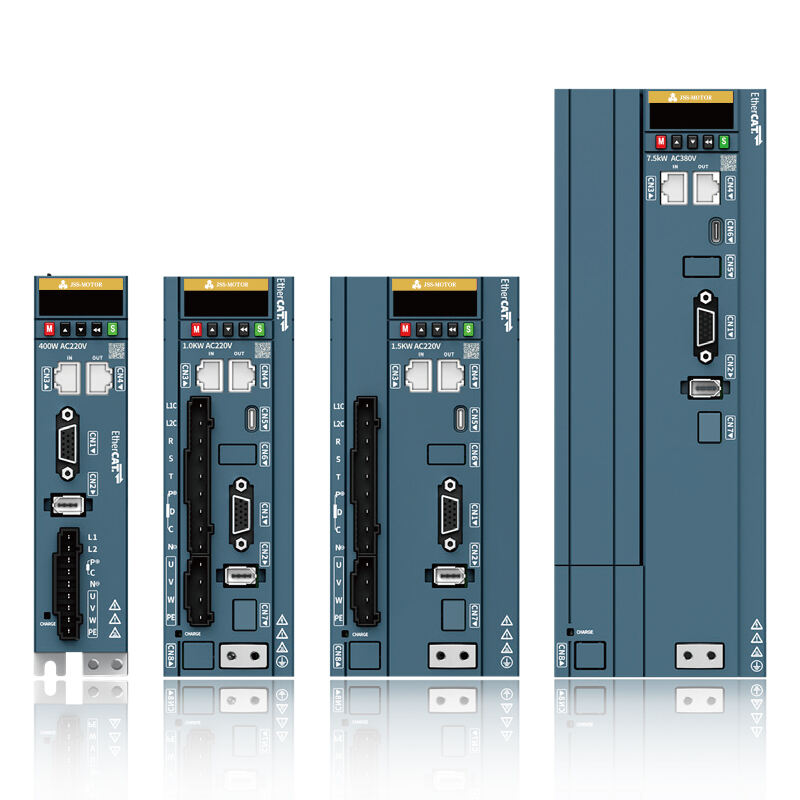
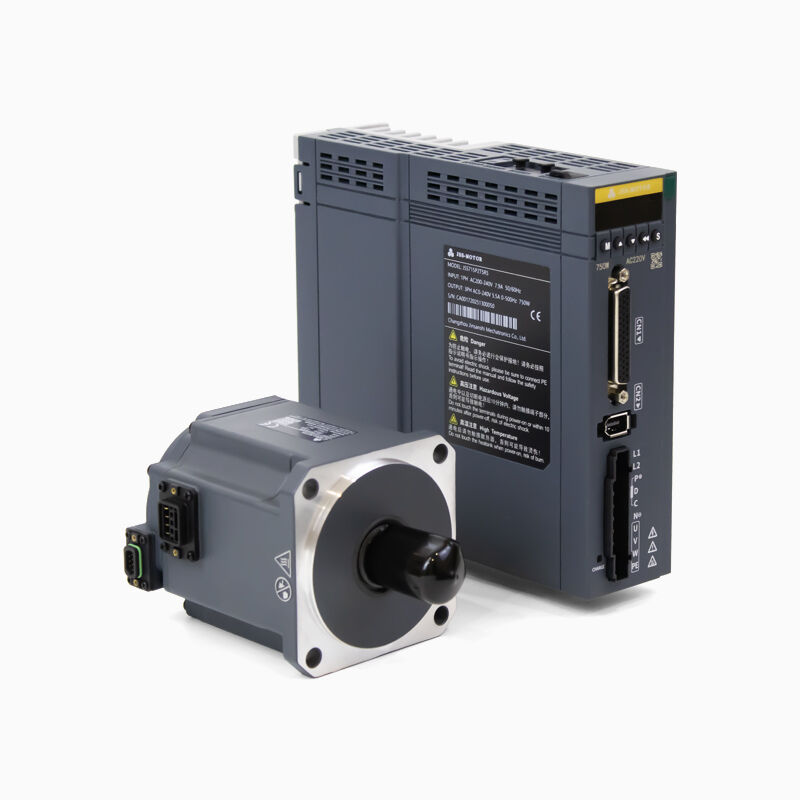
A variable speed servo motor represents an advanced electromechanical device that combines precise motion control with exceptional speed regulation capabilities. This sophisticated motor system integrates a servo motor with variable frequency drive technology to deliver unparalleled performance in industrial automation applications. The variable speed servo motor operates by receiving feedback signals from encoders or resolvers, enabling it to maintain exact positioning and speed control throughout various operational conditions. The core functionality revolves around closed-loop control systems that continuously monitor and adjust motor performance to match commanded parameters. These motors feature high-resolution feedback systems that provide real-time position, velocity, and torque information to the control unit. The technological architecture includes permanent magnet synchronous motors paired with intelligent drive controllers that process feedback signals and adjust power delivery accordingly. Modern variable speed servo motors incorporate advanced algorithms for smooth acceleration and deceleration profiles, reducing mechanical stress and improving overall system longevity. The motor construction typically features rare-earth permanent magnets, precision-wound stator coils, and robust bearing systems designed for continuous operation. Digital signal processors within the drive system enable rapid response times and exceptional accuracy, often achieving positioning tolerances within micrometers. The variable speed servo motor excels in applications requiring precise positioning, including CNC machinery, robotic systems, packaging equipment, and conveyor systems. Manufacturing industries rely on these motors for assembly line automation, where consistent speed control and positioning accuracy directly impact product quality. The aerospace sector utilizes variable speed servo motors in flight control systems and manufacturing processes that demand exceptional reliability. Medical equipment manufacturers incorporate these motors into surgical robots, imaging systems, and laboratory automation equipment. The printing industry benefits from the precise speed control capabilities for maintaining consistent print quality and registration accuracy.

New Product Releases

Variable speed servo motors deliver exceptional energy efficiency compared to traditional fixed-speed motors, reducing operational costs significantly while minimizing environmental impact. These motors consume power proportional to the actual load requirements, eliminating energy waste during low-demand periods and contributing to substantial utility bill reductions. The precision control capabilities enable manufacturers to achieve superior product quality through consistent positioning accuracy and repeatable motion profiles. This reliability translates directly into reduced waste, lower rejection rates, and improved customer satisfaction. The variable speed functionality allows operators to optimize production speeds for different products without requiring multiple motor configurations, providing remarkable operational flexibility. Maintenance requirements are dramatically reduced due to the smooth operation characteristics and reduced mechanical stress on system components. The absence of mechanical speed control devices such as gears or belts eliminates common failure points and extends equipment lifespan. Installation procedures are straightforward, requiring minimal modifications to existing systems while providing immediate performance improvements. The compact design of variable speed servo motors enables space-efficient installations in crowded industrial environments. Advanced diagnostic capabilities built into modern servo drives provide real-time health monitoring and predictive maintenance alerts, preventing unexpected downtime and optimizing maintenance schedules. The programmable nature of these systems allows for easy adaptation to changing production requirements without hardware modifications. Noise levels are significantly lower than conventional motor systems, creating more comfortable working environments and meeting strict industrial noise regulations. The responsive nature of variable speed servo motors enables rapid changes in direction and speed, improving overall system productivity. Integration with modern automation systems is seamless, supporting various communication protocols and providing comprehensive system connectivity. The consistent torque output across the entire speed range ensures reliable performance regardless of operational conditions. Temperature stability is excellent, maintaining performance specifications even in challenging industrial environments. The return on investment is typically realized within months due to energy savings, reduced maintenance costs, and improved productivity. Safety features include overcurrent protection, thermal monitoring, and emergency stop capabilities that protect both equipment and personnel.

Tips And Tricks

Why monitor voltage ripple when selecting a stepper driver for 3D printers?

26

Sep

Why monitor voltage ripple when selecting a stepper driver for 3D printers?

Understanding Voltage Ripple Impact on 3D Printer Performance The success of any 3D printing project heavily depends on the precision and reliability of the printer's motion control system. At the heart of this system lies the stepper motor driver, w...
View More
Top 10 Servo Motor Applications in Modern Industry

27

Nov

Top 10 Servo Motor Applications in Modern Industry

The evolution of industrial automation has positioned servo motors as essential components in modern manufacturing and production systems. These precision-engineered devices deliver exceptional accuracy, superior speed control, and remarkable efficie...
View More
Brushless DC Motor vs Brushed: Key Differences Explained

12

Dec

Brushless DC Motor vs Brushed: Key Differences Explained

Modern industrial applications increasingly demand precise motion control, efficiency, and reliability from their drive systems. The choice between a brushless DC motor and a traditional brushed motor can significantly impact performance, maintenance...
View More
Industrial Servo Drive Systems: Benefits & Applications

12

Dec

Industrial Servo Drive Systems: Benefits & Applications

Industrial automation has revolutionized manufacturing processes across countless industries, with precision motion control serving as a cornerstone of modern production systems. At the heart of these sophisticated control mechanisms lies the servo d...
View More

Get a Free Quote

Our representative will contact you soon.
Email
Name
Company Name
WhatsApp
Mobile
Message
0/1000

variable speed servo motor

Unmatched Precision Control Technology

Unmatched Precision Control Technology

The precision control technology embedded within variable speed servo motors represents the pinnacle of modern motion control engineering, delivering positioning accuracy that surpasses traditional motor systems by orders of magnitude. This exceptional precision stems from sophisticated feedback systems that continuously monitor motor position, velocity, and acceleration with resolutions often exceeding one million counts per revolution. The closed-loop control architecture processes these feedback signals through advanced algorithms that compensate for load variations, environmental changes, and system disturbances in real-time. This technological superiority enables manufacturers to achieve tolerances previously impossible with conventional motor systems, opening new possibilities in precision manufacturing and assembly operations. The impact on production quality is immediately apparent, as variable speed servo motors maintain consistent positioning accuracy throughout extended operation periods, eliminating the drift and variation common in traditional systems. Industries such as semiconductor manufacturing, pharmaceutical production, and aerospace assembly rely on this precision to meet increasingly stringent quality requirements. The economic benefits extend beyond quality improvements, as reduced scrap rates and rework requirements translate directly into significant cost savings. The precision control technology also enables the implementation of advanced manufacturing techniques such as micro-assembly and precision machining that were previously impractical. Quality control processes benefit tremendously from the repeatable positioning accuracy, as inspection and testing procedures can rely on consistent part placement and measurement positions. The variable speed servo motor precision capabilities support the implementation of Industry 4.0 initiatives, enabling smart manufacturing systems that require exact coordination between multiple automated processes. Training requirements for operators are reduced, as the consistent performance characteristics eliminate the need for constant manual adjustments and calibrations. The precision control technology proves particularly valuable in applications where multiple axes must coordinate precisely, such as pick-and-place operations and complex assembly processes.
Revolutionary Energy Efficiency Performance

Revolutionary Energy Efficiency Performance

Variable speed servo motors revolutionize industrial energy consumption through intelligent power management that adapts automatically to actual load requirements, delivering unprecedented efficiency levels that traditional motor systems cannot match. This revolutionary approach eliminates the constant energy drain associated with fixed-speed motors, which typically consume full power regardless of actual demand. The variable speed capability allows these motors to operate at optimal efficiency points across a wide range of speeds and loads, reducing energy consumption by up to sixty percent compared to conventional systems. The regenerative braking capabilities further enhance energy efficiency by capturing and returning kinetic energy back to the power supply during deceleration phases, creating additional savings and reducing heat generation. This energy efficiency translates into substantial operational cost reductions, with many installations achieving payback periods of less than eighteen months through utility bill savings alone. Environmental benefits are equally impressive, as reduced energy consumption directly correlates to lower carbon footprint and improved corporate sustainability metrics. The efficiency gains become increasingly significant in large-scale installations where multiple variable speed servo motors operate simultaneously, creating compounding energy savings throughout the facility. Modern power grid requirements increasingly favor efficient equipment, and variable speed servo motors help manufacturers meet utility incentive programs and avoid peak demand charges. The intelligent power management extends battery life in applications using backup power systems, providing additional operational advantages during power interruptions. Heat generation is minimized due to the efficient operation, reducing cooling requirements and creating additional energy savings in climate-controlled environments. The variable speed servo motor efficiency performance supports green manufacturing initiatives and helps companies meet increasingly strict environmental regulations. Power quality improvements result from the clean operation characteristics, reducing harmonic distortion and improving overall electrical system stability. The efficiency benefits extend throughout the mechanical system, as smooth acceleration and deceleration reduce wear on coupled equipment such as gearboxes, belts, and bearings.
Superior Reliability and Longevity Features

Superior Reliability and Longevity Features

Variable speed servo motors incorporate superior reliability features that ensure consistent performance and extended operational life, delivering exceptional value through reduced maintenance requirements and minimal unplanned downtime. The advanced bearing systems utilize precision-engineered components and specialized lubrication technologies that extend service intervals and maintain smooth operation under demanding industrial conditions. Thermal management systems actively monitor and regulate motor temperature, preventing overheating damage and maintaining optimal performance throughout extended duty cycles. The robust construction features sealed enclosures that protect internal components from dust, moisture, and other environmental contaminants commonly found in industrial settings. Vibration dampening technologies minimize mechanical stress and reduce wear on both the motor and connected equipment, contributing significantly to overall system longevity. The electronic components undergo rigorous testing and incorporate redundant protection systems that prevent damage from power surges, voltage fluctuations, and electrical disturbances. Predictive maintenance capabilities built into modern variable speed servo motors monitor key performance parameters and provide early warning of potential issues before they result in costly failures. This proactive approach enables maintenance teams to schedule repairs during planned downtime, avoiding expensive emergency service calls and production disruptions. The modular design philosophy allows for component replacement without complete motor removal, reducing maintenance time and costs significantly. Quality manufacturing processes ensure consistent performance across production lots, with comprehensive testing protocols validating reliability specifications before shipment. The variable speed servo motor reliability extends to extreme operating conditions, with specialized versions available for high-temperature, high-humidity, and chemically aggressive environments. Diagnostic capabilities provide detailed fault analysis and troubleshooting information, enabling maintenance personnel to quickly identify and resolve issues. The superior reliability characteristics make variable speed servo motors ideal for critical applications where equipment failure could result in significant production losses or safety concerns. Long-term cost analysis consistently demonstrates that the initial investment in reliable variable speed servo motor technology pays substantial dividends through reduced maintenance expenses and improved equipment availability.
+86-13401517369
[email protected]

Get a Free Quote

Our representative will contact you soon.
Email
Name
Company Name
WhatsApp
Mobile
Message
0/1000

Copyright © 2026 Changzhou Jinsanshi Mechatronics Co., Ltd. All rights reserved.  -  Privacy policy