AC Servomotor in Control Systems: Precision, Efficiency, and Performance

Get a Free Quote

Our representative will contact you soon.
Email
Name
Company Name
WhatsApp
Mobile
Message
0/1000

ac servomotor in control system

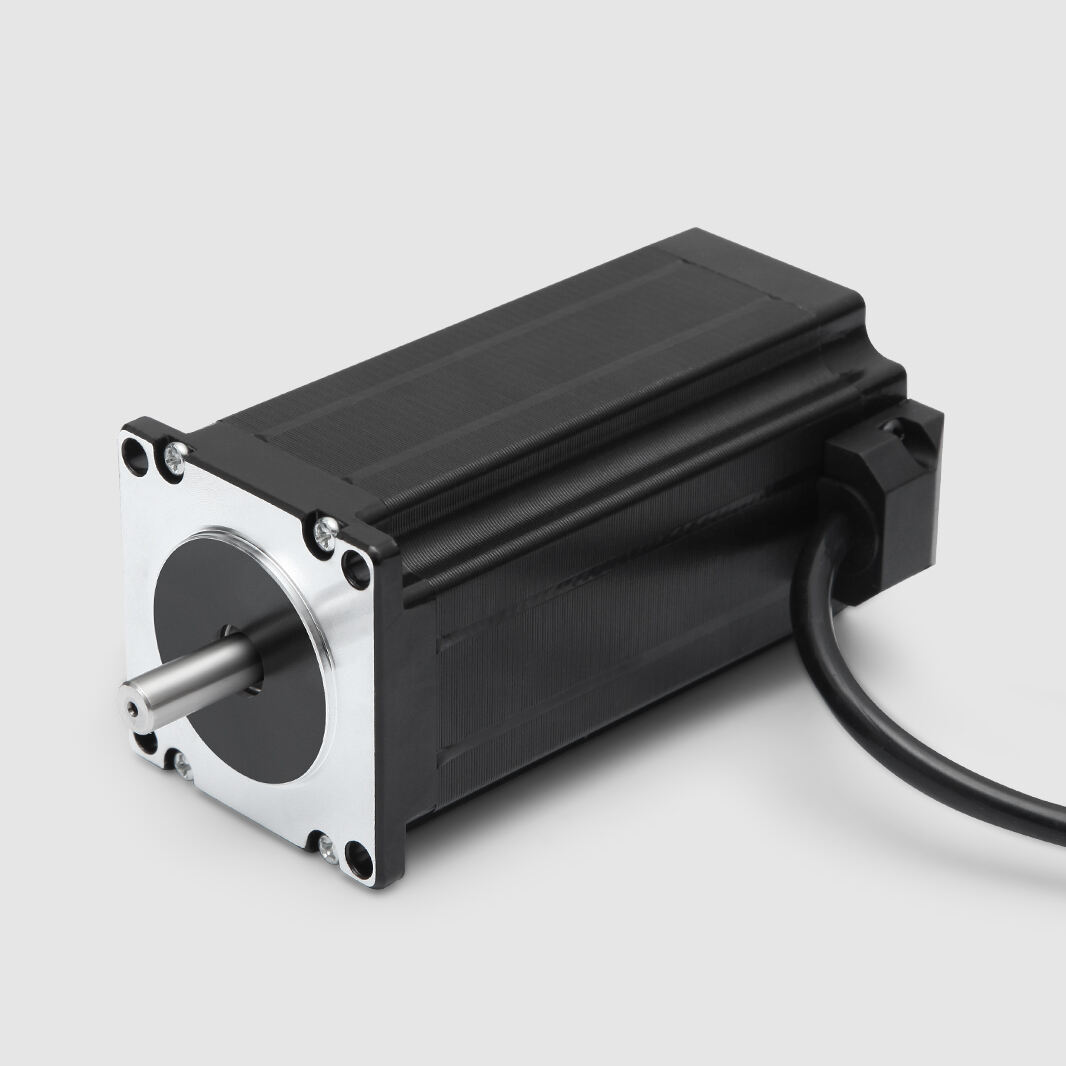
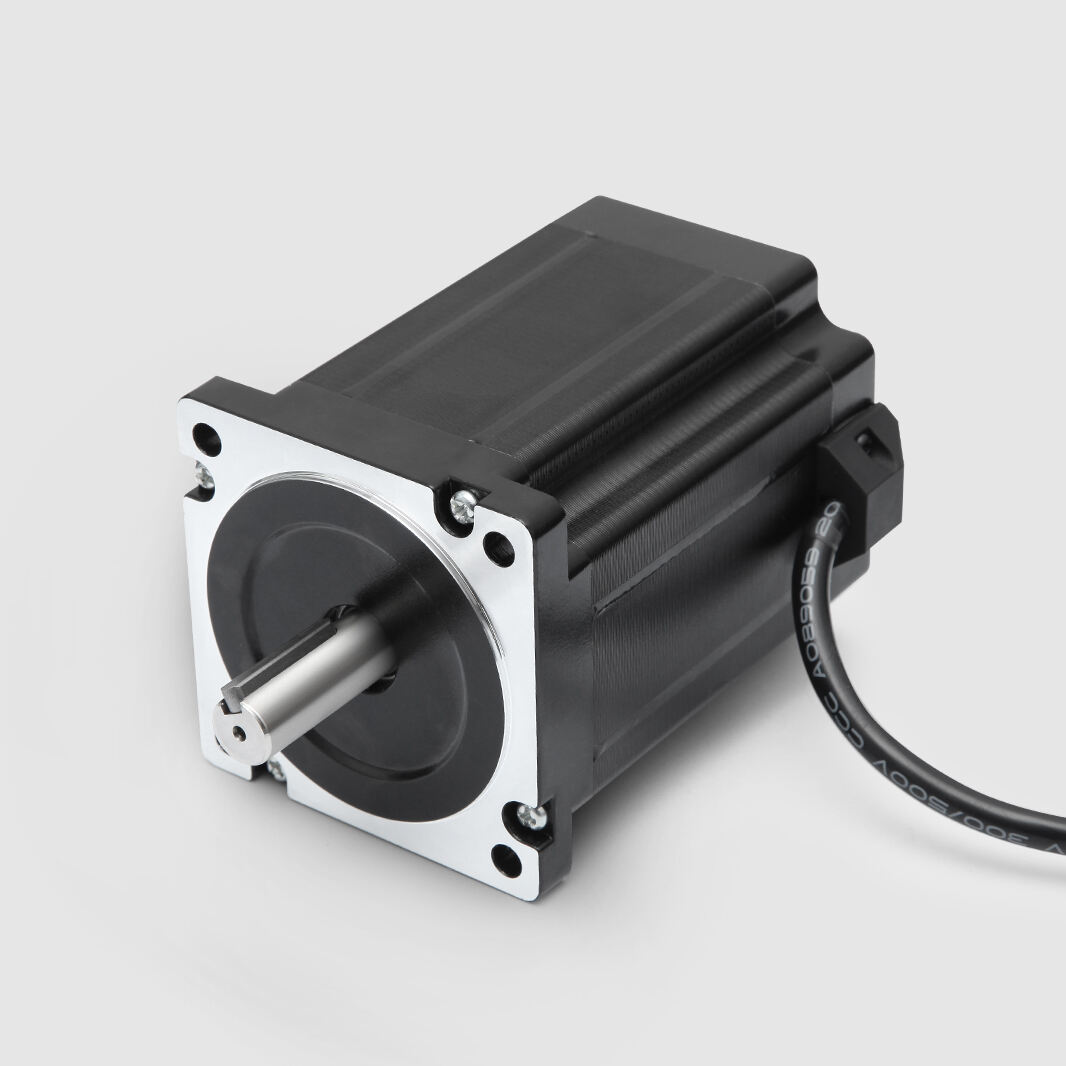
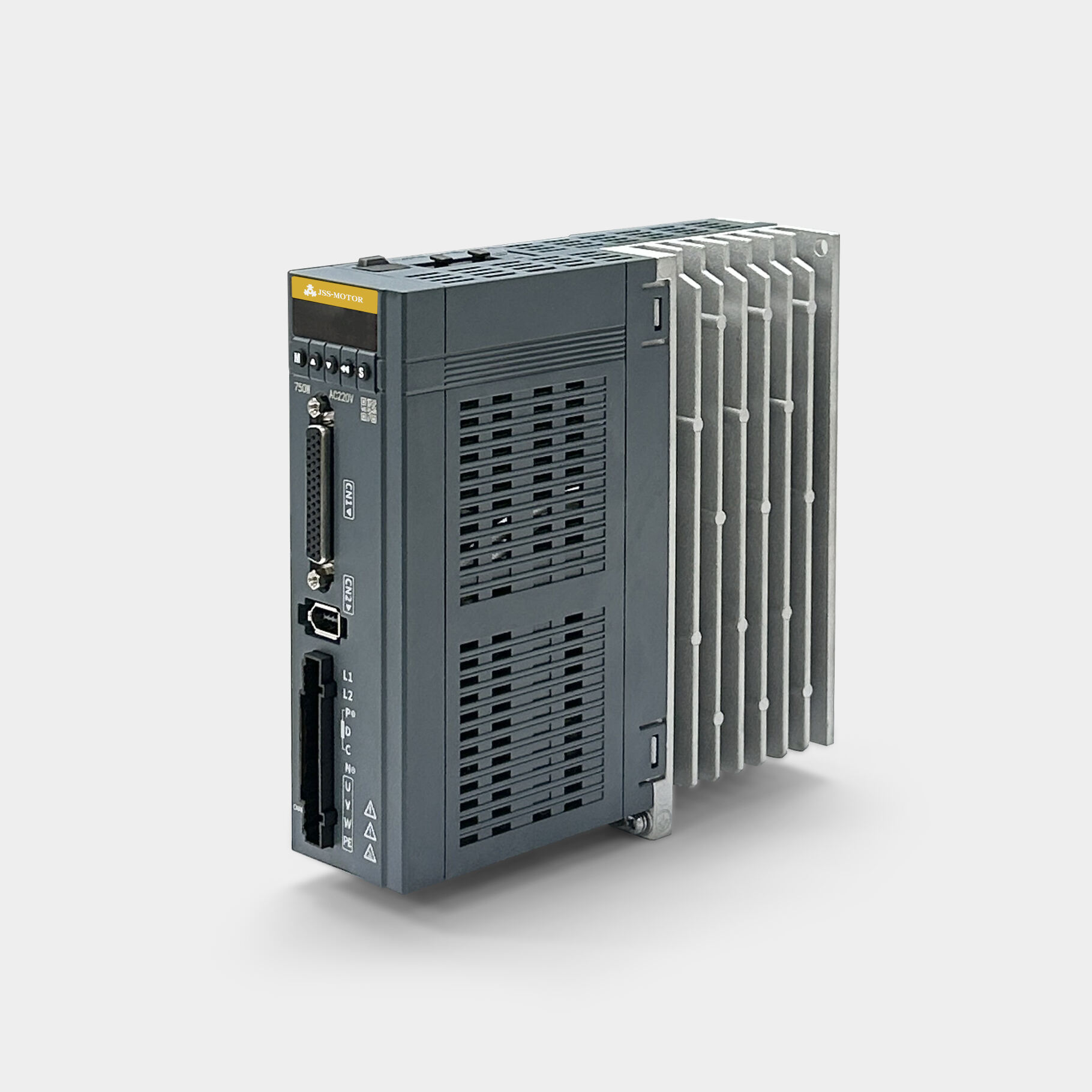
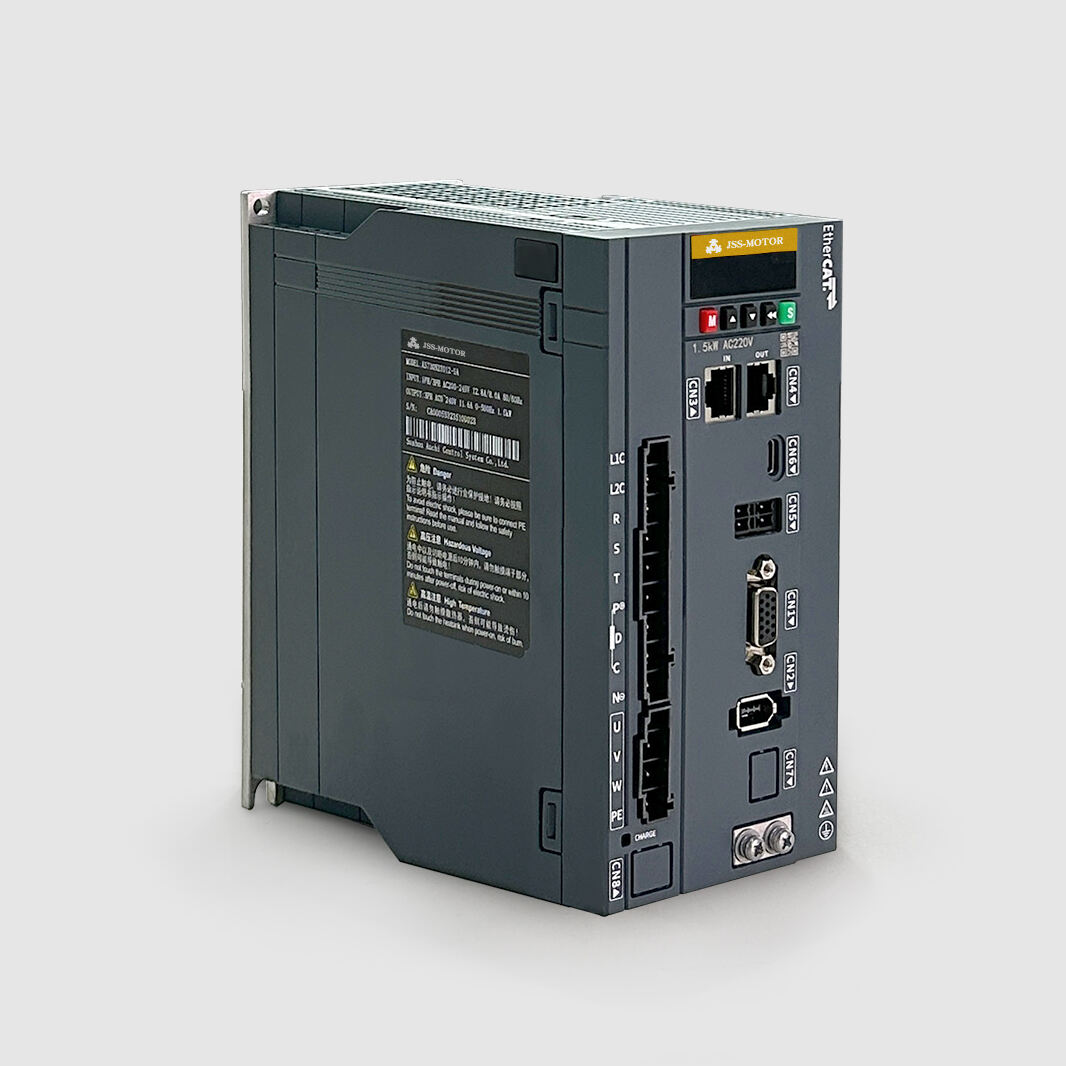
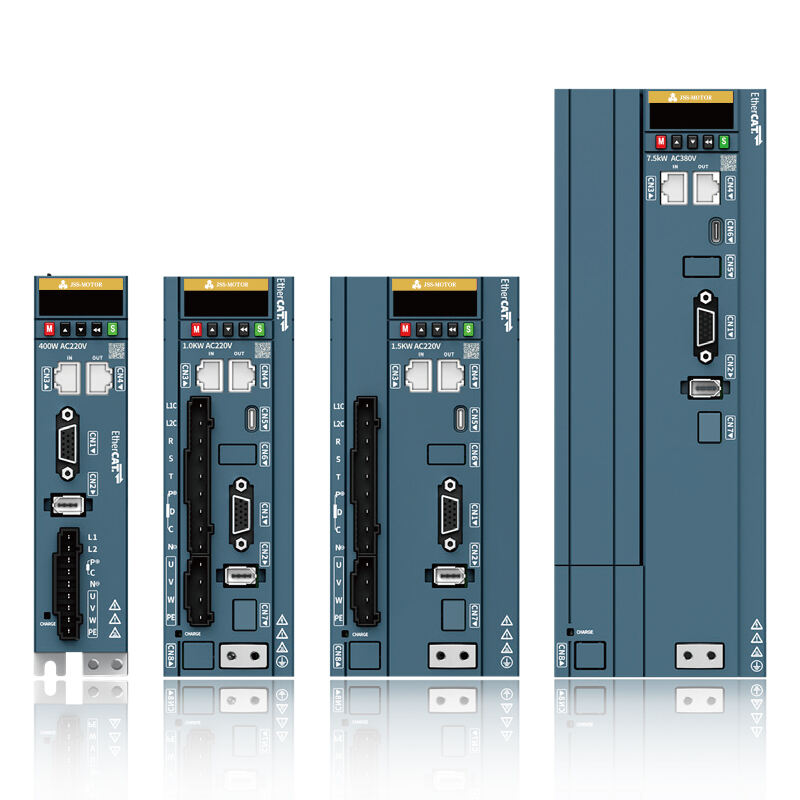
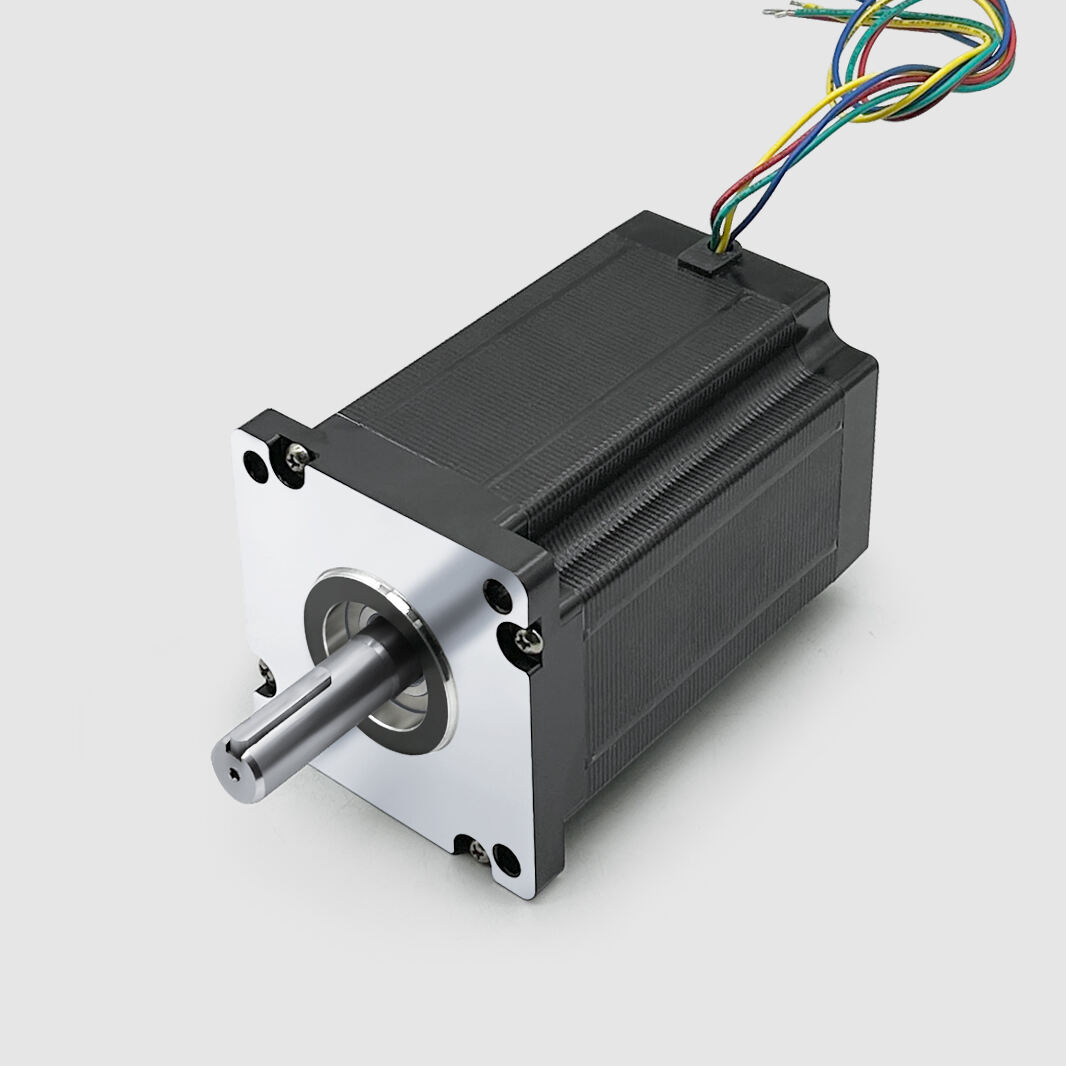
The AC servomotor in a control system is a precision device designed for accurate positioning and high-speed response. Its main functions include converting electrical energy into mechanical rotation with precise control, allowing for efficient and responsive movement in industrial automation. Technological features of the AC servomotor encompass a robust design with high torque capacity, excellent speed regulation, and minimal maintenance requirements. These motors are equipped with sensors for real-time feedback, ensuring accuracy and reliability in various applications. Common applications range from robotics and CNC machines to industrial automation and conveyor systems, showcasing its versatility and utility in complex control environments.
Popular Products

The advantages of the AC servomotor in a control system are clear and impactful for potential customers. Firstly, it offers high efficiency and energy savings, reducing operational costs in the long run. Secondly, its exceptional precision ensures that tasks are performed with consistent accuracy, improving the quality of output. Thirdly, the AC servomotor provides rapid response times, which is critical in applications requiring real-time adjustments. Additionally, it boasts a long lifespan and low maintenance needs, minimizing downtime and ensuring continuous operation. These practical benefits translate to increased productivity, reduced waste, and enhanced profitability for businesses using AC servomotors in their control systems.

Tips And Tricks

What Are the Common Issues With Stepper Motor Drivers and How Can They Be Resolved?

06

Jun

What Are the Common Issues With Stepper Motor Drivers and How Can They Be Resolved?

Common Issues With Stepper Motor Drivers and Their Causes Overheating and Excessive Noise Stepper motor drivers overheat through poor cooling – usually if it doesn’t have sufficient ventilation or any cooling recipients such as fan o...
View More
What Is a Stepper Driver and How Does It Control Stepper Motors?

06

Jun

What Is a Stepper Driver and How Does It Control Stepper Motors?

What Is a Stepper Driver?Defining the Core Components of a Stepper Driver SystemPushing Force of a Stepper Driver (and What it Does in a System) A stepper driver is simply a component within a larger system that is comprised in part by a microco...
View More
How Do You  for Your Stepper Motor?

06

Jun

How Do You for Your Stepper Motor?

Understanding Stepper Motor and Driver Compatibility The Role of Pull-Out and Pull-In Torque in Motor Sizing Pull out and pull in torque are important parameters in determining the size of a motor - they define the torque and speed envelope ...
View More
How can you troubleshoot overheating issues in stepper motor drivers?

29

Jul

How can you troubleshoot overheating issues in stepper motor drivers?

Understanding Overheating Causes in Stepper Motor Drivers Key Factors Contributing to Thermal Overload Stepper motor drivers often run into thermal overload problems from various causes. One major culprit is when there's too much current being draw...
View More

Get a Free Quote

Our representative will contact you soon.
Email
Name
Company Name
WhatsApp
Mobile
Message
0/1000

ac servomotor in control system

Precision Control

Precision Control

One of the unique selling points of the AC servomotor in a control system is its unparalleled precision control. Utilizing advanced feedback mechanisms, the motor can maintain accuracy within tight tolerances, ensuring high-quality performance in applications where precision is paramount. This feature is invaluable in industries such as semiconductor manufacturing and medical device assembly, where even the slightest error can result in defective products. The precision control of the AC servomotor not only enhances product quality but also improves overall system reliability and reduces the risk of costly errors.
Energy Efficiency

Energy Efficiency

Energy efficiency stands out as another significant benefit of the AC servomotor in control systems. Designed to convert electrical energy into mechanical energy with minimal losses, the motor operates with optimal efficiency, leading to lower energy consumption. This not only helps in reducing utility costs but also contributes to a smaller carbon footprint, aligning with the growing demand for environmentally friendly solutions. For businesses looking to improve sustainability and operational expenses simultaneously, the AC servomotor provides a compelling answer, delivering both economic and ecological advantages.
Rapid Response and High-Speed Operation

Rapid Response and High-Speed Operation

The ability to deliver rapid response and high-speed operation is a key feature that sets the AC servomotor apart in control systems. With fast acceleration and deceleration capabilities, it is ideally suited for applications that require immediate adjustments and high-speed precision. This is particularly beneficial in robotics, where the quick and accurate movement of limbs is essential for complex tasks. The AC servomotor's rapid response ensures that systems can adapt to changing conditions instantly, improving performance, and expanding the range of achievable tasks.
+86-13401517369
[email protected]

Get a Free Quote

Our representative will contact you soon.
Email
Name
Company Name
WhatsApp
Mobile
Message
0/1000

Copyright © Changzhou Jinsanshi Mechatronics Co., Ltd. All rights reserved.  -  Privacy policy