step servo drive
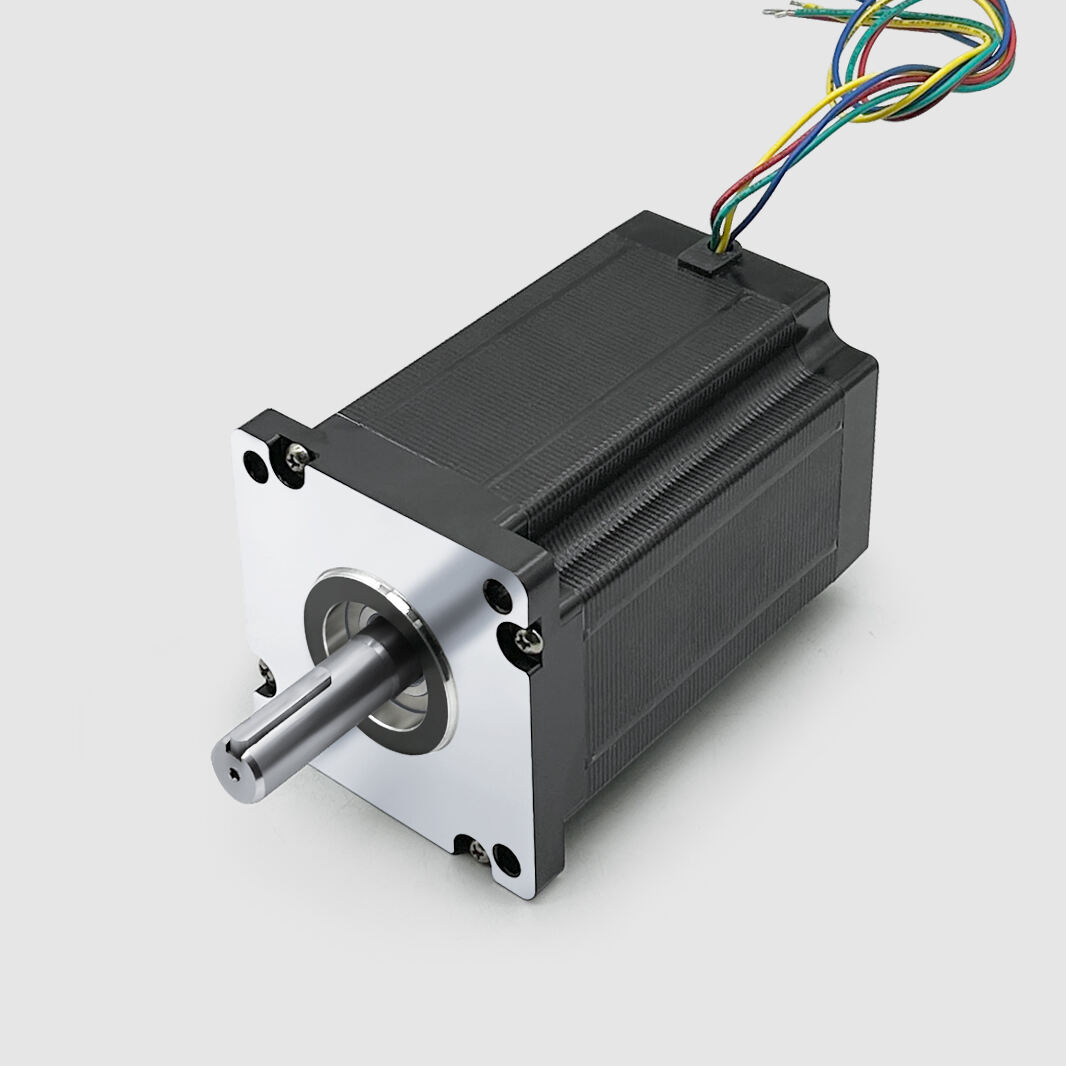
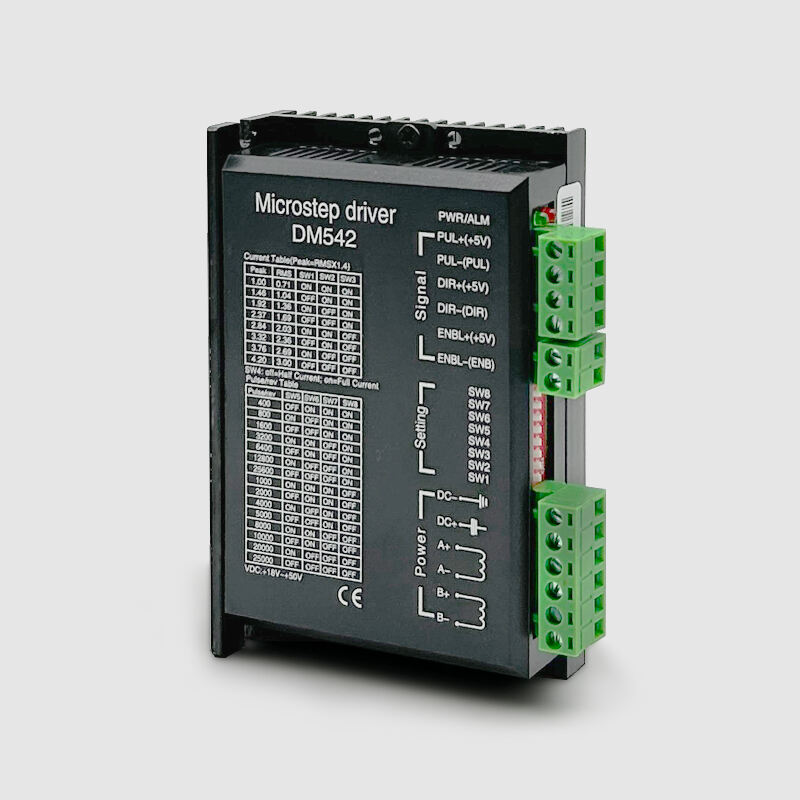
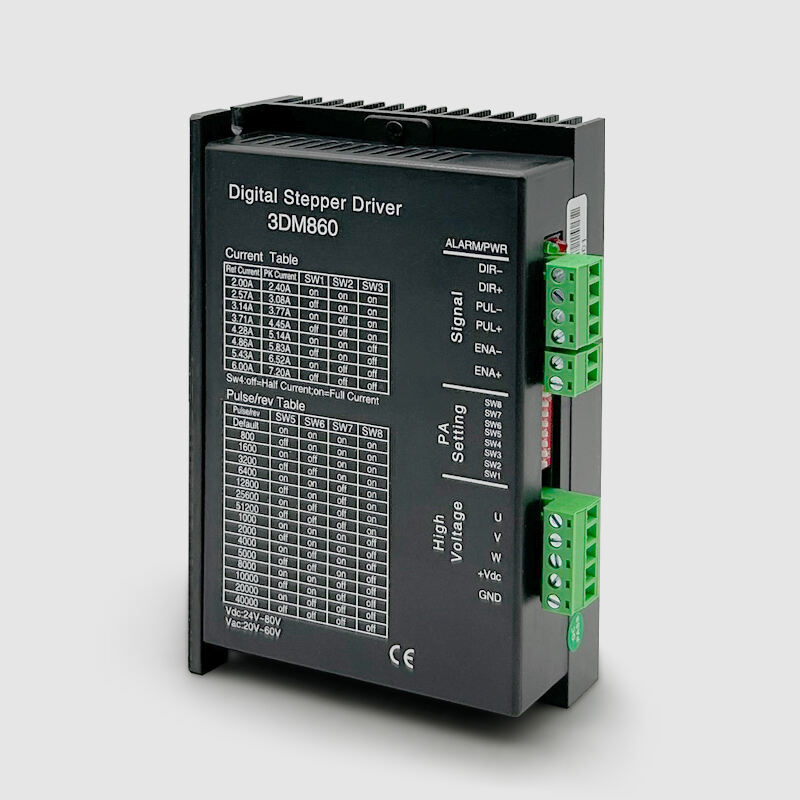
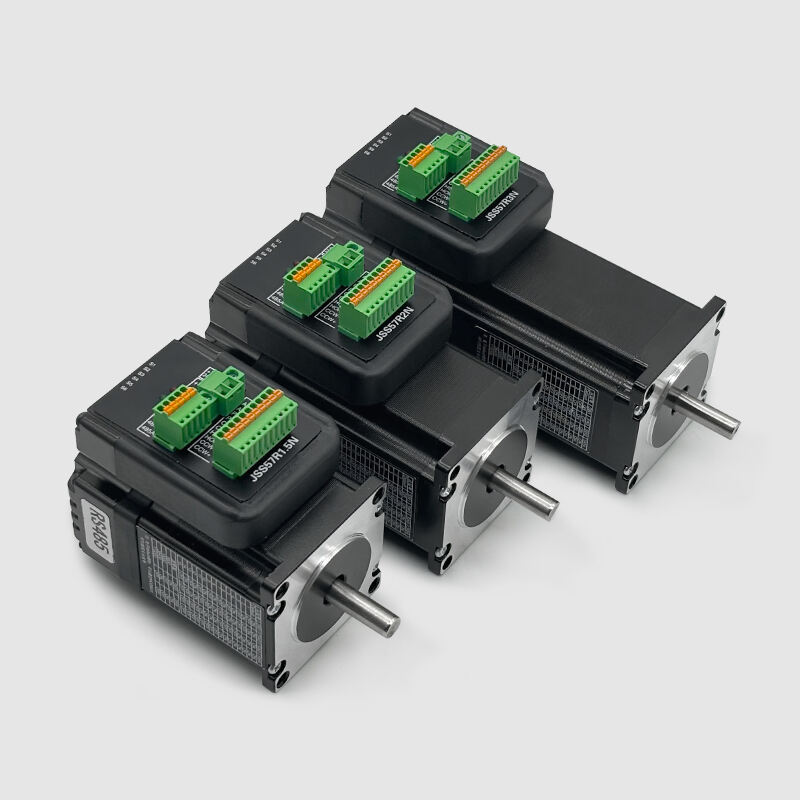
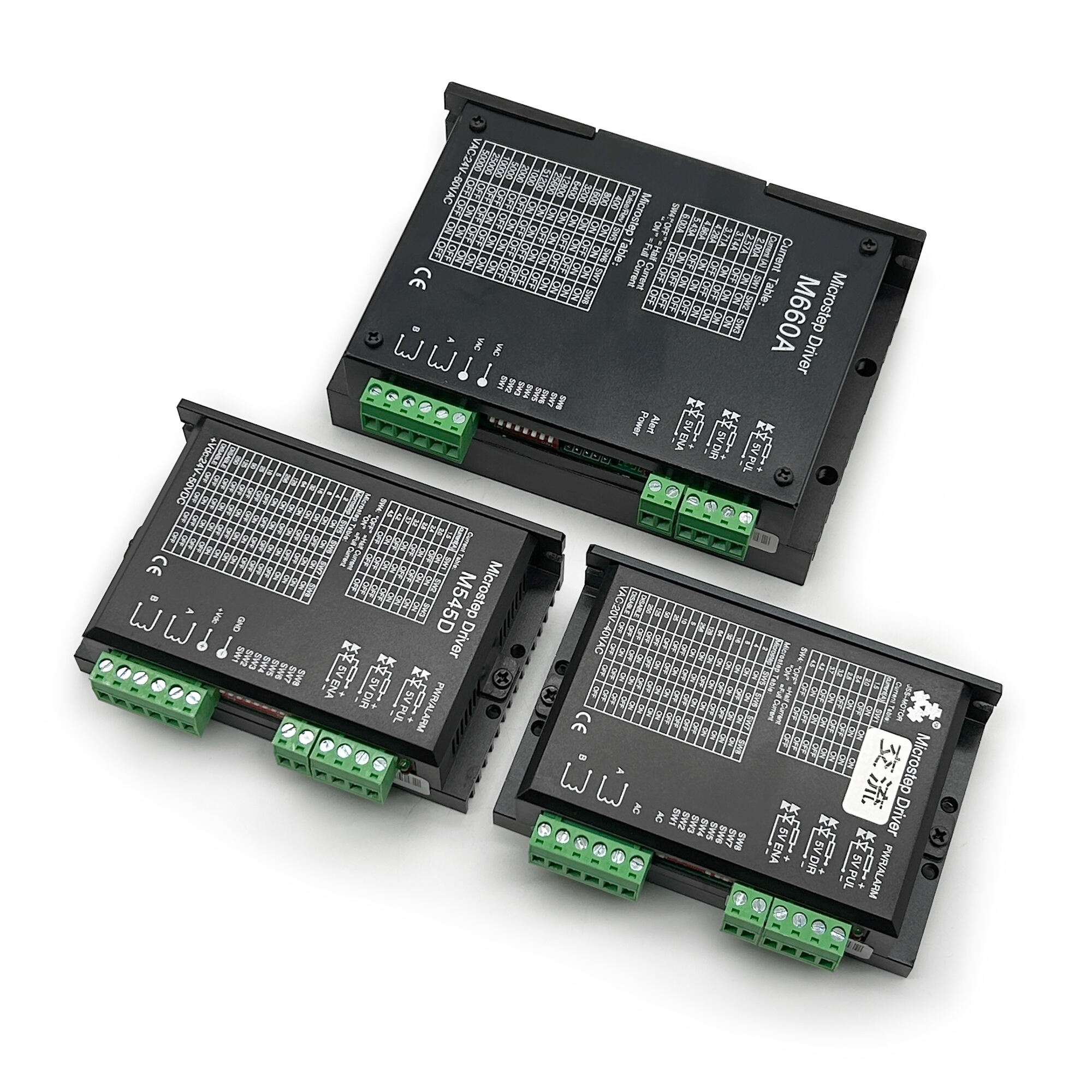
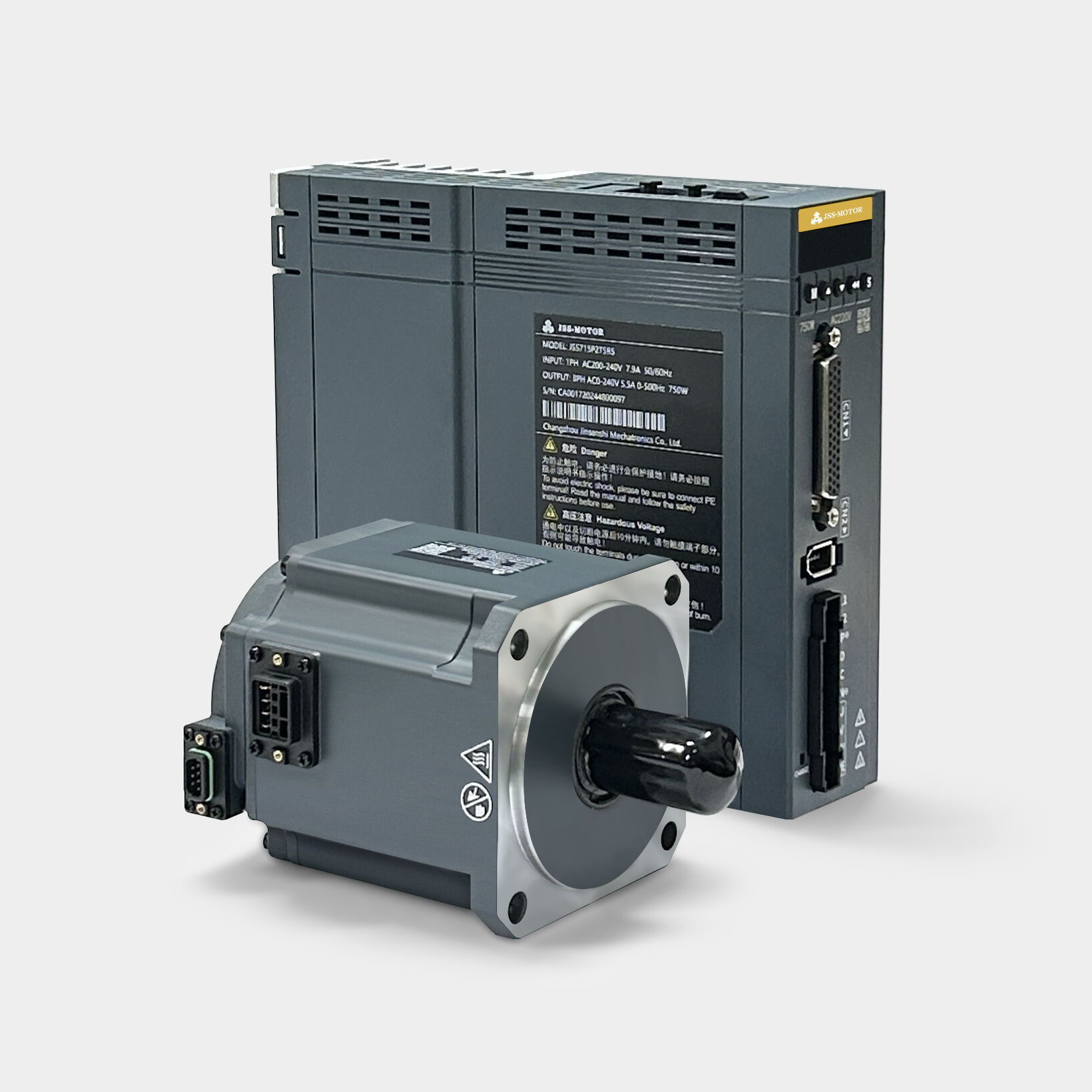
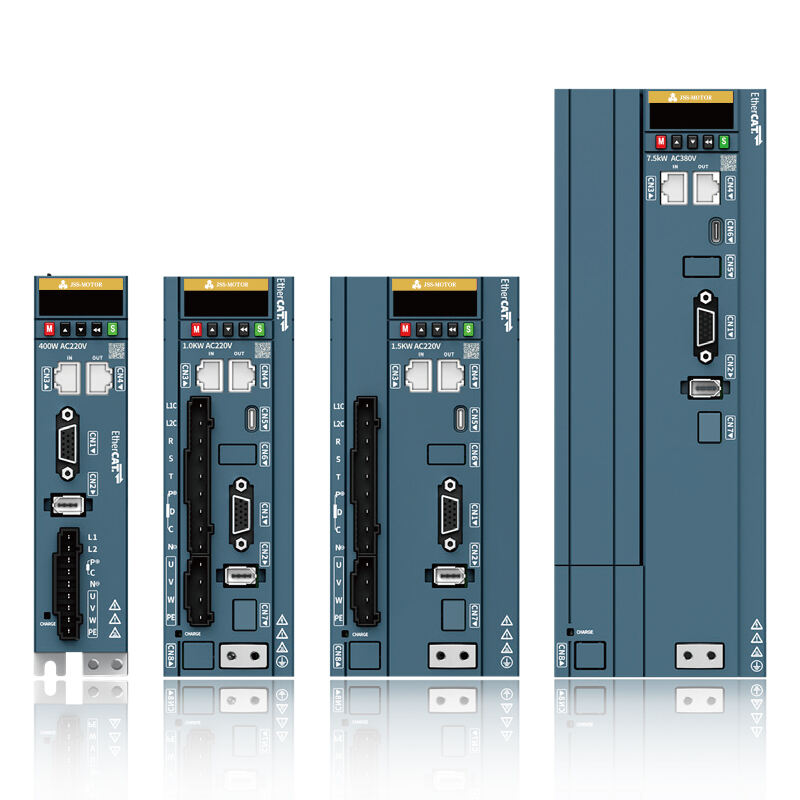
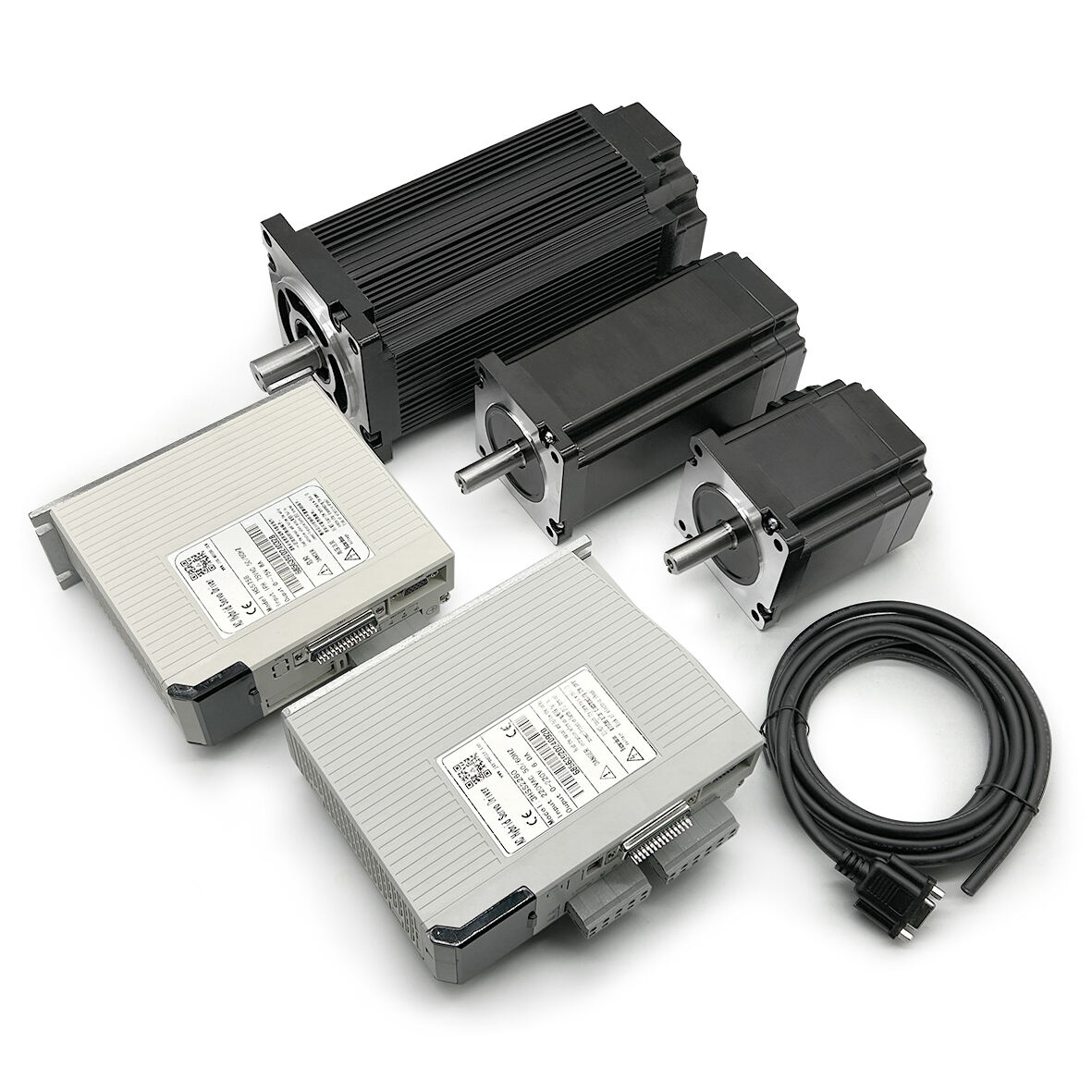
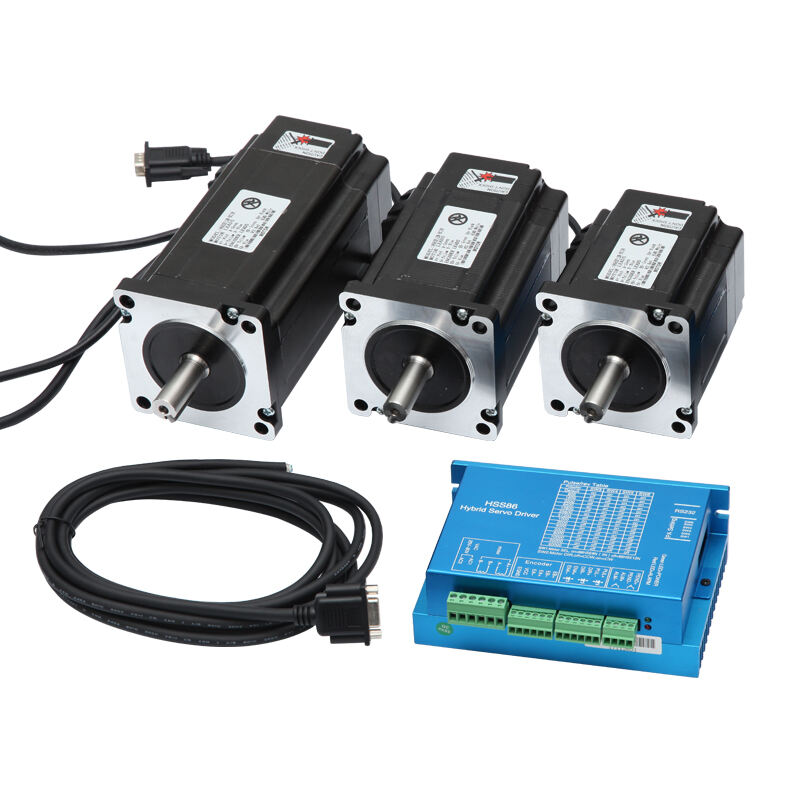
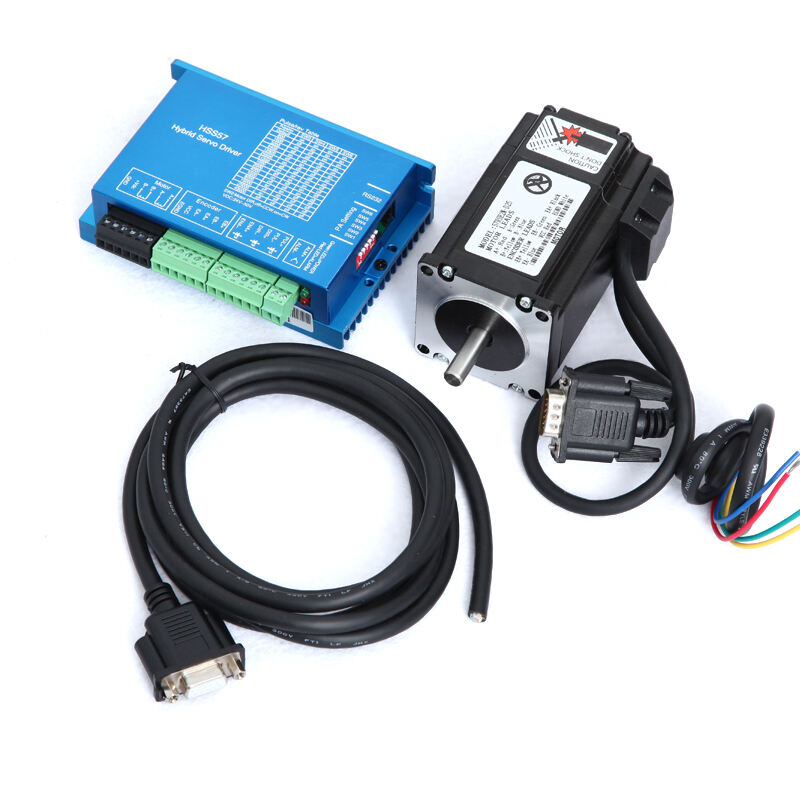
A step servo drive represents a sophisticated motion control solution that combines the precision positioning capabilities of stepper motors with the advanced feedback control systems found in servo drives. This innovative technology bridges the gap between traditional stepper motor systems and full servo solutions, offering engineers and manufacturers a cost-effective alternative for applications requiring precise motion control. The step servo drive operates by utilizing encoder feedback to monitor and correct the actual position of the motor shaft, ensuring accurate positioning even under varying load conditions. Unlike conventional open-loop stepper systems that can lose steps under excessive load or high-speed conditions, the step servo drive maintains closed-loop control, automatically compensating for any positional errors. The system incorporates advanced algorithms that detect missed steps and immediately corrects them, preventing cumulative positioning errors that could compromise system performance. This technology proves particularly valuable in applications where traditional steppers might struggle, such as high-speed operations, variable load conditions, or environments requiring exceptional accuracy. The step servo drive typically features multiple control modes, including position, velocity, and torque control, providing versatility across diverse applications. These drives support various communication protocols, including pulse and direction signals, analog inputs, and digital fieldbus communications, ensuring seamless integration with existing control systems. The compact design of modern step servo drives makes them suitable for space-constrained applications while maintaining robust performance characteristics. Energy efficiency represents another key aspect, as these drives optimize power consumption by adjusting current delivery based on actual load requirements. The step servo drive technology continues evolving, incorporating features like auto-tuning capabilities, built-in safety functions, and enhanced diagnostic tools that simplify installation, commissioning, and maintenance procedures for end users.