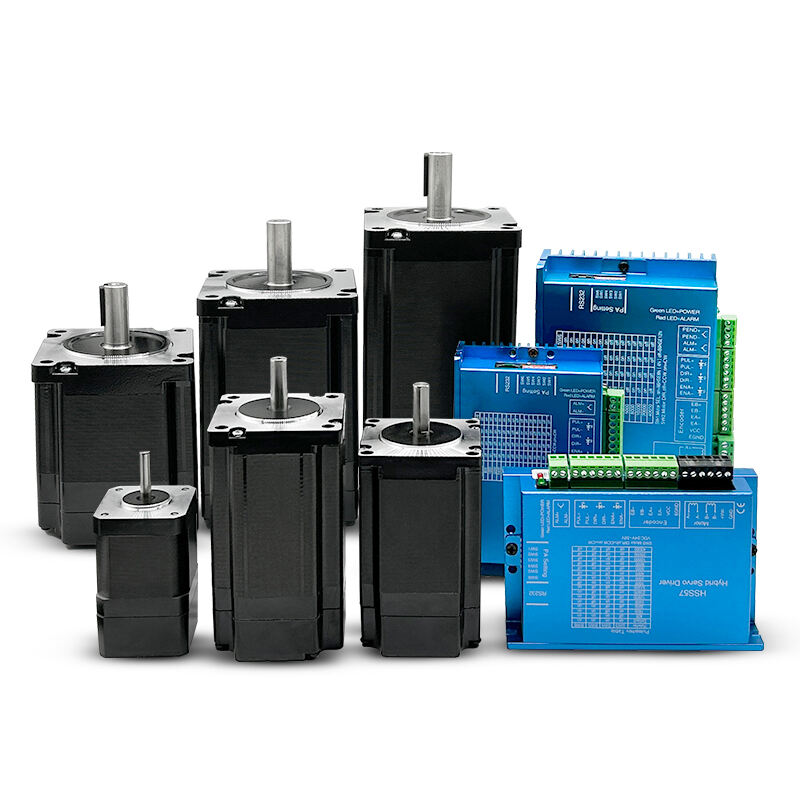
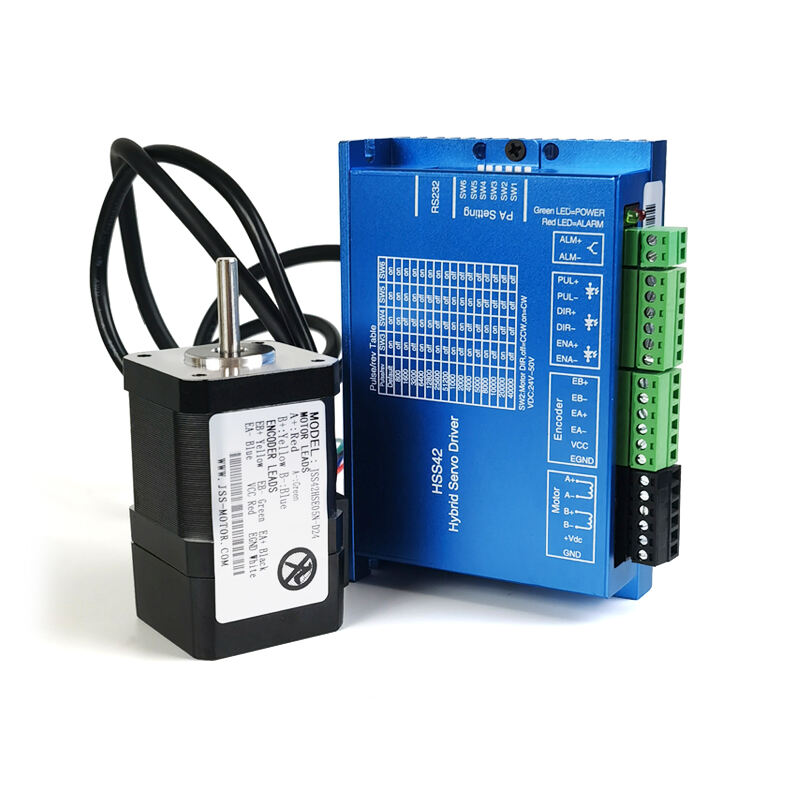
Closed Loop Stepper 3D Printer: Advanced Precision Printing Technology for Professional Applications

Get a Free Quote

Our representative will contact you soon.
Email
Name
Company Name
WhatsApp
Mobile
Message
0/1000

closed loop stepper 3d printer

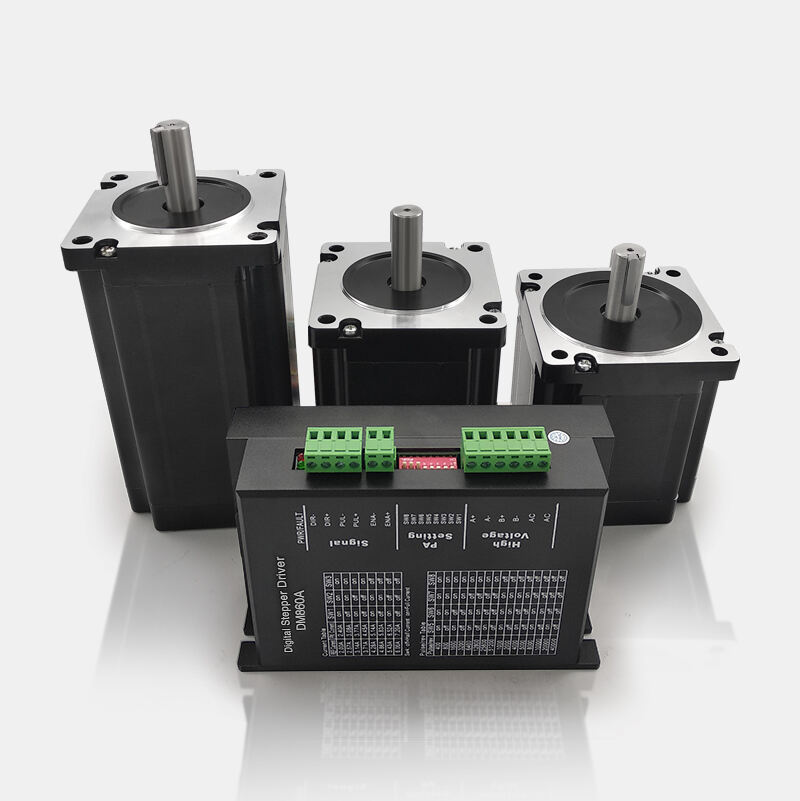
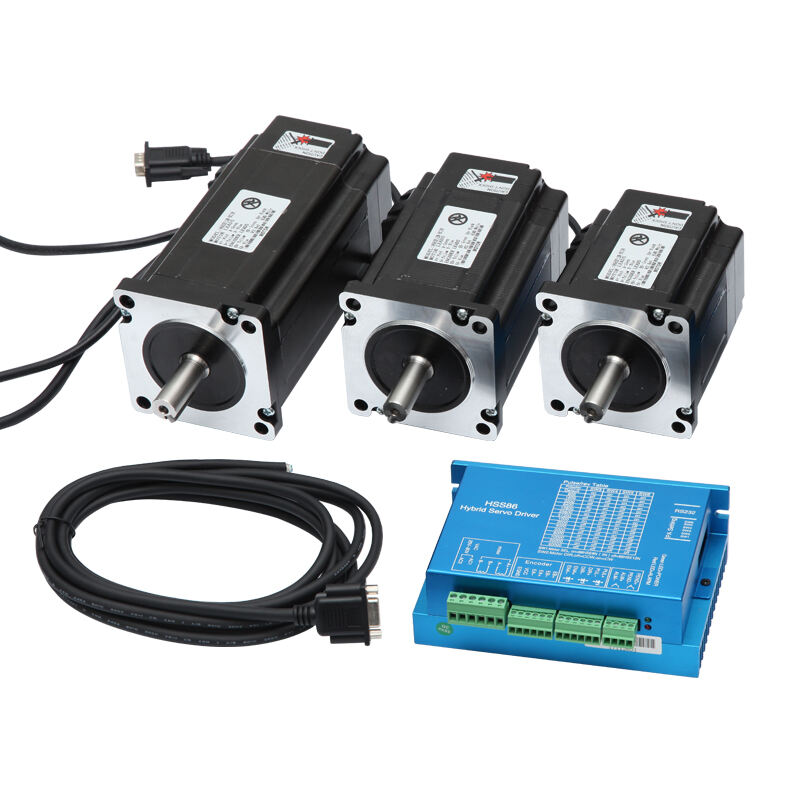
The closed loop stepper 3d printer represents a significant advancement in additive manufacturing technology, combining the precision of stepper motor control with sophisticated feedback mechanisms to deliver exceptional print quality and reliability. Unlike traditional open-loop systems, this innovative printer employs encoder feedback to continuously monitor motor position and movement, ensuring that each layer is deposited with remarkable accuracy. The closed loop stepper 3d printer functions by integrating position sensors that provide real-time data about the actual movement of the print head and build platform, allowing the control system to make instant corrections when deviations occur. This technology eliminates the common issues of layer shifting, dimensional inaccuracy, and print failures that plague conventional 3D printers. The main functions of a closed loop stepper 3d printer include precise filament extrusion control, automated bed leveling, temperature regulation, and multi-material printing capabilities. The printer utilizes advanced algorithms that process feedback signals to maintain optimal printing parameters throughout the entire build process. Key technological features encompass high-resolution encoders, intelligent motor drivers, thermal management systems, and sophisticated software interfaces that enable users to monitor and adjust printing parameters in real-time. The closed loop stepper 3d printer finds applications across diverse industries including aerospace, automotive, medical device manufacturing, architectural modeling, and educational institutions. In aerospace applications, these printers produce lightweight components with tight tolerances required for flight-critical parts. Automotive manufacturers utilize closed loop stepper 3d printer technology for rapid prototyping, custom tooling, and low-volume production runs. Medical professionals rely on the precision of closed loop stepper 3d printer systems to create patient-specific implants, surgical guides, and prosthetic devices. Educational institutions benefit from the reliability and consistency of closed loop stepper 3d printer technology when teaching design and manufacturing principles to students across various engineering disciplines.

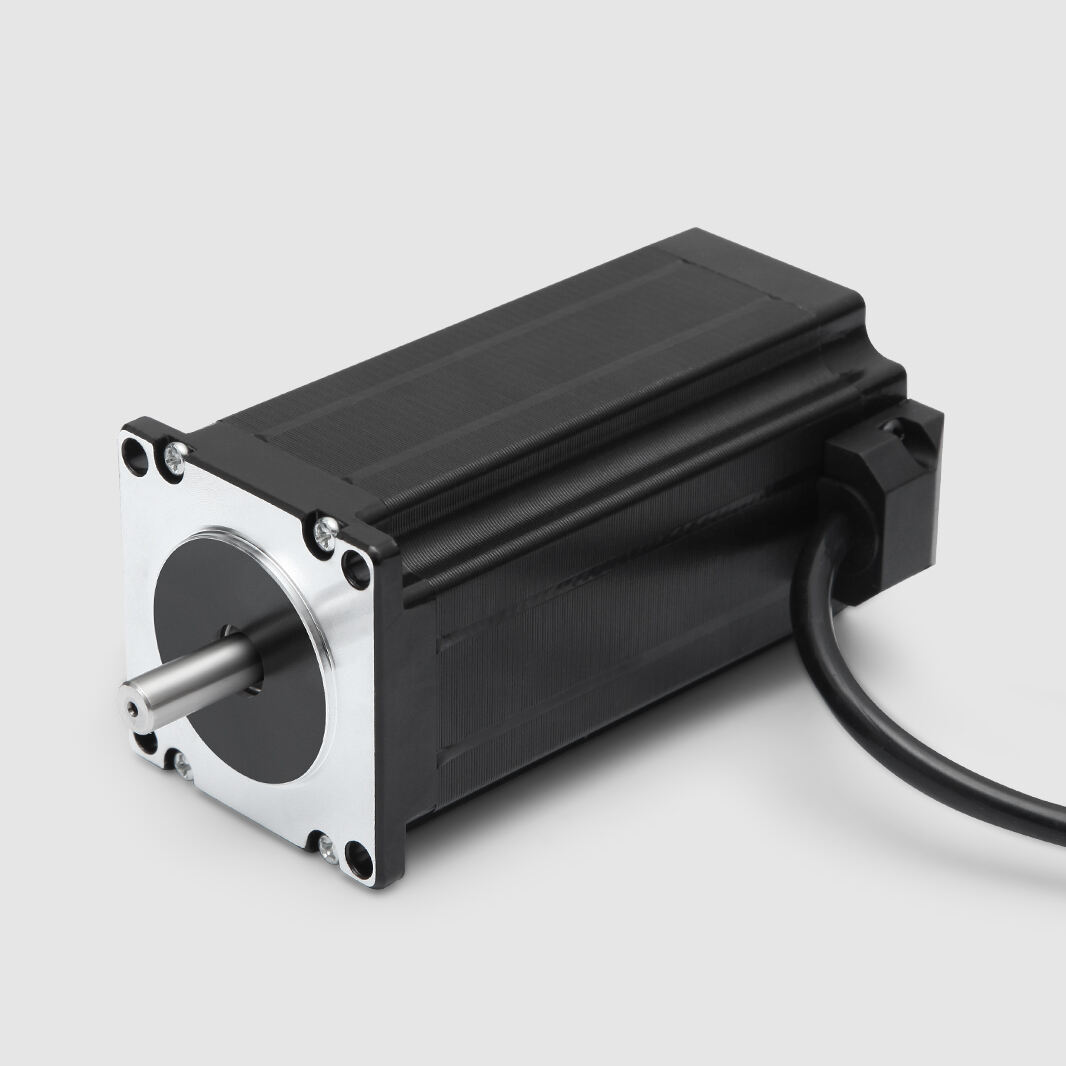
Popular Products

The closed loop stepper 3d printer offers numerous compelling advantages that make it an superior choice for professionals and enthusiasts seeking reliable additive manufacturing solutions. First, the enhanced precision achieved through continuous feedback monitoring ensures that every print maintains dimensional accuracy within tight tolerances, eliminating the frustration of failed prints and wasted materials. This precision translates directly into cost savings, as users experience significantly fewer print failures and can confidently produce functional parts without multiple iterations. The closed loop stepper 3d printer provides exceptional reliability through its self-correcting capabilities, automatically compensating for mechanical variations, thermal expansion, and external disturbances that would typically cause print defects in conventional systems. This reliability means users can initiate long print jobs with confidence, knowing that the closed loop stepper 3d printer will maintain consistent quality throughout the entire build process. Speed optimization represents another major advantage, as the closed loop stepper 3d printer can operate at higher velocities without sacrificing accuracy, dramatically reducing production times for complex geometries. The system intelligently adjusts movement parameters based on real-time feedback, enabling faster printing speeds while maintaining surface finish quality that meets professional standards. Material versatility expands significantly with closed loop stepper 3d printer technology, as the precise control enables successful printing with challenging materials including flexible filaments, composite materials, and high-temperature thermoplastics that require exact temperature and extrusion control. Users benefit from reduced maintenance requirements, as the closed loop stepper 3d printer monitoring systems provide early warning indicators for potential mechanical issues, preventing catastrophic failures and extending equipment lifespan. The intuitive user interface simplifies operation for both beginners and experienced users, providing clear feedback about print status, material consumption, and system performance. Energy efficiency improvements result from optimized motor control algorithms that reduce power consumption while maintaining performance standards. The closed loop stepper 3d printer also offers superior repeatability, ensuring that identical parts produced at different times maintain consistent dimensions and surface quality, which is crucial for production applications and quality assurance protocols.

Latest News

Is closed-loop feedback worth adding to a standard stepper motor driver?

26

Sep

Is closed-loop feedback worth adding to a standard stepper motor driver?

Understanding the Evolution of Stepper Motor Control Systems The world of motion control has witnessed remarkable advancements in recent years, particularly in how we approach stepper motor control. Traditional open-loop stepper systems have served i...
View More
Can a stepper driver run on 24 V without extra heat sinking?

26

Sep

Can a stepper driver run on 24 V without extra heat sinking?

Understanding Stepper Driver Voltage Requirements and Thermal Management Stepper drivers are essential components in motion control systems, and their voltage capabilities significantly impact performance. When considering whether a stepper driver ca...
View More
2025 Guide: How AC Servo Motors Transform Industrial Automation

20

Oct

2025 Guide: How AC Servo Motors Transform Industrial Automation

The Evolution of Industrial Motion Control Technology Industrial automation has witnessed a remarkable transformation over the past decades, with ac servo motors emerging as the cornerstone of precise motion control. These sophisticated devices have ...
View More
Servo Drive Basics: A Complete Beginner's Guide

27

Nov

Servo Drive Basics: A Complete Beginner's Guide

Understanding servo drives is essential for anyone working in industrial automation, robotics, or precision manufacturing. A servo drive acts as the brain behind precise motion control, converting electrical signals into mechanical movements with exc...
View More

Get a Free Quote

Our representative will contact you soon.
Email
Name
Company Name
WhatsApp
Mobile
Message
0/1000

closed loop stepper 3d printer

Revolutionary Precision Control Technology

Revolutionary Precision Control Technology

The closed loop stepper 3d printer incorporates groundbreaking precision control technology that fundamentally transforms how additive manufacturing achieves dimensional accuracy and surface quality. This advanced system employs high-resolution rotary encoders positioned on each stepper motor axis, providing instantaneous feedback about actual motor position with sub-degree accuracy. The closed loop stepper 3d printer control algorithms continuously compare commanded positions with actual encoder readings, detecting and correcting any deviations within microseconds of occurrence. This real-time correction capability eliminates the accumulation of positioning errors that plague traditional open-loop systems, where small inaccuracies compound over time to create significant dimensional variations in finished parts. The precision control technology enables the closed loop stepper 3d printer to maintain positioning accuracy within 0.01mm across all axes, even during complex multi-axis movements and rapid direction changes. This level of precision proves invaluable for applications requiring tight tolerances, such as mechanical assemblies with interference fits, precision jigs and fixtures, and functional prototypes that must interface with existing components. The closed loop stepper 3d printer precision control system also compensates for mechanical factors including belt stretch, thermal expansion of frame components, and bearing wear that would otherwise compromise print quality over time. Users benefit from consistent results regardless of environmental conditions, printer age, or maintenance intervals, as the closed loop stepper 3d printer automatically adapts to changing mechanical characteristics. The technology enables successful printing of intricate geometries with fine details, overhangs, and complex internal structures that would be impossible to achieve reliably with conventional systems. Professional users particularly appreciate how the closed loop stepper 3d printer precision control technology enables them to guarantee dimensional accuracy to customers, supporting quality certification processes and meeting strict industrial standards for manufactured components.
Intelligent Self-Diagnostic and Correction Systems

Intelligent Self-Diagnostic and Correction Systems

The closed loop stepper 3d printer features sophisticated intelligent self-diagnostic and correction systems that revolutionize reliability and user experience in additive manufacturing. These advanced systems continuously monitor dozens of parameters including motor performance, temperature stability, filament flow rates, and mechanical vibrations to detect potential issues before they impact print quality. The closed loop stepper 3d printer diagnostic algorithms analyze patterns in sensor data to identify emerging problems such as partial nozzle blockages, filament diameter variations, or mechanical wear that could lead to print failures. When anomalies are detected, the system automatically implements corrective measures, adjusting extrusion rates, modifying print speeds, or alerting users to maintenance requirements through intuitive dashboard notifications. This proactive approach prevents costly material waste and reduces downtime associated with failed prints, making the closed loop stepper 3d printer ideal for production environments where consistency is paramount. The self-correction capabilities extend to thermal management, where the system automatically optimizes heating profiles based on ambient conditions and material properties, ensuring optimal layer adhesion and preventing warping or cracking issues. The closed loop stepper 3d printer intelligent systems also learn from printing history, developing customized profiles for frequently used materials and geometries that optimize settings for specific applications. Users benefit from automated calibration routines that maintain mechanical accuracy without manual intervention, as the closed loop stepper 3d printer periodically verifies and adjusts critical parameters including bed leveling, nozzle height, and axis alignment. The diagnostic interface provides comprehensive insights into system performance through detailed logging and reporting features that support quality documentation and process improvement initiatives. Maintenance scheduling becomes simplified through predictive algorithms that forecast component replacement needs based on usage patterns and performance degradation trends, enabling proactive service planning that minimizes unexpected downtime.
Advanced Multi-Material and High-Speed Capabilities

Advanced Multi-Material and High-Speed Capabilities

The closed loop stepper 3d printer delivers exceptional multi-material and high-speed capabilities that expand creative possibilities and accelerate production workflows for demanding applications. The precision control inherent in closed loop stepper 3d printer technology enables seamless transitions between different materials during single print jobs, supporting complex assemblies with varying mechanical properties, colors, and functional characteristics within individual parts. This multi-material capability proves invaluable for creating prototypes with integrated soft and rigid sections, multi-colored artistic pieces, and functional components with embedded support structures that dissolve after printing completion. The closed loop stepper 3d printer manages material changes with precise timing and positioning, preventing color bleeding and maintaining sharp boundaries between different materials through optimized purge tower algorithms and intelligent toolpath planning. High-speed printing capabilities represent another significant advantage, as the closed loop stepper 3d printer can achieve print speeds up to three times faster than conventional systems while maintaining surface quality and dimensional accuracy. The feedback control system enables aggressive acceleration and deceleration profiles that would cause layer shifting in open-loop printers, dramatically reducing print times for large or complex geometries. The closed loop stepper 3d printer automatically optimizes speed settings based on geometry complexity, material properties, and quality requirements, ensuring that each section of a print receives appropriate attention while maximizing overall throughput. Advanced material handling features include automatic material detection, compatibility verification, and optimized temperature profiles that ensure successful printing with challenging filaments including carbon fiber composites, metal-filled materials, and high-performance engineering plastics. The closed loop stepper 3d printer supports materials requiring precise temperature control and specific environmental conditions through integrated chamber heating and atmospheric control systems. Users can confidently experiment with new materials knowing that the closed loop stepper 3d printer will adapt printing parameters automatically to achieve optimal results, expanding the range of applications and reducing the learning curve associated with material optimization.
+86-13401517369
[email protected]

Get a Free Quote

Our representative will contact you soon.
Email
Name
Company Name
WhatsApp
Mobile
Message
0/1000

Copyright © 2026 Changzhou Jinsanshi Mechatronics Co., Ltd. All rights reserved.  -  Privacy policy