nema 23 closed loop stepper
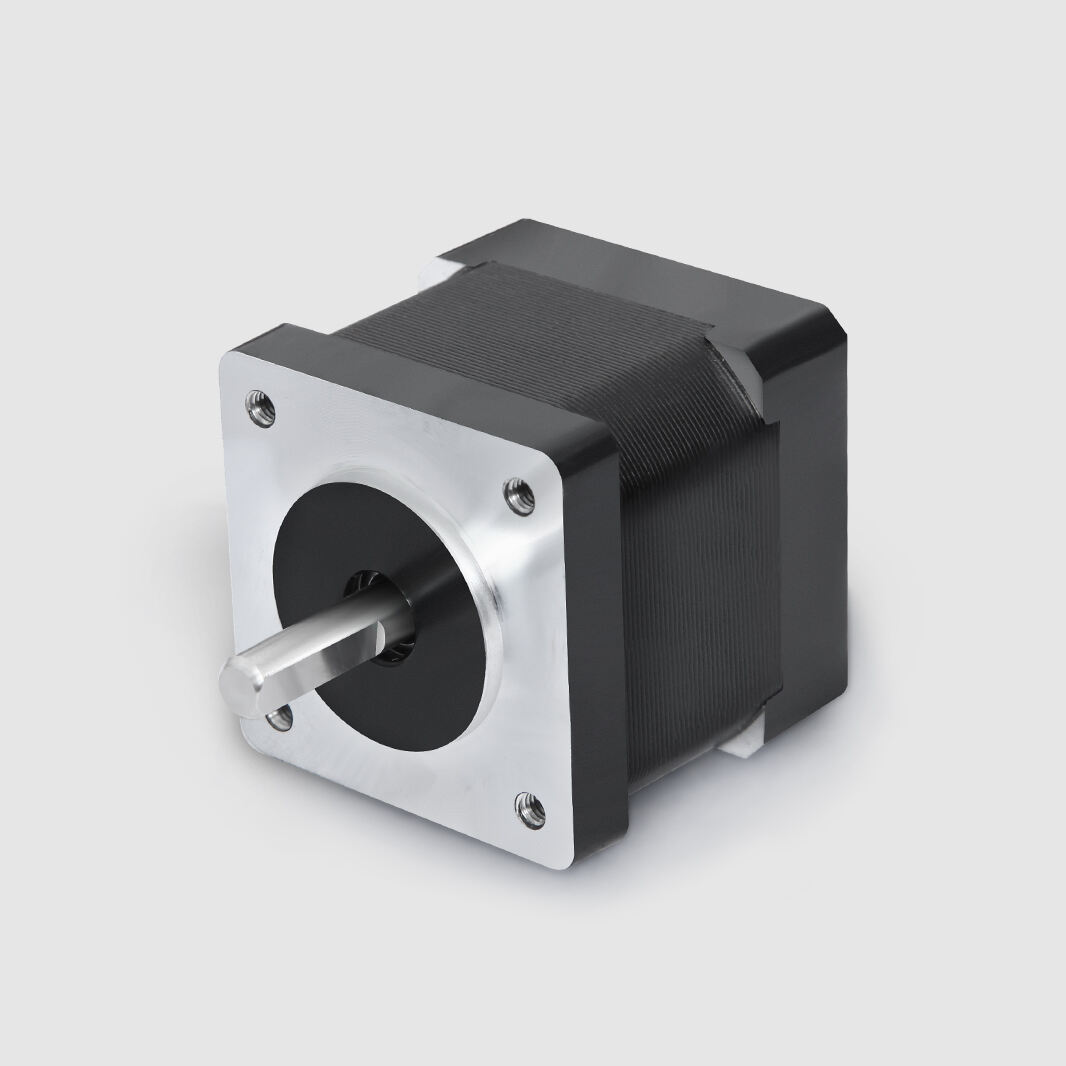
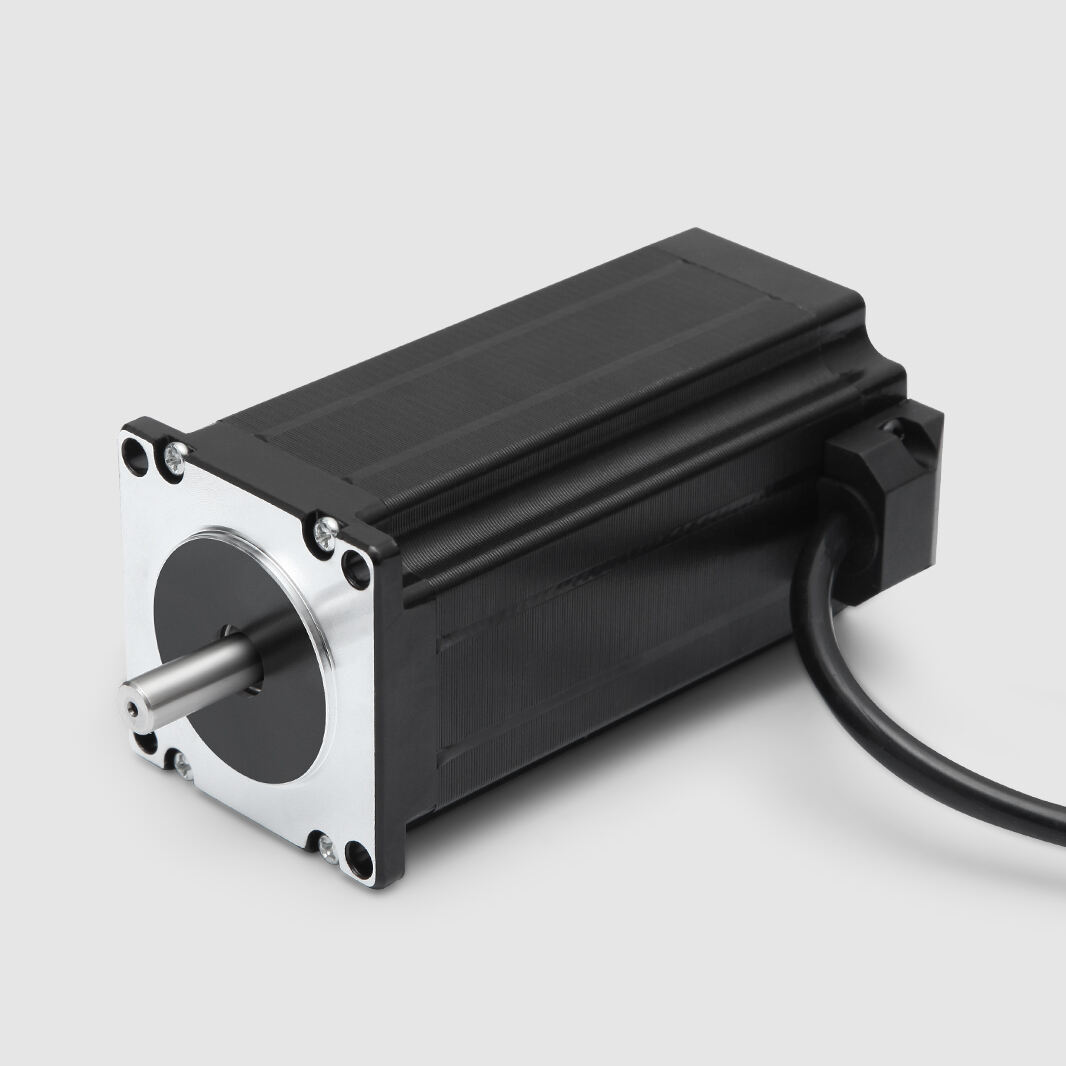
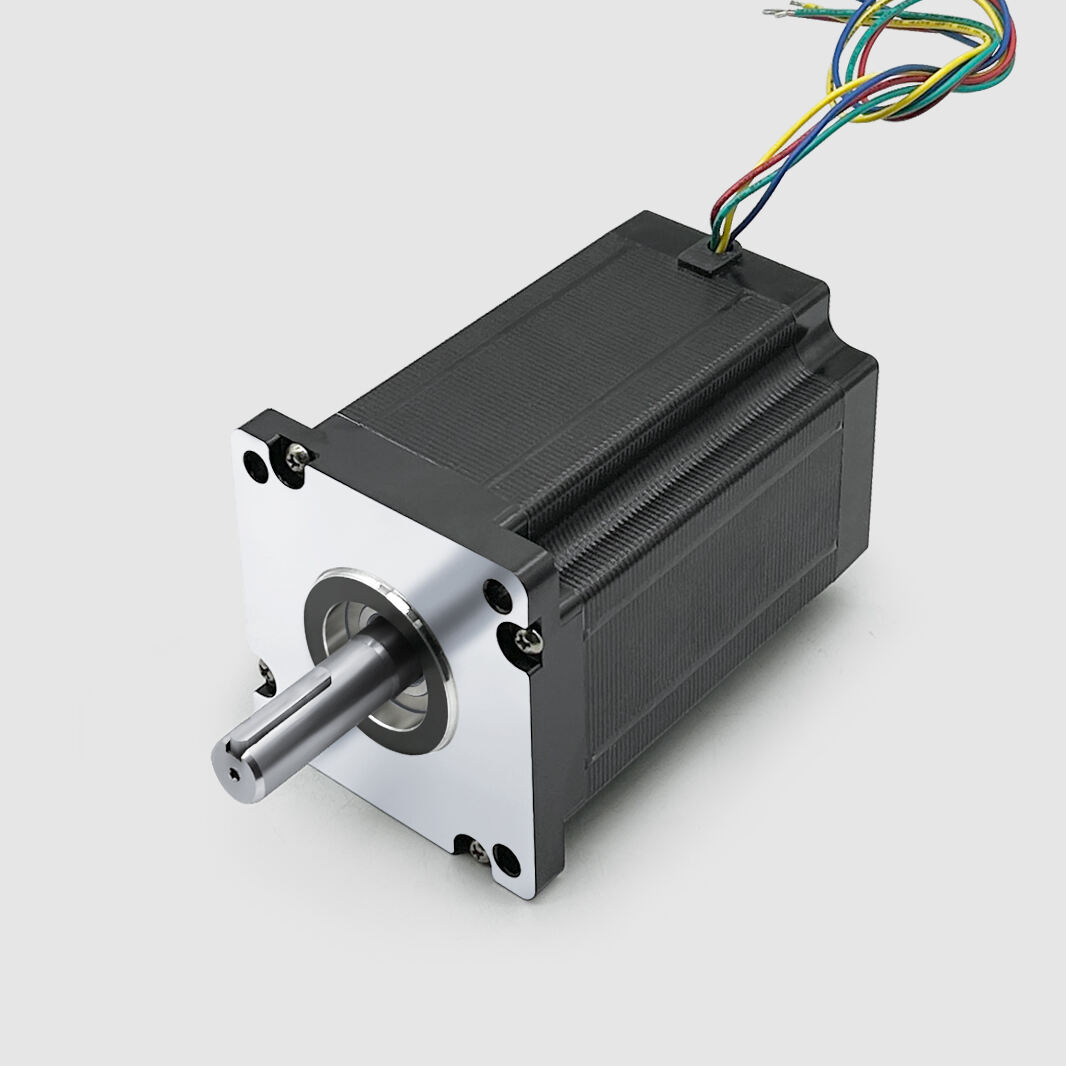
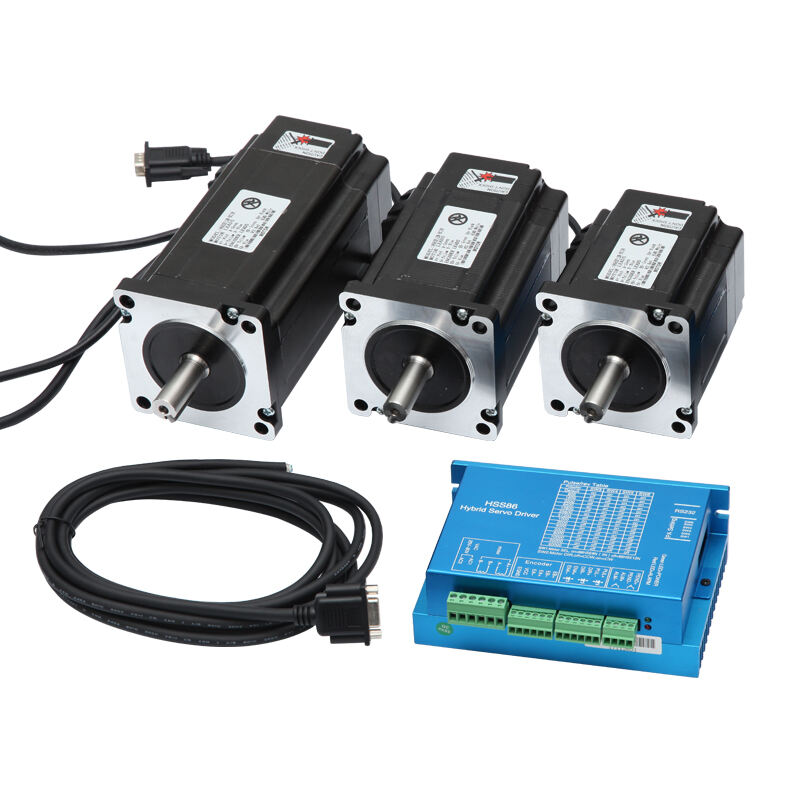
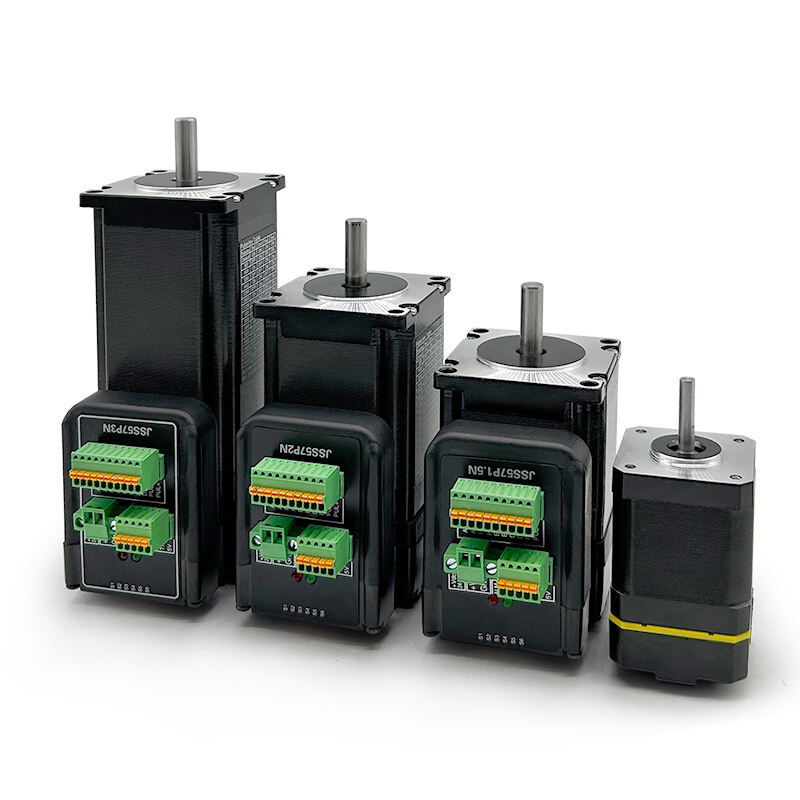
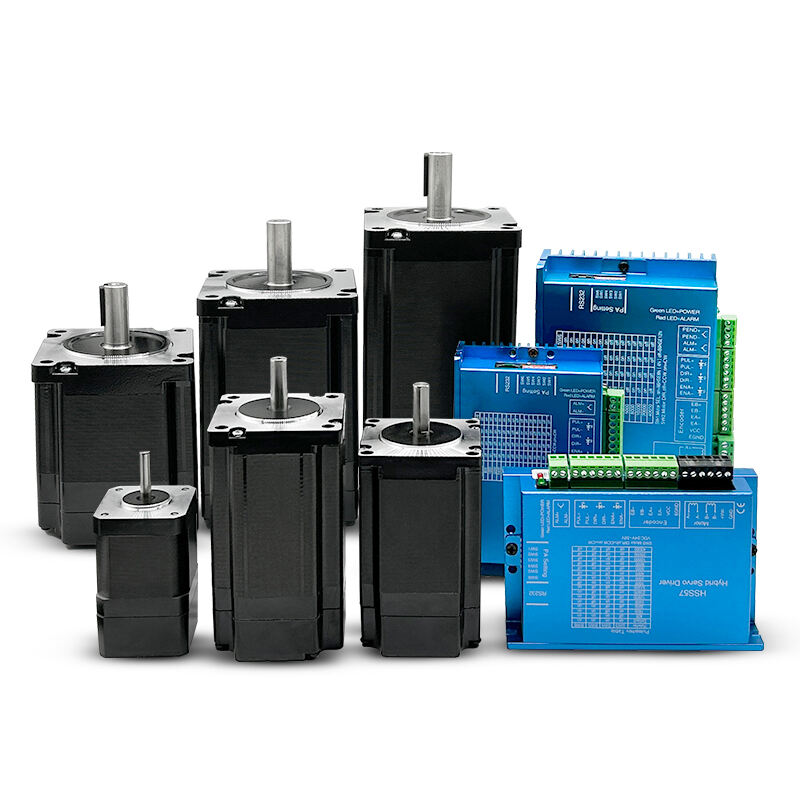
The nema 23 closed loop stepper represents a significant advancement in precision motor technology, combining the reliability of traditional stepper motors with sophisticated feedback systems that eliminate common positioning errors. This robust motor system features a standardized NEMA 23 frame size, measuring 57mm square, making it compatible with countless industrial applications and mounting systems. The closed loop configuration incorporates an encoder or resolver that continuously monitors the motor's actual position, comparing it against commanded positions to ensure accurate movement execution. Unlike open loop stepper motors that can lose steps under heavy loads or at high speeds, the nema 23 closed loop stepper automatically corrects any deviations in real-time. The motor typically operates with holding torques ranging from 1.2 to 3.0 Nm, depending on the specific model and configuration. Advanced drive electronics process encoder feedback signals at microsecond intervals, enabling the system to detect and compensate for missed steps instantly. The technology incorporates sophisticated algorithms that monitor motor performance parameters including speed, position, and load conditions. Key technological features include high-resolution encoders with up to 1000 lines per revolution, providing exceptional positioning accuracy down to fractions of a degree. The motor construction utilizes high-grade permanent magnets and precision-wound coils that deliver consistent torque output across varying operational conditions. Temperature compensation circuits maintain performance stability across industrial temperature ranges from -20°C to +80°C. Applications span diverse industries including CNC machining centers, 3D printing systems, automated packaging equipment, medical device manufacturing, semiconductor processing equipment, and robotic assembly lines. The nema 23 closed loop stepper excels in applications requiring precise positioning, repeatable movements, and reliable operation under varying load conditions, making it indispensable for modern automation systems.