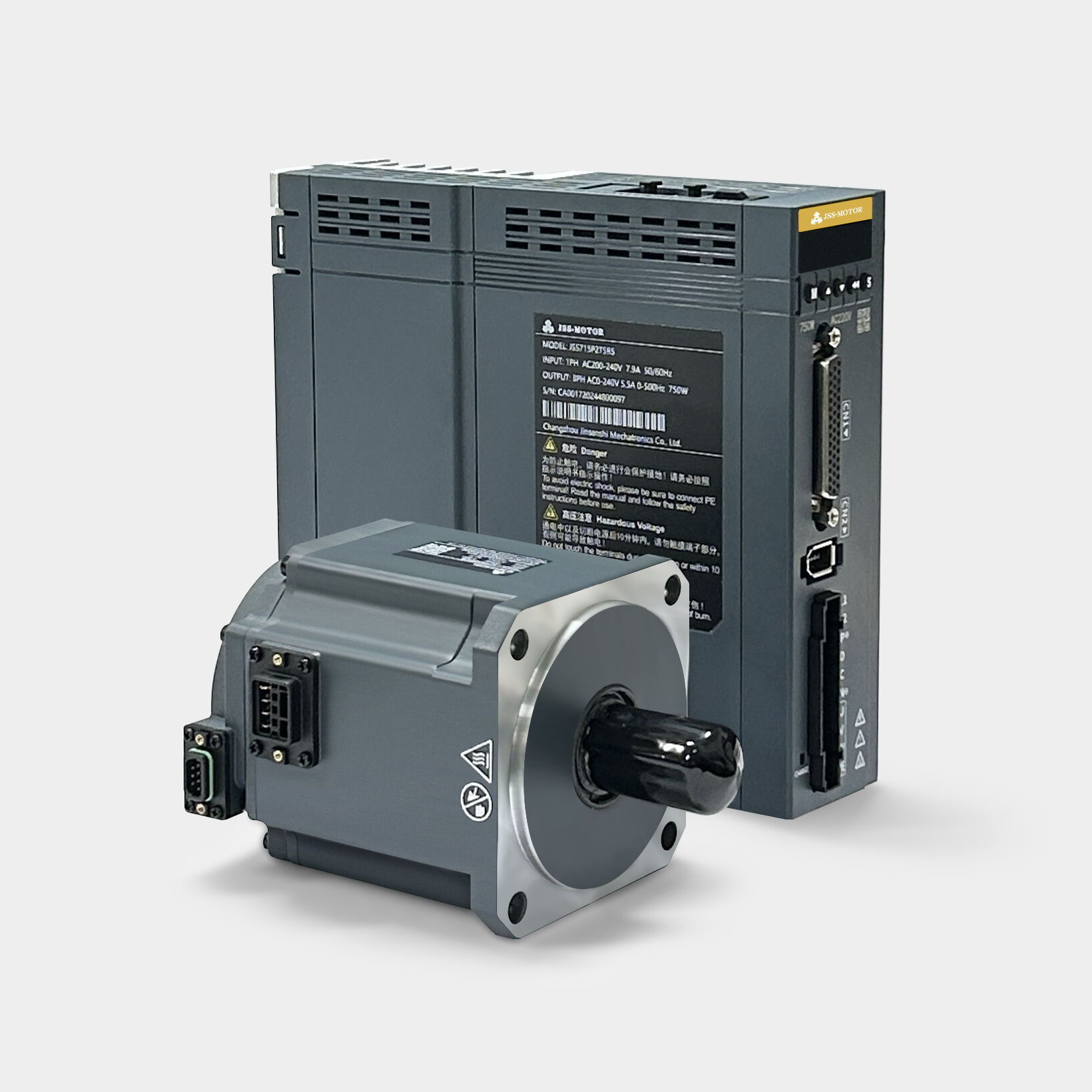
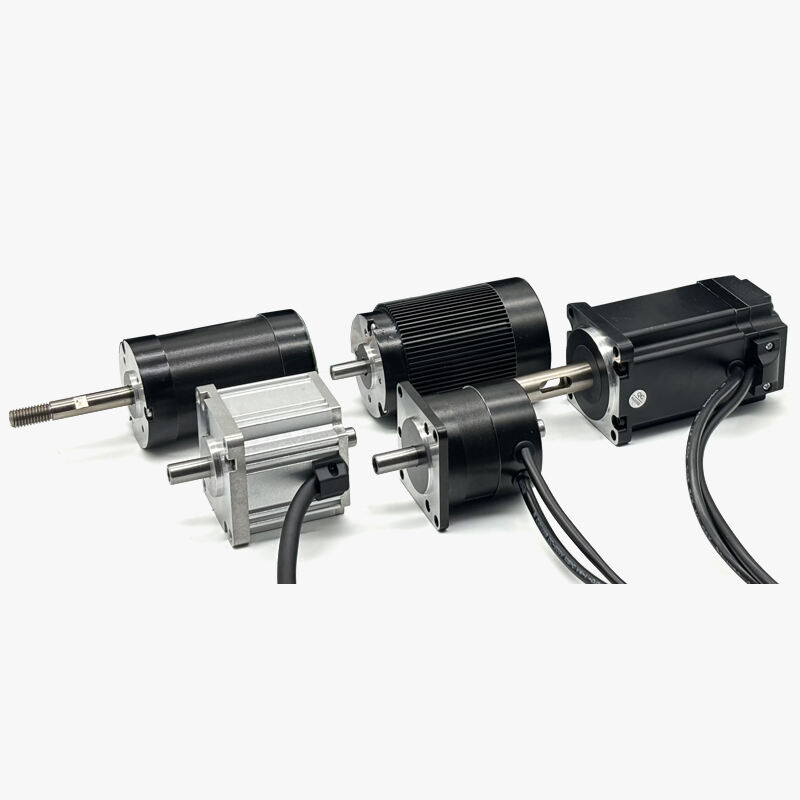
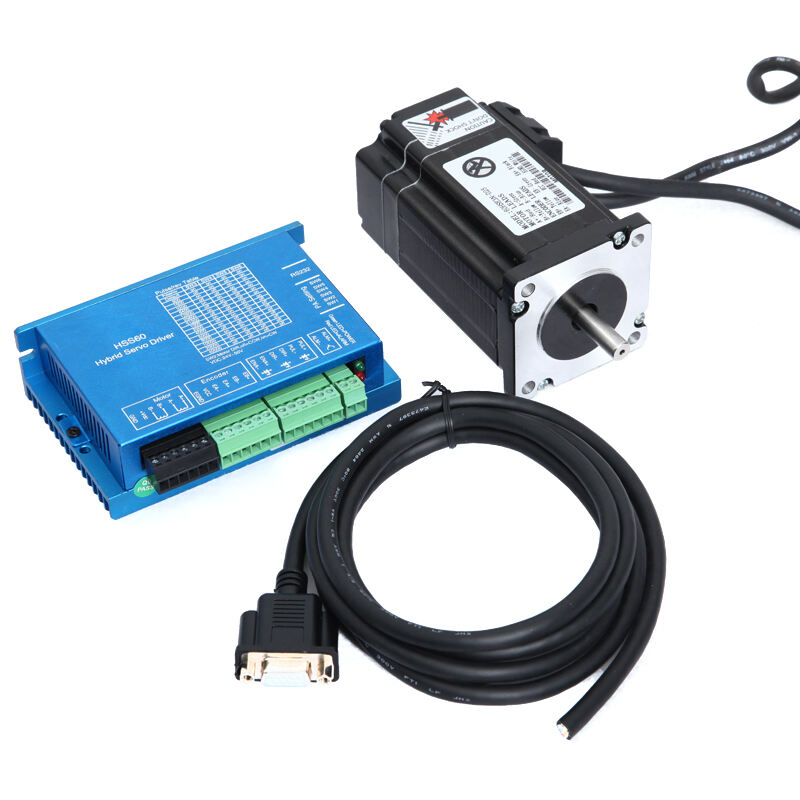
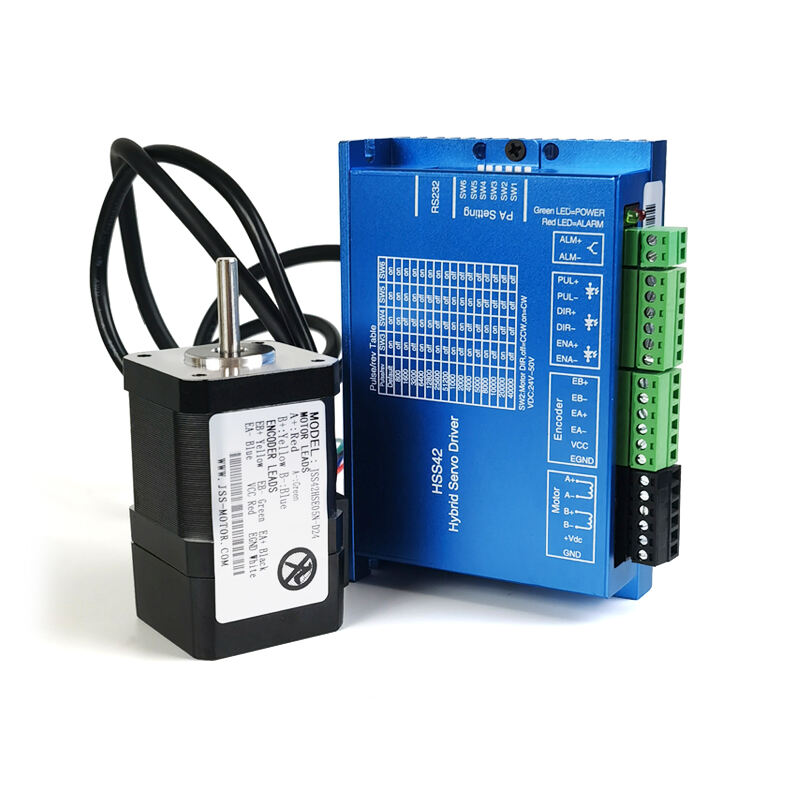
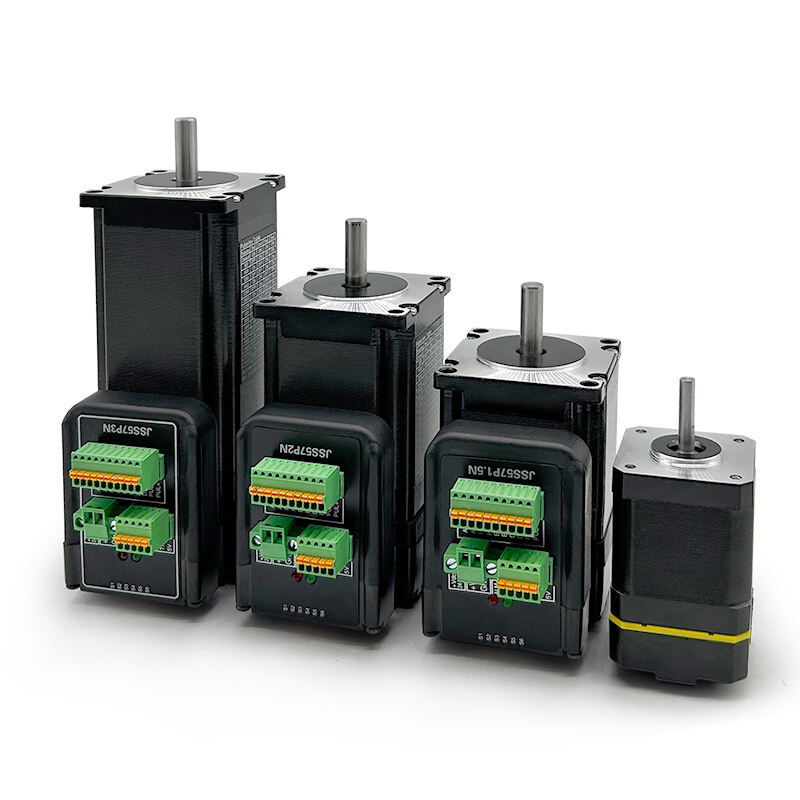
High-Precision Encoder Stepper Motors: Advanced Motion Control Solutions for Industrial Automation

Get a Free Quote

Our representative will contact you soon.
Email
Name
Company Name
WhatsApp
Mobile
Message
0/1000

encoder stepper motor

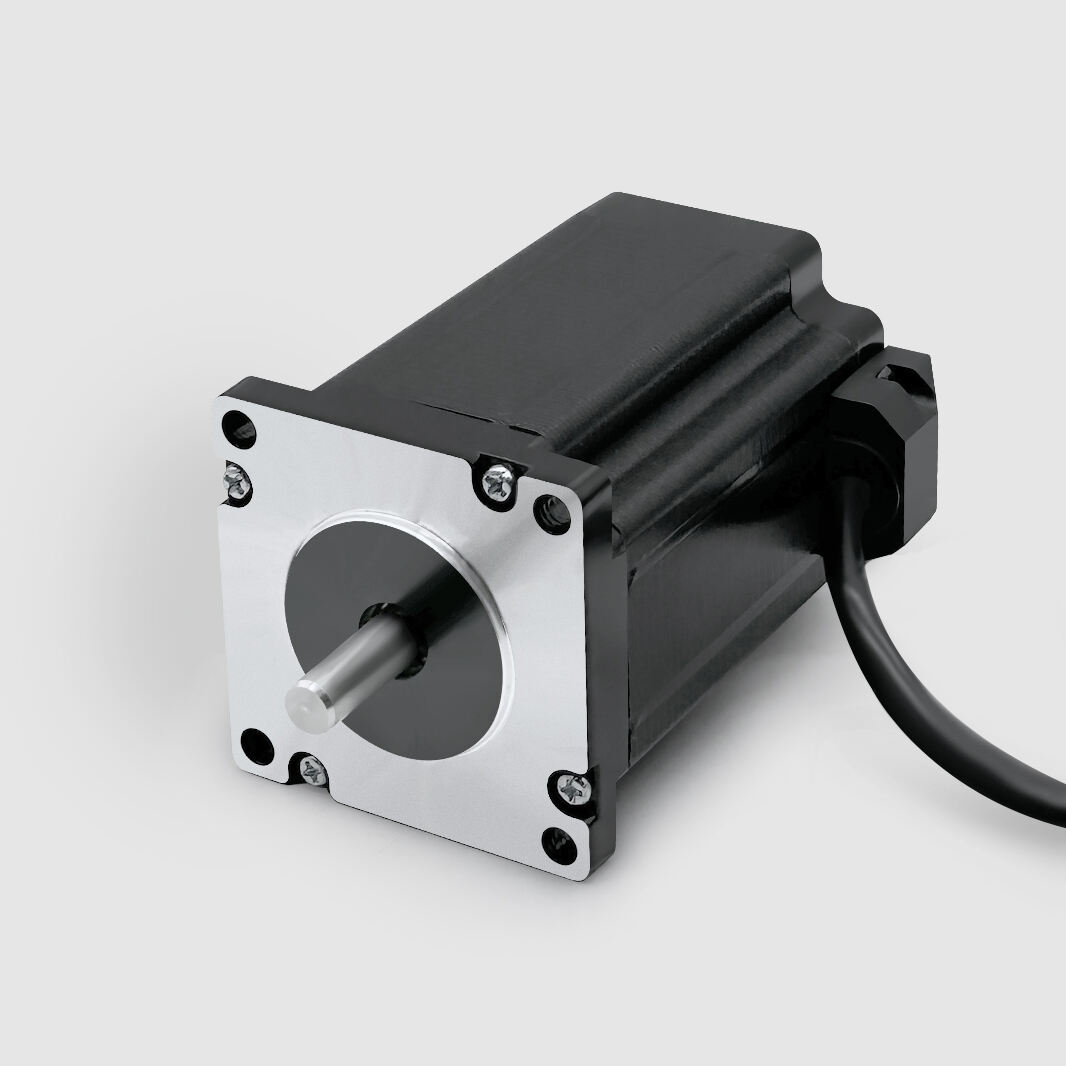
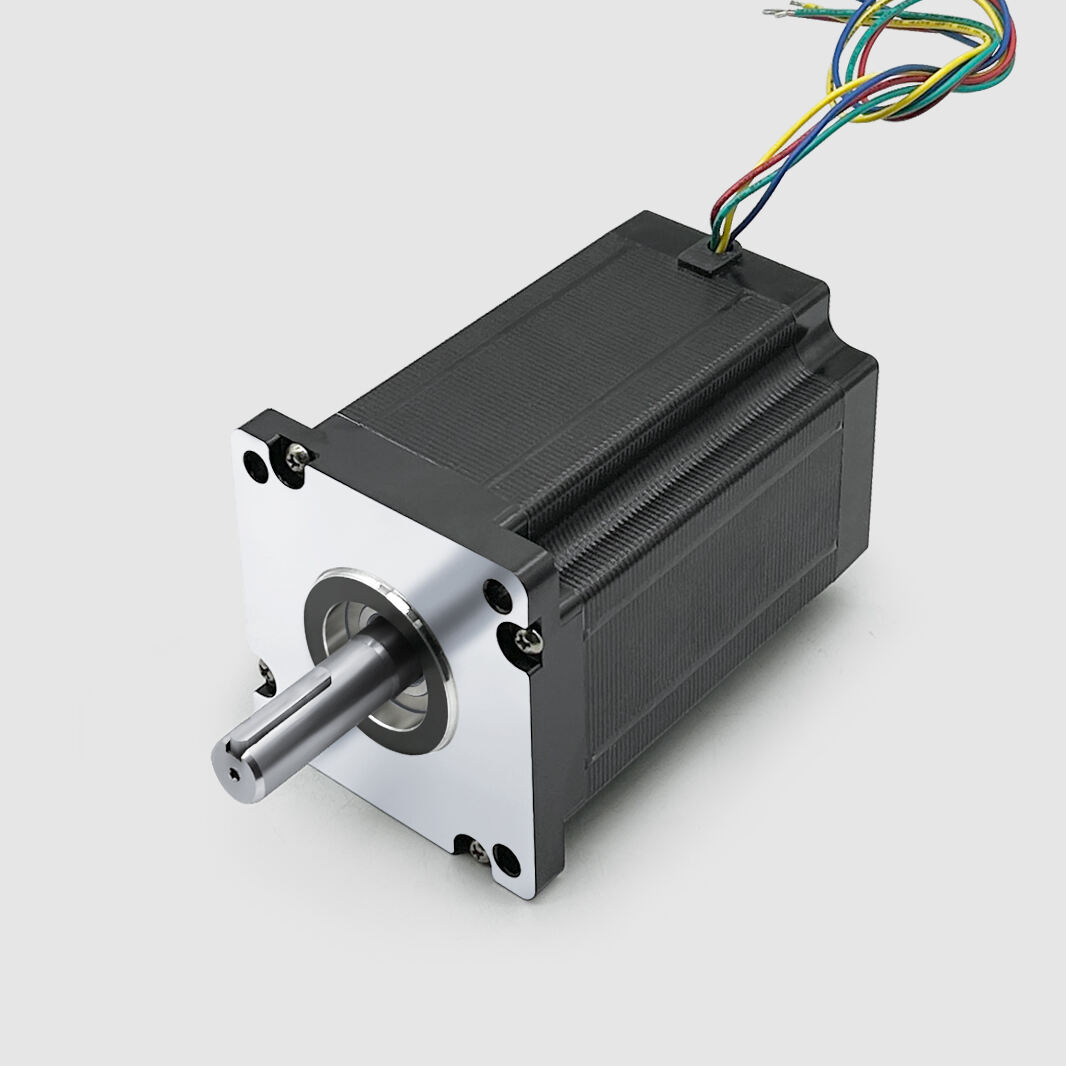
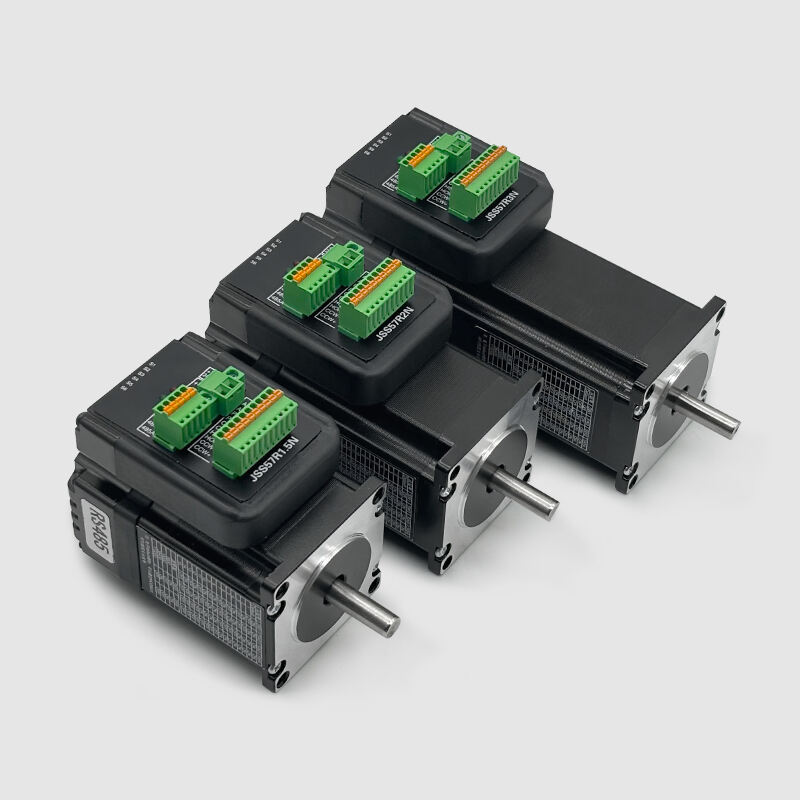
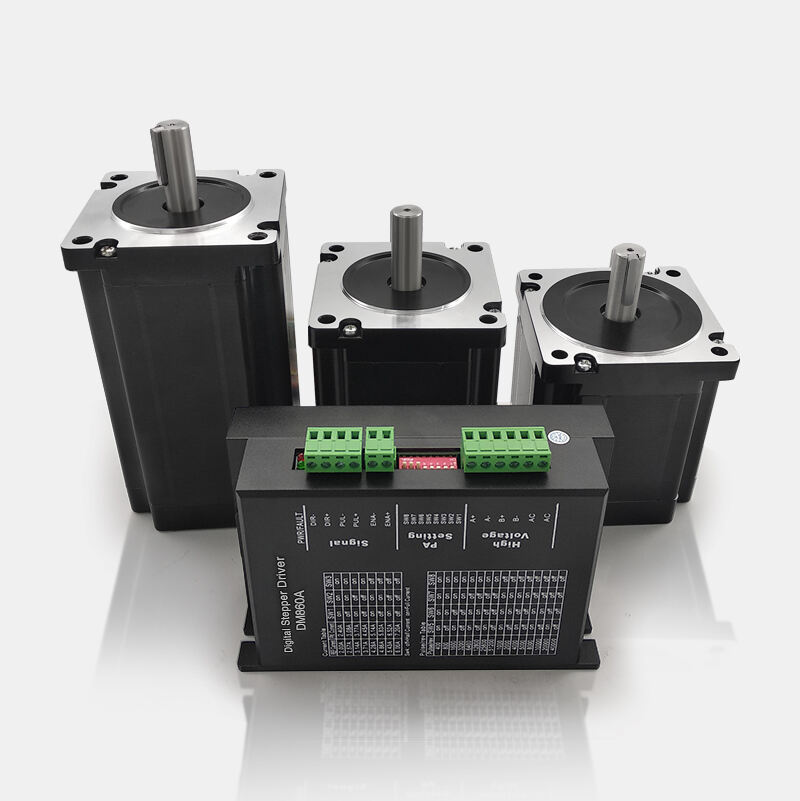
An encoder stepper motor represents a sophisticated advancement in precision motion control technology, combining the reliable positioning capabilities of traditional stepper motors with the enhanced feedback accuracy provided by integrated encoders. This hybrid system creates a powerful solution that delivers exceptional precision, reliability, and performance across diverse industrial applications. The encoder stepper motor operates by utilizing electromagnetic fields to rotate in precise, discrete steps while simultaneously employing optical or magnetic encoders to provide real-time position feedback. This dual-system approach eliminates the inherent limitations of open-loop stepper motor systems, such as step loss and positioning errors that can accumulate over time. The main functions of an encoder stepper motor include precise angular positioning, speed control, torque regulation, and continuous position monitoring. The integrated encoder component constantly tracks the actual rotor position and compares it with the commanded position, enabling closed-loop control that automatically corrects any deviations. This feedback mechanism ensures that the motor maintains its intended position even when subjected to external disturbances or varying load conditions. Technological features of encoder stepper motors include high-resolution position feedback systems, typically ranging from hundreds to thousands of pulses per revolution, advanced microstepping capabilities that provide smooth motion and reduced vibration, and sophisticated control algorithms that optimize performance parameters. The encoder component can be either incremental or absolute, with incremental encoders providing relative position information and absolute encoders maintaining position data even after power cycles. These motors also feature enhanced thermal management systems, robust construction designed for industrial environments, and compatibility with modern motion control systems and communication protocols. Applications for encoder stepper motors span numerous industries including robotics, automation equipment, medical devices, printing machinery, packaging systems, semiconductor manufacturing, and precision instrumentation. Their ability to provide accurate positioning without the complexity and cost associated with servo motor systems makes them ideal for applications requiring moderate to high precision at competitive price points.

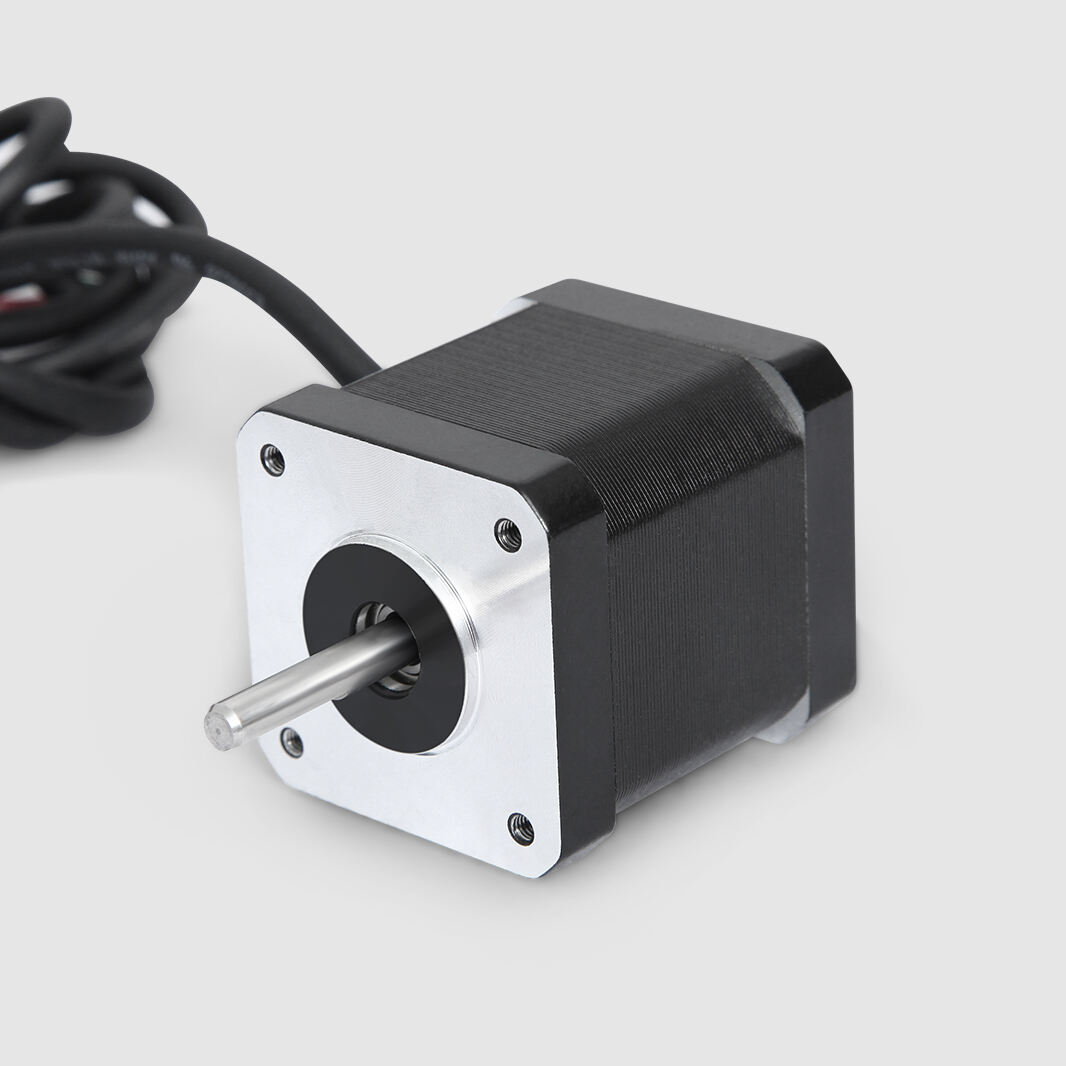
New Products

Encoder stepper motors offer numerous compelling advantages that make them superior choices for precision motion control applications compared to traditional open-loop stepper motors and many servo motor systems. The primary advantage lies in their closed-loop control capability, which eliminates the risk of step loss that commonly affects standard stepper motors. When an encoder stepper motor encounters unexpected resistance or load variations, the integrated encoder immediately detects any position discrepancy and automatically corrects it, ensuring consistent accuracy throughout operation. This self-correcting feature dramatically improves system reliability and reduces maintenance requirements. Cost-effectiveness represents another significant advantage of encoder stepper motors. While they provide many benefits associated with servo systems, they typically cost considerably less than comparable servo motor solutions. This economic advantage stems from their simpler control requirements and the elimination of expensive servo drives and complex tuning procedures. Users can achieve servo-like performance at stepper motor prices, making these motors attractive for budget-conscious projects that still demand high precision. Installation and setup processes are remarkably straightforward with encoder stepper motors. Unlike servo systems that require extensive tuning and calibration procedures, these motors can be installed and operational within minutes. The plug-and-play nature of most encoder stepper motor systems reduces commissioning time and eliminates the need for specialized technical expertise during installation. This simplicity extends to maintenance procedures, as these motors require minimal ongoing attention once properly installed. Performance consistency is another crucial advantage that encoder stepper motors deliver. The continuous position feedback ensures that the motor maintains its accuracy over extended periods of operation, regardless of environmental conditions or load variations. This consistency translates to improved product quality in manufacturing applications and reduced waste due to positioning errors. Enhanced speed capabilities distinguish encoder stepper motors from their traditional counterparts. While conventional stepper motors often experience reduced torque and positioning accuracy at higher speeds, encoder stepper motors maintain their performance characteristics across broader speed ranges. This capability enables faster cycle times and increased productivity in automated systems. The encoder feedback allows for optimized acceleration and deceleration profiles that minimize settling time while preventing overshoot or oscillation. Diagnostic capabilities built into encoder stepper motors provide valuable operational insights. Users can monitor motor performance in real-time, detect potential issues before they cause failures, and implement predictive maintenance strategies that minimize downtime and extend equipment lifespan.

Tips And Tricks

Can a stepper driver run on 24 V without extra heat sinking?

26

Sep

Can a stepper driver run on 24 V without extra heat sinking?

Understanding Stepper Driver Voltage Requirements and Thermal Management Stepper drivers are essential components in motion control systems, and their voltage capabilities significantly impact performance. When considering whether a stepper driver ca...
View More
2025 Guide: How AC Servo Motors Transform Industrial Automation

20

Oct

2025 Guide: How AC Servo Motors Transform Industrial Automation

The Evolution of Industrial Motion Control Technology Industrial automation has witnessed a remarkable transformation over the past decades, with ac servo motors emerging as the cornerstone of precise motion control. These sophisticated devices have ...
View More
AC Servo Motor vs. Stepper Motor: Which to Choose?

20

Oct

AC Servo Motor vs. Stepper Motor: Which to Choose?

Understanding Motion Control System Fundamentals In the world of precision motion control and automation, choosing the right motor technology can make or break your application's success. The debate between ac servo motors and stepper motors continue...
View More
2025 BLDC Motor Guide: Types, Benefits & Applications

12

Dec

2025 BLDC Motor Guide: Types, Benefits & Applications

Brushless DC motors have revolutionized modern industrial applications with their superior efficiency, reliability, and precision control capabilities. As we advance into 2025, understanding the intricacies of BLDC motor technology becomes crucial fo...
View More

Get a Free Quote

Our representative will contact you soon.
Email
Name
Company Name
WhatsApp
Mobile
Message
0/1000

encoder stepper motor

Superior Positioning Accuracy with Real-Time Feedback Control

Superior Positioning Accuracy with Real-Time Feedback Control

The exceptional positioning accuracy achieved through real-time feedback control represents the most significant advantage of encoder stepper motor technology. Unlike traditional open-loop stepper motors that operate blindly without knowing their actual position, encoder stepper motors continuously monitor and verify their precise angular position through integrated high-resolution encoders. This sophisticated feedback system typically provides resolution ranging from 1,000 to 10,000 pulses per revolution, enabling positioning accuracy that can reach sub-micron levels in linear applications. The real-time feedback mechanism works by constantly comparing the commanded position with the actual rotor position, creating a closed-loop control system that automatically compensates for any discrepancies. This immediate correction capability eliminates the cumulative positioning errors that plague open-loop systems, ensuring that the motor maintains its intended position throughout extended operating periods. The encoder stepper motor system can detect and correct for various disturbances including load variations, friction changes, temperature effects, and mechanical wear that would otherwise cause positioning drift in conventional stepper motor applications. This superior accuracy proves invaluable in precision manufacturing applications where dimensional tolerances are critical, such as semiconductor wafer processing, precision machining operations, and medical device assembly. The consistent positioning performance also enables tighter quality control standards and reduces product rejection rates due to dimensional variations. Furthermore, the real-time feedback allows for advanced motion profiles that optimize both speed and accuracy, enabling faster cycle times without sacrificing precision. The system can implement sophisticated algorithms that predict and compensate for mechanical resonances, load variations, and other dynamic effects that could impact positioning accuracy. This intelligent control capability ensures that the encoder stepper motor delivers reliable, repeatable positioning performance that exceeds the capabilities of traditional stepper motor systems while remaining significantly more cost-effective than comparable servo motor solutions.
Simplified Installation and Maintenance Requirements

Simplified Installation and Maintenance Requirements

Encoder stepper motors excel in providing simplified installation and maintenance procedures that significantly reduce total cost of ownership and operational complexity compared to alternative motion control solutions. The installation process typically requires minimal technical expertise and can be completed in a fraction of the time needed for comparable servo motor systems. Most encoder stepper motor packages come complete with pre-configured controllers that eliminate the need for complex parameter tuning and calibration procedures that characterize servo installations. The plug-and-play architecture allows technicians to connect power, control signals, and encoder feedback cables, then begin operation immediately without extensive commissioning procedures. This simplified installation process reduces project timelines and eliminates the need for specialized servo system expertise during deployment. The maintenance advantages of encoder stepper motors stem from their robust design and self-monitoring capabilities. The integrated encoder provides continuous diagnostic information about motor performance, enabling predictive maintenance strategies that prevent unexpected failures and minimize downtime. System operators can monitor parameters such as positioning accuracy, temperature, vibration, and load variations to identify potential issues before they cause operational problems. This proactive approach to maintenance significantly reduces emergency repair costs and unplanned production interruptions. Unlike servo systems that require periodic tuning and calibration to maintain optimal performance, encoder stepper motors maintain their accuracy and performance characteristics over extended periods without manual intervention. The closed-loop feedback system automatically compensates for gradual changes in mechanical systems, such as bearing wear or belt stretch, that would otherwise require manual adjustment in open-loop systems. Component replacement procedures are also simplified with encoder stepper motors, as the integrated design ensures that replacement units maintain the same performance characteristics as the original installation. The standardized interfaces and communication protocols used by most encoder stepper motor systems facilitate easy integration with existing automation equipment and control systems. This compatibility reduces the learning curve for maintenance personnel and ensures that replacement parts and technical support remain readily available throughout the motor's operational lifetime.
Enhanced Speed and Dynamic Performance Capabilities

Enhanced Speed and Dynamic Performance Capabilities

Encoder stepper motors deliver significantly enhanced speed and dynamic performance capabilities that surpass traditional stepper motor limitations while maintaining the simplicity and cost advantages that make stepper technology attractive. The integrated encoder feedback enables these motors to operate effectively at much higher speeds than conventional open-loop stepper motors, which typically experience significant torque reduction and potential step loss at elevated operating speeds. The real-time position feedback allows the control system to implement sophisticated motion profiles that optimize acceleration and deceleration curves, resulting in faster cycle times and improved overall system throughput. The encoder stepper motor can safely operate at speeds up to three times higher than comparable open-loop systems while maintaining full torque and positioning accuracy. This enhanced speed capability stems from the feedback system's ability to detect and prevent resonance conditions that limit conventional stepper motor performance. The control system continuously monitors motor behavior and automatically adjusts operating parameters to avoid mechanical resonances that could cause vibration, noise, or positioning errors. Dynamic performance improvements include smoother motion characteristics achieved through advanced microstepping algorithms that work in conjunction with encoder feedback. This combination eliminates the discrete stepping motion that characterizes traditional stepper motors, resulting in virtually silent operation and reduced mechanical stress on connected equipment. The smooth motion profile is particularly beneficial in applications requiring precise speed control or continuous motion, such as conveyor systems, printing equipment, and automated assembly machinery. The encoder stepper motor also provides superior load handling capabilities compared to open-loop alternatives. The feedback system enables the motor to automatically adjust its operating parameters in response to varying load conditions, maintaining consistent speed and positioning accuracy regardless of external forces. This adaptive capability is especially valuable in applications where load conditions change during operation, such as material handling systems or processing equipment that handles products of varying sizes and weights. Additionally, the enhanced dynamic performance enables more aggressive motion profiles that reduce cycle times without compromising accuracy or reliability, directly translating to increased productivity and improved return on investment for automated systems.
+86-13401517369
[email protected]

Get a Free Quote

Our representative will contact you soon.
Email
Name
Company Name
WhatsApp
Mobile
Message
0/1000

Copyright © 2026 Changzhou Jinsanshi Mechatronics Co., Ltd. All rights reserved.  -  Privacy policy