printer 3d stepper loop tertutup
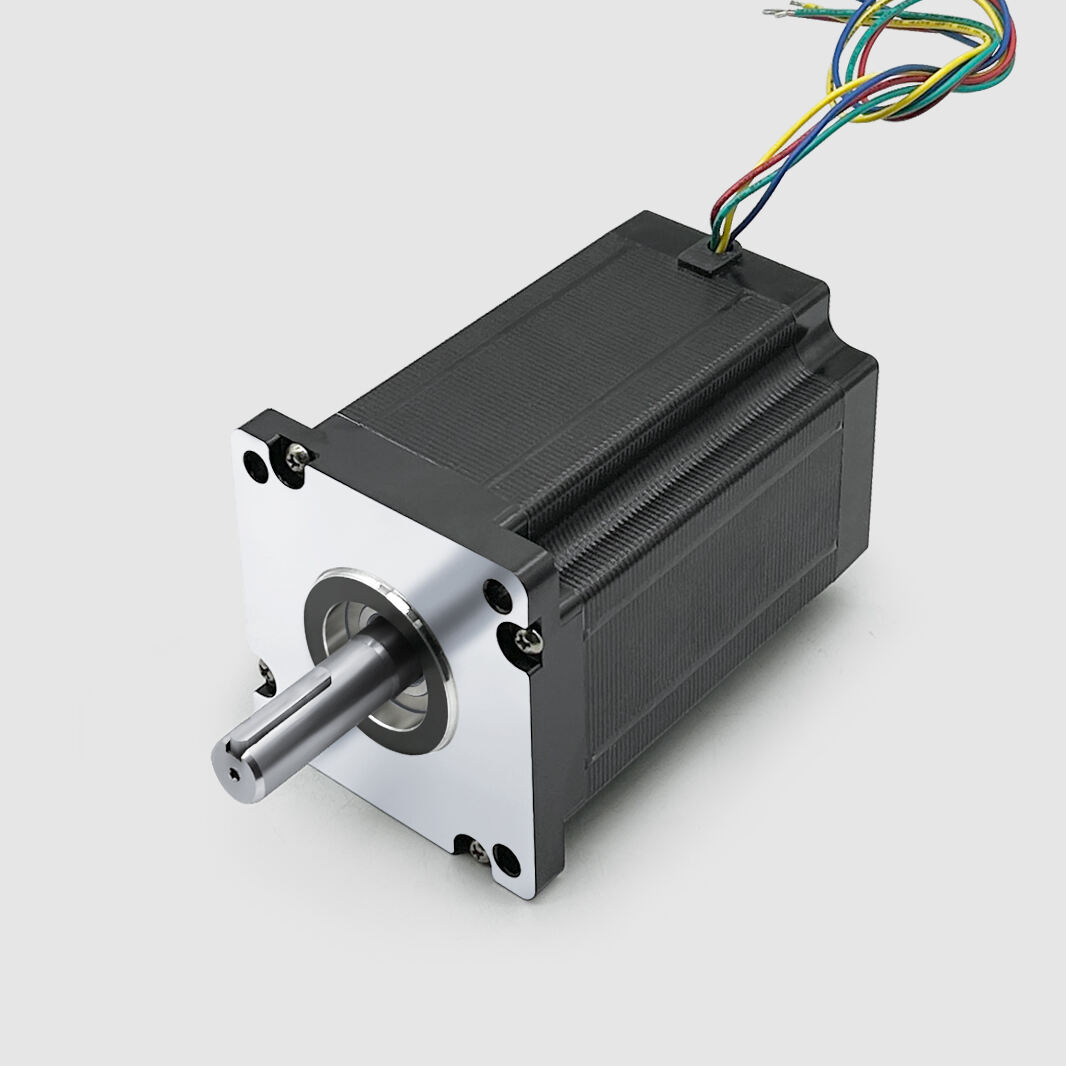
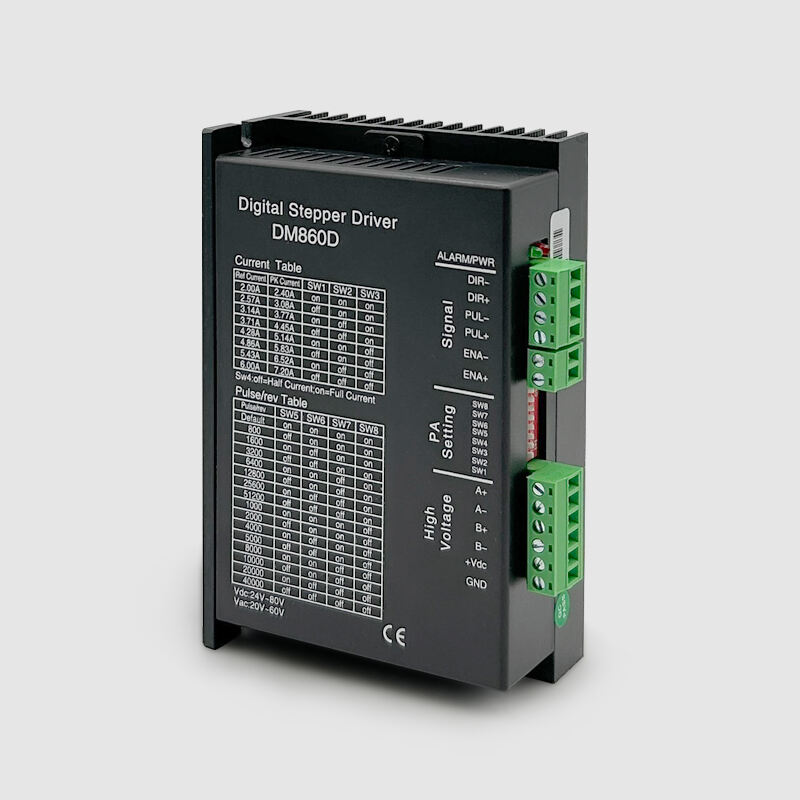
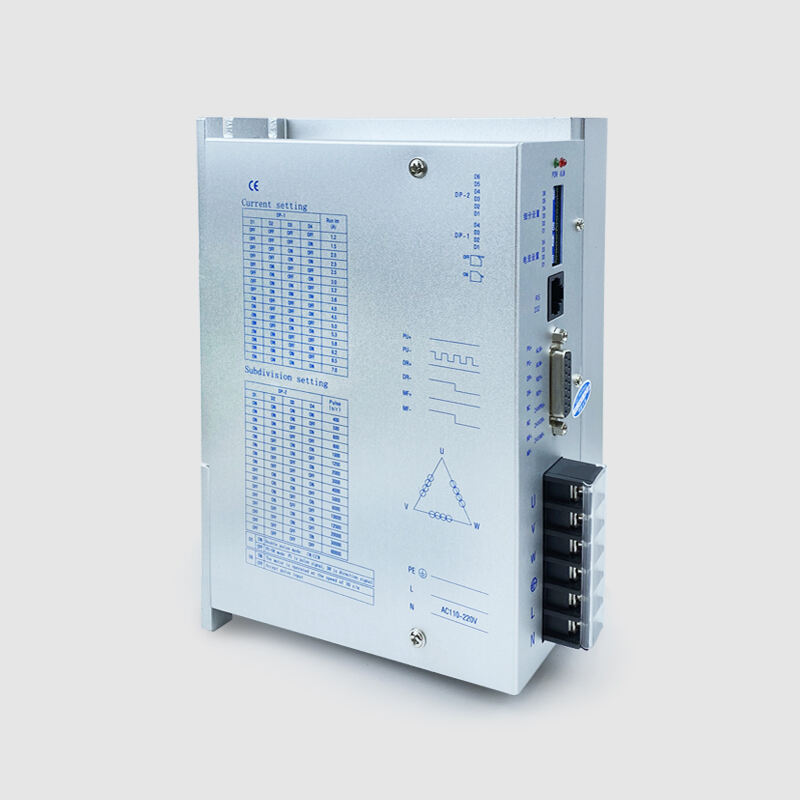
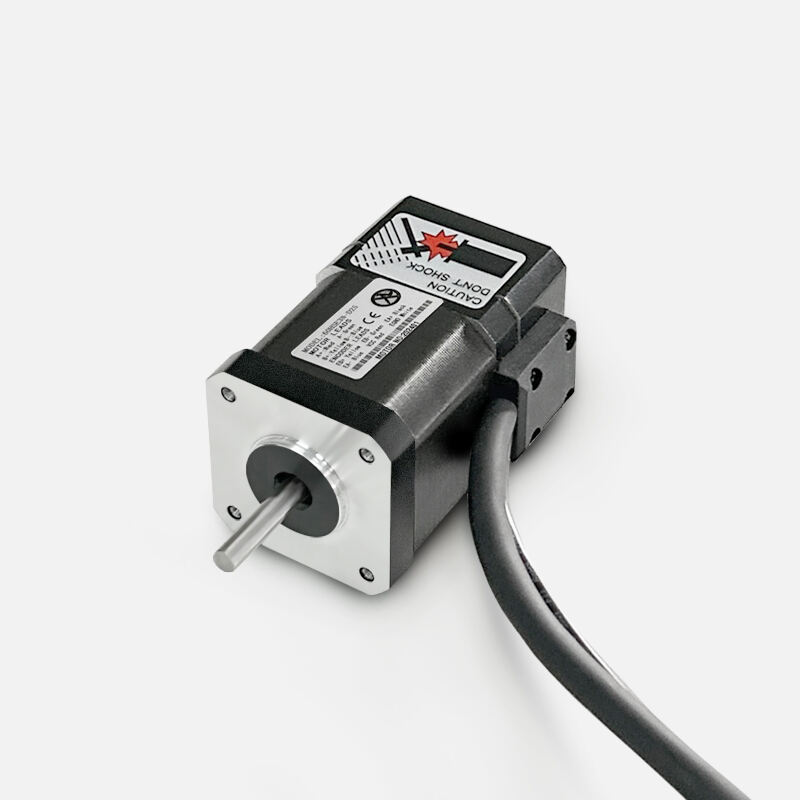
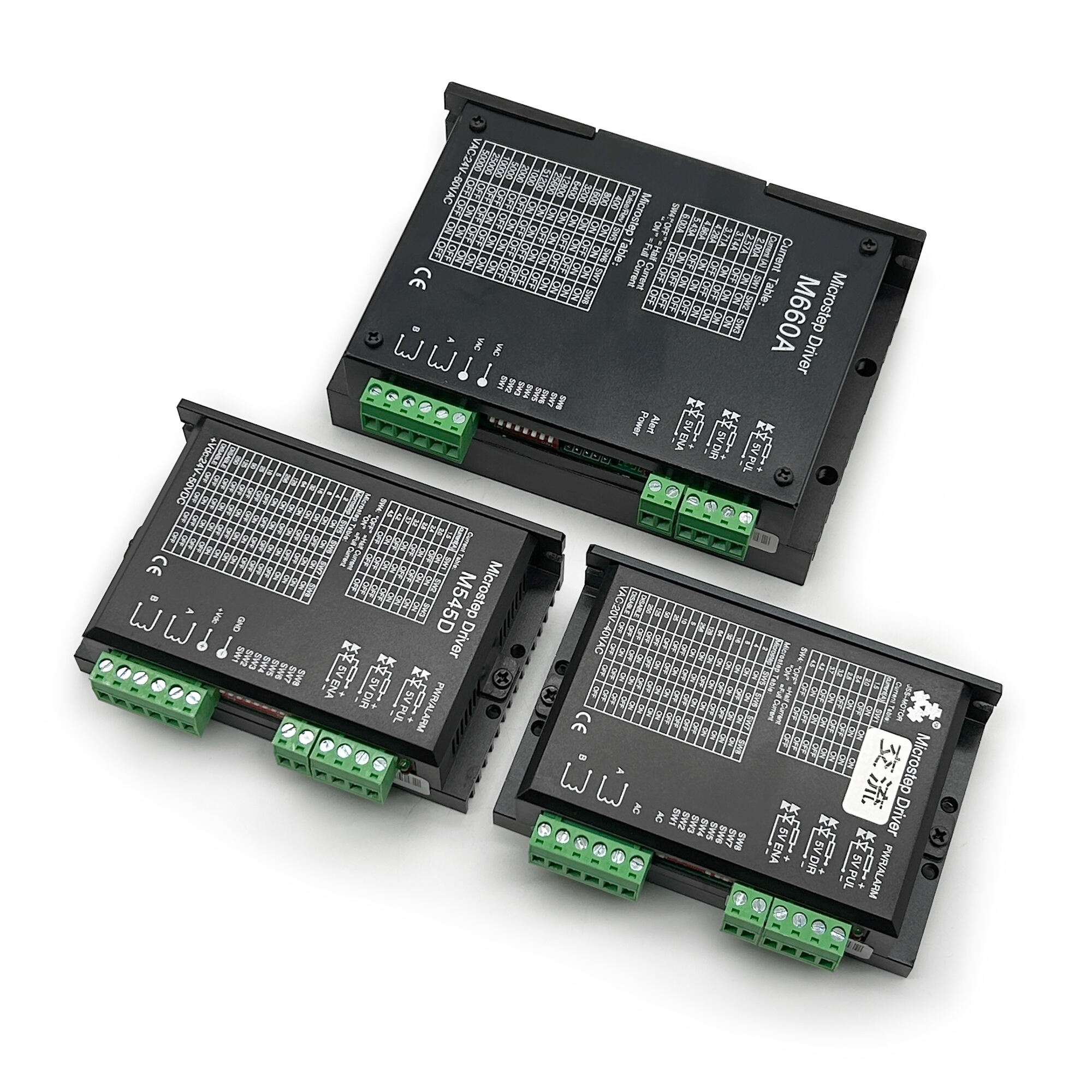
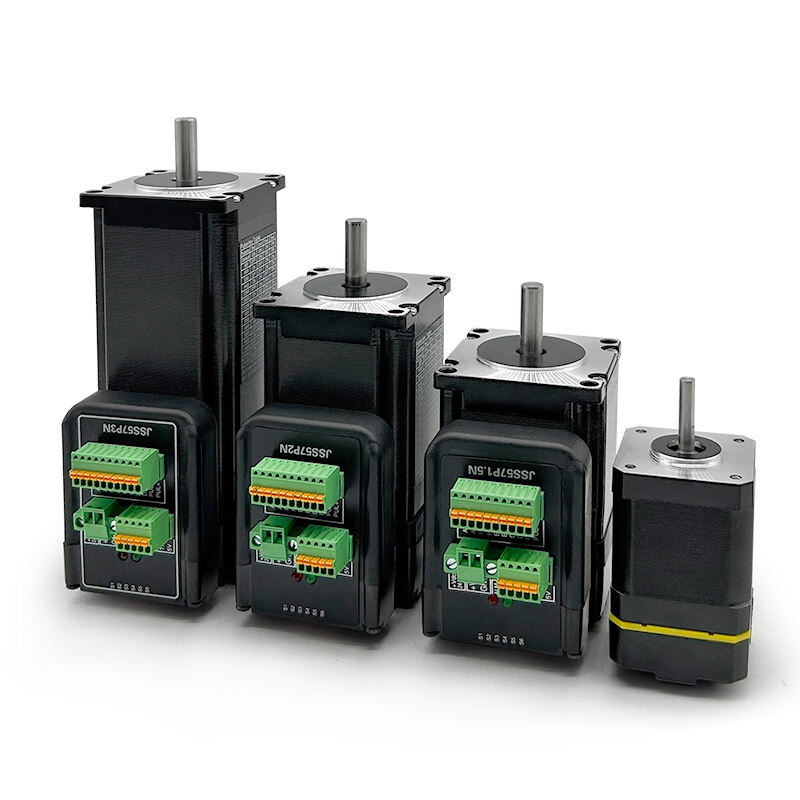
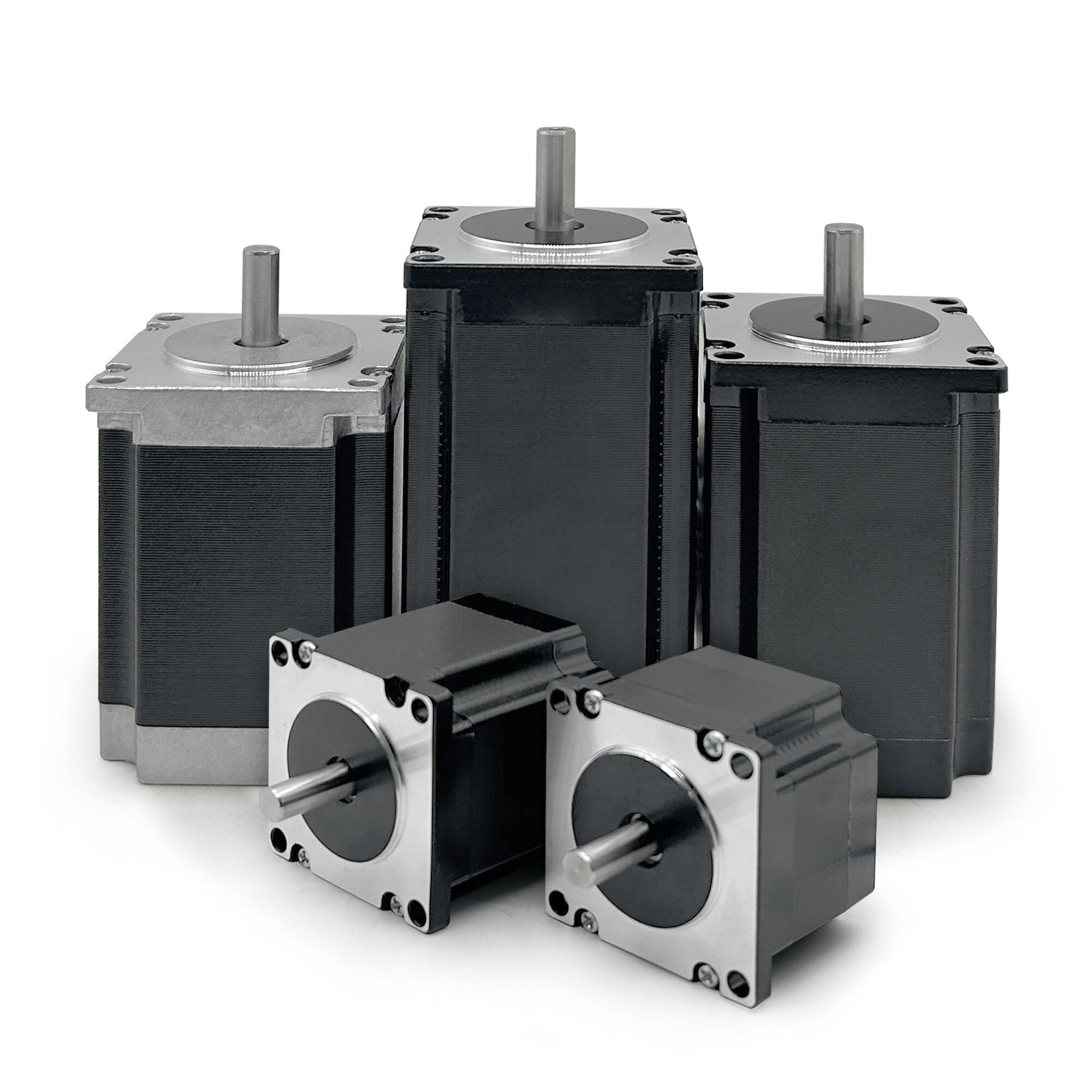
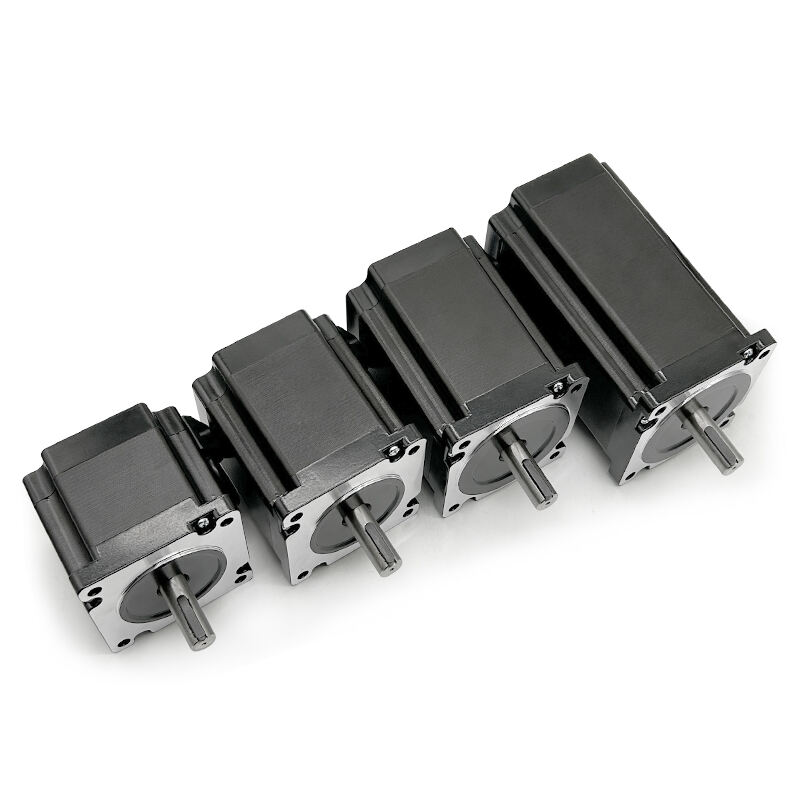
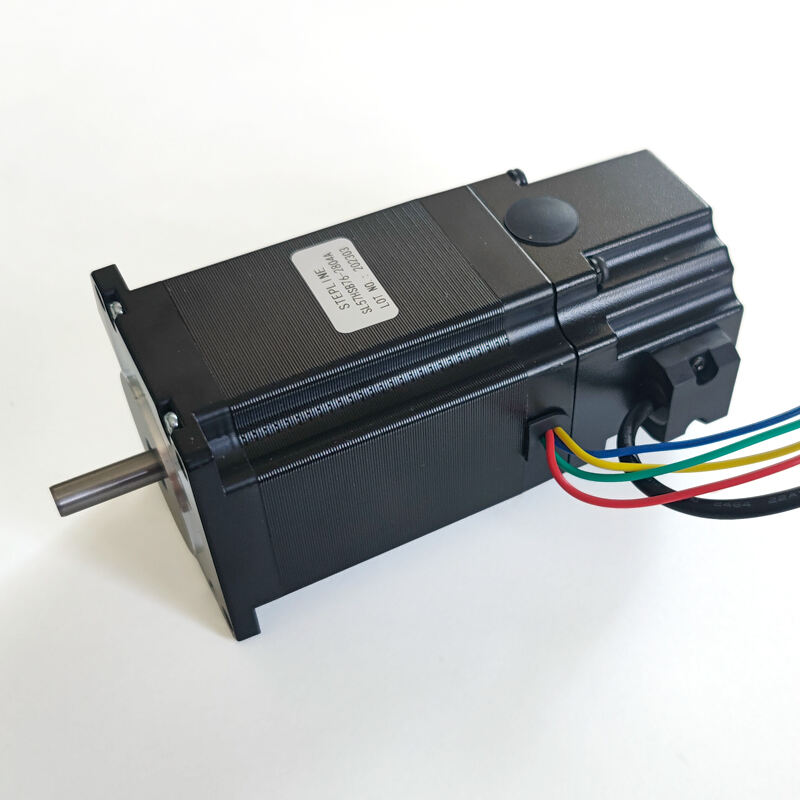
Stepper loop tertutup untuk printer 3D mewakili kemajuan revolusioner dalam teknologi presisi manufaktur aditif. Berbeda dengan motor stepper loop terbuka konvensional yang beroperasi tanpa umpan balik posisi (blindly), stepper loop tertutup untuk printer 3D mengintegrasikan sistem encoder canggih yang secara terus-menerus memantau dan memverifikasi posisi motor. Mekanisme umpan balik cerdas ini menjamin bahwa setiap langkah yang diperintahkan oleh papan kontrol printer dieksekusi secara akurat, sehingga menghilangkan masalah umum seperti kehilangan langkah (step loss) dan pergeseran posisi (positional drift) yang kerap terjadi pada sistem stepper konvensional. Fungsi utamanya berpusat pada verifikasi posisi secara waktu nyata, di mana encoder terintegrasi terus-menerus mengirimkan informasi posisi aktual motor kembali ke driver. Ketika terjadi ketidaksesuaian antara posisi yang diperintahkan dan posisi aktual, sistem segera memperbaiki kesalahan tersebut, sehingga menjaga akurasi cetak yang luar biasa selama sesi manufaktur yang berkepanjangan. Fitur teknologinya meliputi encoder optik atau magnetik beresolusi tinggi, algoritma driver mutakhir yang memproses sinyal umpan balik secara instan, serta protokol koreksi kesalahan cerdas. Resolusi encoder umumnya berkisar antara 1000 hingga 4000 hitungan per putaran, memberikan akurasi penempatan sub-mikron yang melampaui kemampuan stepper konvensional. Elektronika driver dilengkapi algoritma kontrol canggih yang menganalisis umpan balik posisi, arus motor, serta parameter kecepatan guna mengoptimalkan kinerja secara dinamis. Aplikasinya mencakup prototipe profesional, manufaktur perangkat medis, produksi komponen aerospace, serta fabrikasi perkakas presisi. Industri yang menuntut toleransi dimensi ketat—seperti pembuatan perhiasan, prostetik gigi, dan manufaktur komponen elektronik—secara khusus memperoleh manfaat besar dari teknologi ini. Sistem ini unggul dalam aplikasi yang menuntut adhesi lapisan konsisten, reproduksi fitur presisi, serta kebutuhan proses pasca-cetak (post-processing) yang minimal. Lembaga pendidikan memanfaatkan sistem ini untuk proyek penelitian yang memerlukan hasil yang dapat diulang, sedangkan fasilitas produksi mengandalkannya untuk menjaga kualitas suku cadang yang konsisten dalam skala produksi besar.