stepper motor driver price
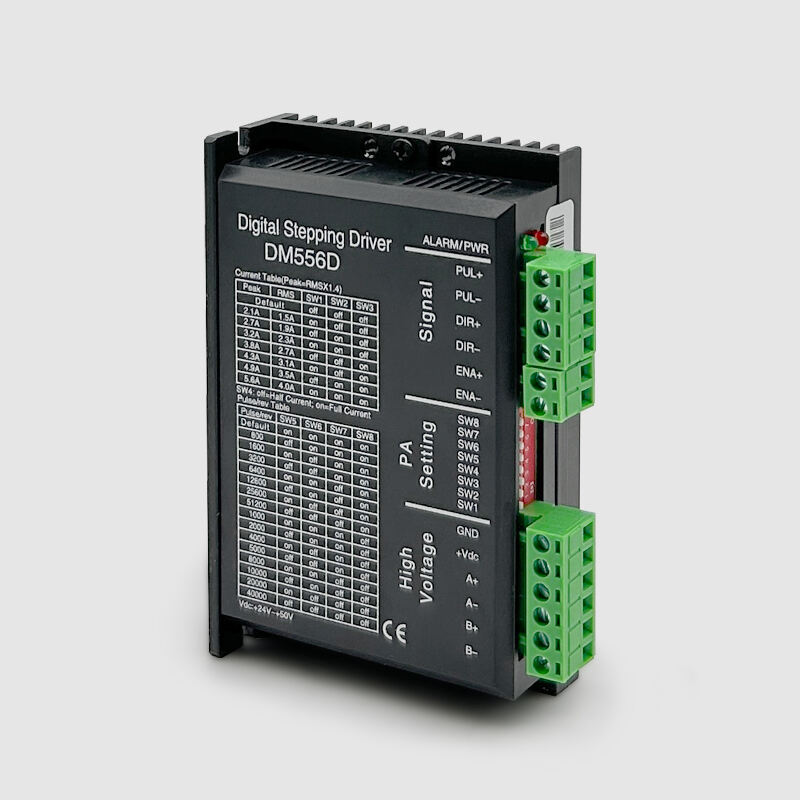
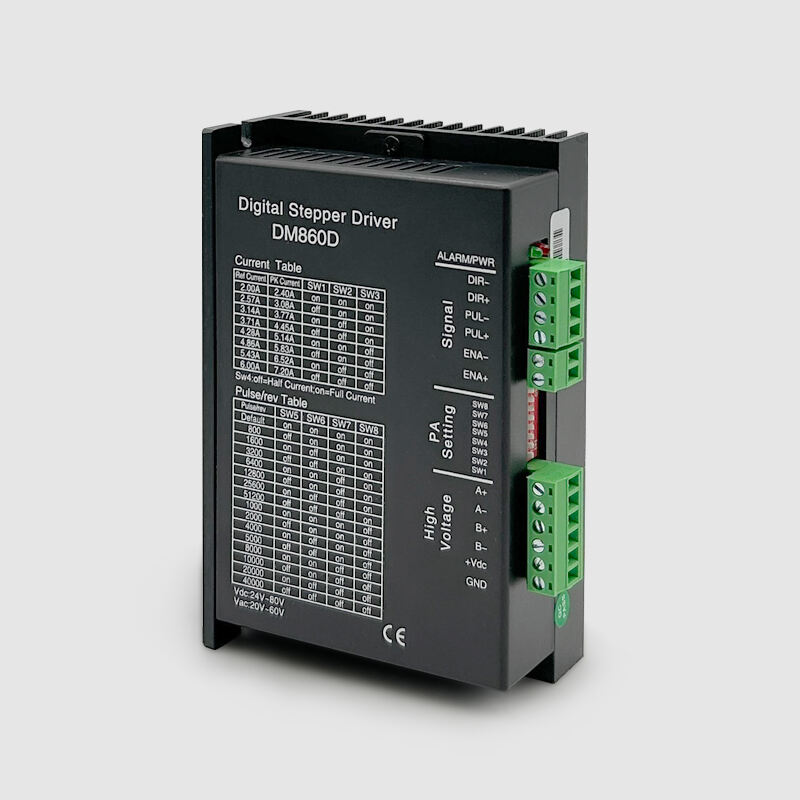
Understanding stepper motor driver price dynamics is crucial for engineers, manufacturers, and automation professionals seeking precise motion control solutions. The stepper motor driver price varies significantly based on technological sophistication, current ratings, microstepping capabilities, and communication interfaces. These electronic devices serve as the critical bridge between control systems and stepper motors, converting digital pulse signals into the precise electrical currents required for accurate rotational movement. Modern stepper motor drivers incorporate advanced features such as anti-resonance technology, automatic current reduction, and thermal protection, all of which influence the overall stepper motor driver price structure. The main functions include current regulation, phase sequencing, microstepping control, and fault protection, ensuring reliable operation across diverse industrial applications. Technological features encompass PWM current control, programmable decay modes, step resolution enhancement, and integrated protection circuits that safeguard both the driver and connected motor from electrical anomalies. Applications span from 3D printing and CNC machining to laboratory equipment, packaging machinery, and robotic systems where precise positioning is paramount. The stepper motor driver price reflects the complexity of internal circuitry, manufacturing quality standards, and certification requirements for specific industrial environments. Entry-level drivers suitable for basic applications may cost significantly less than high-performance units designed for demanding industrial automation tasks. Factors affecting stepper motor driver price include maximum current capacity, voltage ratings, communication protocols like RS-485 or Ethernet, and additional features such as encoder feedback support or built-in indexing capabilities. Understanding these price determinants helps customers make informed decisions when selecting appropriate drivers for their specific motion control requirements while balancing performance needs with budget constraints.