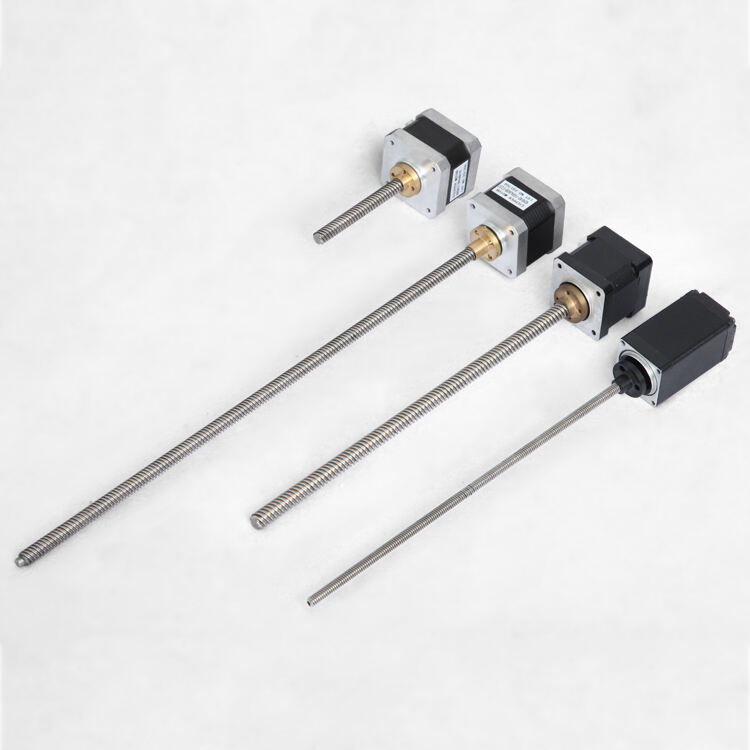
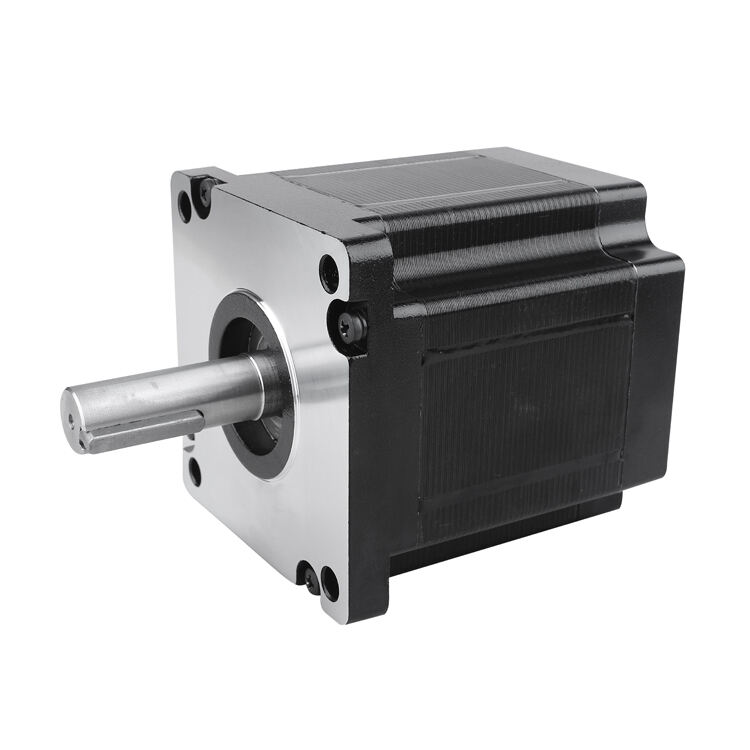
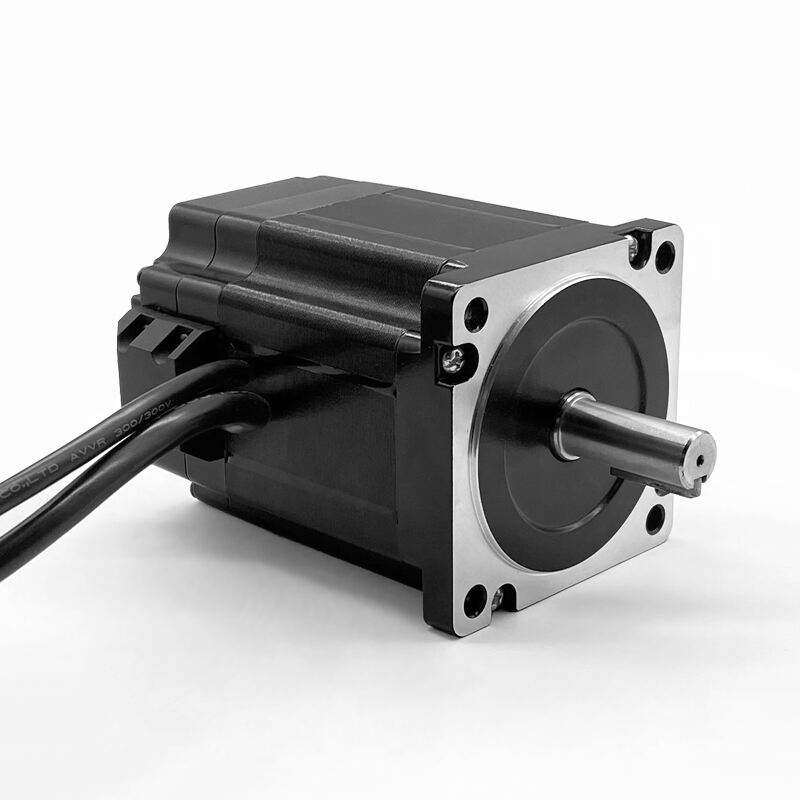
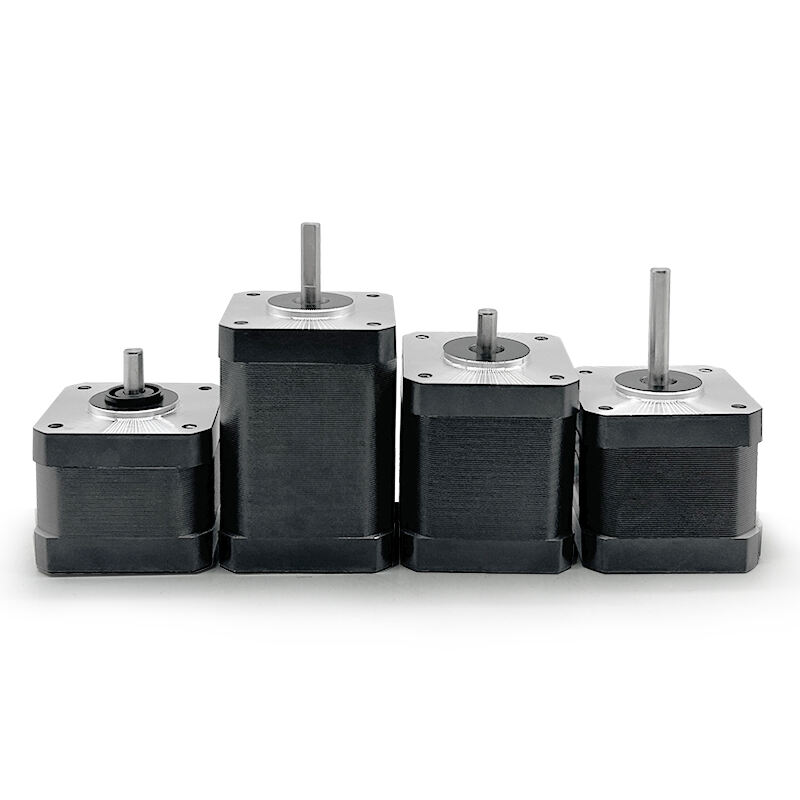
AC Servo System Solutions: Precision Motion Control Technology for Industrial Automation

Get a Free Quote

Our representative will contact you soon.
Email
Name
Company Name
WhatsApp
Mobile
Message
0/1000

ac servo system

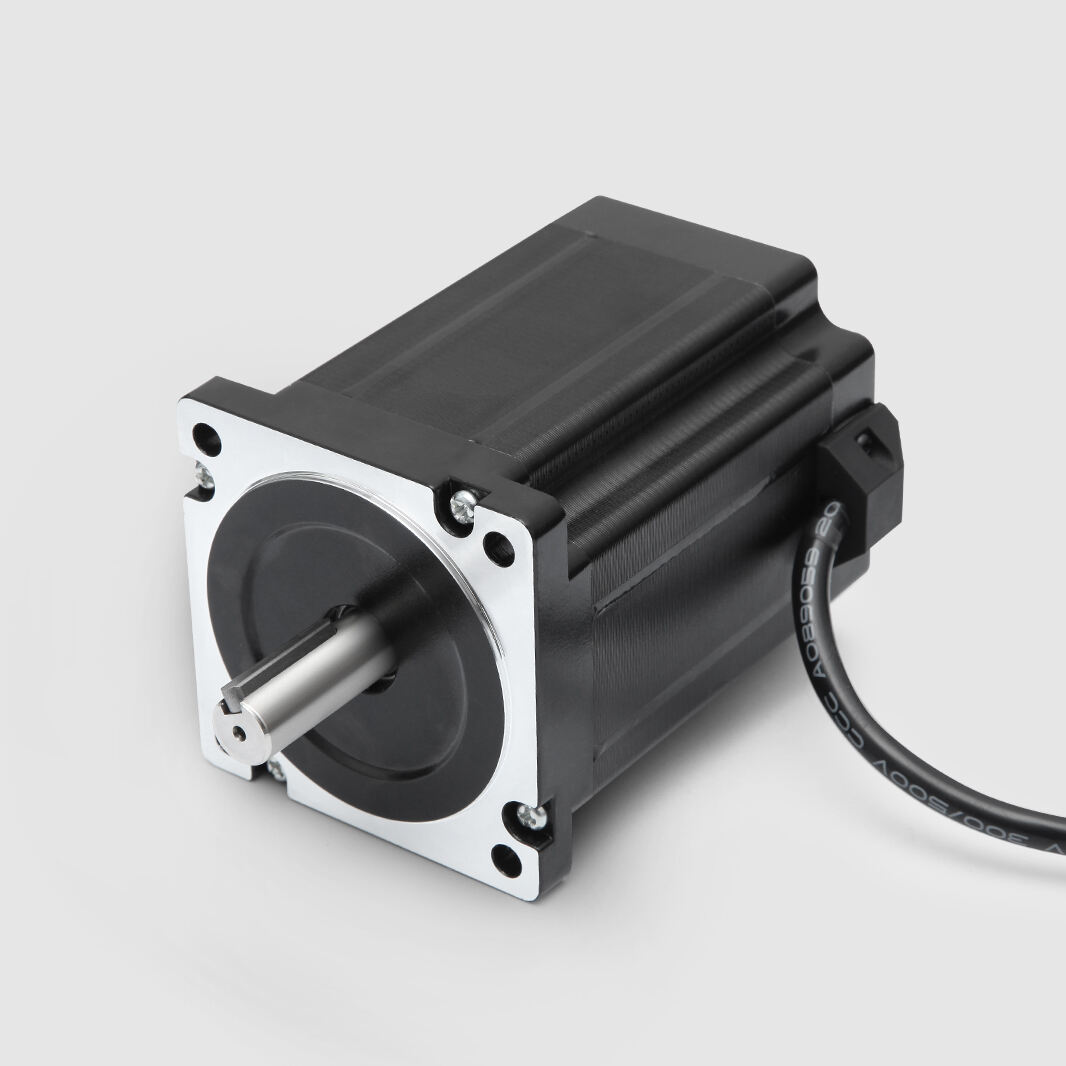
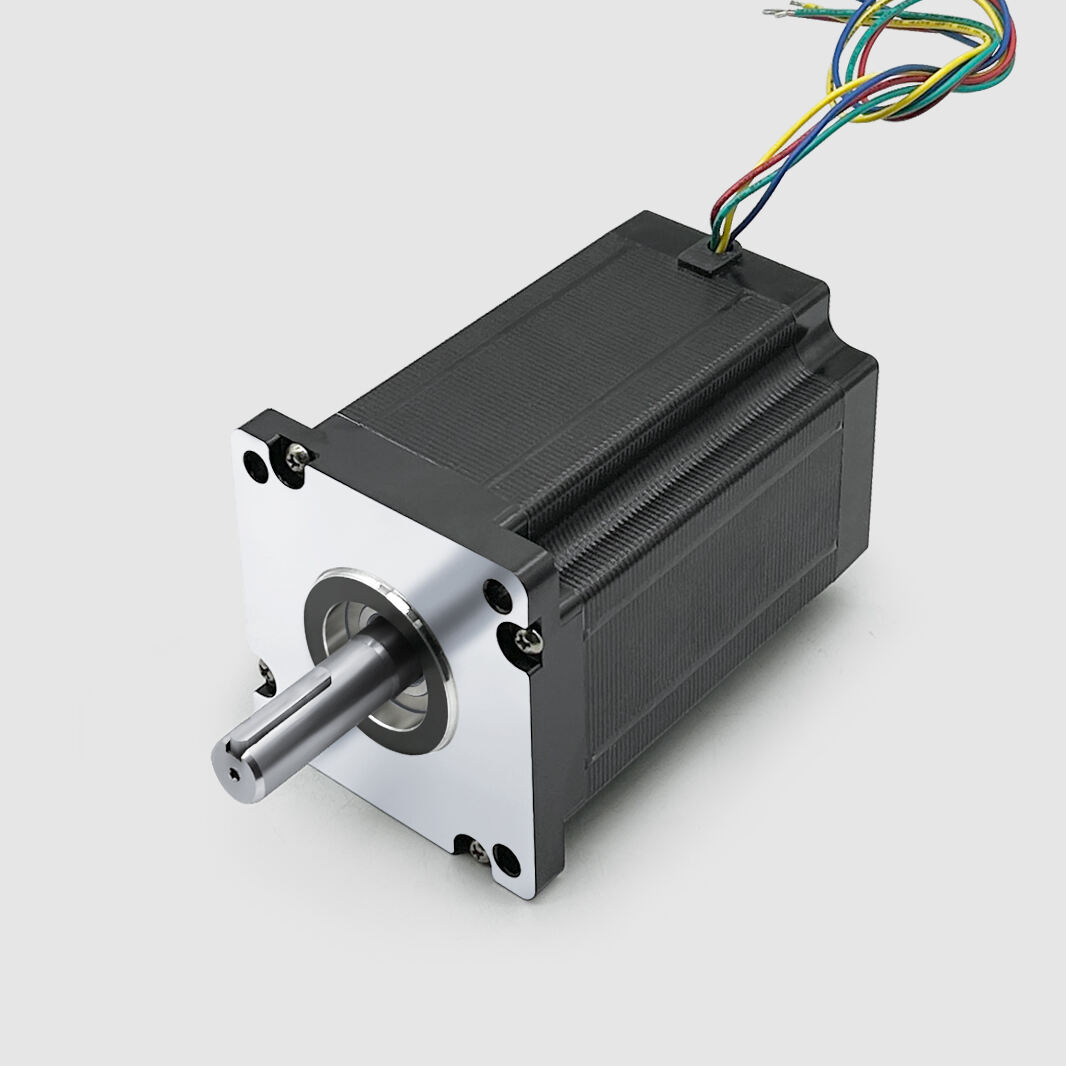
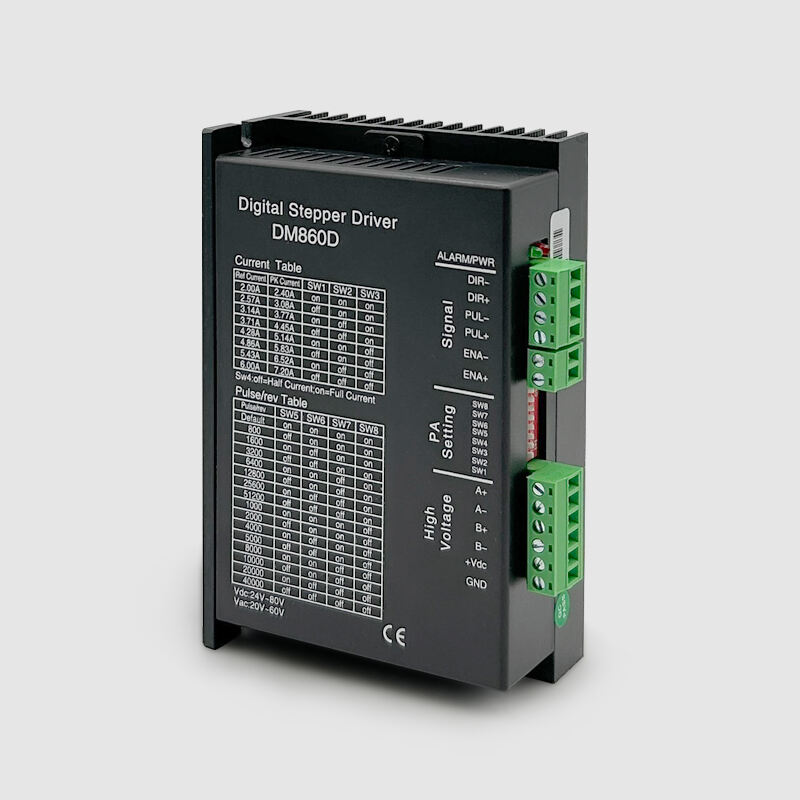
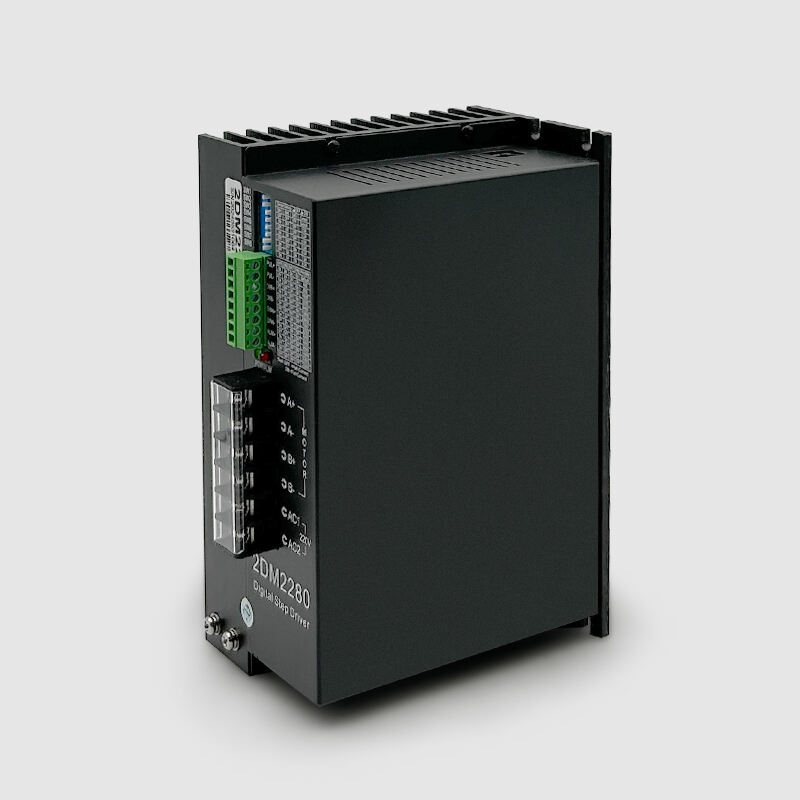
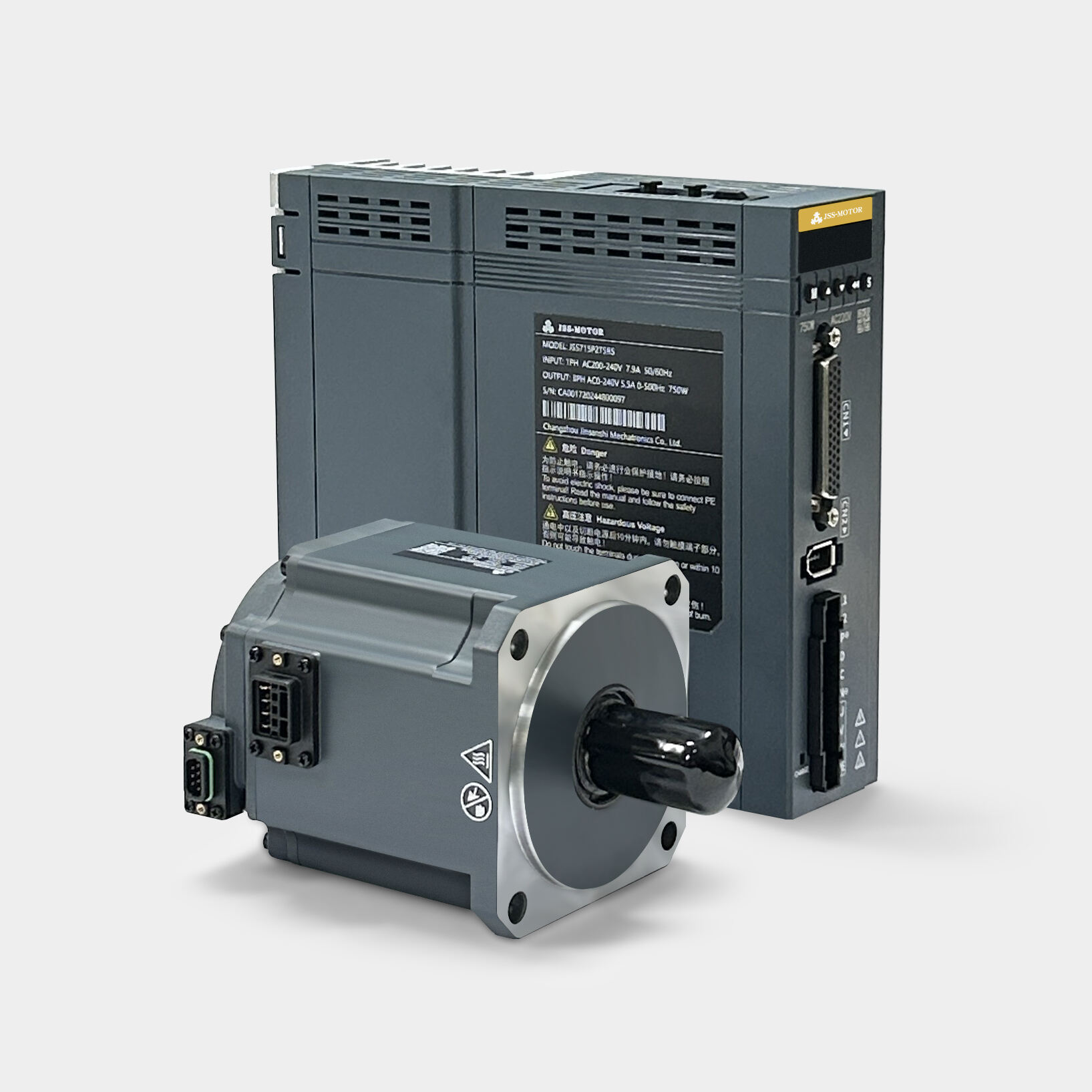
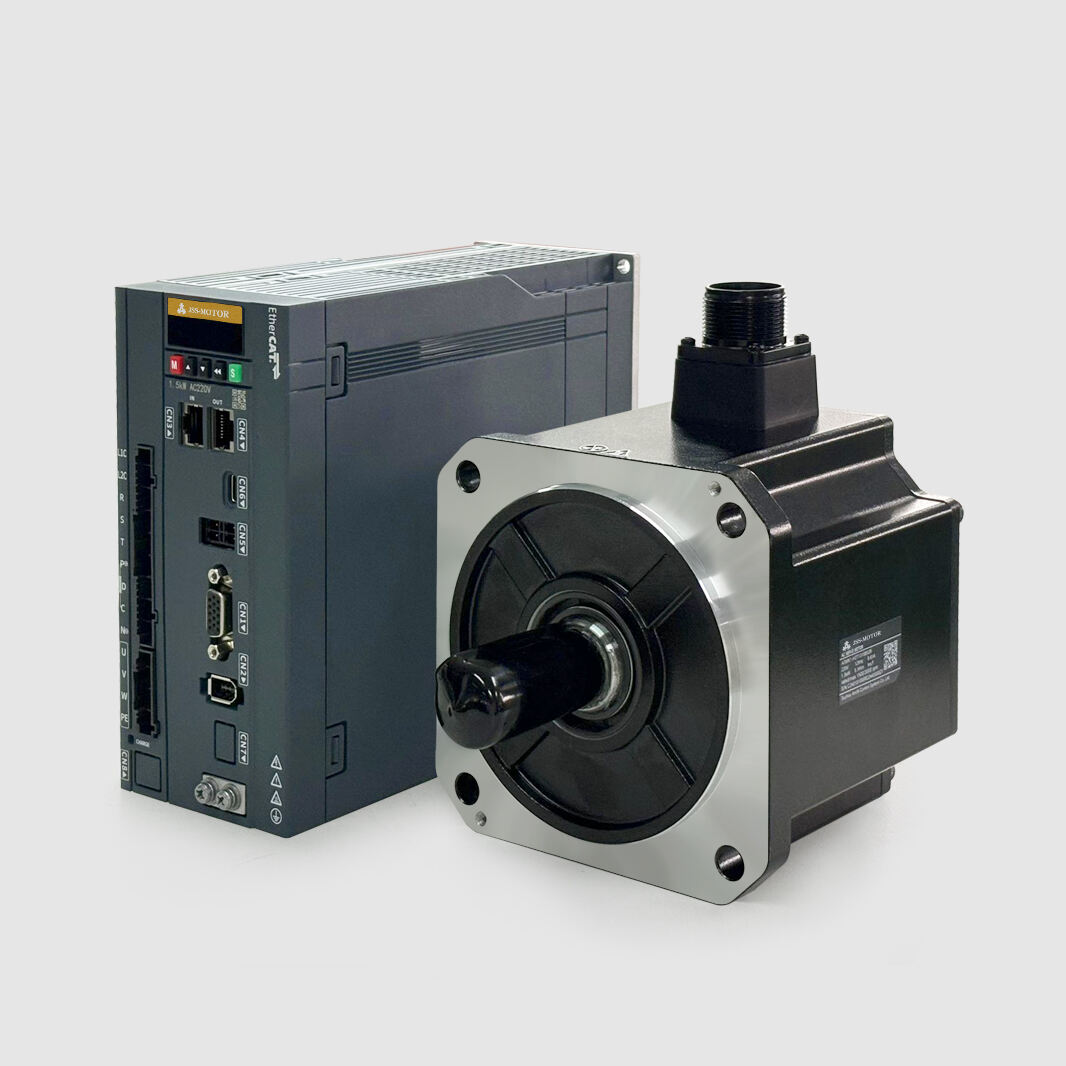
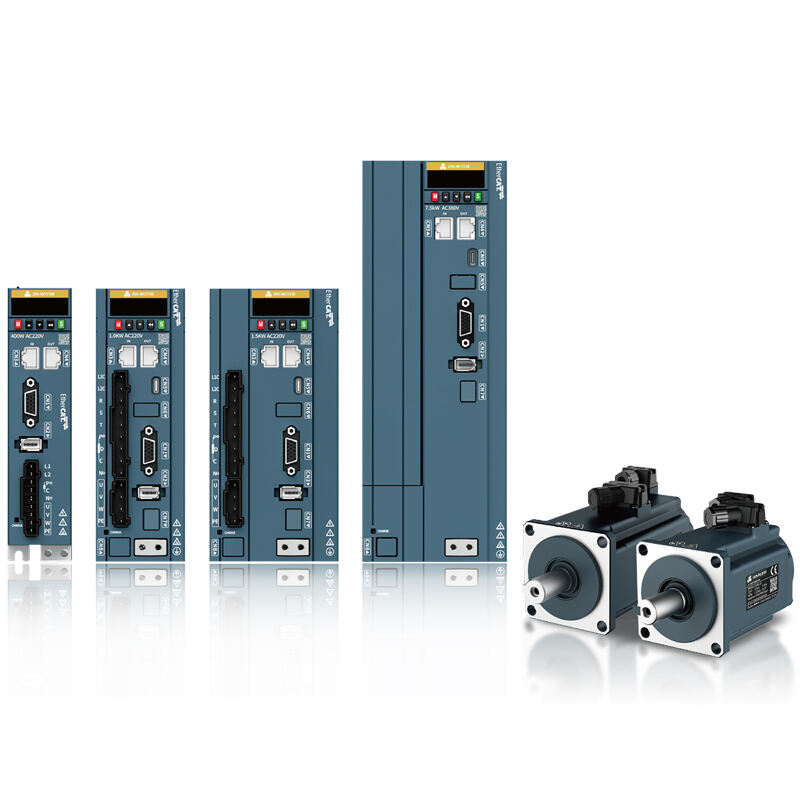
The AC servo system represents a sophisticated motion control technology that delivers precise positioning, speed regulation, and torque management across diverse industrial applications. This advanced automation solution combines alternating current motors with intelligent feedback mechanisms to achieve exceptional accuracy and responsiveness in mechanical operations. The AC servo system fundamentally operates through closed-loop control principles, utilizing encoders or resolvers to continuously monitor motor position and velocity, then adjusting output parameters to maintain desired performance specifications. The system architecture typically includes a servo amplifier, AC servo motor, feedback device, and controller interface that work harmoniously to execute complex motion profiles. Modern AC servo systems incorporate digital signal processing capabilities, enabling real-time parameter adjustment and adaptive control algorithms that optimize performance under varying load conditions. These systems excel in applications requiring high dynamic response, such as CNC machining centers, robotic automation, packaging machinery, and precision manufacturing equipment. The technological foundation of AC servo systems relies on permanent magnet synchronous motors or induction motors, each offering distinct advantages depending on application requirements. Permanent magnet designs provide superior power density and efficiency, while induction variants offer robust construction and cost-effectiveness for demanding environments. Advanced AC servo systems feature programmable motion controllers with built-in safety functions, communication protocols, and diagnostic capabilities that streamline system integration and maintenance procedures. The flexibility of AC servo technology allows seamless integration with industrial networks including EtherCAT, Profinet, and Modbus, facilitating comprehensive factory automation solutions. Energy efficiency remains a critical advantage, as modern AC servo systems incorporate regenerative braking capabilities that recover kinetic energy during deceleration phases, reducing overall power consumption and heat generation within industrial facilities.

New Product Recommendations

AC servo systems deliver exceptional performance benefits that directly translate into improved productivity and operational efficiency for manufacturing operations. The primary advantage lies in their superior precision capabilities, with typical positioning accuracy reaching sub-micron levels that ensure consistent product quality and reduced waste in critical manufacturing processes. This precision stems from advanced feedback control algorithms that continuously monitor and correct motor position, eliminating cumulative positioning errors that plague traditional stepper motor systems. The high-speed response characteristics of AC servo systems enable rapid acceleration and deceleration cycles, significantly reducing cycle times in automated production lines while maintaining smooth motion profiles that protect delicate components and extend equipment lifespan. Energy efficiency represents another compelling advantage, as AC servo systems consume power only when generating motion or holding position against external forces, unlike conventional systems that maintain continuous power draw regardless of operational status. The regenerative braking capability further enhances energy savings by capturing kinetic energy during deceleration phases and returning it to the power supply, reducing facility energy costs and minimizing heat generation that could affect sensitive manufacturing processes. Reliability and durability constitute major operational advantages, with AC servo systems featuring brushless motor designs that eliminate wear components and reduce maintenance requirements compared to brushed DC alternatives. The absence of brushes eliminates spark generation and electromagnetic interference, making AC servo systems ideal for sensitive electronic environments and explosive atmospheres where safety remains paramount. Flexible programming options allow operators to customize motion profiles, acceleration curves, and positioning parameters to match specific application requirements without mechanical modifications, reducing setup time and enabling rapid product changeovers. Advanced diagnostic capabilities provide real-time system health monitoring, predictive maintenance alerts, and detailed performance analytics that help prevent unexpected downtime and optimize maintenance scheduling. The scalability of AC servo systems accommodates applications ranging from small precision instruments to large industrial machinery, with power ratings spanning from fractional horsepower units to multi-megawatt installations. Integration flexibility allows seamless connectivity with existing control systems through standard industrial communication protocols, enabling comprehensive automation solutions without extensive infrastructure modifications.

Latest News

2025 Step Motor Guide: Types, Features & Applications

20

Oct

2025 Step Motor Guide: Types, Features & Applications

Understanding Modern Step Motor Technology Step motors have revolutionized precision motion control across numerous industries, from manufacturing to medical devices. These versatile devices convert electrical pulses into precise mechanical movements...
View More
How to Choose the Right Step Motor for Your Project

20

Oct

How to Choose the Right Step Motor for Your Project

Understanding the Fundamentals of Step Motor Technology Step motors, also known as stepper motors, are the workhorses of precision motion control in modern automation and engineering. These versatile devices convert electrical pulses into precise mec...
View More
10 Benefits of Brushless DC Motors in Modern Industry

12

Dec

10 Benefits of Brushless DC Motors in Modern Industry

Industrial automation continues to evolve at an unprecedented pace, driving demand for more efficient and reliable motor technologies. Among the most significant advancements in this field is the widespread adoption of brushless dc motor systems, whi...
View More
Closed Loop Stepper Motor: Benefits for Automation

12

Dec

Closed Loop Stepper Motor: Benefits for Automation

Modern automation systems demand precise motion control that delivers consistent performance across diverse industrial applications. Traditional open-loop stepper motors have long served as workhorses in manufacturing environments, but the evolution ...
View More

Get a Free Quote

Our representative will contact you soon.
Email
Name
Company Name
WhatsApp
Mobile
Message
0/1000

ac servo system

Unmatched Precision Control for Critical Applications

Unmatched Precision Control for Critical Applications

The AC servo system delivers extraordinary precision control that revolutionizes manufacturing processes requiring exact positioning and smooth motion characteristics. This precision advantage stems from sophisticated closed-loop control technology that continuously monitors actual motor position through high-resolution encoders, comparing real-time feedback against commanded positions to maintain accuracy within micrometers. Unlike open-loop stepper systems that can lose steps under load variations, AC servo systems actively compensate for disturbances and maintain precise positioning regardless of external forces or varying load conditions. The advanced control algorithms incorporate velocity feedforward, acceleration feedforward, and disturbance rejection techniques that anticipate motion requirements and proactively adjust motor output to minimize following errors during dynamic operations. This precision capability proves invaluable in applications such as semiconductor manufacturing, where wafer positioning accuracy directly impacts product yield and quality. Medical device production benefits enormously from AC servo precision, ensuring critical component alignment and assembly accuracy that meets stringent regulatory requirements. The smooth motion characteristics eliminate vibration and mechanical stress that could damage sensitive components or create surface finish imperfections in machined parts. Advanced AC servo systems feature programmable motion profiles that allow engineers to customize acceleration curves, velocity limits, and jerk control parameters to optimize performance for specific applications while maintaining exceptional accuracy throughout the entire motion envelope. The precision benefits extend beyond simple positioning to include synchronized multi-axis coordination, enabling complex motion patterns such as electronic camming, gearing, and coordinated interpolation that would be impossible with conventional motor technologies. Real-time position monitoring provides continuous verification of system performance, with built-in error detection and correction mechanisms that automatically adjust for mechanical backlash, thermal expansion, and other factors that could compromise positioning accuracy. This level of precision control translates directly into improved product quality, reduced waste, and enhanced manufacturing efficiency that justifies the investment in AC servo technology for precision-critical applications.
Superior Energy Efficiency and Environmental Benefits

Superior Energy Efficiency and Environmental Benefits

The AC servo system demonstrates exceptional energy efficiency that delivers substantial cost savings and environmental benefits compared to traditional motor control technologies. This efficiency advantage originates from the precise power management capabilities that deliver exactly the required torque and speed for each application phase, eliminating wasteful energy consumption during idle periods or light-load conditions. Traditional motor systems often operate at fixed speeds with mechanical throttling or continuous power draw, while AC servo systems dynamically adjust power consumption to match real-time load requirements, resulting in energy savings of 30-50% in typical industrial applications. The regenerative braking feature represents a breakthrough in energy recovery technology, capturing kinetic energy during deceleration phases and returning it to the electrical supply system rather than dissipating it as heat through mechanical brakes or resistive elements. This energy recovery capability proves particularly valuable in applications with frequent start-stop cycles, such as material handling systems, elevators, and automated packaging equipment, where substantial energy savings accumulate over continuous operation periods. The high power factor and low harmonic distortion characteristics of modern AC servo drives reduce electrical infrastructure stress and improve overall facility power quality, potentially eliminating the need for power factor correction equipment and reducing electrical utility penalties. Advanced power management features include sleep modes that minimize standby power consumption, intelligent motor heating algorithms that prevent condensation damage while minimizing energy use, and adaptive control parameters that automatically optimize efficiency based on operating conditions. The reduced heat generation from efficient AC servo operation decreases cooling requirements in industrial facilities, providing secondary energy savings through reduced HVAC loads and improved working conditions for personnel and sensitive equipment. Environmental benefits extend beyond direct energy savings to include reduced carbon footprint from lower electricity consumption, decreased waste heat generation, and longer equipment lifespan that reduces manufacturing resource consumption and disposal requirements. The efficiency improvements contribute to sustainable manufacturing initiatives while delivering immediate operational cost reductions that enhance competitive positioning in global markets.
Advanced Integration and Smart Connectivity Features

Advanced Integration and Smart Connectivity Features

The AC servo system excels in modern industrial environments through advanced integration capabilities and intelligent connectivity features that enable comprehensive automation solutions and Industry 4.0 implementations. These integration advantages begin with extensive communication protocol support, including EtherCAT, Profinet, Modbus TCP, CANopen, and proprietary fieldbus systems that ensure seamless connectivity with existing control infrastructure without requiring expensive system overhauls or compatibility modifications. The plug-and-play configuration capabilities streamline installation procedures, with automatic motor parameter detection, self-tuning algorithms, and guided setup wizards that reduce commissioning time from hours to minutes while ensuring optimal performance parameters. Advanced AC servo systems incorporate embedded web servers that provide remote monitoring, diagnostics, and configuration capabilities through standard web browsers, eliminating the need for specialized software or on-site technical visits for routine maintenance and troubleshooting activities. Real-time data streaming capabilities enable predictive maintenance programs by continuously monitoring critical parameters such as motor temperature, vibration signatures, current consumption patterns, and positioning accuracy trends that indicate developing maintenance needs before failures occur. The integrated safety features comply with international standards including SIL3 and PLe requirements, providing safe torque-off, safe brake control, and monitored safety functions that eliminate the need for external safety relays and reduce cabinet complexity while ensuring comprehensive personnel protection. Cloud connectivity options enable remote system monitoring, performance analytics, and fleet management capabilities that allow facility managers to optimize operations across multiple locations while maintaining centralized control and standardized performance metrics. The scalable architecture accommodates future expansion through modular design principles, with standardized mounting dimensions, common wiring interfaces, and software compatibility that simplifies system upgrades and capacity increases without disrupting existing operations. Machine learning capabilities in advanced AC servo systems enable adaptive performance optimization, automatically adjusting control parameters based on operational history and environmental conditions to maintain peak efficiency and minimize wear over extended service periods. The comprehensive diagnostic capabilities provide detailed fault analysis, maintenance scheduling recommendations, and performance trending data that support data-driven decision making and continuous improvement initiatives throughout manufacturing operations.

+86-13401517369
[email protected]

Get a Free Quote

Our representative will contact you soon.
Email
Name
Company Name
WhatsApp
Mobile
Message
0/1000

Copyright © 2026 Changzhou Jinsanshi Mechatronics Co., Ltd. All rights reserved.  -  Privacy policy