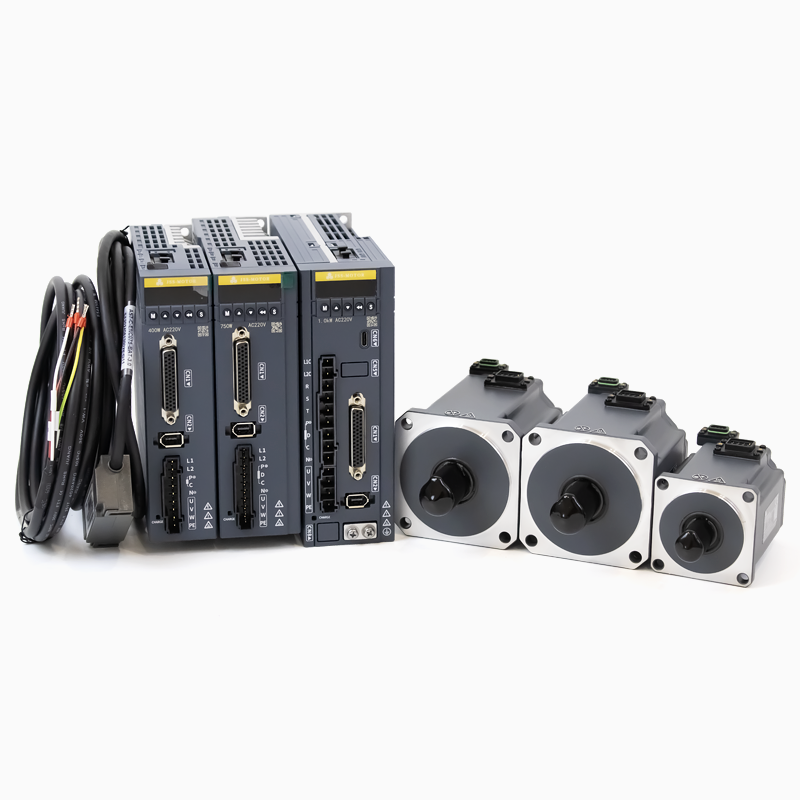
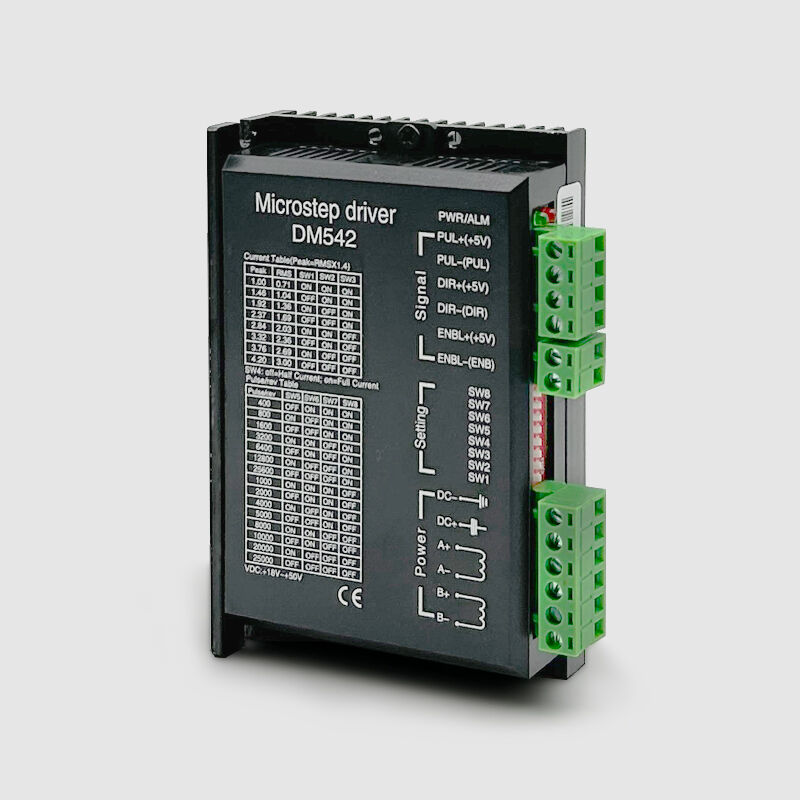
Advanced Closed Loop Stepper Motor Driver: Precision Control with Intelligent Feedback Technology

Get a Free Quote

Our representative will contact you soon.
Email
Name
Company Name
WhatsApp
Mobile
Message
0/1000

closed loop stepper motor driver

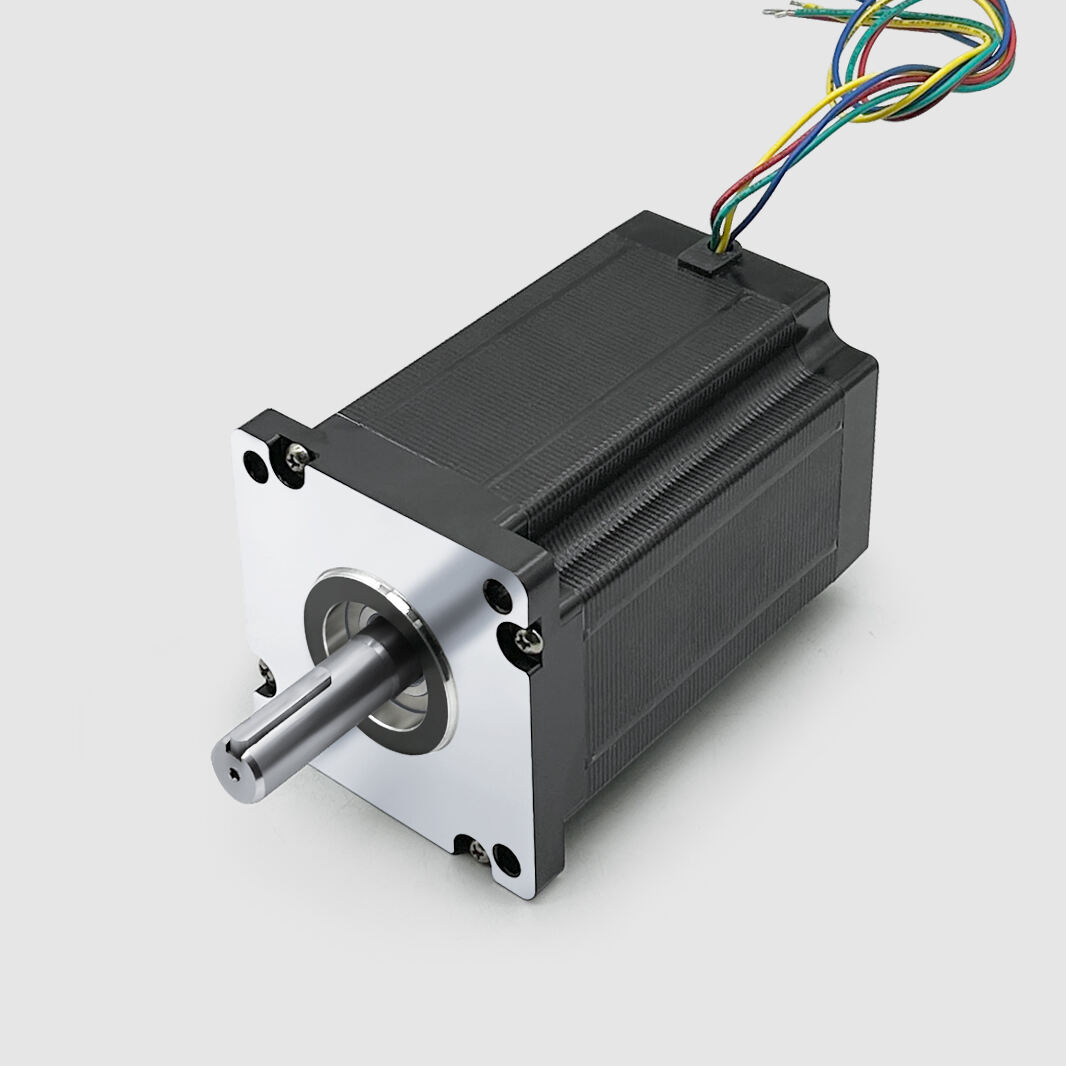
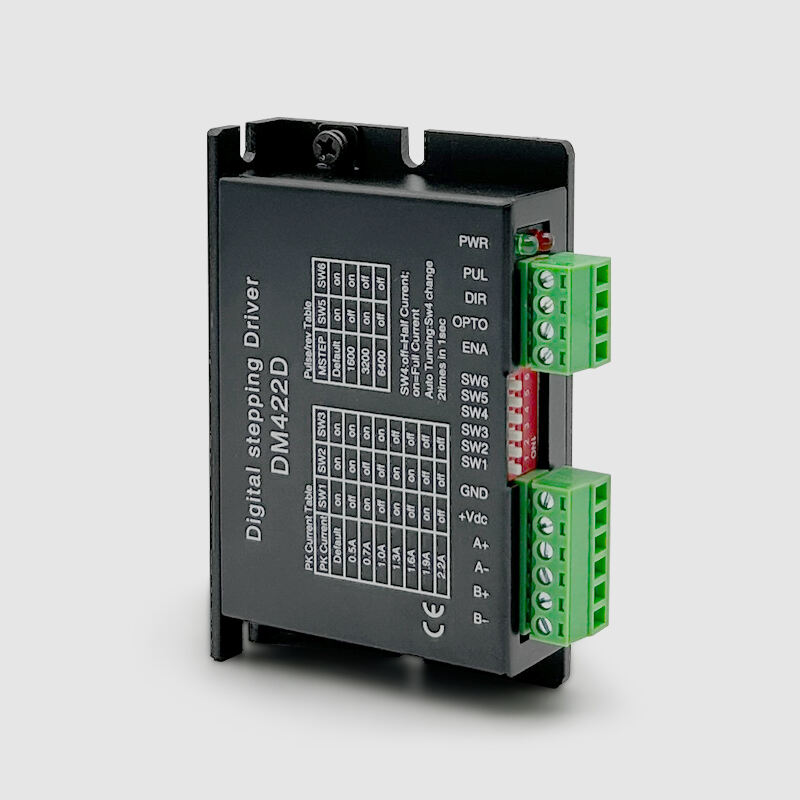
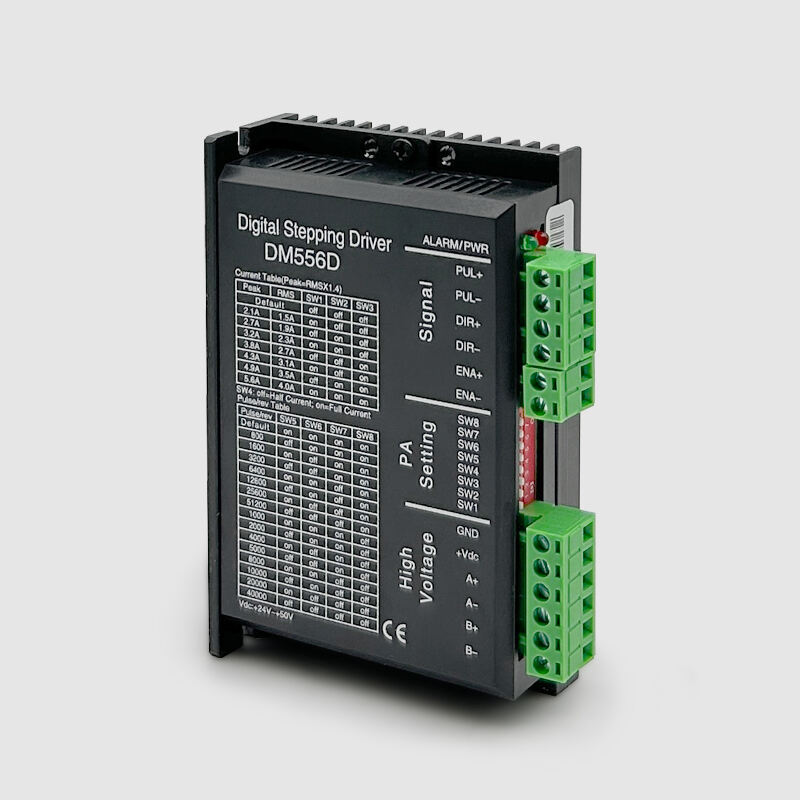
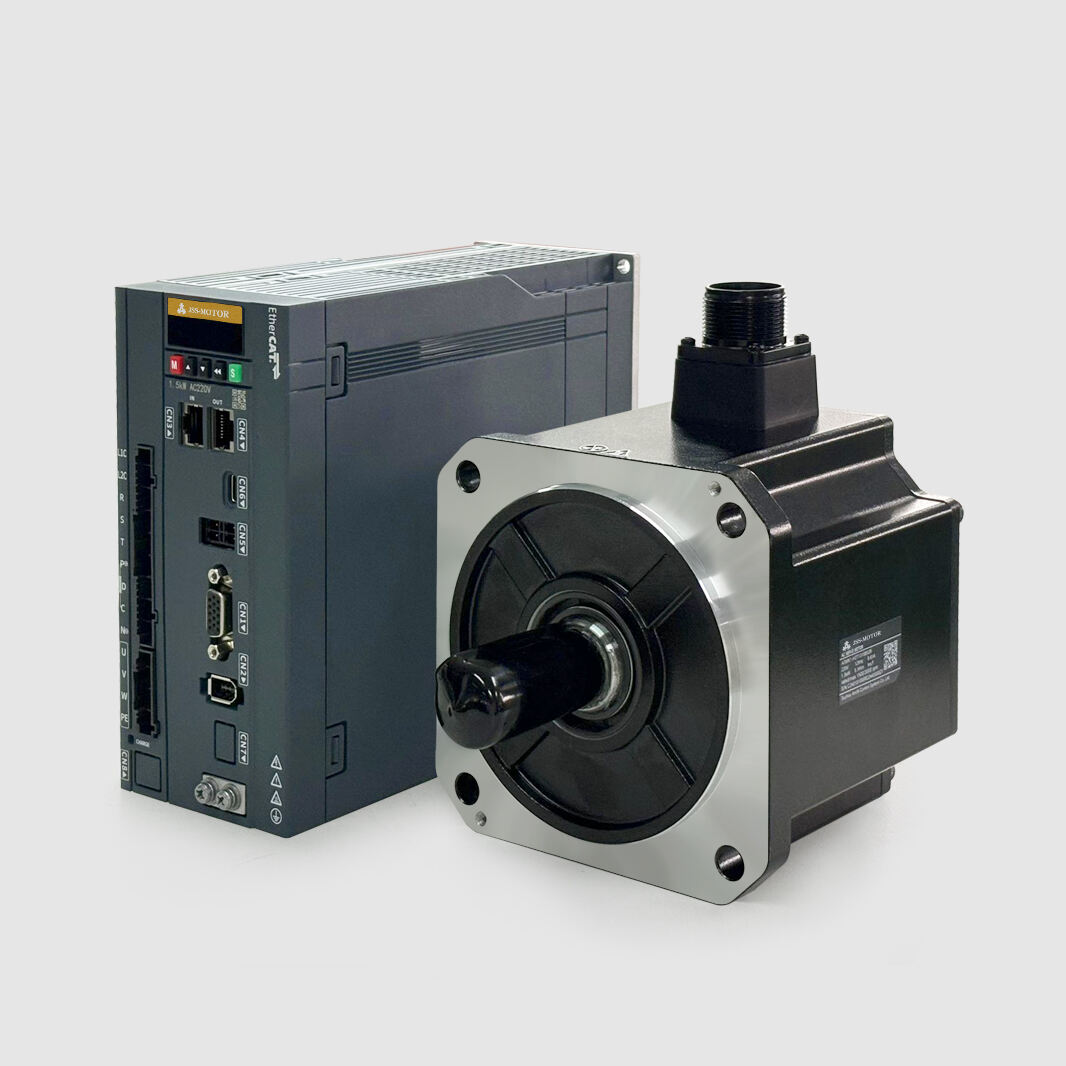
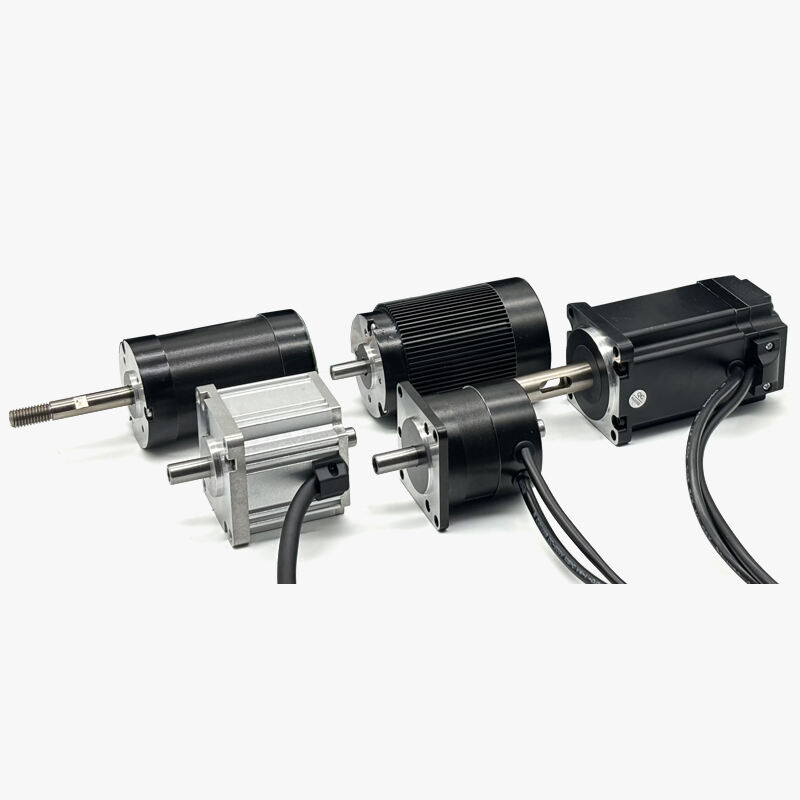
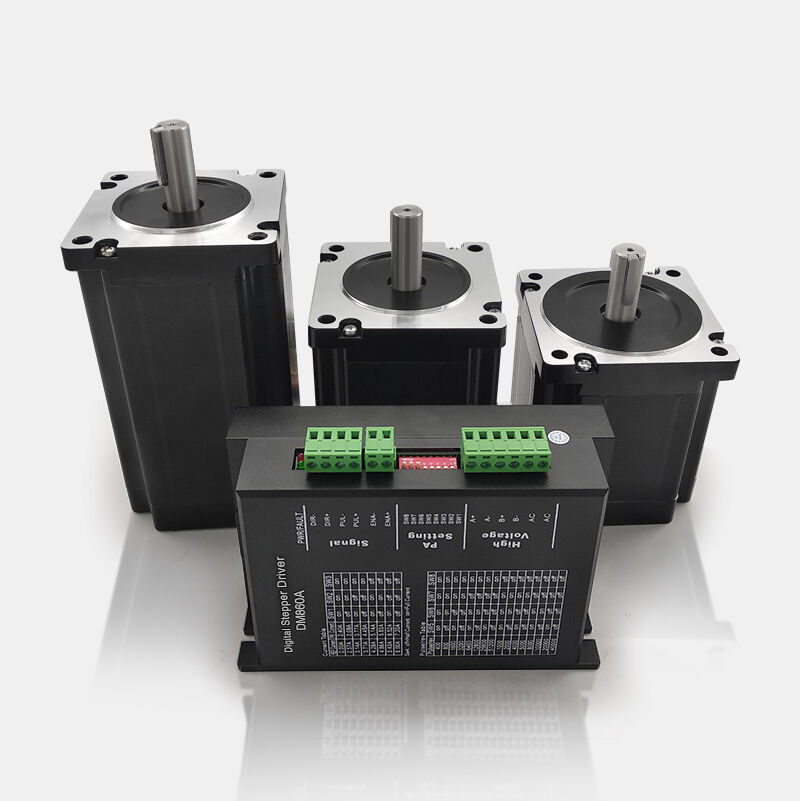
A closed loop stepper motor driver represents a sophisticated advancement in motor control technology, combining the precision of traditional stepper motors with intelligent feedback systems for enhanced performance and reliability. Unlike conventional open-loop stepper motor drivers that operate without position verification, the closed loop stepper motor driver incorporates encoder feedback to continuously monitor and correct motor position, ensuring accurate positioning even under varying load conditions. This innovative technology fundamentally transforms how stepper motors operate by creating a self-correcting system that adapts to real-world conditions. The main functions of a closed loop stepper motor driver include position monitoring through encoder feedback, automatic error correction, stall detection and prevention, and dynamic torque adjustment based on load requirements. The driver processes encoder signals in real-time, comparing actual motor position with commanded position to identify and correct any deviations instantly. Technologically, these drivers feature advanced microprocessor control, high-resolution encoder interfaces, adaptive current control algorithms, and comprehensive fault detection systems. The encoder feedback mechanism typically utilizes optical or magnetic encoders that provide precise position data back to the driver, enabling microsecond-level response times for position corrections. Applications for closed loop stepper motor driver systems span across numerous industries, including CNC machining centers where precise positioning is critical, 3D printing applications requiring consistent layer accuracy, medical equipment demanding reliable movement control, packaging machinery needing synchronized operations, and laboratory automation systems where repeatability is essential. Manufacturing environments particularly benefit from these drivers in assembly line automation, pick-and-place operations, and quality control systems. The closed loop stepper motor driver excels in applications where traditional stepper motors might lose steps due to mechanical interference, sudden load changes, or electrical disturbances, making it an ideal solution for mission-critical positioning tasks that cannot tolerate positioning errors.
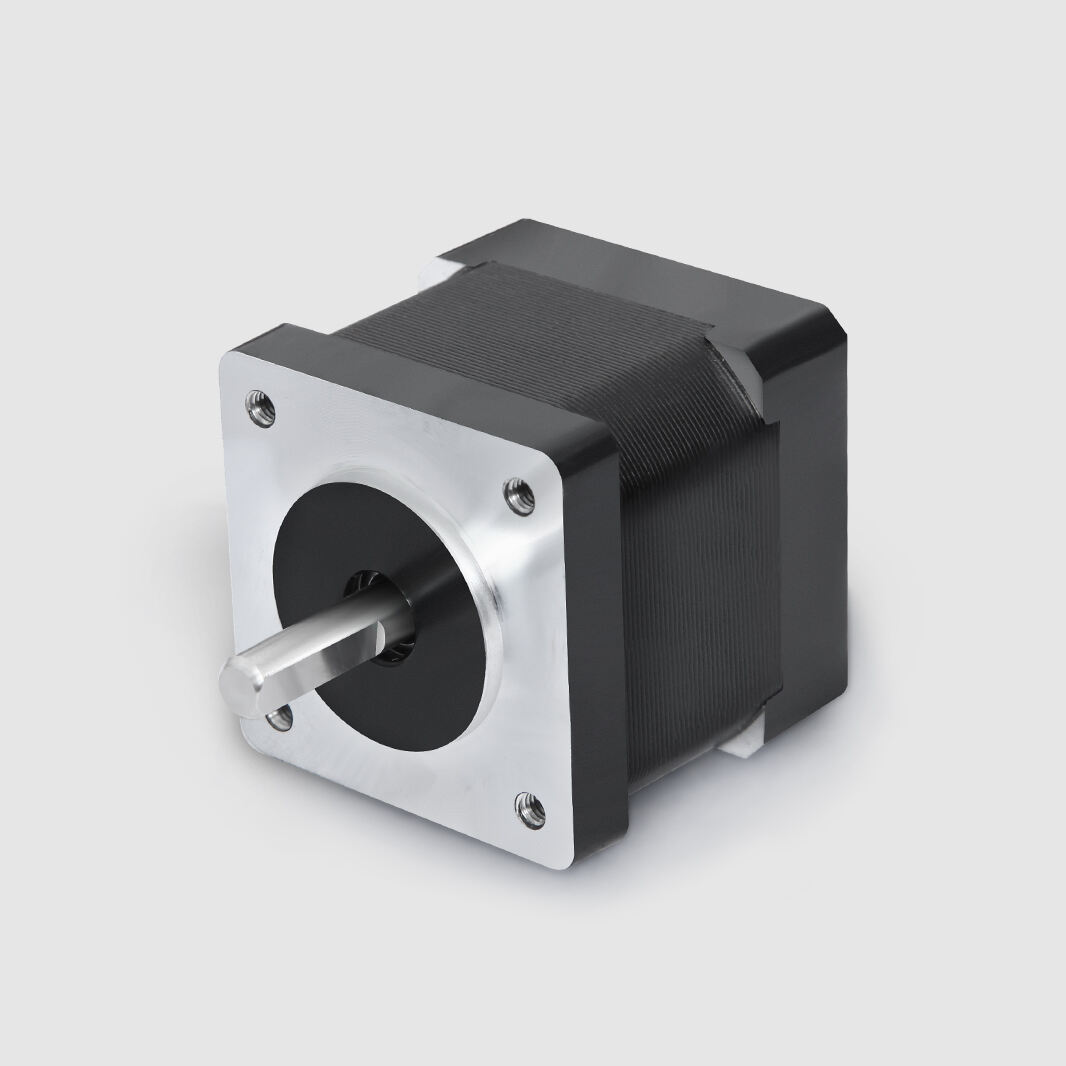
New Product Recommendations

The closed loop stepper motor driver delivers substantial benefits that directly impact operational efficiency and system reliability for users across various applications. These drivers eliminate step loss, which means your equipment maintains precise positioning even when unexpected load changes occur during operation. When mechanical obstructions or sudden load variations would cause traditional stepper motors to lose steps, the closed loop stepper motor driver automatically detects and corrects these deviations, ensuring your processes continue without interruption. Energy efficiency represents another significant advantage, as these drivers optimize power consumption by adjusting current levels based on actual load requirements rather than maintaining maximum current continuously. This intelligent power management reduces heat generation, extends motor life, and lowers electricity costs while maintaining superior performance. The adaptive torque feature allows the closed loop stepper motor driver to provide exactly the torque needed for each specific application, preventing wasted energy while ensuring adequate power for demanding tasks. Reduced vibration and noise levels make these drivers ideal for applications where quiet operation is essential, such as medical equipment or office environments. The smooth operation results from the driver's ability to maintain optimal motor control parameters automatically, eliminating the resonance issues common with traditional stepper systems. Faster acceleration and deceleration capabilities enable higher throughput in production environments, as the closed loop stepper motor driver can safely operate at higher speeds without losing position accuracy. This translates directly into increased productivity and shorter cycle times for manufacturing processes. The self-tuning capabilities of these drivers eliminate the need for manual parameter adjustment, saving significant installation and maintenance time. Users simply connect the system and begin operation, as the driver automatically configures optimal settings based on the connected motor and encoder specifications. Diagnostic capabilities provide valuable system health information, allowing preventive maintenance scheduling and reducing unexpected downtime. The closed loop stepper motor driver monitors system performance continuously, alerting operators to potential issues before they cause failures. Enhanced reliability stems from the continuous monitoring and correction capabilities, ensuring consistent performance over extended operating periods even in challenging industrial environments where temperature variations, vibrations, and electrical interference might affect traditional open-loop systems.

Tips And Tricks

Troubleshooting Common Servo Drive Problems

27

Nov

Troubleshooting Common Servo Drive Problems

Industrial automation systems rely heavily on the precise control and reliability of servo drives for optimal performance. A servo drive functions as the brain of motion control systems, converting command signals into precise motor movements. Unders...
View More
Servo Motor vs Stepper Motor: Key Differences Explained

27

Nov

Servo Motor vs Stepper Motor: Key Differences Explained

In the world of industrial automation and precision motion control, understanding the distinction between servo motors and stepper motors is crucial for engineers and system designers. A servo motor represents the pinnacle of precise motion control, ...
View More
2025 BLDC Motor Guide: Types, Benefits & Applications

12

Dec

2025 BLDC Motor Guide: Types, Benefits & Applications

Brushless DC motors have revolutionized modern industrial applications with their superior efficiency, reliability, and precision control capabilities. As we advance into 2025, understanding the intricacies of BLDC motor technology becomes crucial fo...
View More
Brushless DC Motor vs Brushed: Key Differences Explained

12

Dec

Brushless DC Motor vs Brushed: Key Differences Explained

Modern industrial applications increasingly demand precise motion control, efficiency, and reliability from their drive systems. The choice between a brushless DC motor and a traditional brushed motor can significantly impact performance, maintenance...
View More

Get a Free Quote

Our representative will contact you soon.
Email
Name
Company Name
WhatsApp
Mobile
Message
0/1000

closed loop stepper motor driver

Intelligent Position Feedback System

Intelligent Position Feedback System

The cornerstone feature of any closed loop stepper motor driver is its intelligent position feedback system, which revolutionizes traditional stepper motor control through continuous monitoring and real-time correction capabilities. This sophisticated system utilizes high-resolution encoders to provide precise position data back to the driver controller, creating a closed-loop control system that ensures absolute positioning accuracy regardless of external disturbances. The feedback mechanism operates by constantly comparing the commanded position with the actual motor position as reported by the encoder, identifying discrepancies instantly and implementing immediate corrective actions. This real-time monitoring capability means that even if mechanical obstructions, sudden load changes, or electrical interference attempts to disrupt normal motor operation, the closed loop stepper motor driver detects these issues within microseconds and automatically adjusts motor control parameters to maintain precise positioning. The encoder integration typically features optical or magnetic sensing technology capable of providing resolution levels up to 4096 counts per revolution or higher, enabling positioning accuracy that exceeds traditional open-loop stepper systems by several orders of magnitude. The feedback system also incorporates velocity monitoring, allowing the driver to optimize acceleration and deceleration profiles dynamically based on actual motor performance rather than predetermined parameters. This adaptive approach prevents overshoot conditions and reduces settling time, resulting in faster cycle times and improved overall system throughput. Additionally, the position feedback system enables advanced features such as electronic gearing, where multiple axes can be synchronized precisely, and flying shear applications where cutting or processing operations must be coordinated with moving materials. The system's ability to detect and compensate for mechanical backlash, thermal expansion effects, and wear-related positioning drift ensures consistent performance throughout the equipment's operational lifetime. For users, this translates into reduced maintenance requirements, eliminated periodic recalibration procedures, and confidence that positioning accuracy remains consistent from the first operation through millions of cycles. The intelligent feedback system also provides valuable diagnostic information, including position error trends, velocity profiles, and system health indicators that enable predictive maintenance strategies and help optimize overall system performance.
Advanced Stall Detection and Recovery

Advanced Stall Detection and Recovery

The advanced stall detection and recovery feature of the closed loop stepper motor driver provides unparalleled protection against motor stall conditions while ensuring continuous operation in challenging applications. Traditional stepper motor systems are vulnerable to stall conditions that can occur when mechanical loads exceed motor torque capabilities, electrical supply issues interrupt power delivery, or mechanical obstructions prevent normal motor rotation. When stalls occur in open-loop systems, the motor loses synchronization permanently, requiring system shutdown and manual repositioning to restore proper operation. The closed loop stepper motor driver eliminates these concerns through sophisticated stall detection algorithms that monitor motor performance continuously and implement automatic recovery procedures when stall conditions are identified. The stall detection system operates by analyzing encoder feedback signals and comparing actual motor movement with commanded motion profiles, identifying stall conditions within milliseconds of their occurrence. When the system detects insufficient motor rotation relative to command signals, it immediately increases torque output and adjusts control parameters to overcome the obstruction or load condition causing the stall. If initial recovery attempts prove insufficient, the driver can implement alternative strategies such as brief reverse motion to clear mechanical obstructions, temporary speed reduction to allow time for load conditions to normalize, or coordinated multi-axis motion to redistribute mechanical stresses across multiple motor systems. The recovery algorithms are programmable, allowing users to customize stall response behaviors based on specific application requirements and operational constraints. For critical applications, the system can trigger alarm outputs to alert operators while continuing recovery attempts, ensuring that human intervention occurs only when absolutely necessary. The stall detection sensitivity is adjustable, enabling optimization for different load conditions and mechanical environments. In applications with variable loads, the system learns normal operating patterns and distinguishes between acceptable load variations and genuine stall conditions, minimizing false alarms while maintaining robust protection capabilities. The automatic recovery feature significantly reduces downtime in industrial applications, as systems can continue operating through temporary obstruction conditions that would otherwise require manual intervention. This capability is particularly valuable in unattended operations, remote installations, or continuous process applications where system interruptions result in significant productivity losses or product quality issues.
Dynamic Load Optimization and Energy Efficiency

Dynamic Load Optimization and Energy Efficiency

The dynamic load optimization and energy efficiency capabilities of the closed loop stepper motor driver represent a paradigm shift in motor control technology, delivering substantial operational cost savings while improving system performance and extending equipment lifespan. Traditional stepper motor drivers operate at fixed current levels regardless of actual load requirements, resulting in significant energy waste and unnecessary heat generation during light-load operations. The closed loop stepper motor driver overcomes these limitations through intelligent current control algorithms that continuously adjust motor current based on real-time load conditions and positioning requirements. This adaptive approach ensures that the motor receives precisely the amount of current needed to maintain position and execute commanded movements, eliminating energy waste while preserving full torque capability when demanding applications require maximum motor performance. The load optimization system monitors encoder feedback to determine actual motor loading conditions, analyzing factors such as acceleration rates, steady-state holding requirements, and dynamic load variations to calculate optimal current levels for each operating condition. During idle periods, the system reduces holding current to minimal levels while maintaining sufficient torque to prevent position drift, resulting in substantial energy savings and reduced motor heating. When high-torque operations are required, the system instantly increases current to maximum levels, ensuring that performance never compromises efficiency optimization. The energy efficiency benefits extend beyond simple current reduction, as the optimized operation reduces motor heating, which in turn decreases cooling system requirements and extends motor bearing and winding life significantly. Heat reduction also enables higher power density installations where multiple motors operate in confined spaces, as thermal management becomes less critical when individual motors generate less waste heat. The dynamic optimization algorithms learn from operational patterns, developing predictive models that anticipate load requirements and pre-adjust current levels before demanding operations begin, minimizing response delays while maximizing efficiency gains. For users, these efficiency improvements translate directly into reduced electricity costs, particularly in applications involving multiple motors operating continuously. Manufacturing facilities with dozens or hundreds of stepper motor systems can realize substantial energy cost reductions while improving overall system reliability through reduced thermal stress on motor components. The extended equipment lifespan resulting from optimized operation provides additional cost benefits through reduced replacement frequency and maintenance requirements, making the closed loop stepper motor driver an investment that continues delivering value throughout its operational lifetime.
+86-13401517369
[email protected]

Get a Free Quote

Our representative will contact you soon.
Email
Name
Company Name
WhatsApp
Mobile
Message
0/1000

Copyright © 2026 Changzhou Jinsanshi Mechatronics Co., Ltd. All rights reserved.  -  Privacy policy