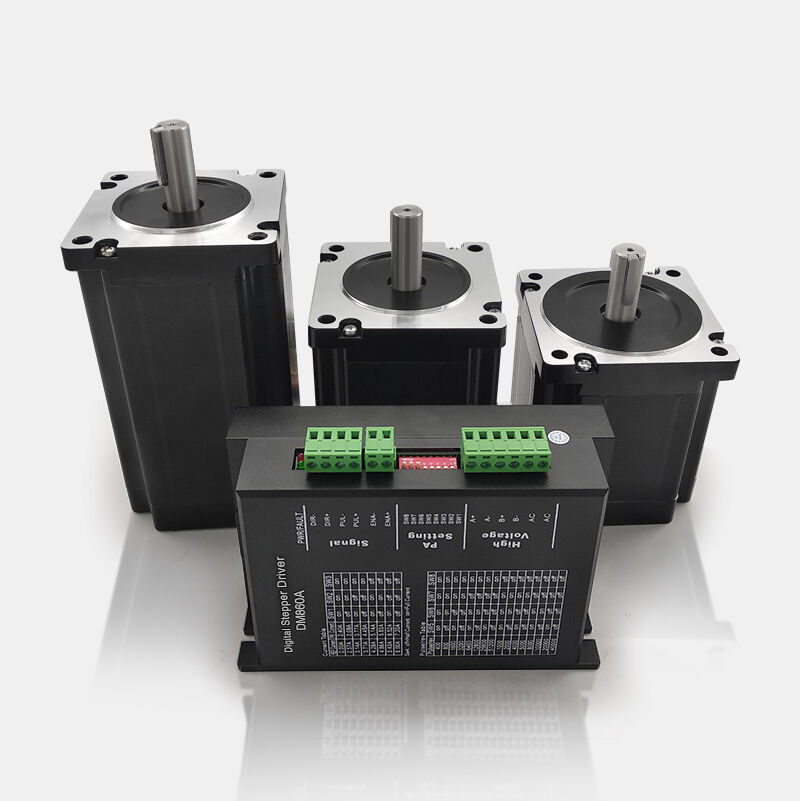
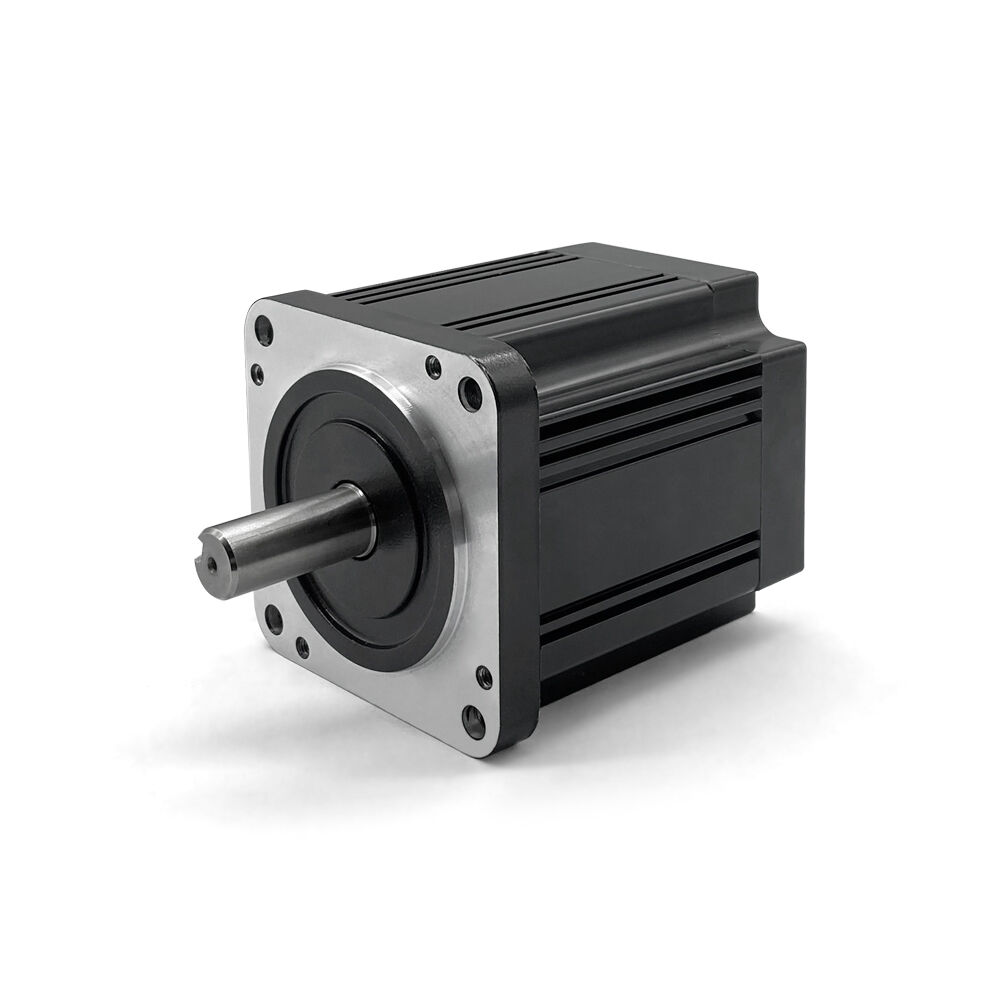
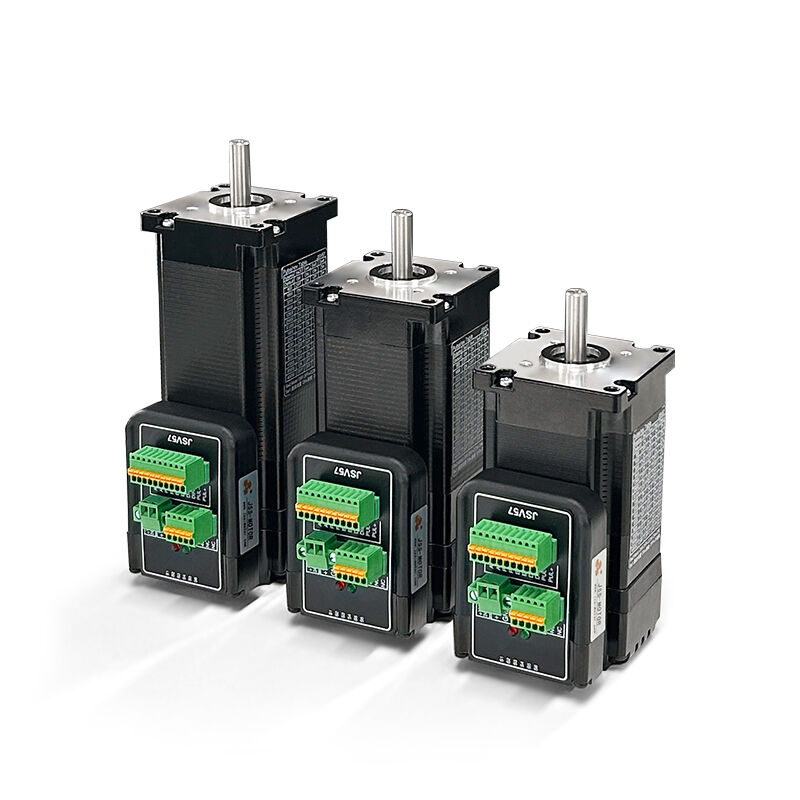
Quiet Stepper Driver: Advanced Motor Control Technology for Silent, Precise Operation

Get a Free Quote

Our representative will contact you soon.
Email
Name
Company Name
WhatsApp
Mobile
Message
0/1000

quiet stepper driver

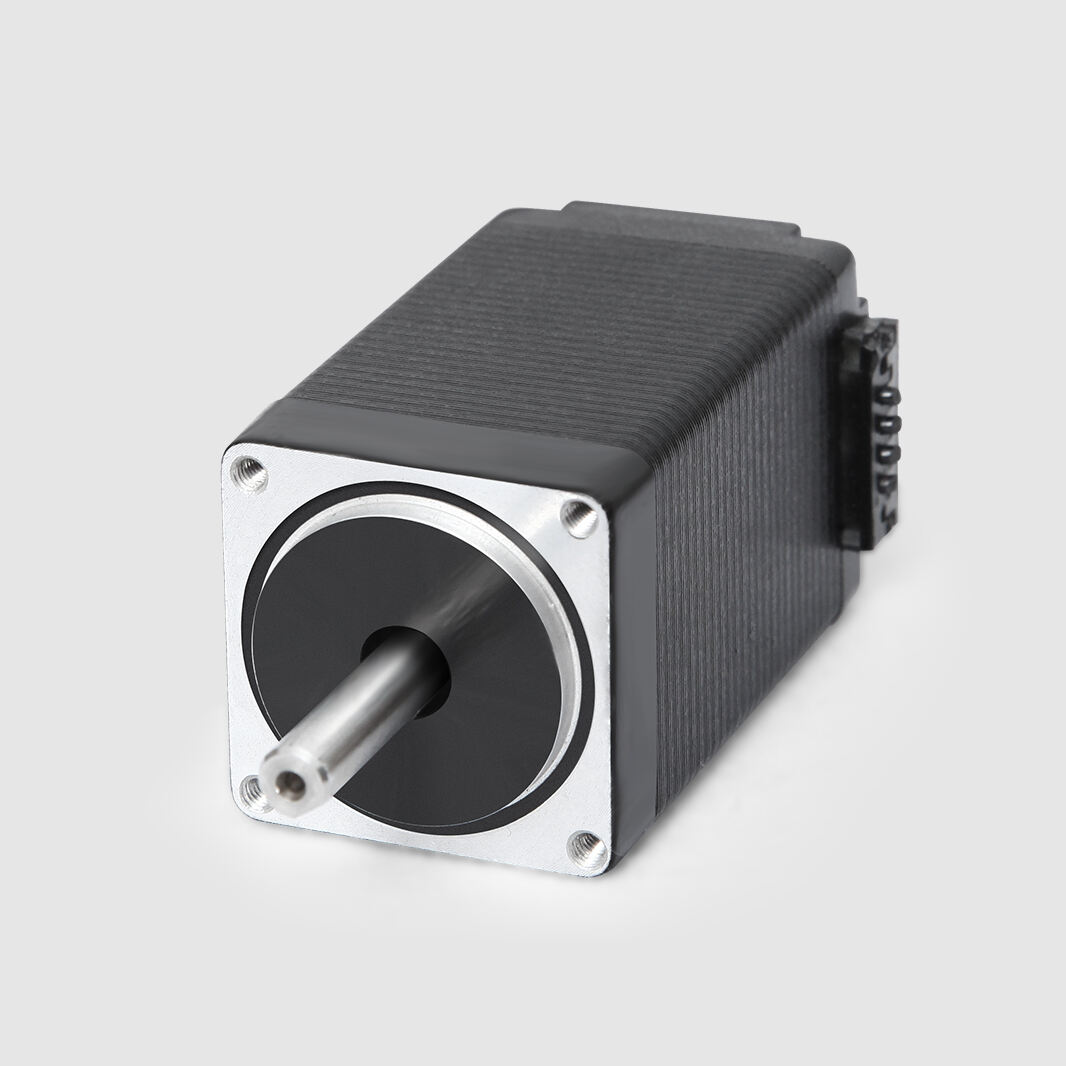
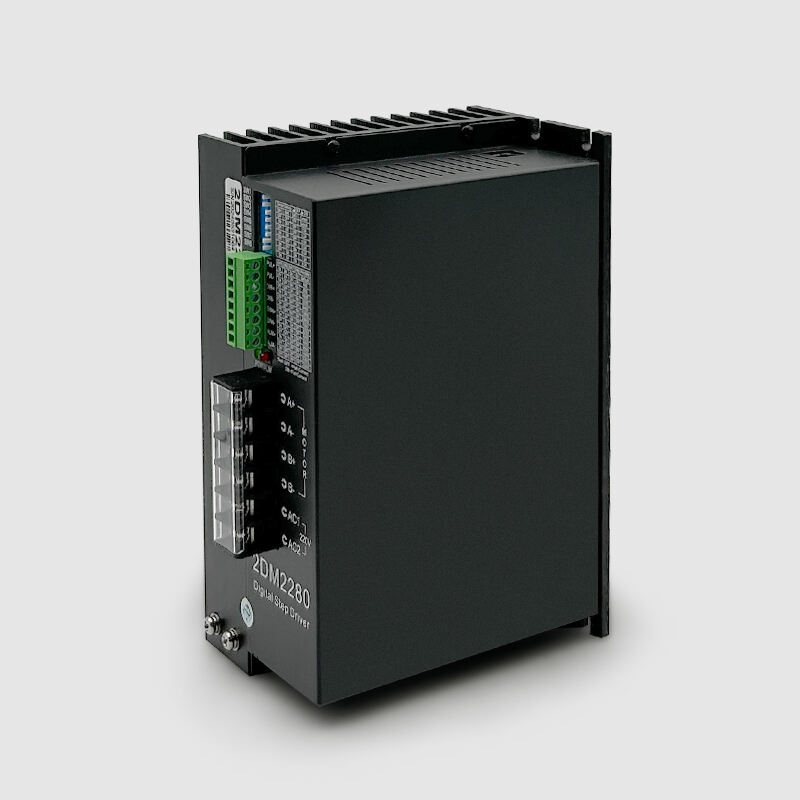
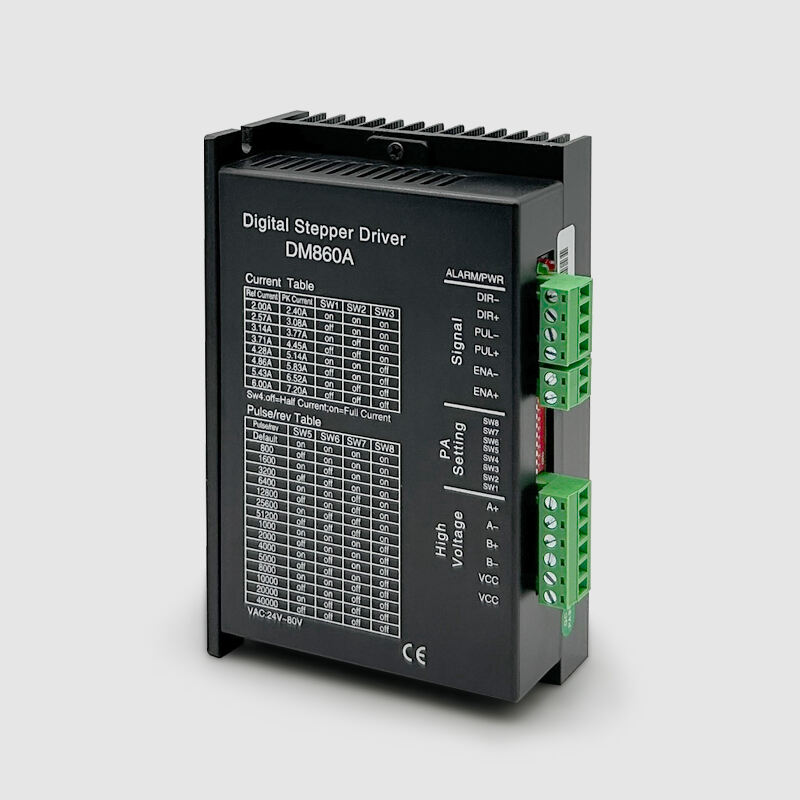
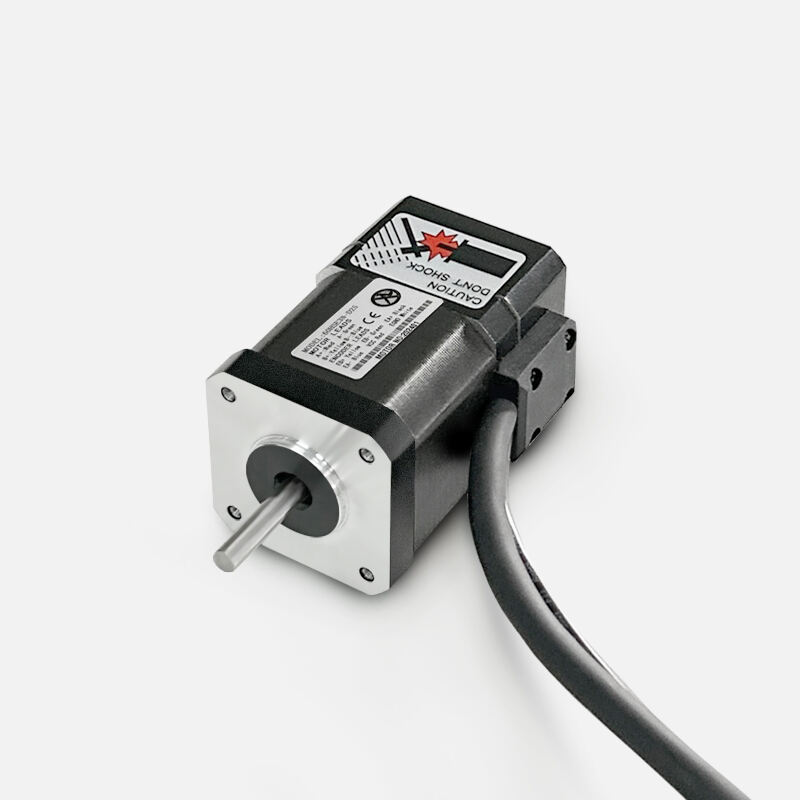
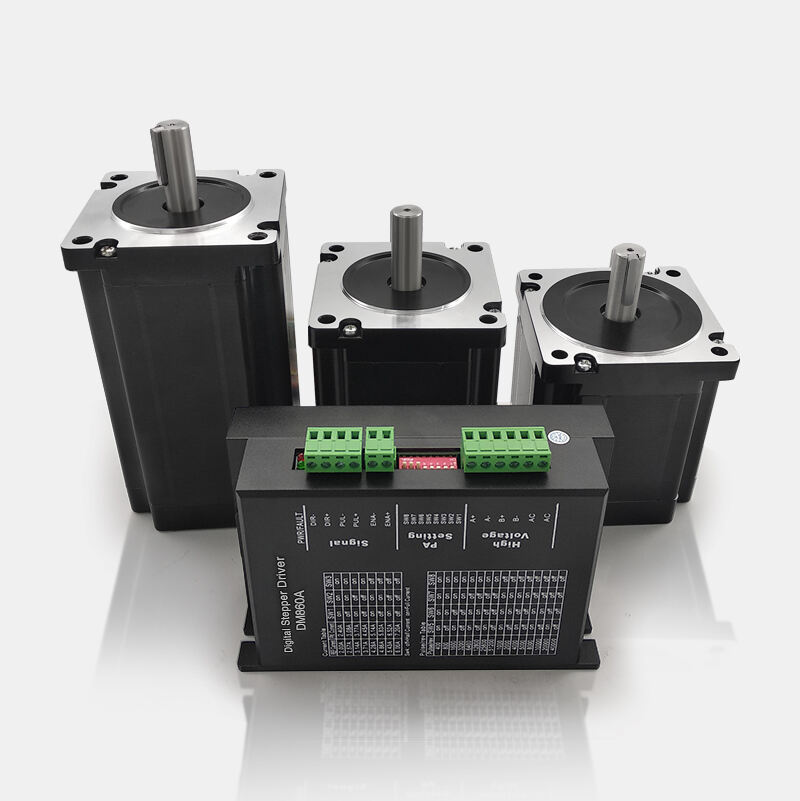
The quiet stepper driver represents a revolutionary advancement in motor control technology, designed to deliver precise positioning while maintaining exceptionally low noise levels during operation. This innovative device serves as the electronic interface between control systems and stepper motors, managing power delivery and pulse sequences to achieve smooth, accurate movement patterns. The quiet stepper driver incorporates sophisticated microstepping technology that divides each full step into multiple smaller increments, typically ranging from 2 to 256 microsteps per full step. This advanced subdivision technique creates smoother rotation patterns and significantly reduces vibration and acoustic noise compared to traditional stepper motor control methods. The technology utilizes current regulation algorithms that maintain optimal power distribution throughout each phase of motor operation, ensuring consistent torque delivery while minimizing heat generation and electromagnetic interference. Modern quiet stepper driver units feature intelligent current sensing capabilities that automatically adjust power levels based on load requirements, optimizing efficiency while preserving motor performance. The device typically includes protection circuits that safeguard against overcurrent conditions, thermal overload, and voltage irregularities, extending both driver and motor lifespan. Communication interfaces such as pulse and direction inputs, analog voltage control, or digital protocols enable seamless integration with various control systems including PLCs, microcontrollers, and computer-based automation platforms. The compact design and standardized mounting options facilitate easy installation in diverse applications ranging from precision manufacturing equipment to laboratory instruments. Advanced models incorporate features like automatic standby current reduction, which decreases power consumption during idle periods while maintaining holding torque when needed. The quiet stepper driver proves essential in applications requiring precise positioning control combined with minimal acoustic disturbance, making it particularly valuable in medical devices, optical equipment, scientific instruments, and consumer electronics where noise reduction directly impacts user experience and operational effectiveness.

New Product Recommendations

The quiet stepper driver delivers substantial benefits that transform how stepper motors perform in demanding applications, providing users with enhanced operational capabilities and improved working conditions. The primary advantage centers on dramatic noise reduction, with the quiet stepper driver generating up to 75 percent less acoustic noise compared to conventional stepper motor control systems. This noise reduction creates more comfortable working environments, particularly important in office settings, laboratories, medical facilities, and residential applications where excessive motor noise would be disruptive or unacceptable. The quiet stepper driver achieves this through advanced microstepping algorithms that eliminate the jerky motion characteristic of traditional full-step operation, replacing it with smooth, continuous movement that produces minimal vibration and associated noise. Energy efficiency represents another significant advantage, as the quiet stepper driver optimizes power consumption through intelligent current regulation and automatic standby features. These systems can reduce overall energy consumption by 30 to 50 percent compared to standard drivers, translating to lower operating costs and reduced heat generation that extends component lifespan. The precise control capabilities of the quiet stepper driver enable positioning accuracy that exceeds traditional systems, with resolution improvements that allow for finer positioning increments and better repeatability. This enhanced precision proves crucial in applications requiring exact positioning, such as 3D printing, CNC machining, optical equipment alignment, and scientific instrumentation. The quiet stepper driver also provides superior torque characteristics across a wider speed range, maintaining consistent holding and dynamic torque even at higher stepping rates where conventional drivers often experience torque degradation. Reliability improvements result from the sophisticated protection features built into quiet stepper driver systems, including overcurrent protection, thermal monitoring, and voltage regulation that prevent damage from electrical anomalies or mechanical overloads. Installation and setup advantages include simplified wiring requirements and compatibility with existing control interfaces, allowing users to upgrade their systems without extensive modifications to existing infrastructure. The reduced electromagnetic interference generated by quiet stepper driver technology minimizes signal noise that could affect sensitive electronic equipment in the vicinity, making these systems particularly suitable for precision instruments and communication devices. Maintenance requirements decrease significantly due to the smooth operation characteristics that reduce mechanical wear on bearings, gears, and coupling components, extending overall system lifespan and reducing replacement costs. The versatility of quiet stepper driver systems accommodates various motor types and sizes, providing flexibility for diverse applications while maintaining consistent performance characteristics across different operating conditions and load requirements.

Tips And Tricks

Can a stepper driver run on 24 V without extra heat sinking?

26

Sep

Can a stepper driver run on 24 V without extra heat sinking?

Understanding Stepper Driver Voltage Requirements and Thermal Management Stepper drivers are essential components in motion control systems, and their voltage capabilities significantly impact performance. When considering whether a stepper driver ca...
View More
Top 10 Servo Motor Applications in Modern Industry

27

Nov

Top 10 Servo Motor Applications in Modern Industry

The evolution of industrial automation has positioned servo motors as essential components in modern manufacturing and production systems. These precision-engineered devices deliver exceptional accuracy, superior speed control, and remarkable efficie...
View More
2025 BLDC Motor Guide: Types, Benefits & Applications

12

Dec

2025 BLDC Motor Guide: Types, Benefits & Applications

Brushless DC motors have revolutionized modern industrial applications with their superior efficiency, reliability, and precision control capabilities. As we advance into 2025, understanding the intricacies of BLDC motor technology becomes crucial fo...
View More
Brushless DC Motor vs Brushed: Key Differences Explained

12

Dec

Brushless DC Motor vs Brushed: Key Differences Explained

Modern industrial applications increasingly demand precise motion control, efficiency, and reliability from their drive systems. The choice between a brushless DC motor and a traditional brushed motor can significantly impact performance, maintenance...
View More

Get a Free Quote

Our representative will contact you soon.
Email
Name
Company Name
WhatsApp
Mobile
Message
0/1000

quiet stepper driver

Advanced Microstepping Technology for Ultra-Quiet Operation

Advanced Microstepping Technology for Ultra-Quiet Operation

The cornerstone feature of the quiet stepper driver lies in its sophisticated microstepping technology that fundamentally transforms how stepper motors operate, delivering whisper-quiet performance without sacrificing precision or power. This revolutionary approach divides each traditional full step into hundreds of smaller increments, typically offering resolution options from 2 to 256 microsteps per full step, creating an incredibly smooth rotation pattern that eliminates the characteristic noise and vibration associated with conventional stepper motor control. The microstepping algorithm employs sinusoidal current waveforms instead of the square wave patterns used in basic stepper drivers, resulting in gradual current transitions that produce continuous torque rather than the pulsing torque that generates noise and mechanical stress. This advanced current control method ensures that motor phases receive precisely regulated power levels at each microstep position, maintaining consistent torque output while dramatically reducing acoustic emissions. The quiet stepper driver achieves this through high-resolution digital-to-analog converters and sophisticated current regulation circuits that can adjust phase currents with exceptional accuracy, creating smooth sine and cosine waveforms that drive the motor phases in perfect synchronization. The technology incorporates real-time feedback mechanisms that monitor motor performance and automatically adjust microstepping parameters to optimize quietness and efficiency based on actual operating conditions. This adaptive approach ensures optimal performance across varying load conditions, speeds, and environmental factors without requiring manual adjustment or reconfiguration. The microstepping technology also provides significant benefits beyond noise reduction, including improved positioning resolution that enables more precise control over motor movement and better surface finish quality in machining applications. The smooth operation characteristics reduce mechanical wear on motor bearings and connected components, extending overall system lifespan and reducing maintenance requirements. Additionally, the elimination of step-to-step torque variations inherent in traditional stepper operation results in more consistent motion profiles that improve accuracy in applications requiring precise positioning or constant velocity movement. The quiet stepper driver microstepping technology proves particularly valuable in applications where noise levels directly impact user experience or operational requirements, such as medical equipment where patient comfort is paramount, laboratory instruments where quiet operation enables better concentration and communication, or consumer products where noise reduction enhances perceived quality and user satisfaction.
Intelligent Power Management and Energy Optimization

Intelligent Power Management and Energy Optimization

The quiet stepper driver incorporates intelligent power management systems that optimize energy consumption while maintaining superior motor performance, representing a significant advancement in efficiency and sustainability for stepper motor applications. This sophisticated power management technology employs multiple strategies to minimize energy waste, including automatic current reduction during holding periods, dynamic current adjustment based on load requirements, and intelligent standby modes that reduce power consumption without sacrificing positional accuracy or response time. The system continuously monitors motor performance parameters and load conditions, automatically adjusting current levels to provide exactly the amount of power needed for optimal operation while avoiding the energy waste common in traditional constant-current stepper driver systems. During periods when the motor maintains position without movement, the quiet stepper driver automatically reduces current to the minimum level required to maintain holding torque, potentially reducing standby power consumption by up to 80 percent compared to conventional systems. This automatic current reduction feature proves particularly valuable in applications where motors spend significant time in stationary positions, such as positioning systems, robotics, and automated equipment that operates in start-stop cycles. The intelligent power management system also incorporates thermal monitoring capabilities that adjust current levels based on motor temperature, preventing overheating while maintaining performance and extending motor lifespan. Advanced models include load-sensing technology that can detect changes in mechanical load and automatically adjust current levels accordingly, providing optimal torque when needed while minimizing power consumption during light-load conditions. The power optimization algorithms consider multiple factors simultaneously, including requested speed, acceleration profiles, load requirements, and thermal conditions, to determine the most efficient current profiles for each phase of operation. This comprehensive approach ensures that the quiet stepper driver delivers consistent performance while minimizing energy consumption across all operating conditions. The energy savings achieved through intelligent power management translate to tangible benefits including reduced operating costs, lower heat generation that improves system reliability, and decreased cooling requirements that simplify system design and reduce additional energy consumption. Environmental benefits include reduced carbon footprint from lower energy consumption and extended component lifespan that reduces electronic waste. The power management features also support integration with energy monitoring systems and sustainability initiatives, providing detailed power consumption data that enables users to track and optimize overall system efficiency. These capabilities prove particularly valuable in large-scale installations where even small efficiency improvements can result in significant cost savings and environmental benefits over time.
Universal Compatibility and Seamless Integration

Universal Compatibility and Seamless Integration

The quiet stepper driver excels in providing universal compatibility and seamless integration capabilities that accommodate diverse control systems and application requirements, making it an ideal solution for both retrofit installations and new system designs. This comprehensive compatibility encompasses multiple control interfaces including traditional pulse and direction signals, analog voltage control, serial communication protocols such as RS-485 and Modbus, and modern digital interfaces that support Industry 4.0 connectivity requirements. The flexible input architecture allows the quiet stepper driver to interface directly with programmable logic controllers, microcontrollers, computer systems, and specialized motion control hardware without requiring additional interface modules or signal conversion equipment. Standard mounting configurations and industry-standard connector types ensure easy physical integration into existing enclosures and control panels, while comprehensive software support includes configuration utilities, programming examples, and integration guides for popular development platforms and automation software packages. The quiet stepper driver supports multiple motor types and sizes within the stepper motor family, automatically detecting motor characteristics and optimizing control parameters accordingly, eliminating the need for extensive manual configuration or parameter adjustment. This auto-detection capability extends to motor inductance, resistance, and optimal current levels, simplifying installation and reducing the potential for configuration errors that could impact performance or reliability. Advanced models include onboard memory that stores multiple motor profiles, allowing a single driver to control different motor types through simple profile selection commands, providing exceptional flexibility in applications requiring multiple motor configurations or motor replacement scenarios. The integration capabilities extend to feedback systems, with support for encoders, Hall sensors, and other position feedback devices that enable closed-loop operation for applications requiring the highest positioning accuracy and reliability. Software integration tools include libraries and drivers for popular programming languages and development environments, along with graphical configuration utilities that simplify parameter setup and system optimization without requiring detailed knowledge of stepper motor control theory. The quiet stepper driver also supports distributed control architectures through network communication capabilities, enabling integration with centralized control systems and remote monitoring applications that provide real-time status information and diagnostic data. Diagnostic and monitoring features include current monitoring, temperature sensing, fault detection, and performance logging that facilitate predictive maintenance and system optimization. The universal compatibility ensures that users can upgrade existing systems to benefit from quiet stepper driver technology without extensive system modifications, protecting previous investments while delivering immediate improvements in noise levels, efficiency, and performance. This seamless integration capability makes the quiet stepper driver an attractive solution for system integrators and end users who require reliable, high-performance motor control with minimal installation complexity and maximum operational flexibility.
+86-13401517369
[email protected]

Get a Free Quote

Our representative will contact you soon.
Email
Name
Company Name
WhatsApp
Mobile
Message
0/1000

Copyright © 2026 Changzhou Jinsanshi Mechatronics Co., Ltd. All rights reserved.  -  Privacy policy