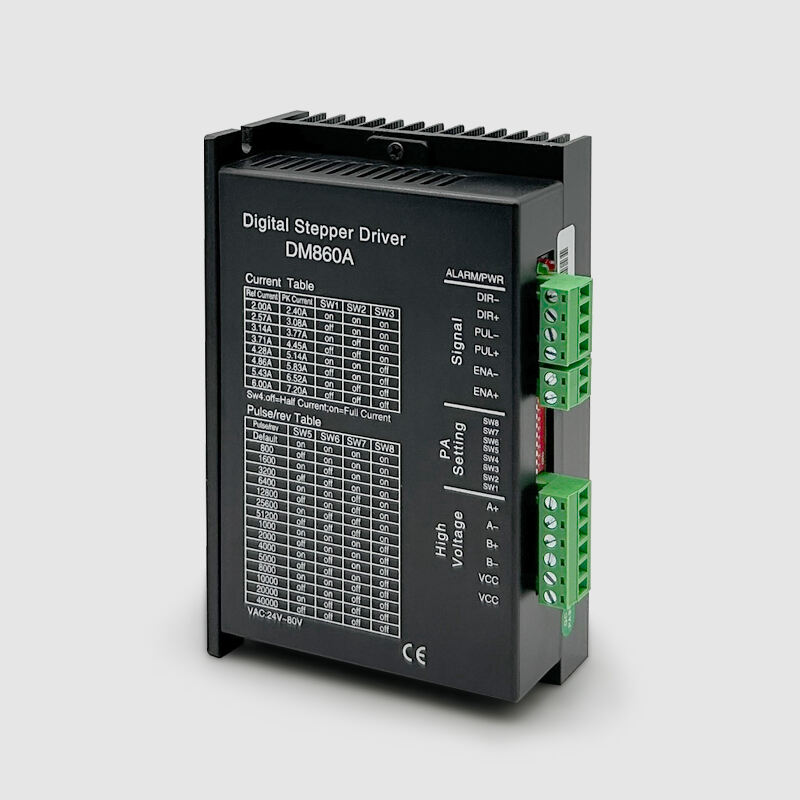
digital stepper driver
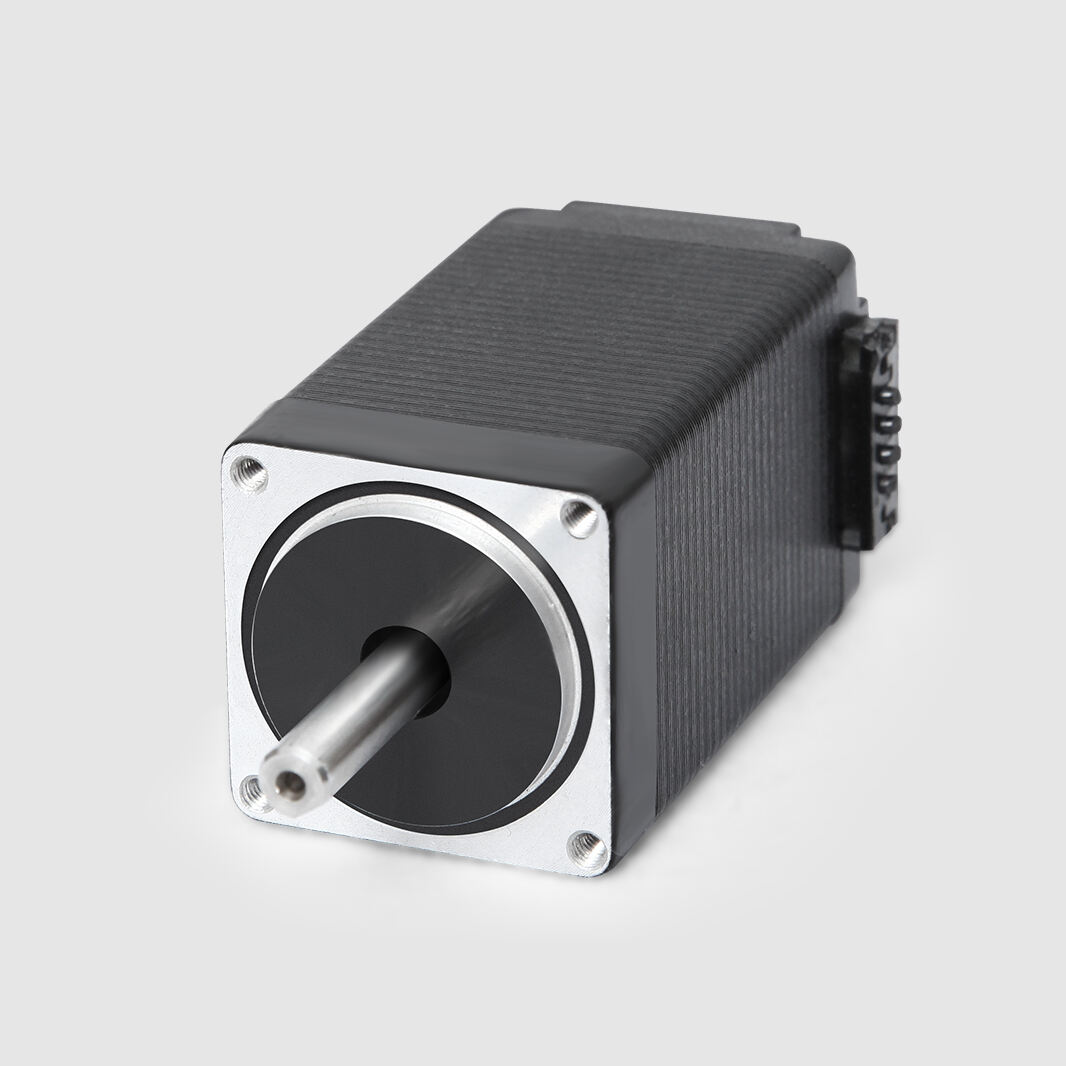
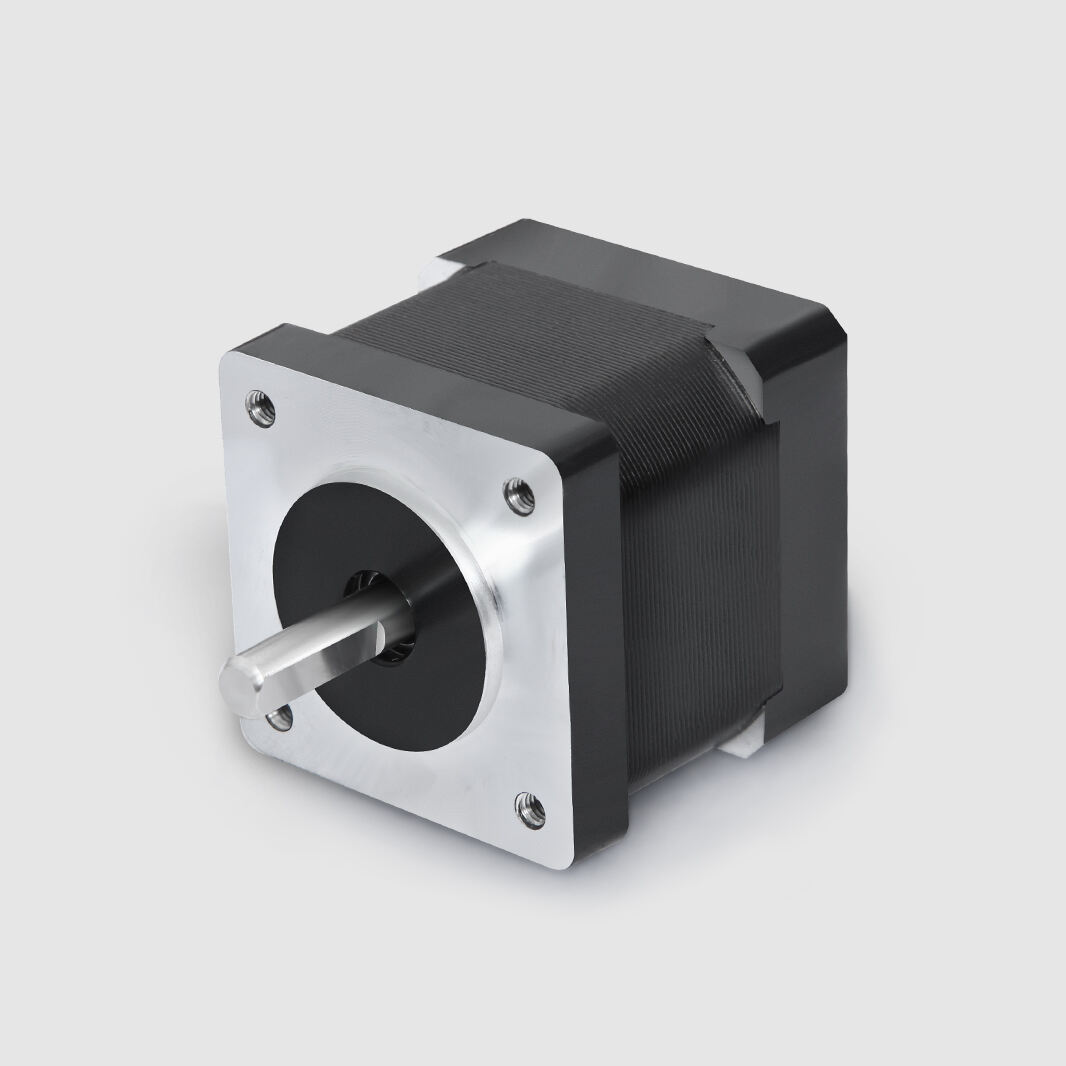
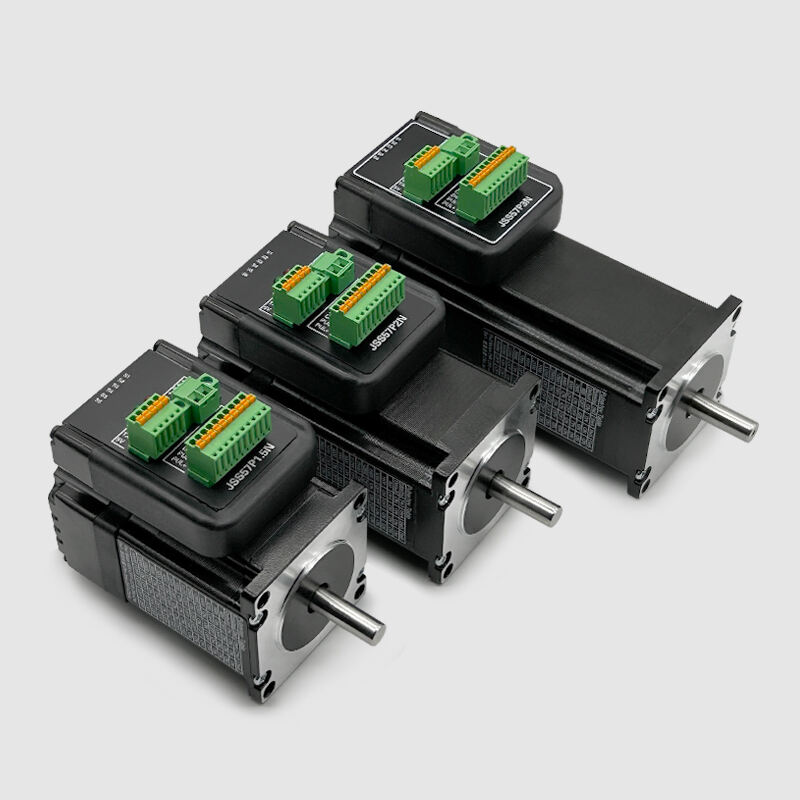
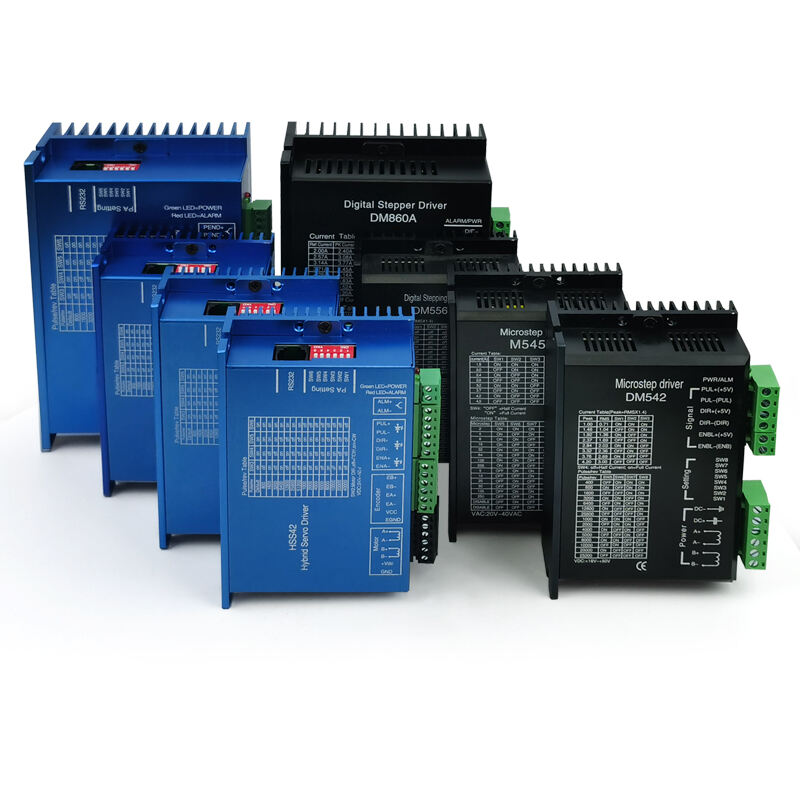
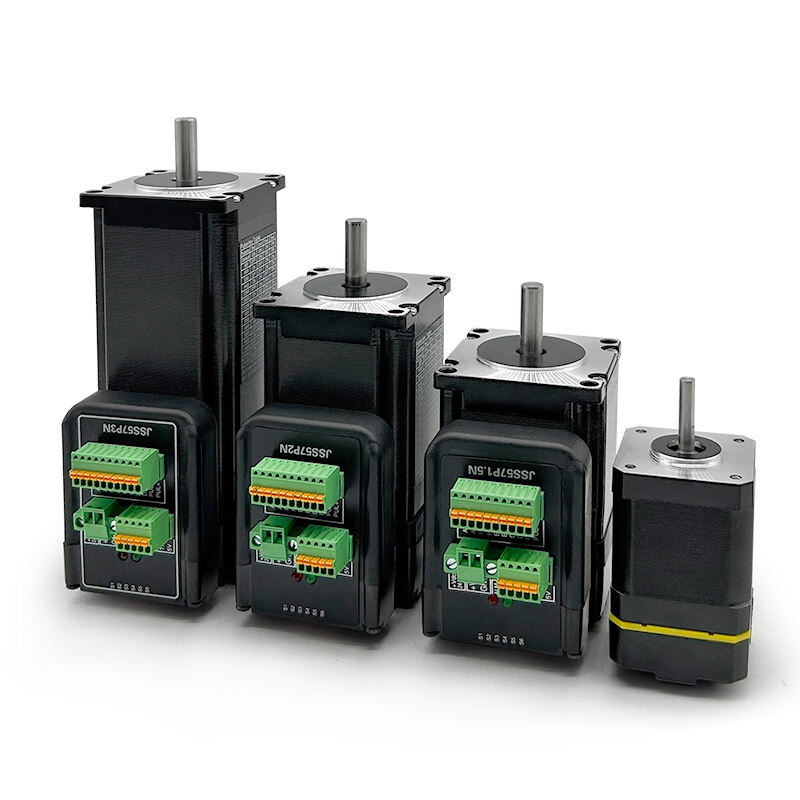
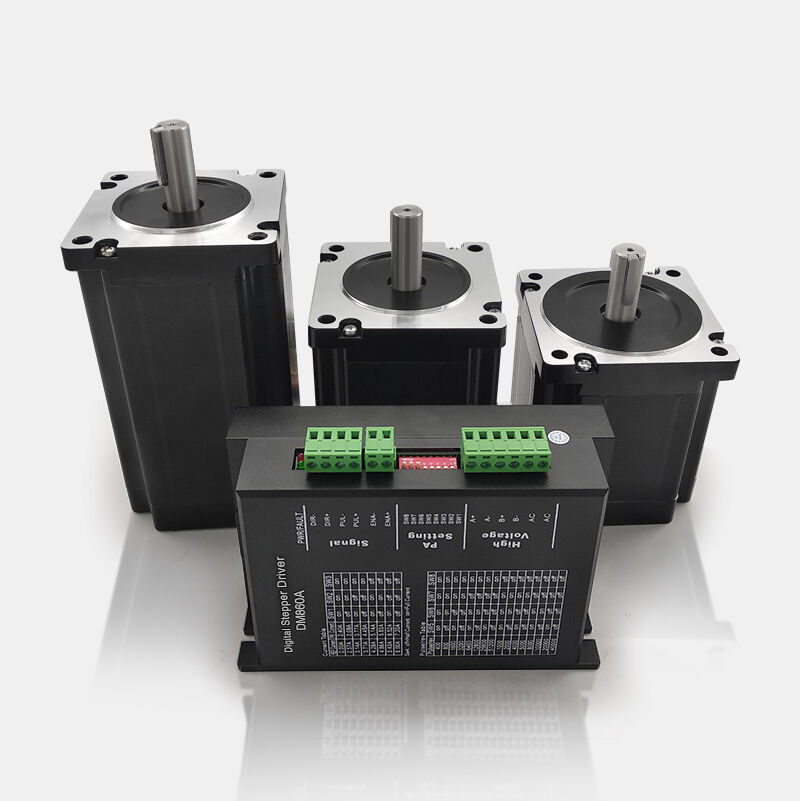
A digital stepper driver represents a sophisticated control system designed to manage stepper motors with exceptional precision and reliability. This advanced electronic device converts digital pulse signals into precise motor movements, enabling accurate positioning and speed control across various industrial applications. The digital stepper driver operates by receiving digital commands from a controller and translating them into the appropriate electrical signals needed to energize stepper motor windings in the correct sequence. This process allows for precise angular movement in discrete steps, making it an essential component in automation systems requiring exact positioning. The main functions of a digital stepper driver include current regulation, microstepping control, direction management, and speed adjustment. Current regulation ensures the motor operates efficiently while preventing overheating and extending operational life. Microstepping capability allows the driver to divide full steps into smaller increments, resulting in smoother motion and reduced vibration. Direction control enables bidirectional movement, while speed adjustment provides variable motion rates to match specific application requirements. Technological features of modern digital stepper drivers encompass advanced current control algorithms, thermal protection systems, and communication interfaces such as RS-485 or Ethernet connectivity. These drivers typically incorporate sophisticated feedback mechanisms, fault detection capabilities, and programmable parameters that can be customized for specific applications. The digital nature of these drivers allows for remote monitoring, diagnostic capabilities, and integration with computer-controlled systems. Applications for digital stepper drivers span numerous industries including manufacturing automation, medical equipment, packaging machinery, textile manufacturing, and precision instrumentation. In CNC machining, these drivers enable precise tool positioning and cutting operations. In 3D printing, they control extruder movement and print head positioning with remarkable accuracy. Laboratory equipment utilizes digital stepper drivers for sample positioning, microscope stages, and automated testing apparatus. The versatility and precision of digital stepper drivers make them indispensable in any application requiring controlled, repeatable movement patterns.