Integrated Stepper Motors: Advanced Precision Motion Control Solutions

Get a Free Quote

Our representative will contact you soon.
Email
Name
Company Name
WhatsApp
Mobile
Message
0/1000

integrated stepper motor

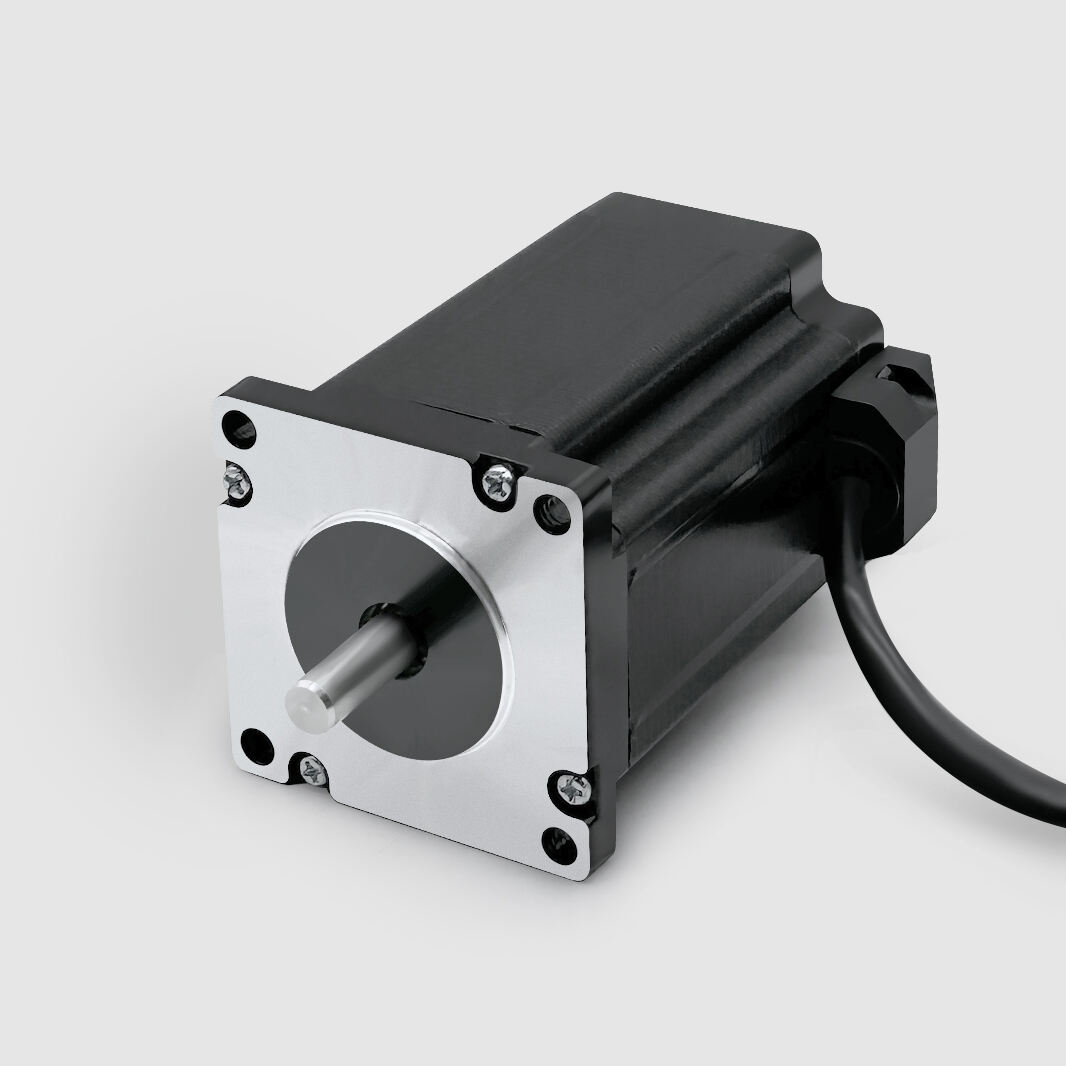
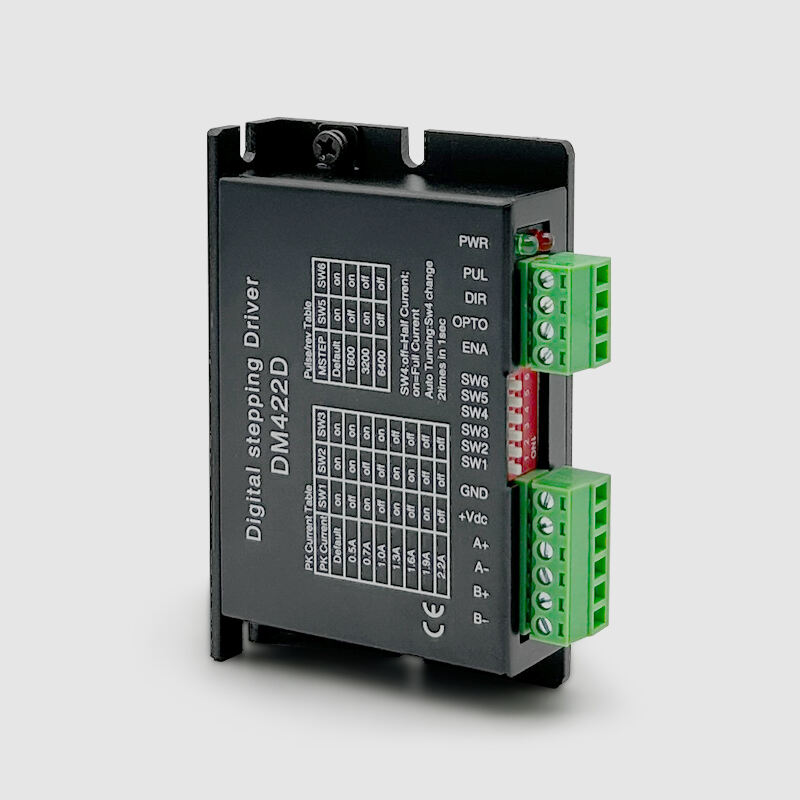
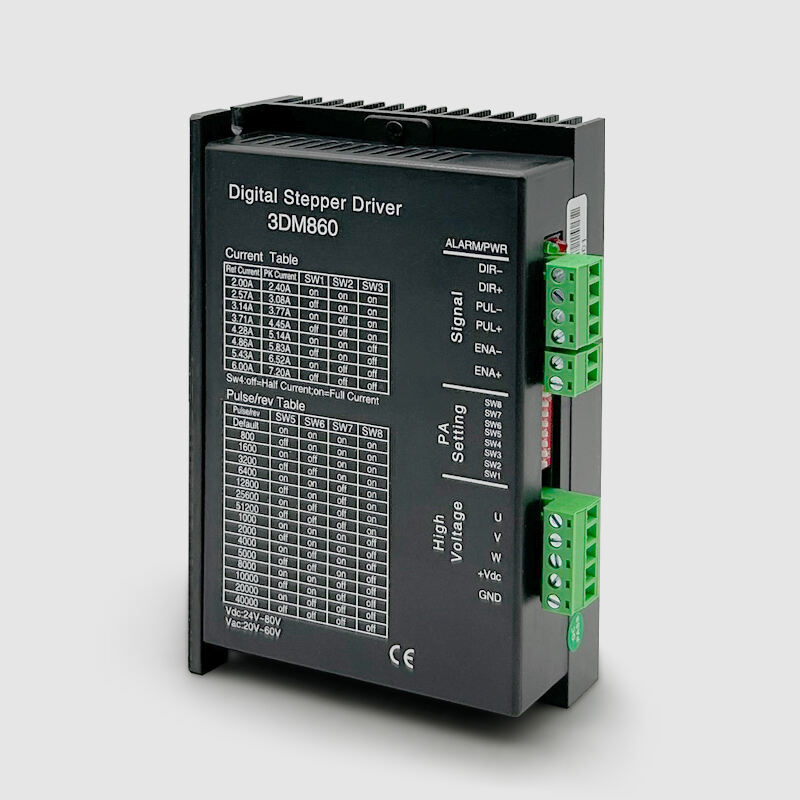
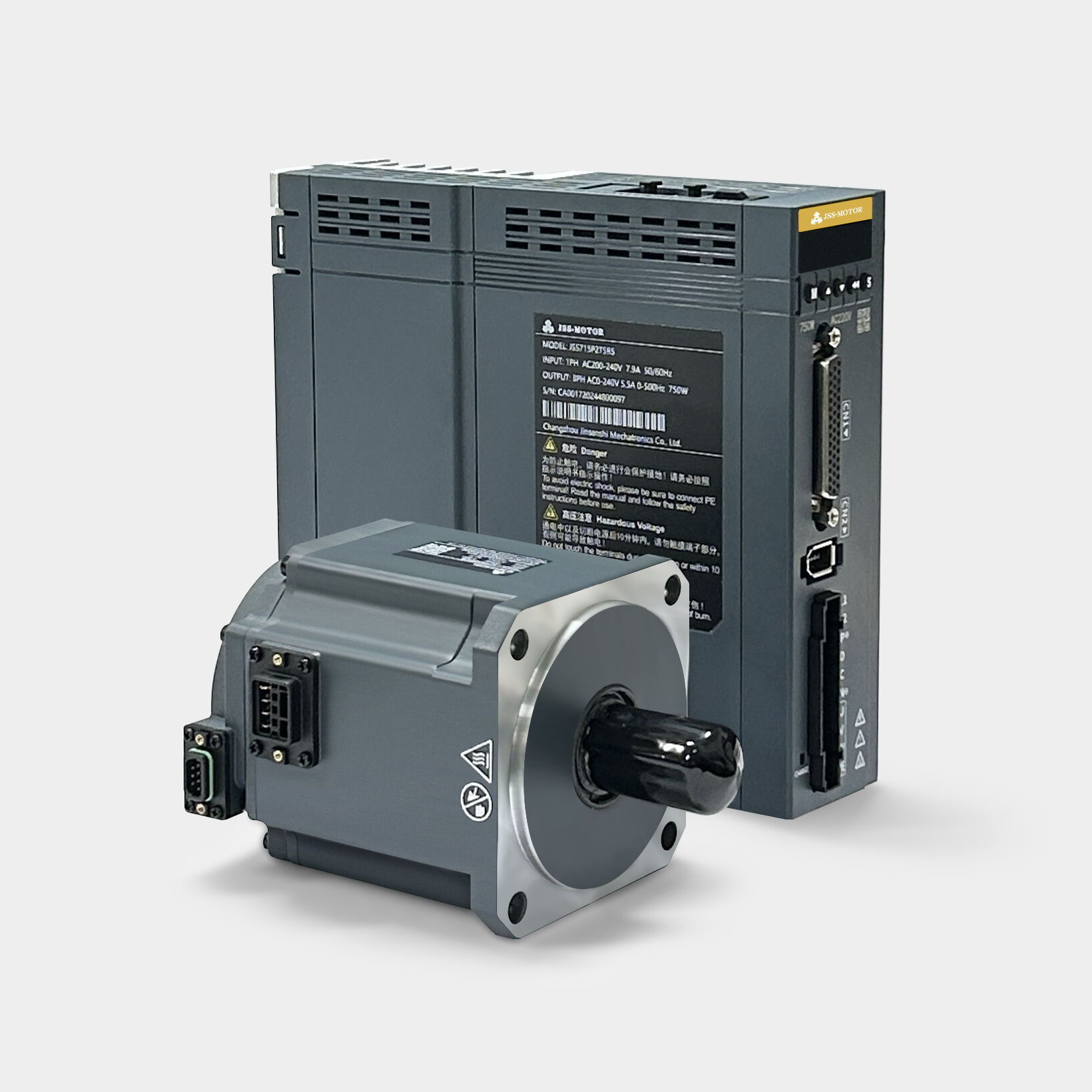
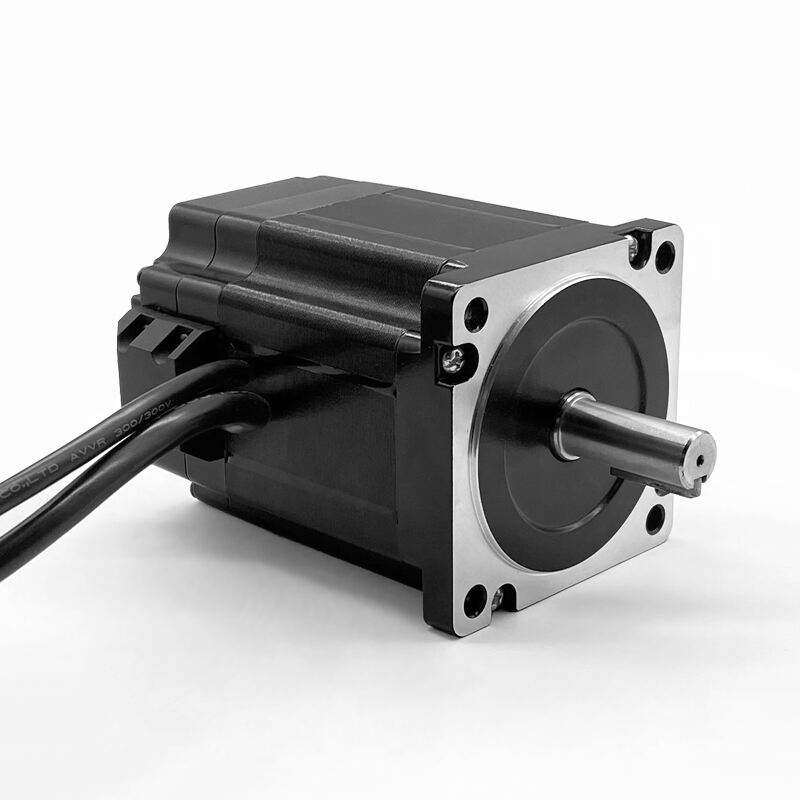
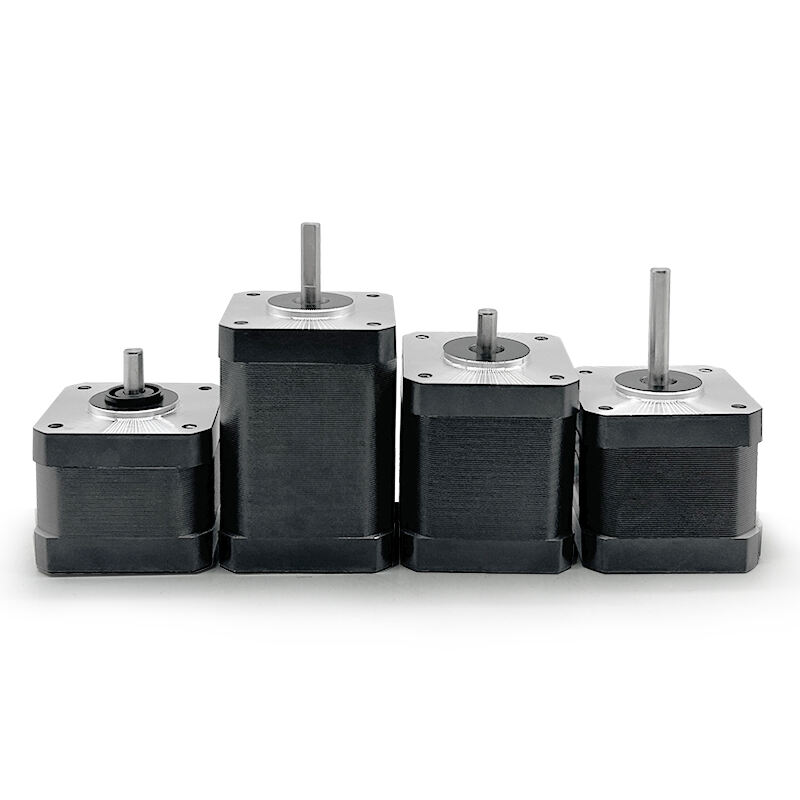
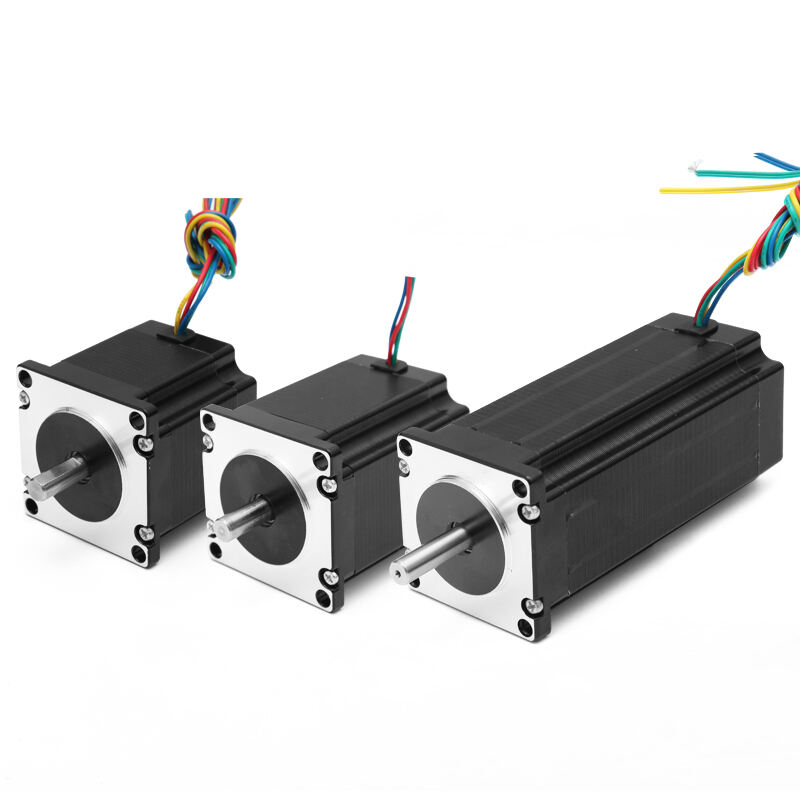
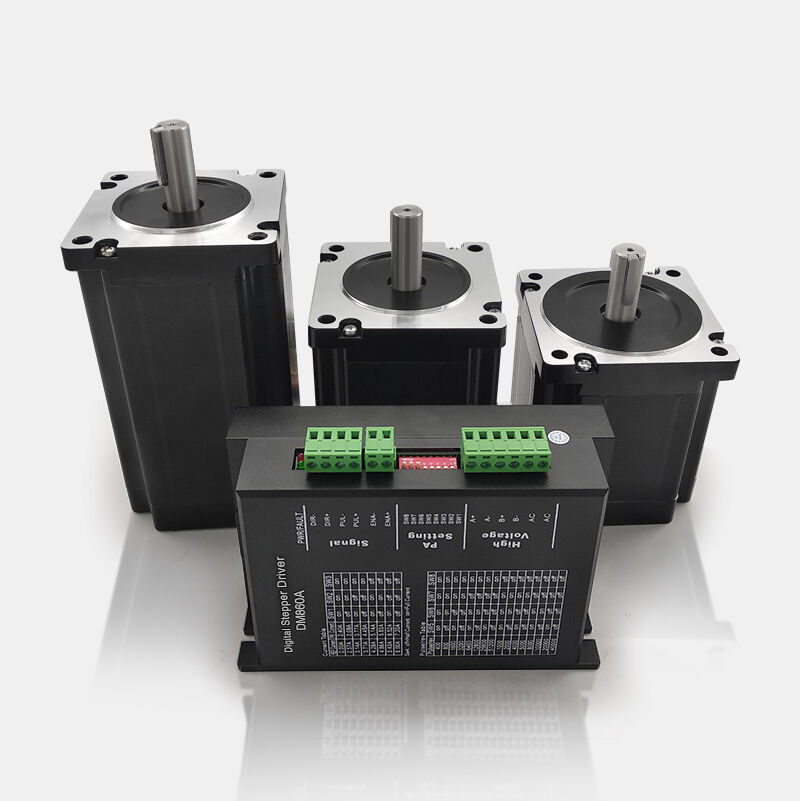
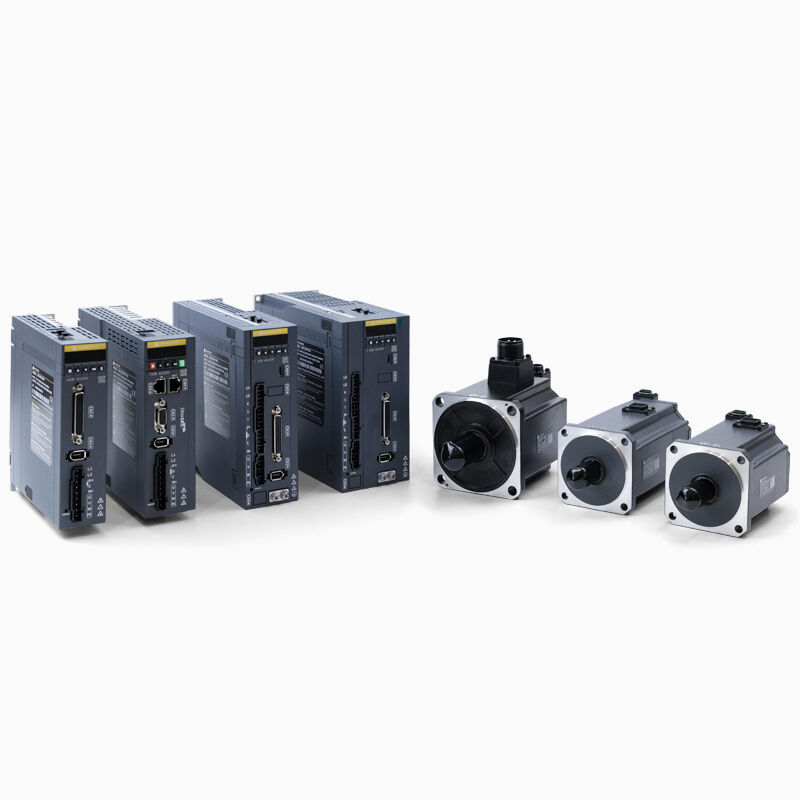
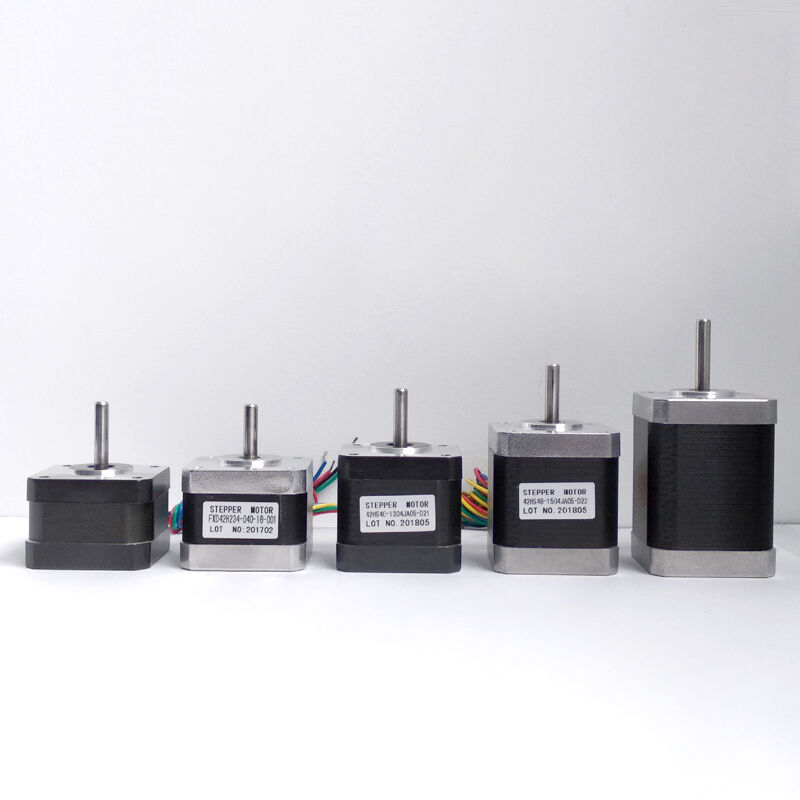
An integrated stepper motor represents a revolutionary advancement in precision motion control technology, combining the traditional stepper motor with built-in driver electronics and control systems within a single compact unit. This integrated stepper motor eliminates the need for external drivers, significantly simplifying system design and reducing installation complexity. The primary function of an integrated stepper motor involves converting digital pulse signals directly into precise angular movements, enabling accurate positioning without requiring feedback systems. The technological foundation relies on electromagnetic principles where digital pulses control the sequential energization of motor windings, creating step-by-step rotation with exceptional repeatability. Modern integrated stepper motor designs incorporate advanced microprocessor-based control algorithms that optimize torque delivery, minimize vibration, and enhance overall performance characteristics. These motors feature built-in current regulation, thermal protection, and communication interfaces that facilitate seamless integration with various control systems. The integrated stepper motor typically includes RS-485, CANopen, or Ethernet connectivity options, enabling network-based control and monitoring capabilities. Applications span numerous industries including medical equipment, laboratory automation, packaging machinery, textile manufacturing, 3D printing, robotics, and precision manufacturing systems. In medical applications, the integrated stepper motor provides the exact positioning required for diagnostic equipment, surgical robots, and drug dispensing systems. Manufacturing environments utilize these motors for conveyor systems, assembly line positioning, and quality control equipment where precise movement control is essential. The integrated stepper motor design incorporates advanced heat dissipation mechanisms and robust construction materials to ensure reliable operation in demanding industrial environments. Energy efficiency optimization features reduce power consumption while maintaining high torque output, making the integrated stepper motor an environmentally conscious choice for sustainable manufacturing operations.
New Product Releases

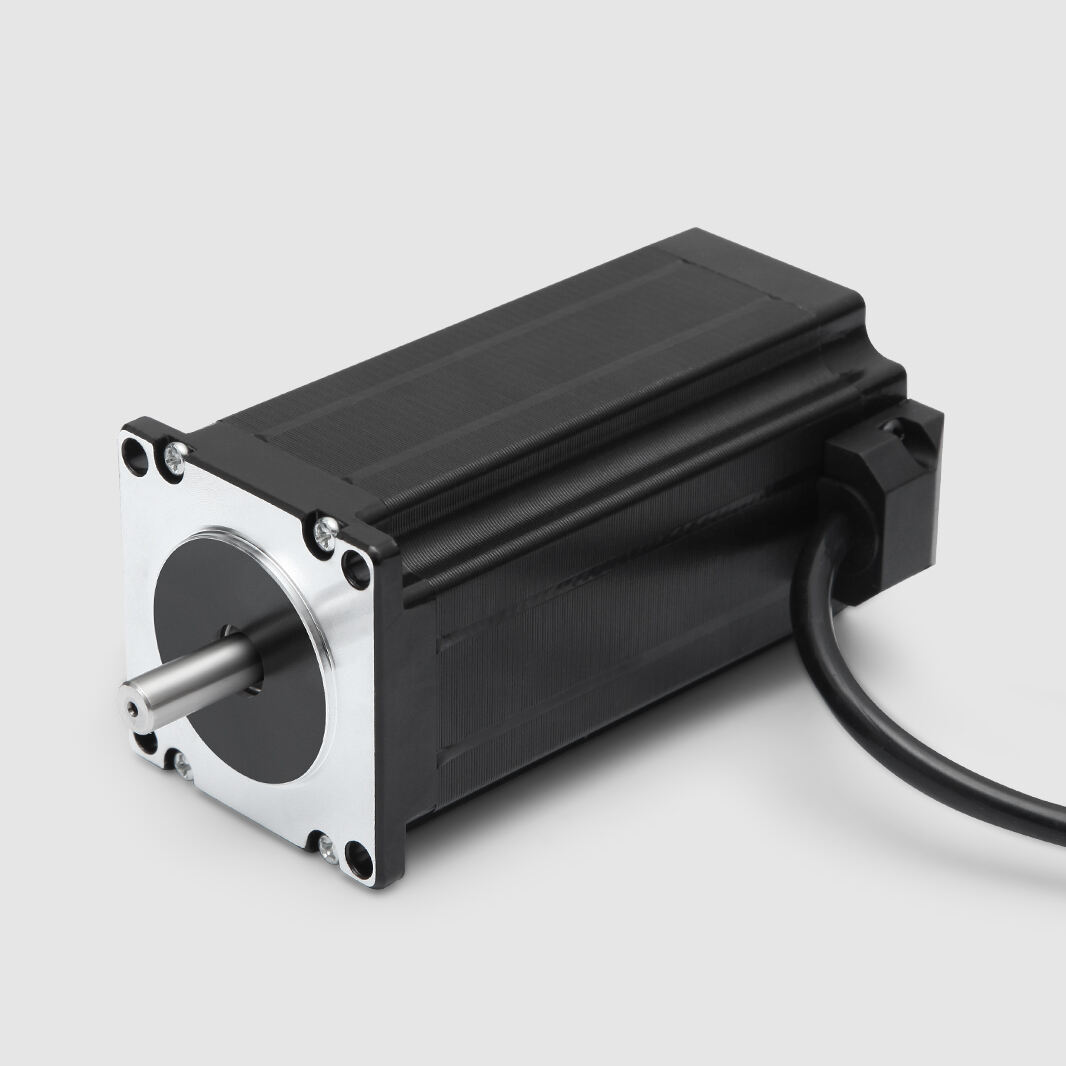
The integrated stepper motor offers compelling advantages that transform traditional motion control approaches into streamlined, efficient solutions for modern applications. Space optimization stands as a primary benefit, as the integrated stepper motor consolidates multiple components into one unit, dramatically reducing installation footprint and eliminating cable complexity between separate motors and drivers. This compact design allows engineers to develop more sophisticated machinery within smaller enclosures, creating competitive advantages in space-constrained applications. Cost reduction emerges as another significant benefit, since the integrated stepper motor eliminates procurement of separate drivers, reduces wiring expenses, and minimizes installation labor costs. The simplified system architecture reduces potential failure points, leading to lower maintenance requirements and decreased downtime expenses over the operational lifetime. Enhanced reliability characterizes the integrated stepper motor through its unified construction that eliminates external connection vulnerabilities and driver-motor compatibility issues. The built-in electronics undergo rigorous testing as a complete system, ensuring optimal performance matching between control circuits and motor characteristics. Installation simplicity transforms complex motion control projects into straightforward implementations, as the integrated stepper motor requires only power connection and communication interface setup. This ease of installation reduces commissioning time and eliminates common wiring errors that plague traditional separate component systems. Performance optimization benefits include precisely matched driver characteristics that maximize torque output while minimizing heat generation and vibration. The integrated stepper motor incorporates adaptive current control algorithms that automatically adjust to load conditions, providing consistent performance across varying operational demands. Communication capabilities enable advanced diagnostics, remote monitoring, and predictive maintenance scheduling that traditional motor-driver combinations cannot achieve. Energy efficiency improvements result from optimized switching algorithms and reduced resistive losses in connection interfaces, leading to lower operational costs and reduced environmental impact. The integrated stepper motor provides superior electromagnetic compatibility through careful shielding design and optimized circuit layouts that minimize interference with sensitive nearby equipment. Scalability advantages allow easy system expansion and reconfiguration without complex driver calculations or compatibility verification processes.

Practical Tips

2025 Guide: How AC Servo Motors Transform Industrial Automation

20

Oct

2025 Guide: How AC Servo Motors Transform Industrial Automation

The Evolution of Industrial Motion Control Technology Industrial automation has witnessed a remarkable transformation over the past decades, with ac servo motors emerging as the cornerstone of precise motion control. These sophisticated devices have ...
View More
10 Benefits of Brushless DC Motors in Modern Industry

12

Dec

10 Benefits of Brushless DC Motors in Modern Industry

Industrial automation continues to evolve at an unprecedented pace, driving demand for more efficient and reliable motor technologies. Among the most significant advancements in this field is the widespread adoption of brushless dc motor systems, whi...
View More
Closed Loop Stepper Motor: Benefits for Automation

12

Dec

Closed Loop Stepper Motor: Benefits for Automation

Modern automation systems demand precise motion control that delivers consistent performance across diverse industrial applications. Traditional open-loop stepper motors have long served as workhorses in manufacturing environments, but the evolution ...
View More
How does stepper motor torque behavior change at different speeds?

30

Jan

How does stepper motor torque behavior change at different speeds?

Understanding the relationship between torque and speed in stepper motor applications is crucial for engineers and designers seeking optimal performance in their automated systems. The stepper motor exhibits distinct torque characteristics that vary ...
View More

Get a Free Quote

Our representative will contact you soon.
Email
Name
Company Name
WhatsApp
Mobile
Message
0/1000

integrated stepper motor

Advanced Control Intelligence and Precision

Advanced Control Intelligence and Precision

The integrated stepper motor incorporates sophisticated microprocessor-based control systems that deliver unprecedented precision and intelligent operation capabilities for demanding applications. This advanced control intelligence represents a fundamental shift from traditional stepper motor systems, offering real-time adaptive algorithms that continuously monitor and optimize motor performance parameters. The integrated stepper motor features built-in position tracking, velocity profiling, and acceleration control functions that eliminate the need for external motion controllers in many applications. These intelligent systems automatically adjust current levels based on load conditions, optimizing torque delivery while minimizing power consumption and heat generation. The precision capabilities extend beyond simple step counting, incorporating advanced interpolation algorithms that achieve sub-step resolution for ultra-smooth motion profiles. This enhanced precision makes the integrated stepper motor ideal for applications requiring extremely accurate positioning, such as medical imaging equipment, semiconductor manufacturing tools, and precision measurement instruments. The control intelligence includes comprehensive diagnostic capabilities that monitor motor health, track performance metrics, and provide predictive maintenance alerts before failures occur. These diagnostic functions enable proactive maintenance scheduling that minimizes unexpected downtime and extends operational lifetime. The integrated stepper motor supports complex motion profiles including S-curve acceleration, multi-axis coordination, and synchronized movement patterns that would require expensive external controllers in traditional systems. Communication protocols built into the integrated stepper motor enable seamless integration with industrial networks, allowing centralized control and monitoring of multiple motors throughout manufacturing facilities. The intelligent control systems provide real-time feedback on position, velocity, torque, and temperature parameters, enabling closed-loop operation that rivals servo motor systems at significantly lower costs. Advanced filtering algorithms eliminate resonance issues and optimize step timing for maximum smoothness and minimum vibration, particularly important in precision applications where mechanical disturbance must be minimized.
Exceptional Reliability and Durability

Exceptional Reliability and Durability

The integrated stepper motor delivers superior reliability and durability through innovative design approaches that address common failure modes associated with traditional motor-driver combinations. This exceptional reliability stems from the unified construction that eliminates vulnerable connection points between motors and external drivers, significantly reducing the probability of system failures. The integrated stepper motor incorporates advanced thermal management systems including intelligent heat dissipation pathways and temperature monitoring that prevent overheating damage under demanding operational conditions. Robust construction materials and environmental sealing protect internal electronics from contaminants, moisture, and mechanical stress that commonly affect separate driver units. The durability advantages extend to the elimination of connector corrosion, cable fatigue, and electromagnetic interference issues that plague traditional systems with external drivers. Each integrated stepper motor undergoes comprehensive factory testing as a complete system, ensuring optimal compatibility between all internal components and identifying potential reliability issues before deployment. The built-in protection systems include overcurrent detection, thermal shutdown, and voltage spike suppression that safeguard both motor windings and control electronics from damage. These protection mechanisms automatically recover from fault conditions when possible, minimizing system downtime and reducing maintenance intervention requirements. The integrated stepper motor design incorporates redundant safety systems and fault-tolerant operation modes that maintain basic functionality even when certain components experience degradation. Quality control processes ensure consistent manufacturing standards and rigorous testing protocols that validate long-term reliability under various environmental conditions. The consolidated design reduces the total component count in motion control systems, following reliability engineering principles that demonstrate fewer components result in higher overall system reliability. Extended operational lifetime results from optimized component matching and reduced stress on connection interfaces that commonly fail in traditional motor-driver combinations. The integrated stepper motor provides predictable maintenance schedules and simplified troubleshooting procedures that reduce total cost of ownership over the product lifecycle.
Simplified Integration and Versatile Connectivity

Simplified Integration and Versatile Connectivity

The integrated stepper motor revolutionizes system integration through streamlined connectivity options and simplified setup procedures that dramatically reduce implementation complexity for engineers and system integrators. This simplified integration approach eliminates the traditional challenges of matching motor characteristics with driver specifications, cable length calculations, and electromagnetic compatibility considerations that complicate conventional stepper motor installations. The versatile connectivity features of the integrated stepper motor include multiple communication protocol options such as RS-485, CANopen, EtherCAT, and Modbus TCP, enabling seamless integration with existing industrial automation systems regardless of the control platform. These standardized communication interfaces provide plug-and-play compatibility that reduces commissioning time from days to hours in complex multi-axis applications. The integrated stepper motor incorporates automatic parameter configuration capabilities that detect optimal operating parameters based on load conditions and application requirements, eliminating manual tuning procedures that require specialized expertise. Built-in configuration tools accessible through standard communication interfaces allow remote setup and adjustment of motor parameters without physical access to equipment, particularly valuable in hazardous or difficult-to-reach installations. The simplified wiring requirements reduce installation labor costs and minimize potential connection errors, as the integrated stepper motor typically requires only power supply connection and a single communication cable. This streamlined approach reduces material costs, improves system reliability, and accelerates project completion timelines. The integrated stepper motor supports daisy-chain connectivity that enables multiple motors to share communication lines while maintaining individual addressing and control capabilities. Advanced networking features include automatic node discovery, configuration backup and restore, and remote firmware updating that simplify system maintenance and upgrades. The versatile mounting options and standardized mechanical interfaces ensure compatibility with existing machinery while providing flexibility for new equipment designs. Comprehensive software support includes configuration utilities, diagnostic tools, and programming libraries that accelerate development cycles and reduce learning curves for engineering teams. The integrated stepper motor provides extensive documentation and application examples that guide implementation across various industries and applications, ensuring successful deployment even for teams with limited stepper motor experience.
+86-13401517369
[email protected]

Get a Free Quote

Our representative will contact you soon.
Email
Name
Company Name
WhatsApp
Mobile
Message
0/1000

Copyright © 2026 Changzhou Jinsanshi Mechatronics Co., Ltd. All rights reserved.  -  Privacy policy