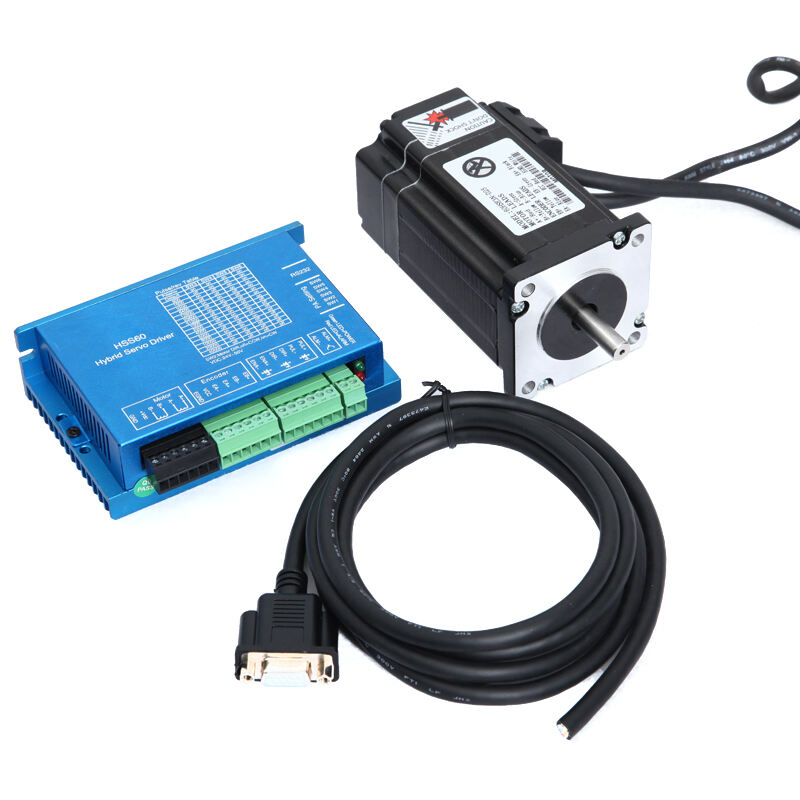
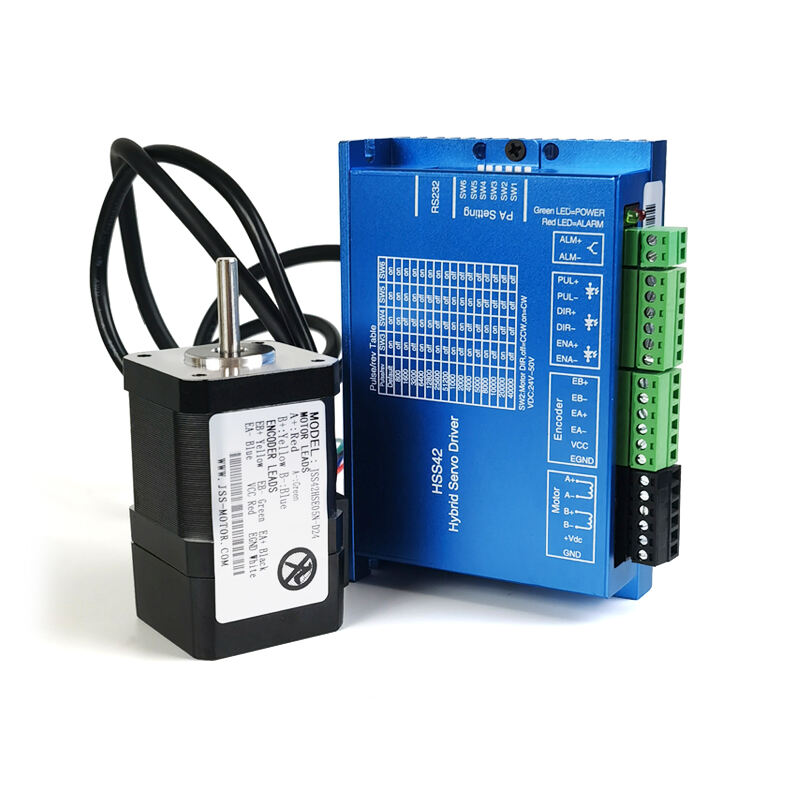
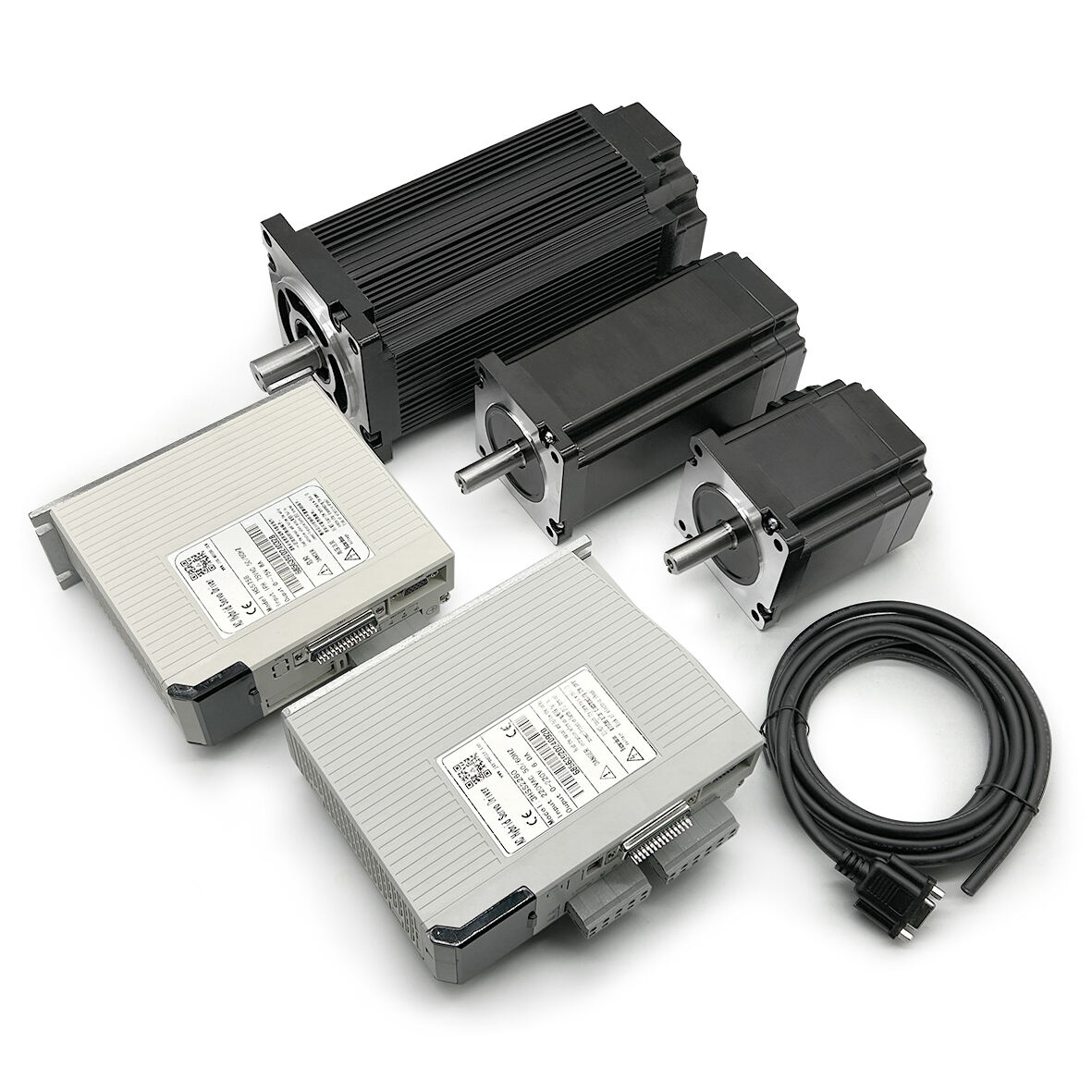
closed loop stepper motor
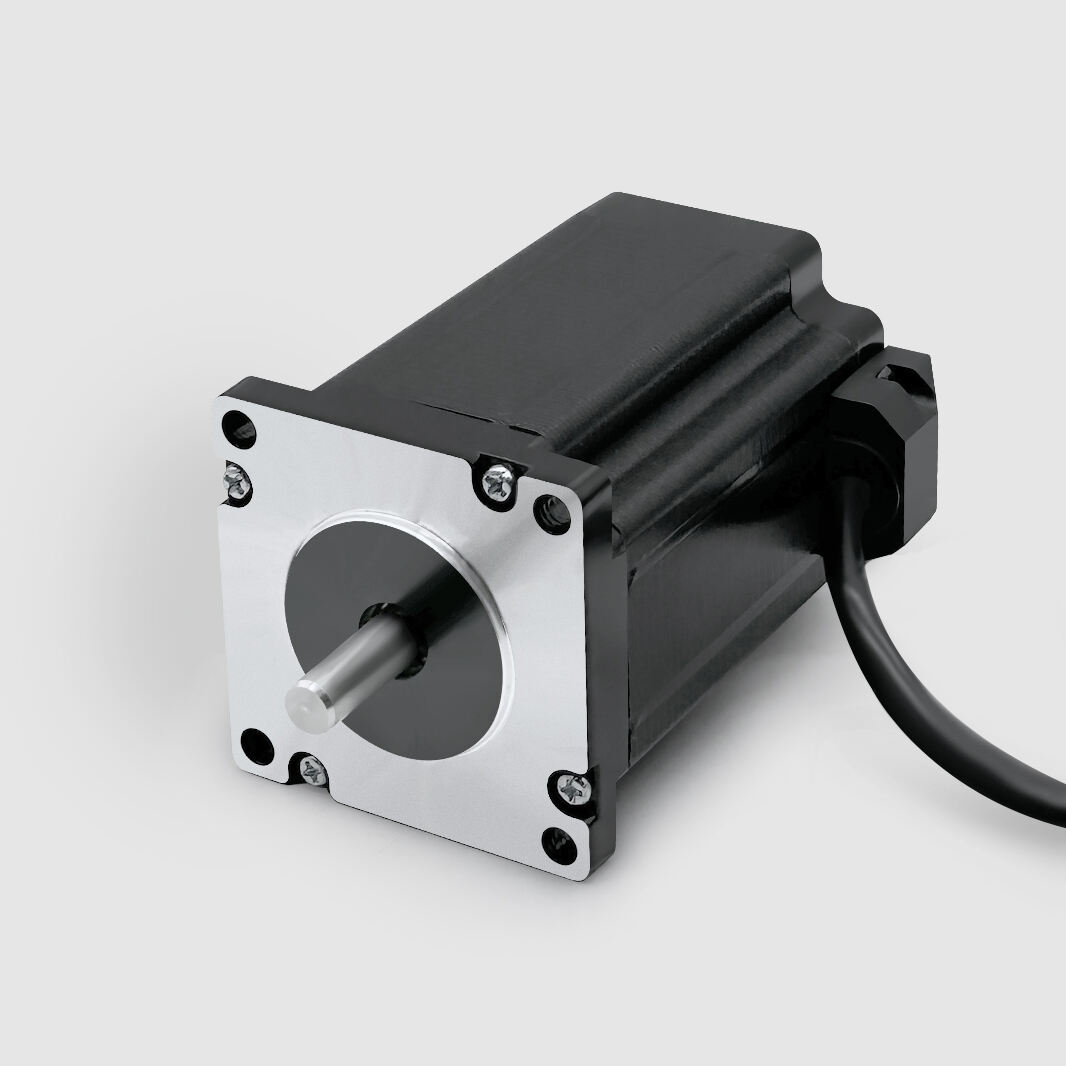
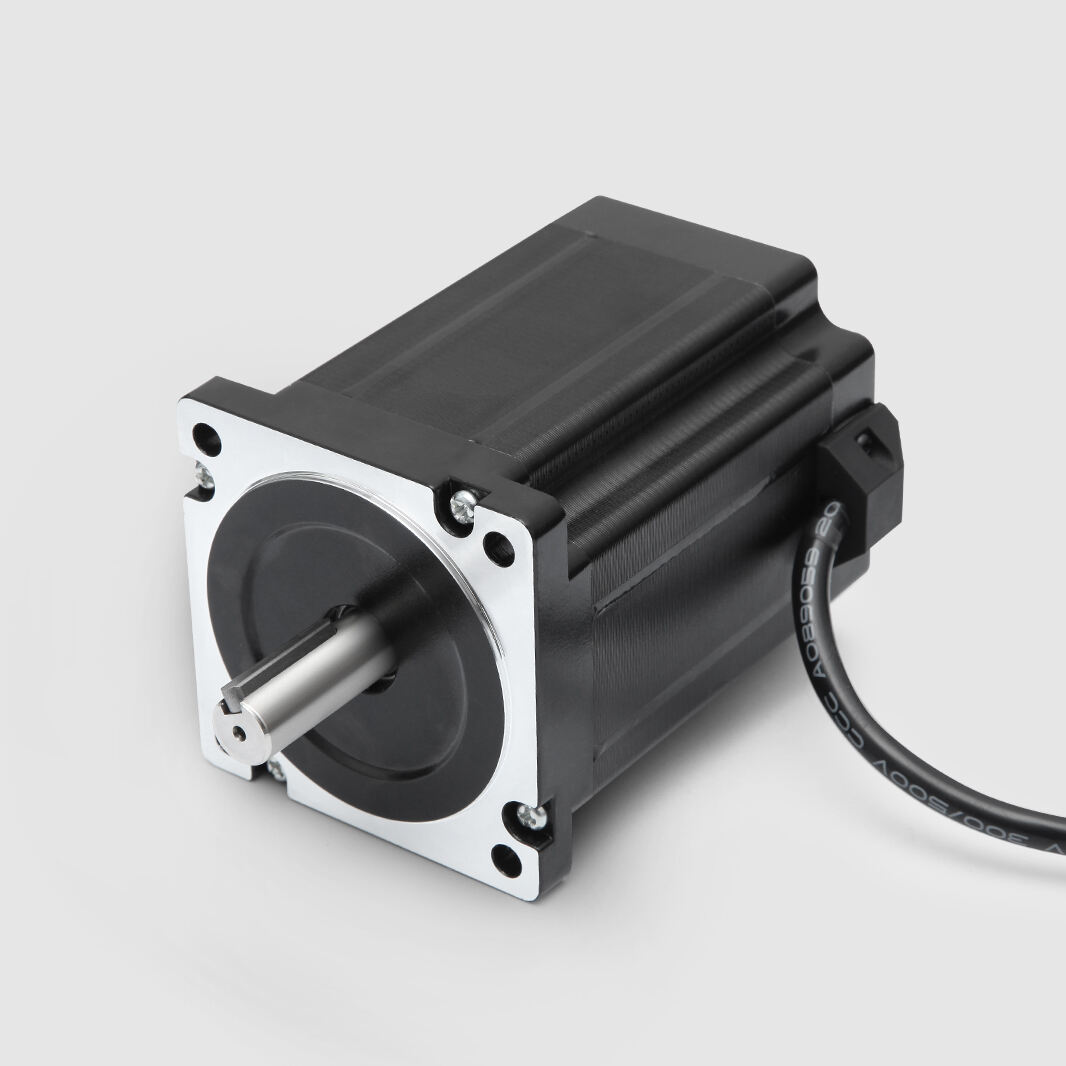
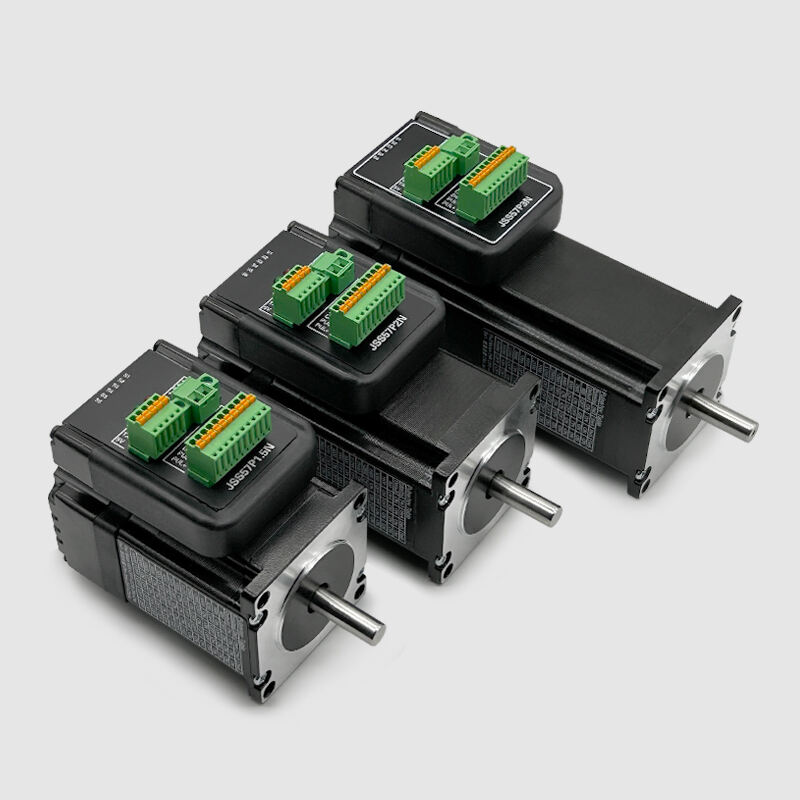
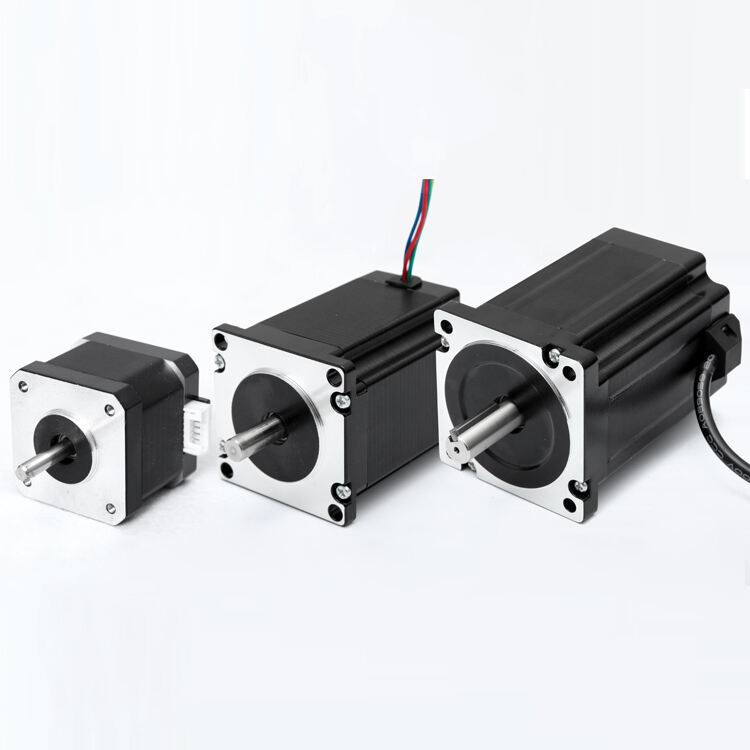
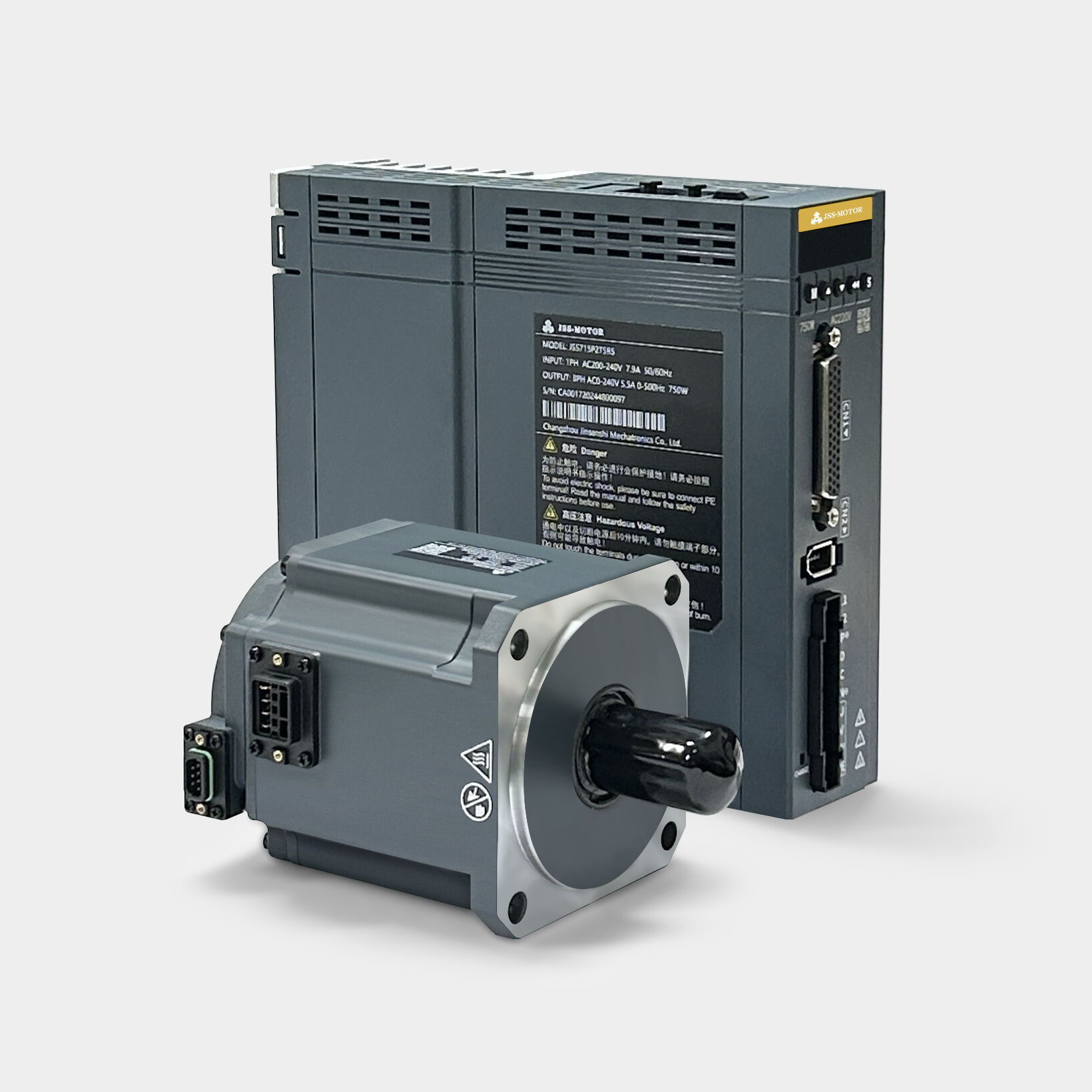
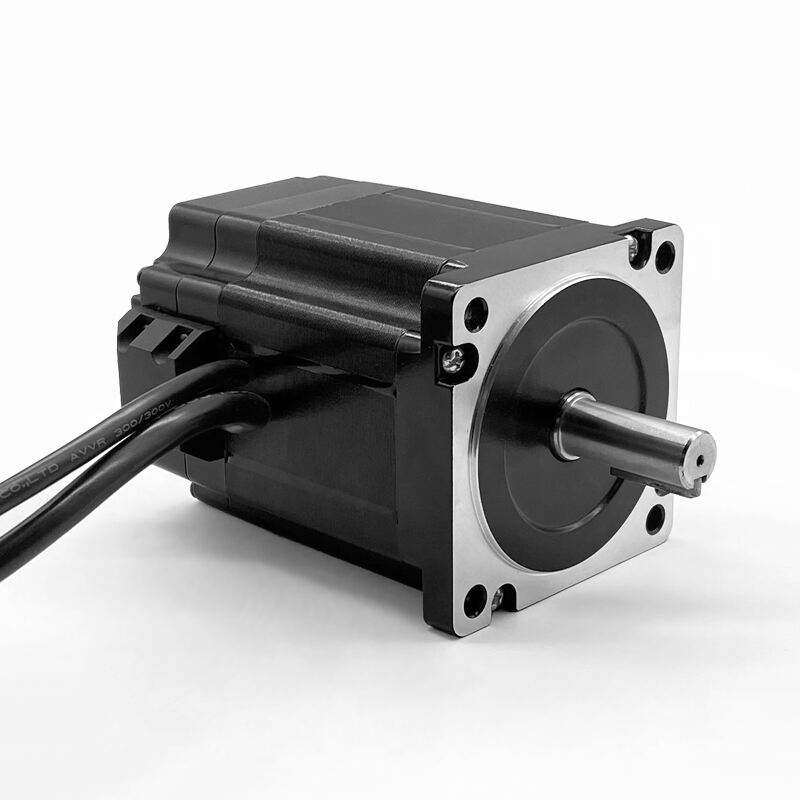
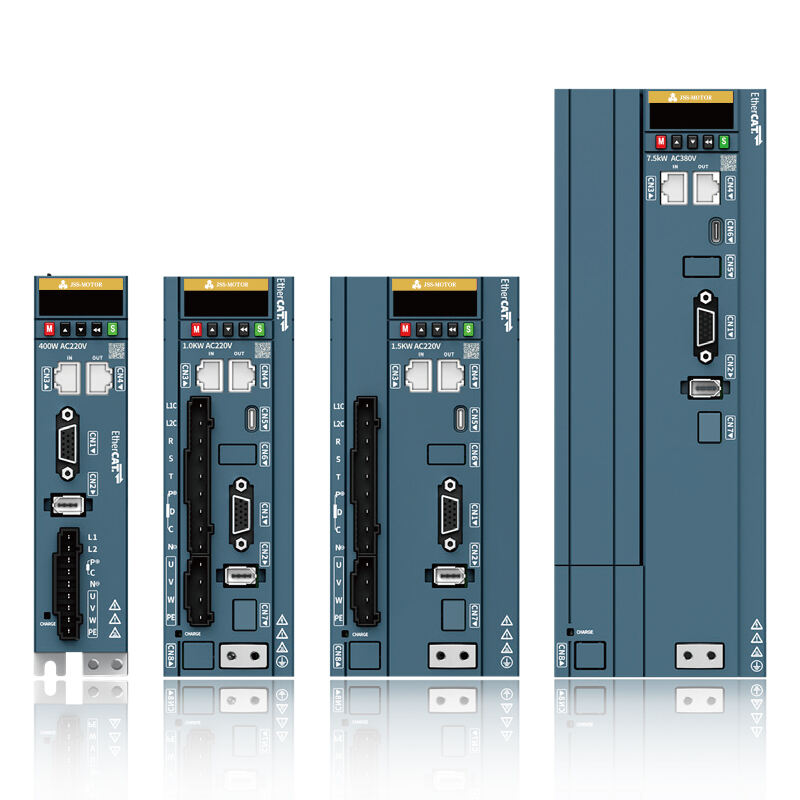
A closed loop stepper motor represents a significant advancement in precision motion control technology, combining the inherent positioning accuracy of traditional stepper motors with the enhanced performance benefits of feedback control systems. This innovative motor design integrates an encoder or resolver directly into the motor assembly, creating a sophisticated feedback mechanism that continuously monitors the actual rotor position and compares it to the commanded position. The closed loop stepper motor operates by receiving step and direction signals from a controller, similar to open loop systems, but utilizes real-time position feedback to ensure accurate execution of each commanded movement. The primary functions of a closed loop stepper motor include precise positioning control, velocity regulation, and torque optimization across varying load conditions. The motor's control system processes feedback signals to detect any deviation between the actual and desired positions, automatically implementing corrective measures to maintain accuracy. Key technological features encompass advanced digital signal processing capabilities, high-resolution encoders typically ranging from 1000 to 4000 counts per revolution, and intelligent drive electronics that seamlessly switch between stepper and servo control modes. The closed loop stepper motor incorporates sophisticated algorithms that prevent step loss, eliminate resonance issues, and optimize power consumption based on load requirements. These motors find extensive applications across diverse industries including semiconductor manufacturing, medical device automation, packaging machinery, textile equipment, and precision assembly systems. In pharmaceutical manufacturing, closed loop stepper motors ensure accurate dispensing and positioning of critical components. Automotive production lines utilize these motors for precise part placement and assembly operations. Laboratory automation equipment depends on closed loop stepper motors for sample handling and analytical instrument positioning. The technology proves particularly valuable in applications requiring high positioning accuracy, consistent repeatability, and reliable performance under varying environmental conditions, making it an ideal choice for modern industrial automation solutions.