Complete Guide to Stepper Motor Problems: Diagnosis, Solutions & Prevention Strategies

Get a Free Quote

Our representative will contact you soon.
Email
Name
Company Name
WhatsApp
Mobile
Message
0/1000

stepper motor problems

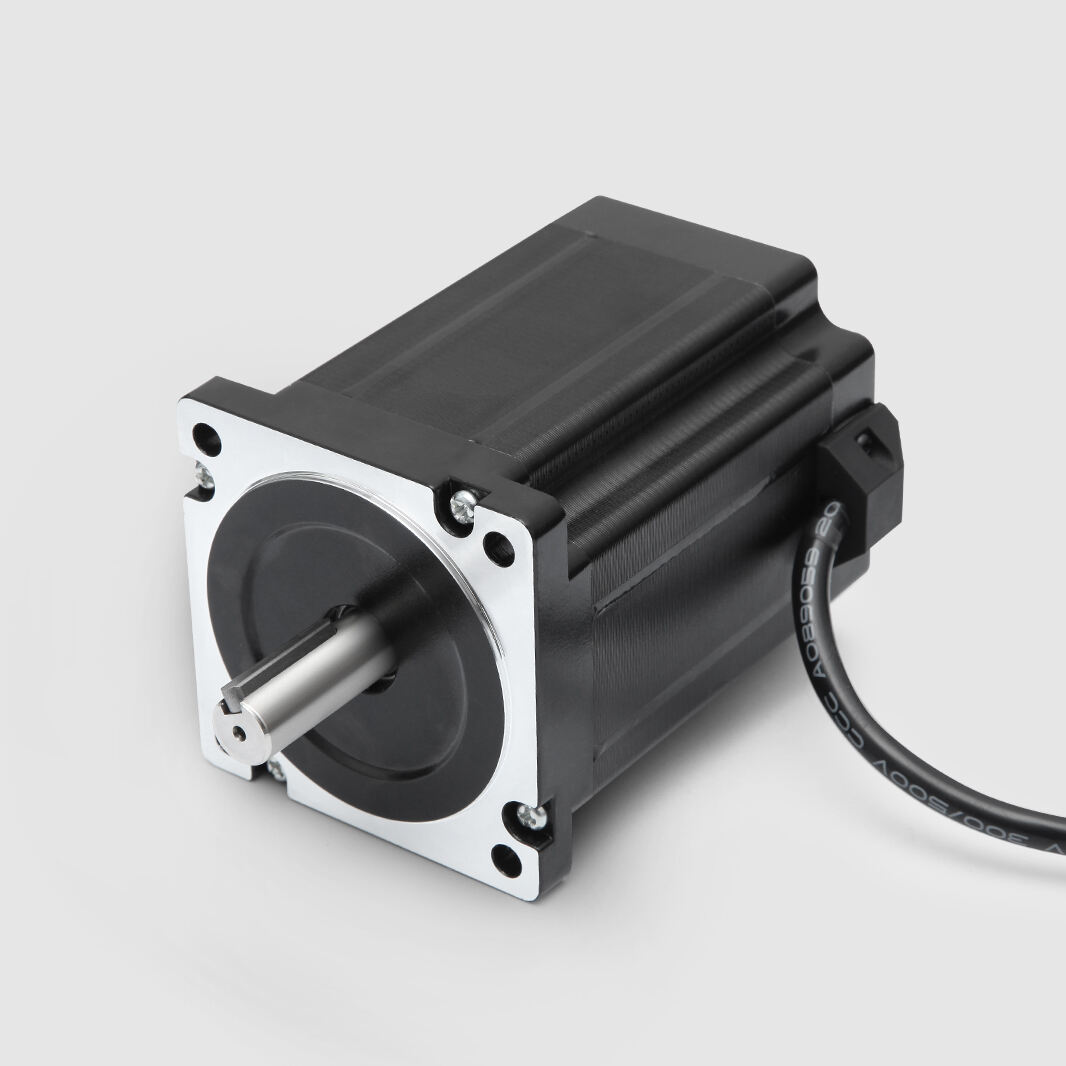
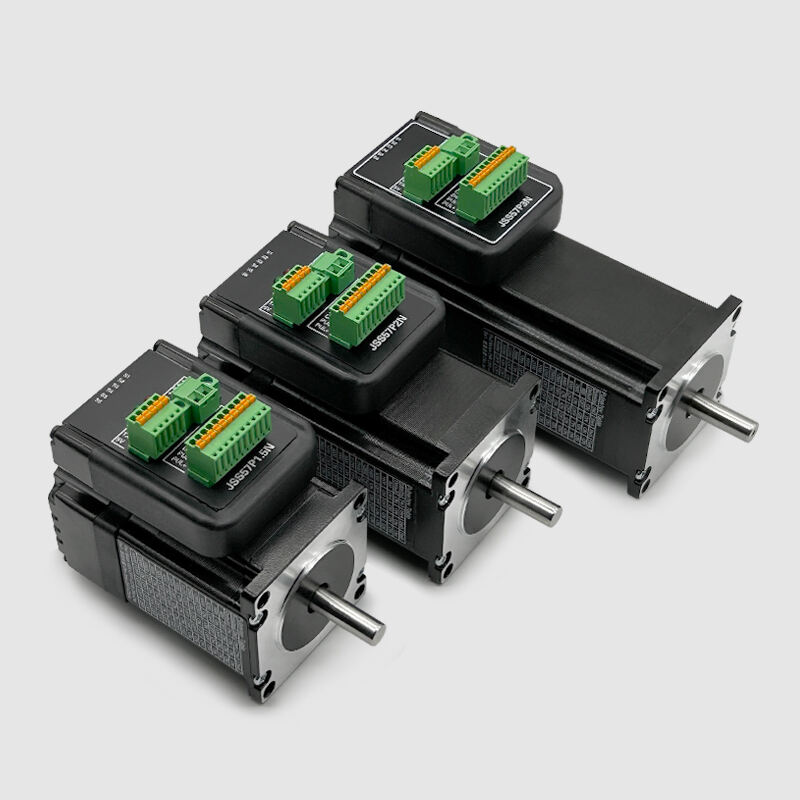
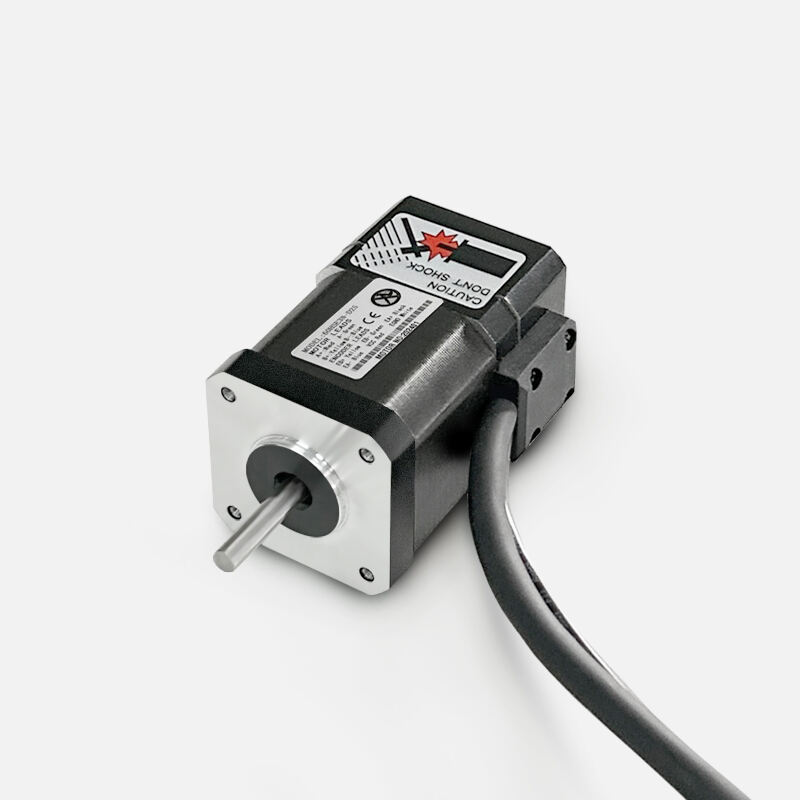
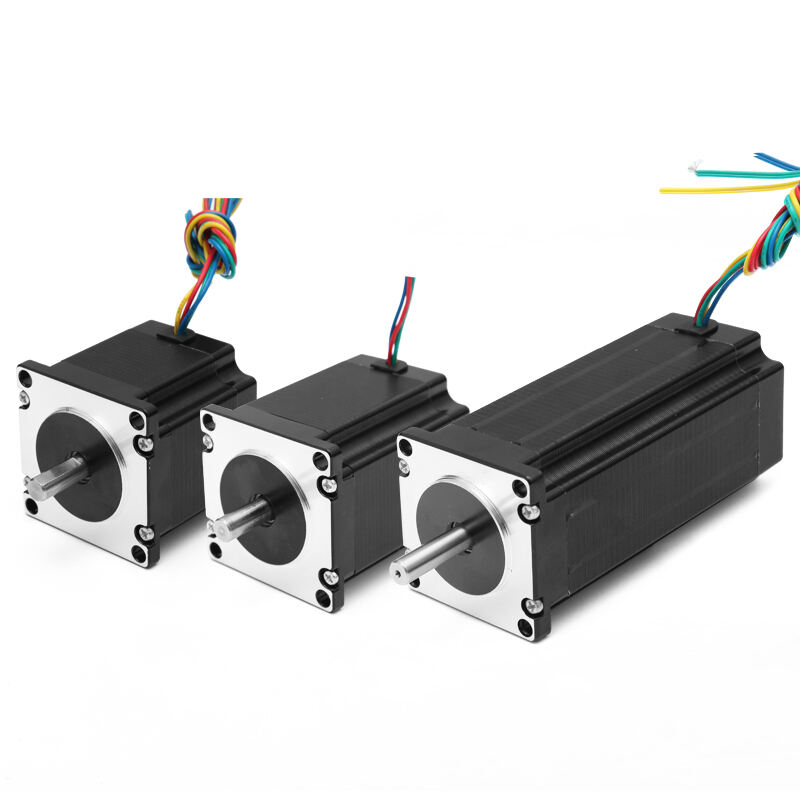
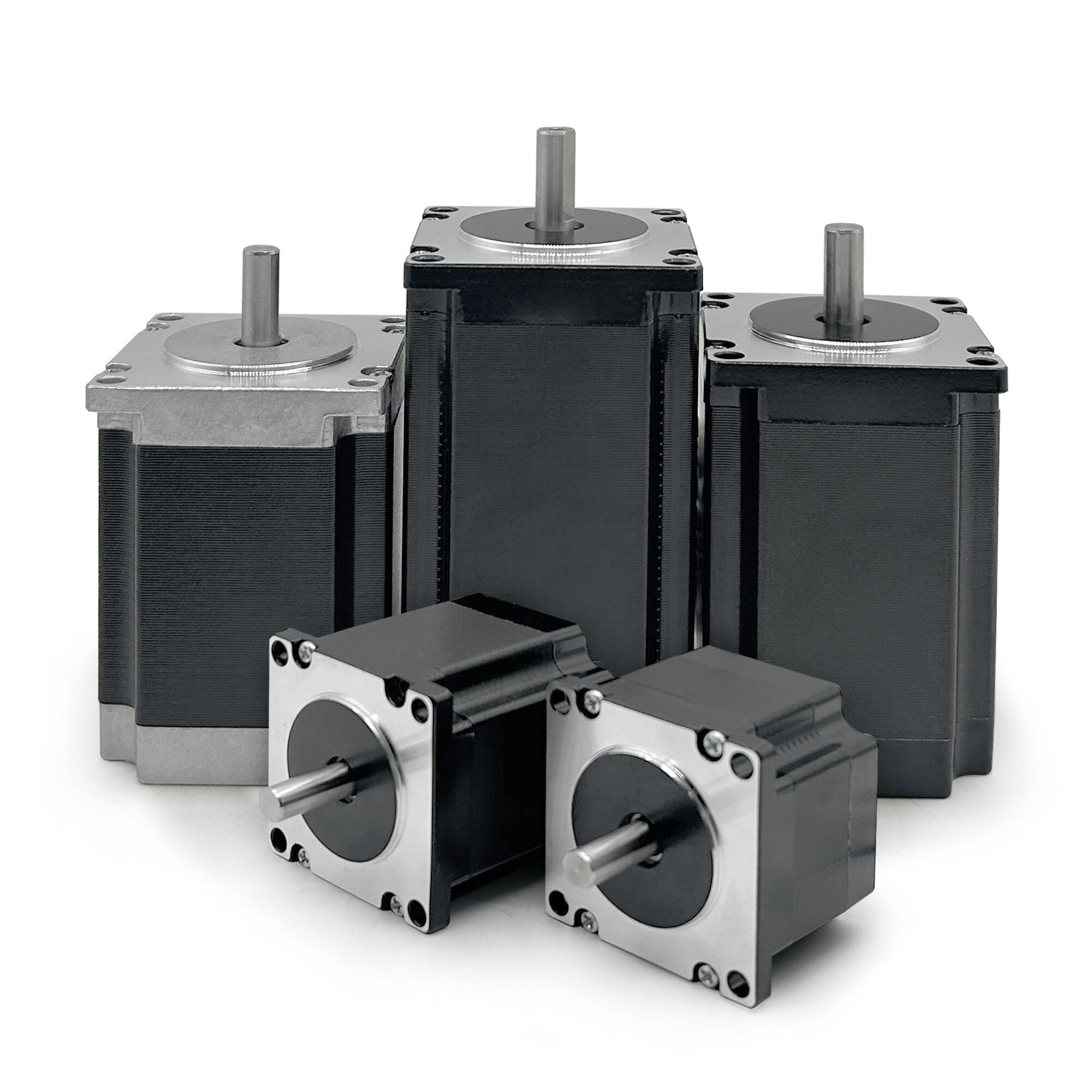
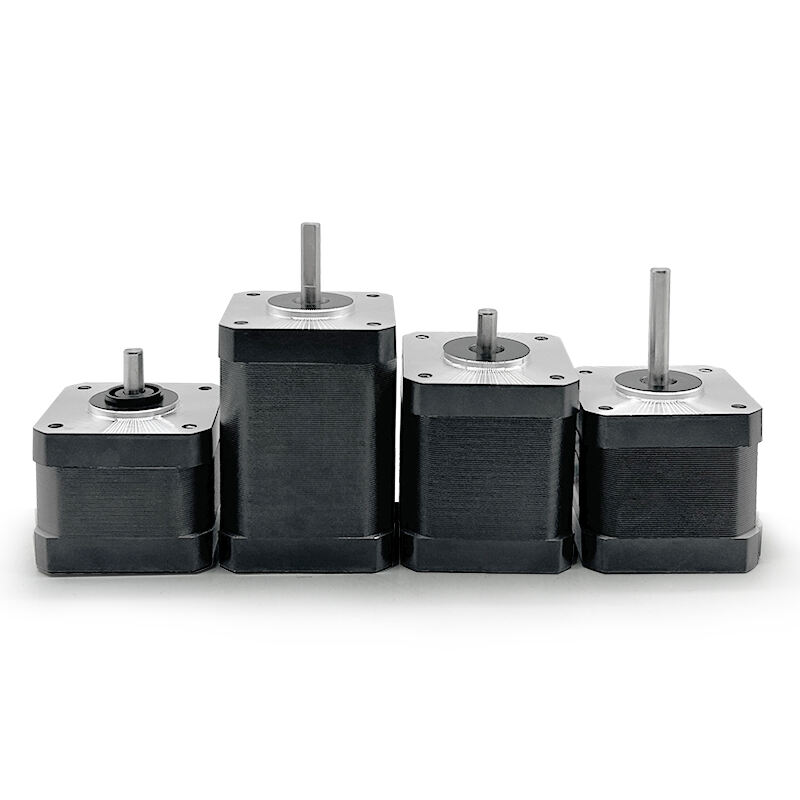
Stepper motor problems represent a critical area of concern in modern automation and precision control systems. These electromagnetic devices operate through discrete step movements, converting digital pulses into precise mechanical rotation. Understanding stepper motor problems is essential for engineers, technicians, and system integrators who rely on accurate positioning and reliable operation. The main functions of stepper motors include precise angular positioning, speed control, and torque delivery without requiring feedback systems. However, stepper motor problems can significantly impact these core functions, leading to reduced accuracy, system failures, and operational inefficiencies. Common stepper motor problems encompass issues such as missed steps, resonance vibrations, overheating, inadequate torque output, and electrical failures. These problems often stem from improper driver settings, mechanical load mismatches, or environmental factors. The technological features affected by stepper motor problems include holding torque capabilities, step resolution accuracy, and dynamic performance characteristics. When stepper motor problems occur, they can compromise the motor's ability to maintain position without power, deliver consistent torque across different speeds, and provide reliable operation in demanding applications. Applications susceptible to stepper motor problems span across 3D printing, CNC machining, robotics, medical equipment, semiconductor manufacturing, and automated assembly systems. In 3D printing applications, stepper motor problems can result in layer misalignment and print quality issues. CNC machining operations may experience dimensional inaccuracies when stepper motor problems affect axis positioning. Robotics systems depend heavily on stepper motor reliability, making stepper motor problems particularly problematic for autonomous operations. Medical equipment applications require exceptional precision, making stepper motor problems a significant concern for device functionality and patient safety.

New Product Recommendations

Addressing stepper motor problems proactively offers substantial benefits for industrial operations and system reliability. When you identify and resolve stepper motor problems early, you prevent costly downtime and maintain production schedules. This proactive approach to managing stepper motor problems reduces maintenance expenses and extends equipment lifespan significantly. Early detection of stepper motor problems allows maintenance teams to implement corrective measures before complete system failures occur. This strategy transforms potential stepper motor problems from emergency repairs into planned maintenance activities. You gain improved operational efficiency when stepper motor problems are systematically addressed through proper diagnostics and preventive care. The financial advantages of managing stepper motor problems extend beyond immediate repair costs to include reduced inventory requirements and optimized spare parts management. Companies that effectively handle stepper motor problems report higher overall equipment effectiveness and improved production quality metrics. Proper management of stepper motor problems enhances system reliability across multiple operational parameters including positioning accuracy, repeatability, and long-term stability. When stepper motor problems are resolved correctly, systems demonstrate improved performance characteristics and reduced variability in output quality. The diagnostic capabilities developed for identifying stepper motor problems often reveal additional system optimization opportunities that further enhance operational efficiency. Training personnel to recognize and address stepper motor problems builds internal expertise that reduces dependency on external service providers. This knowledge base becomes particularly valuable during critical production periods when external support may not be immediately available. Systematic approaches to stepper motor problems create documentation that supports continuous improvement initiatives and helps prevent recurring issues. The data collected during stepper motor problems resolution provides insights into system performance trends and helps predict future maintenance requirements. Organizations that excel at managing stepper motor problems often develop competitive advantages through improved product quality, reduced manufacturing costs, and enhanced customer satisfaction. The ability to quickly resolve stepper motor problems becomes a core competency that supports business growth and operational excellence across diverse industrial applications.

Practical Tips

Why set current limits before first use of any stepper motor driver?

26

Sep

Why set current limits before first use of any stepper motor driver?

Understanding Current Limitation in Stepper Motor Control Systems Stepper motor drivers play a crucial role in modern automation and precision control applications. Setting proper current limits before initial operation is not just a recommendation -...
View More
Troubleshooting Common Servo Drive Problems

27

Nov

Troubleshooting Common Servo Drive Problems

Industrial automation systems rely heavily on the precise control and reliability of servo drives for optimal performance. A servo drive functions as the brain of motion control systems, converting command signals into precise motor movements. Unders...
View More
2025 BLDC Motor Guide: Types, Benefits & Applications

12

Dec

2025 BLDC Motor Guide: Types, Benefits & Applications

Brushless DC motors have revolutionized modern industrial applications with their superior efficiency, reliability, and precision control capabilities. As we advance into 2025, understanding the intricacies of BLDC motor technology becomes crucial fo...
View More
Brushless DC Motor vs Brushed: Key Differences Explained

12

Dec

Brushless DC Motor vs Brushed: Key Differences Explained

Modern industrial applications increasingly demand precise motion control, efficiency, and reliability from their drive systems. The choice between a brushless DC motor and a traditional brushed motor can significantly impact performance, maintenance...
View More

Get a Free Quote

Our representative will contact you soon.
Email
Name
Company Name
WhatsApp
Mobile
Message
0/1000

stepper motor problems

Comprehensive Diagnostic Solutions for Stepper Motor Problems

Comprehensive Diagnostic Solutions for Stepper Motor Problems

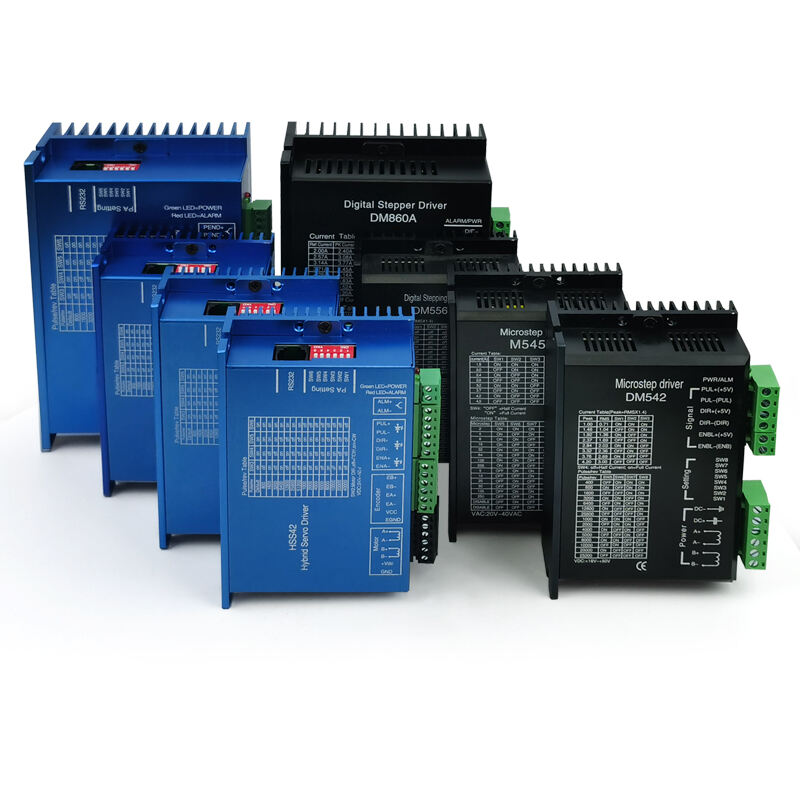
Advanced diagnostic capabilities represent the cornerstone of effective stepper motor problems resolution, providing systematic approaches to identify, analyze, and correct performance issues before they escalate into costly failures. Modern diagnostic solutions for stepper motor problems incorporate sophisticated monitoring technologies that continuously assess motor performance parameters including current consumption patterns, thermal characteristics, vibration signatures, and positional accuracy measurements. These comprehensive diagnostic systems enable early detection of developing stepper motor problems through trend analysis and predictive algorithms that identify subtle changes in operational behavior. The diagnostic process for stepper motor problems typically begins with baseline performance measurements that establish normal operating parameters for comparison with ongoing monitoring data. When potential stepper motor problems are detected, the diagnostic system triggers detailed analysis protocols that examine specific failure modes and root causes. This systematic approach to stepper motor problems diagnosis reduces troubleshooting time and improves repair accuracy by providing technicians with precise information about problem locations and severity levels. The integration of diagnostic tools with existing control systems allows for real-time monitoring of stepper motor problems without disrupting normal operations. Advanced diagnostic capabilities also include automated reporting features that document stepper motor problems history and track resolution effectiveness over time. This data becomes invaluable for optimizing maintenance schedules and identifying recurring stepper motor problems that may indicate design or application issues. The comprehensive nature of modern diagnostic solutions ensures that stepper motor problems are addressed holistically, considering both immediate symptoms and underlying causes that could lead to future failures. Training programs associated with diagnostic systems help personnel develop expertise in interpreting stepper motor problems data and implementing appropriate corrective actions. The return on investment for comprehensive diagnostic solutions becomes evident through reduced downtime, improved system reliability, and extended equipment life cycles that result from proactive stepper motor problems management.
Precision Engineering Solutions for Stepper Motor Problems Prevention

Precision Engineering Solutions for Stepper Motor Problems Prevention

Precision engineering approaches to stepper motor problems prevention focus on optimizing system design, component selection, and installation practices to minimize the likelihood of operational issues and maximize long-term reliability. These engineering solutions address stepper motor problems at their source by ensuring proper mechanical coupling, adequate thermal management, appropriate driver configurations, and optimal load matching throughout the system design phase. The precision engineering methodology for preventing stepper motor problems begins with detailed application analysis that considers operating environment, duty cycle requirements, load characteristics, and performance specifications. This comprehensive evaluation identifies potential sources of stepper motor problems before system implementation, allowing engineers to incorporate preventive measures into the original design. Mechanical engineering aspects of stepper motor problems prevention include proper shaft alignment, vibration isolation, and coupling selection that minimize stress concentrations and reduce wear-related failures. Thermal engineering considerations address heat dissipation requirements and ambient temperature effects that can contribute to stepper motor problems in demanding applications. Electrical engineering solutions for stepper motor problems prevention encompass driver parameter optimization, power supply sizing, and electromagnetic interference mitigation strategies. The integration of these engineering disciplines creates robust systems that inherently resist common stepper motor problems while maintaining high performance standards. Quality control measures implemented during manufacturing and assembly phases help ensure that precision engineering solutions effectively prevent stepper motor problems in production environments. Documentation and testing protocols associated with precision engineering approaches provide verification that stepper motor problems prevention measures are functioning as intended. Continuous improvement processes built into precision engineering methodologies allow for refinement of stepper motor problems prevention strategies based on field experience and technological advances. The collaborative nature of precision engineering solutions brings together expertise from multiple disciplines to create comprehensive approaches to stepper motor problems prevention that address both current requirements and future operational needs.
Advanced Maintenance Strategies for Stepper Motor Problems Resolution

Advanced Maintenance Strategies for Stepper Motor Problems Resolution

Advanced maintenance strategies for stepper motor problems resolution combine predictive analytics, condition-based monitoring, and systematic repair protocols to maximize equipment availability while minimizing maintenance costs and operational disruptions. These sophisticated approaches to stepper motor problems management utilize data-driven decision making to optimize maintenance timing and resource allocation based on actual equipment condition rather than arbitrary schedules. The foundation of advanced maintenance strategies lies in comprehensive monitoring systems that continuously collect and analyze data related to stepper motor problems indicators such as temperature variations, current fluctuations, vibration patterns, and performance degradation trends. This real-time monitoring capability enables maintenance teams to identify developing stepper motor problems before they result in system failures or production delays. Predictive algorithms incorporated into advanced maintenance strategies process historical data to forecast when stepper motor problems are likely to occur, allowing for proactive scheduling of maintenance activities during planned downtime periods. The integration of artificial intelligence and machine learning technologies enhances the accuracy of stepper motor problems prediction by identifying complex patterns and correlations that might not be apparent through traditional analysis methods. Advanced maintenance strategies also include specialized repair techniques and component replacement protocols specifically designed to address common stepper motor problems efficiently and effectively. Training programs associated with these strategies ensure that maintenance personnel develop the skills necessary to implement advanced techniques for stepper motor problems resolution. The documentation and knowledge management aspects of advanced maintenance strategies capture institutional knowledge about stepper motor problems patterns and successful resolution methods. This knowledge base supports continuous improvement initiatives and helps prevent recurring stepper motor problems through systematic root cause analysis and corrective action implementation. The economic benefits of advanced maintenance strategies become evident through reduced emergency repair costs, improved equipment reliability, and extended service life that results from proactive stepper motor problems management. Performance metrics and reporting capabilities built into advanced maintenance strategies provide management with visibility into stepper motor problems trends and maintenance effectiveness.
+86-13401517369
[email protected]

Get a Free Quote

Our representative will contact you soon.
Email
Name
Company Name
WhatsApp
Mobile
Message
0/1000

Copyright © 2026 Changzhou Jinsanshi Mechatronics Co., Ltd. All rights reserved.  -  Privacy policy